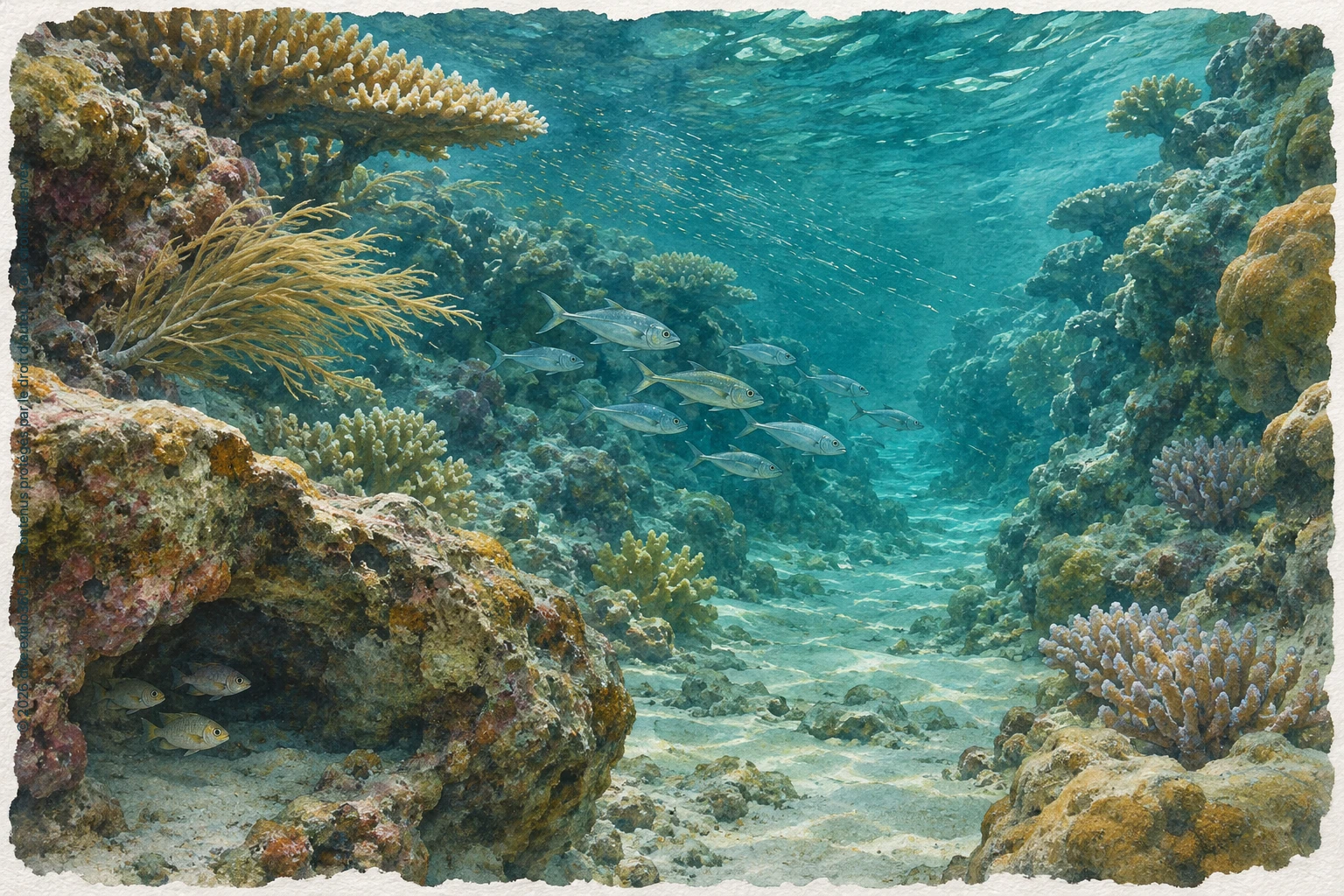
The passage between lagoon and ocean
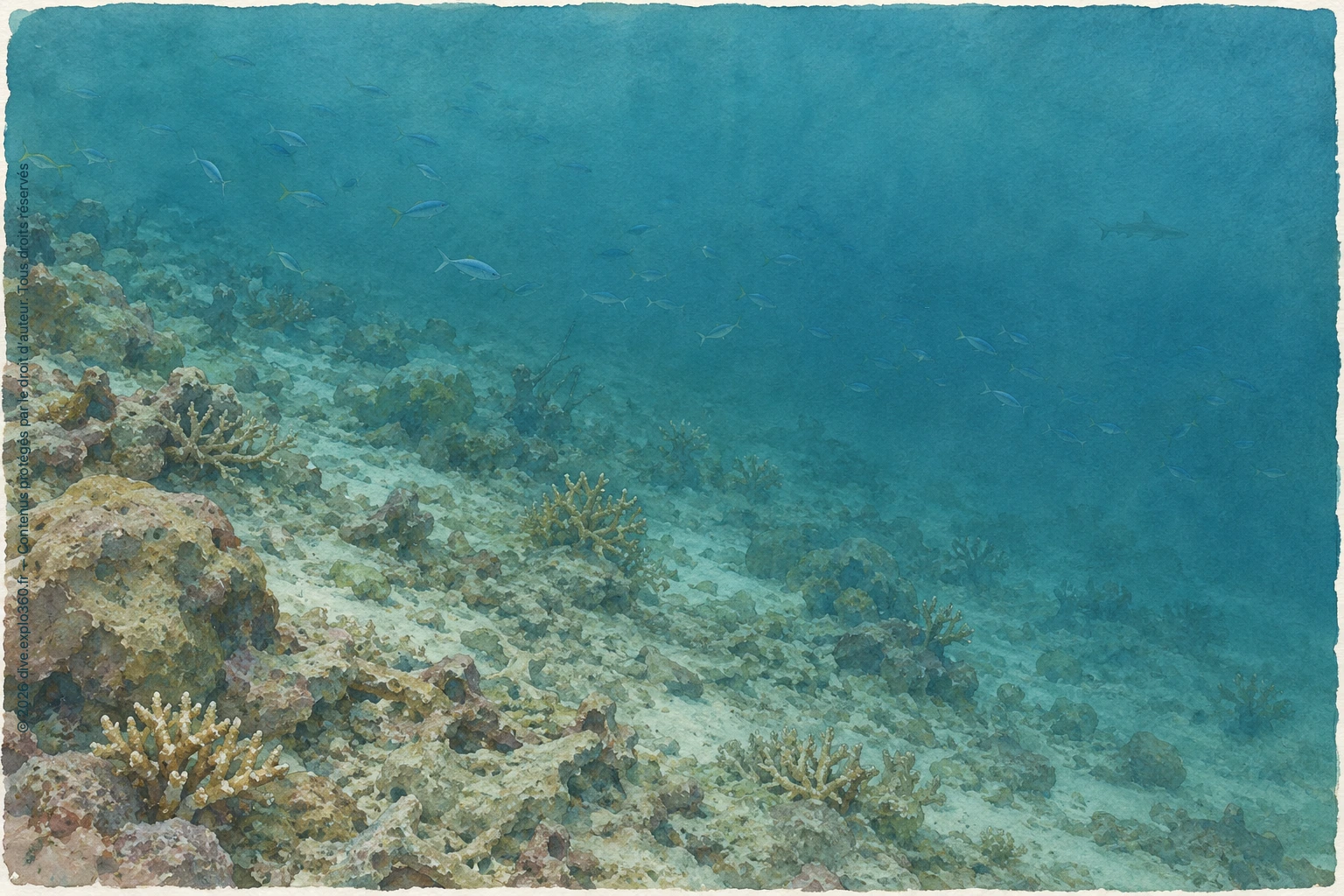
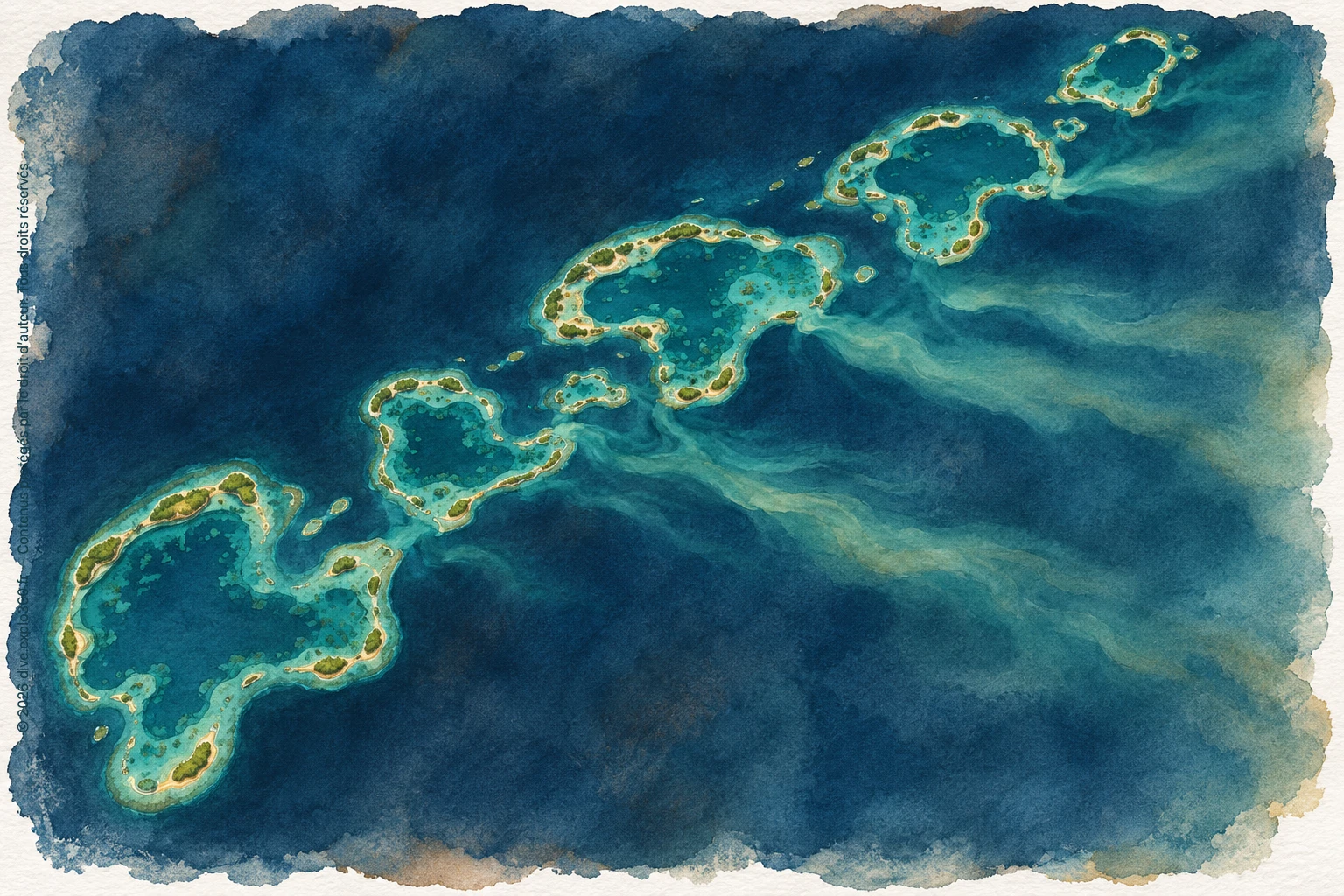
A pass is a gap between the lagoon and the ocean. Water can speed up as it flows through a narrow stretch, then slow down behind a ledge where fish can shelter.
Water flows in and out
As the tide changes, the difference in water level between the ocean and lagoon changes too. At some passes, the flow reverses and water that was moving into the lagoon starts flowing out.
A current that brings prey
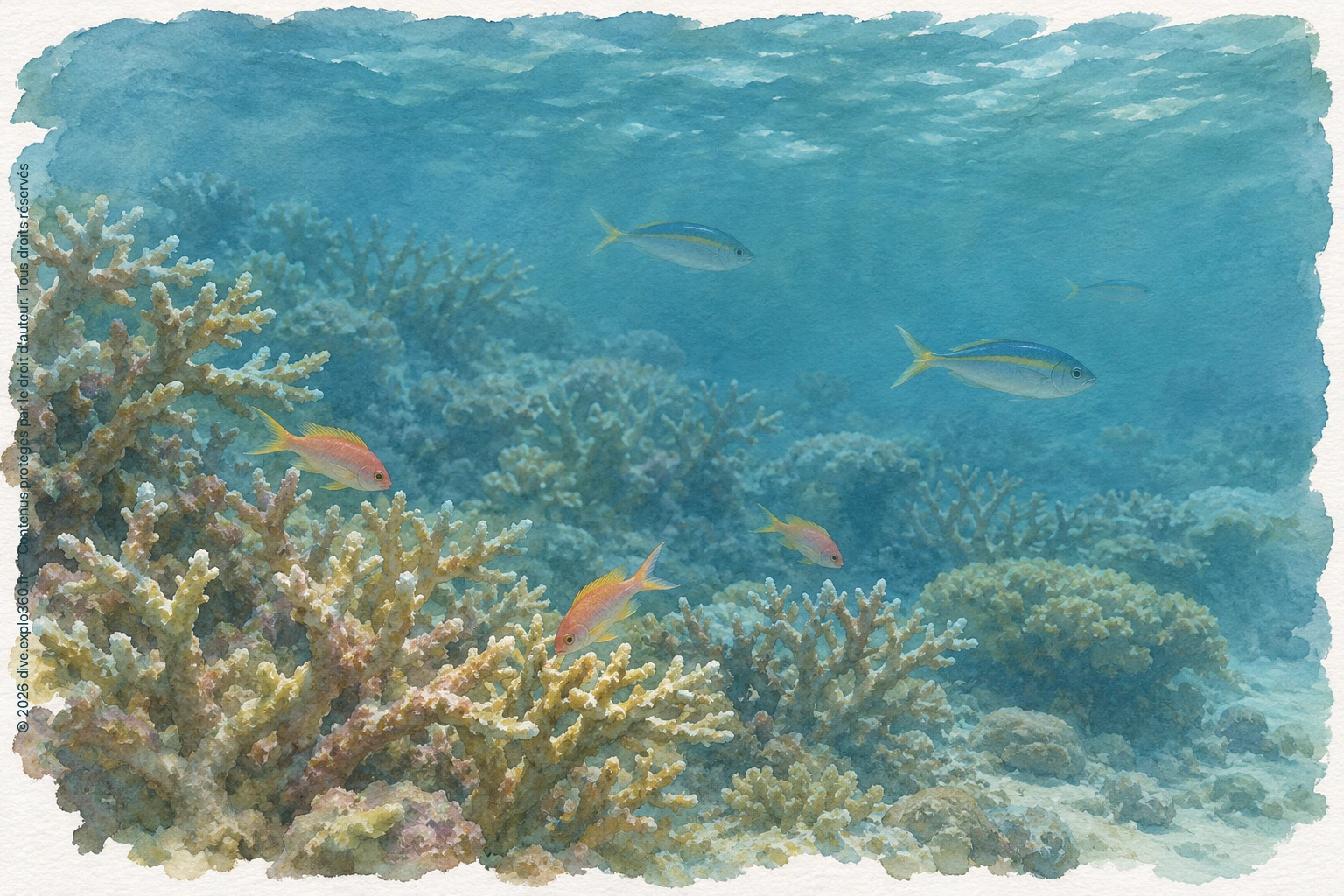
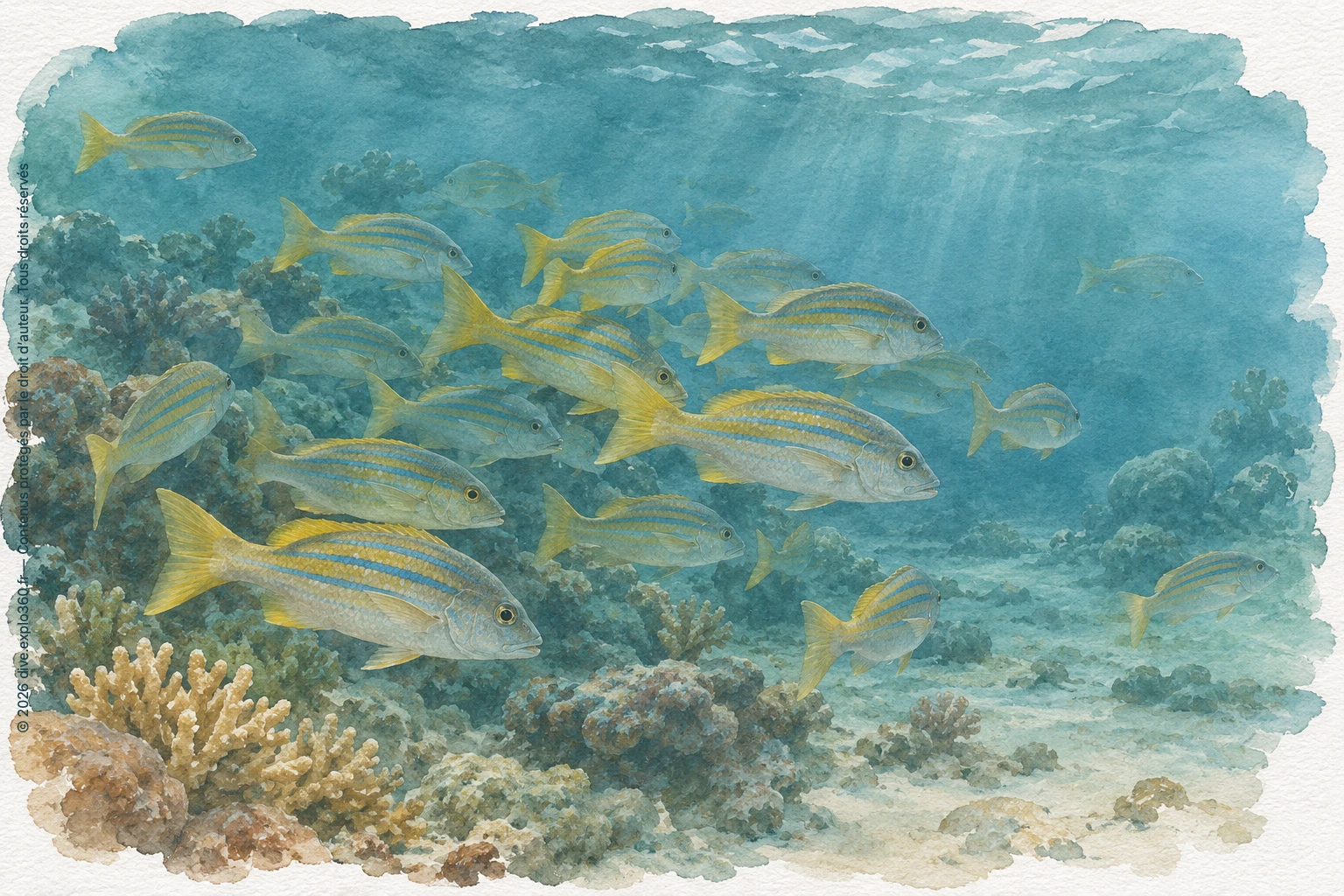
Small fish can hold their place in the current and pick off tiny drifting animals called zooplankton. If the flow keeps bringing food, hundreds of fish can feed in the same area.
Predators arrive
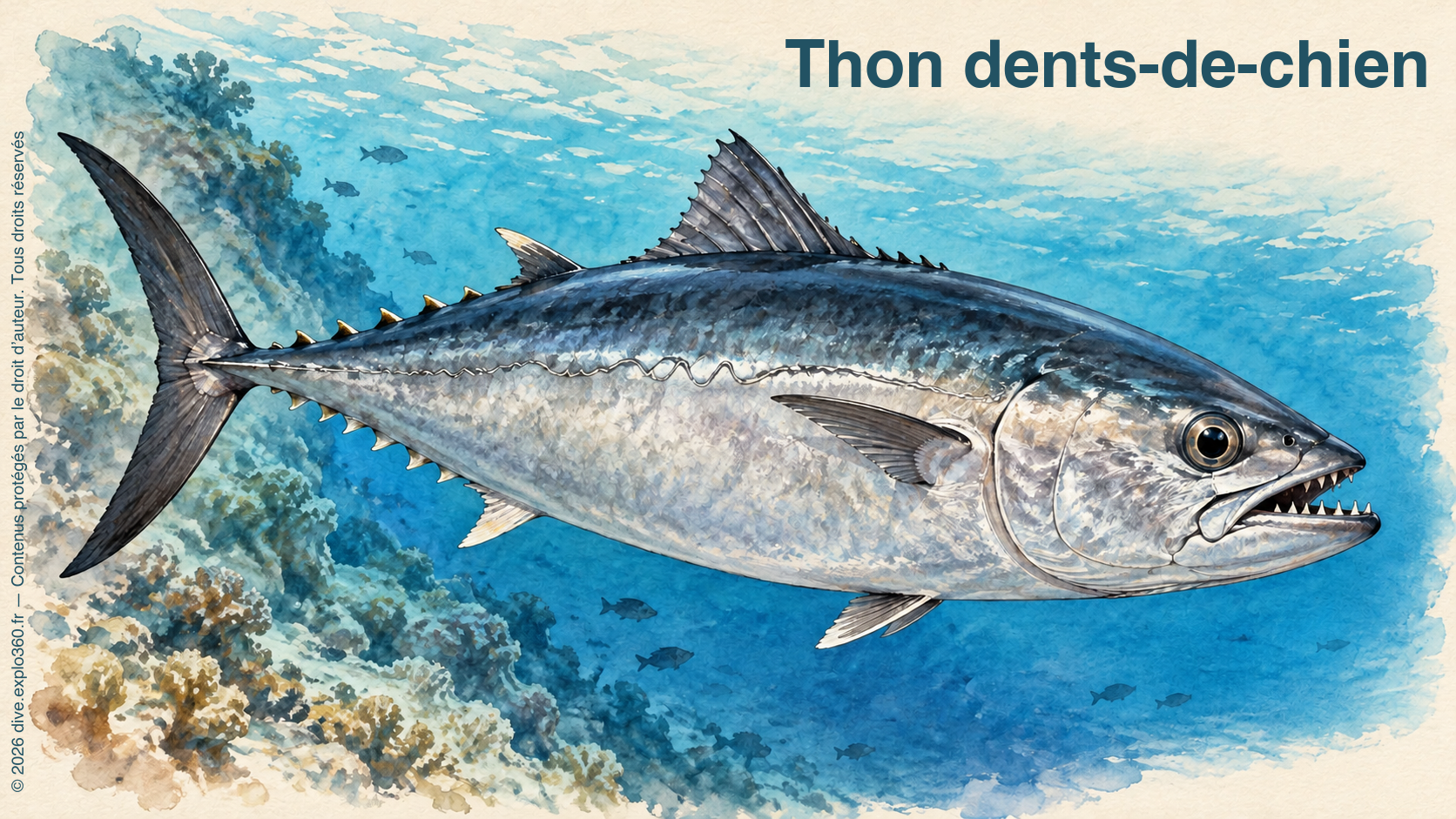
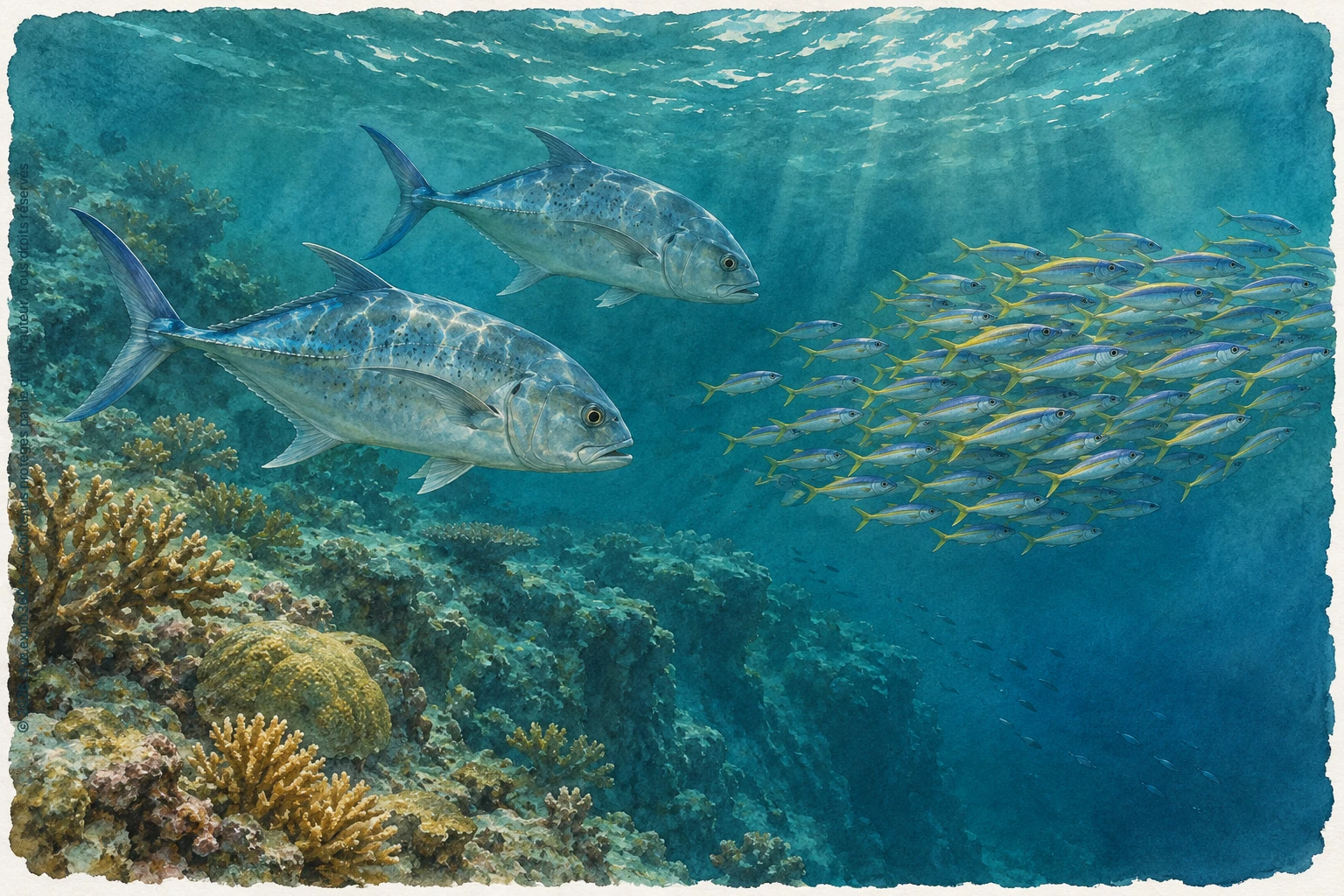
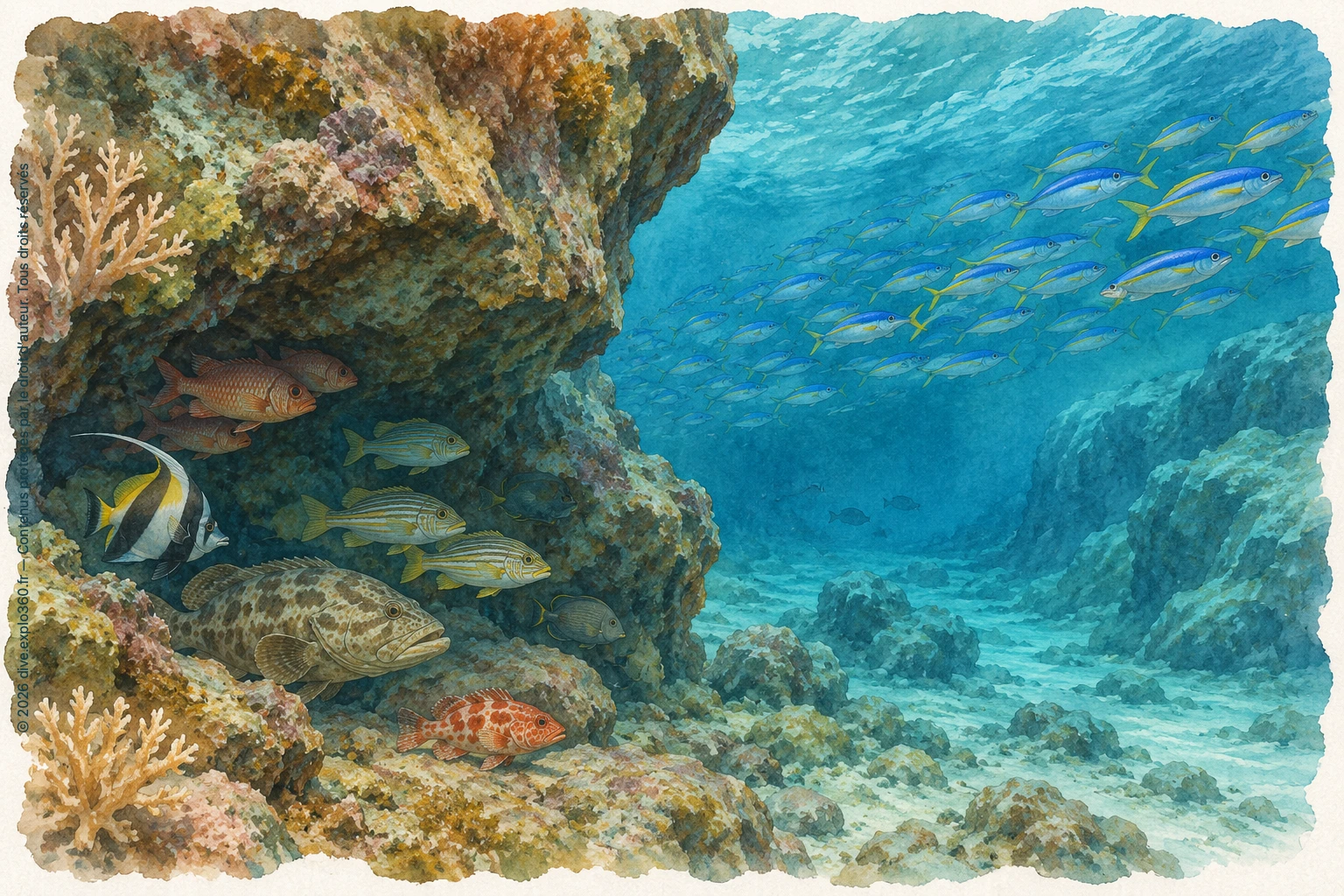
Schools of small fish can draw fast predators such as jacks. Where the current pushes the schools and how the reef is shaped can affect where the jacks hunt.
Sharks almost standing still
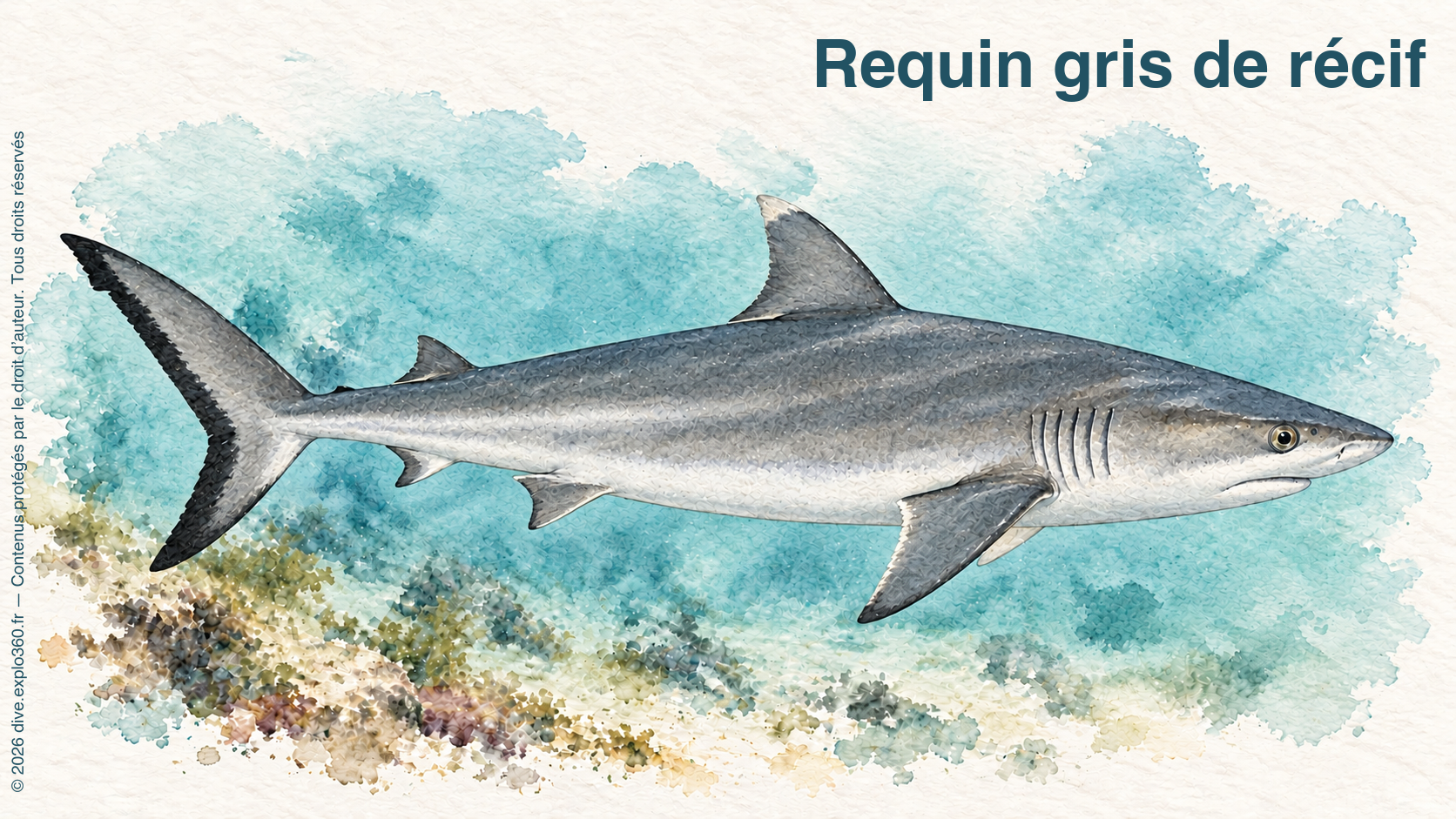
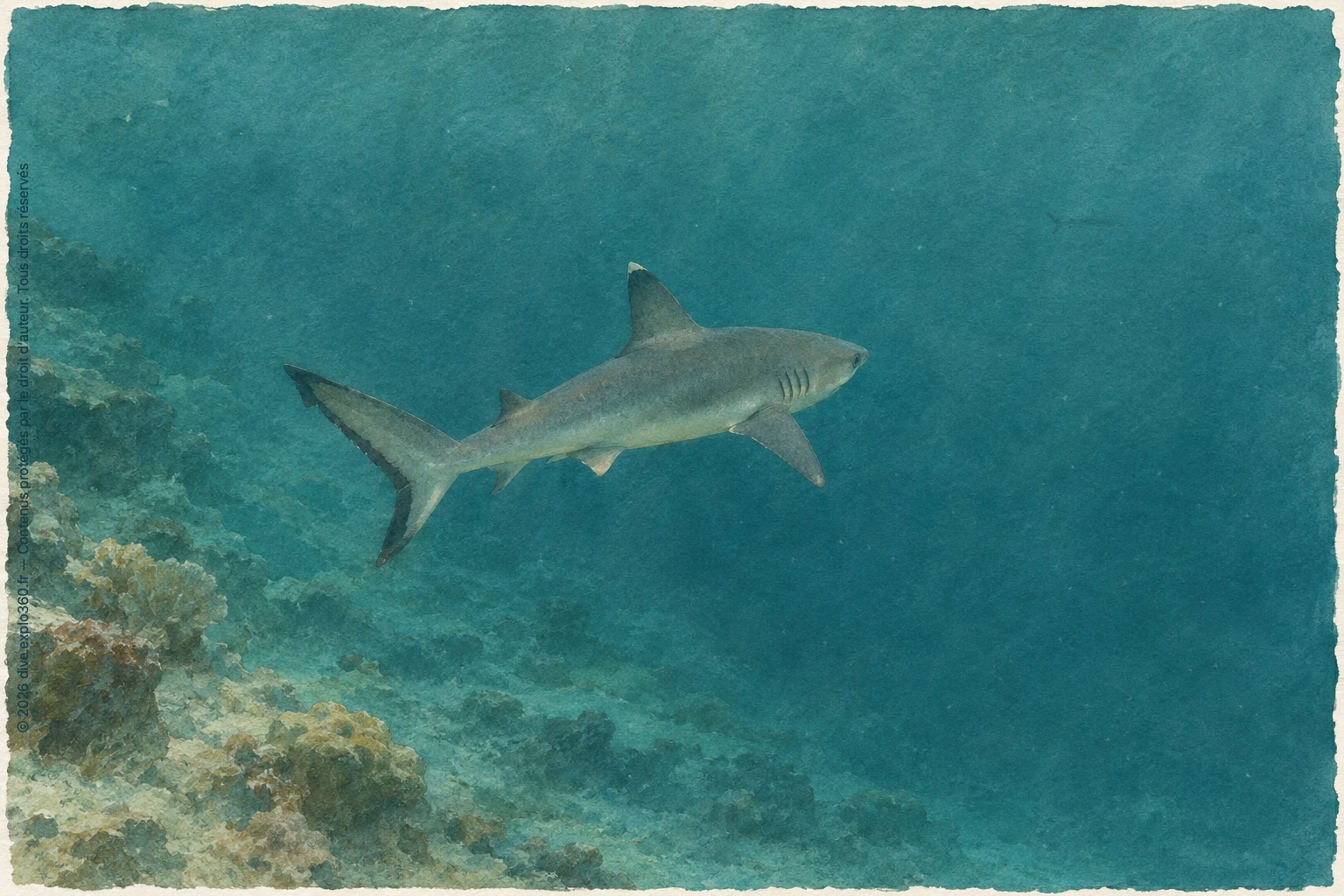
Watch a grey reef shark against a point on the reef. It may look almost still, even though it is swimming into the current. Water moving up over the reef can give it lift.
Sharks that return
Researchers can recognise some sharks when they return to the same pass. To find out how young sharks use a pass, they need to watch over time and compare it with other sites.
When the season changes
Monsoon winds change direction with the seasons. As the currents around the atolls shift, plankton and the animals that feed on it can gather in different places.
Two different meals
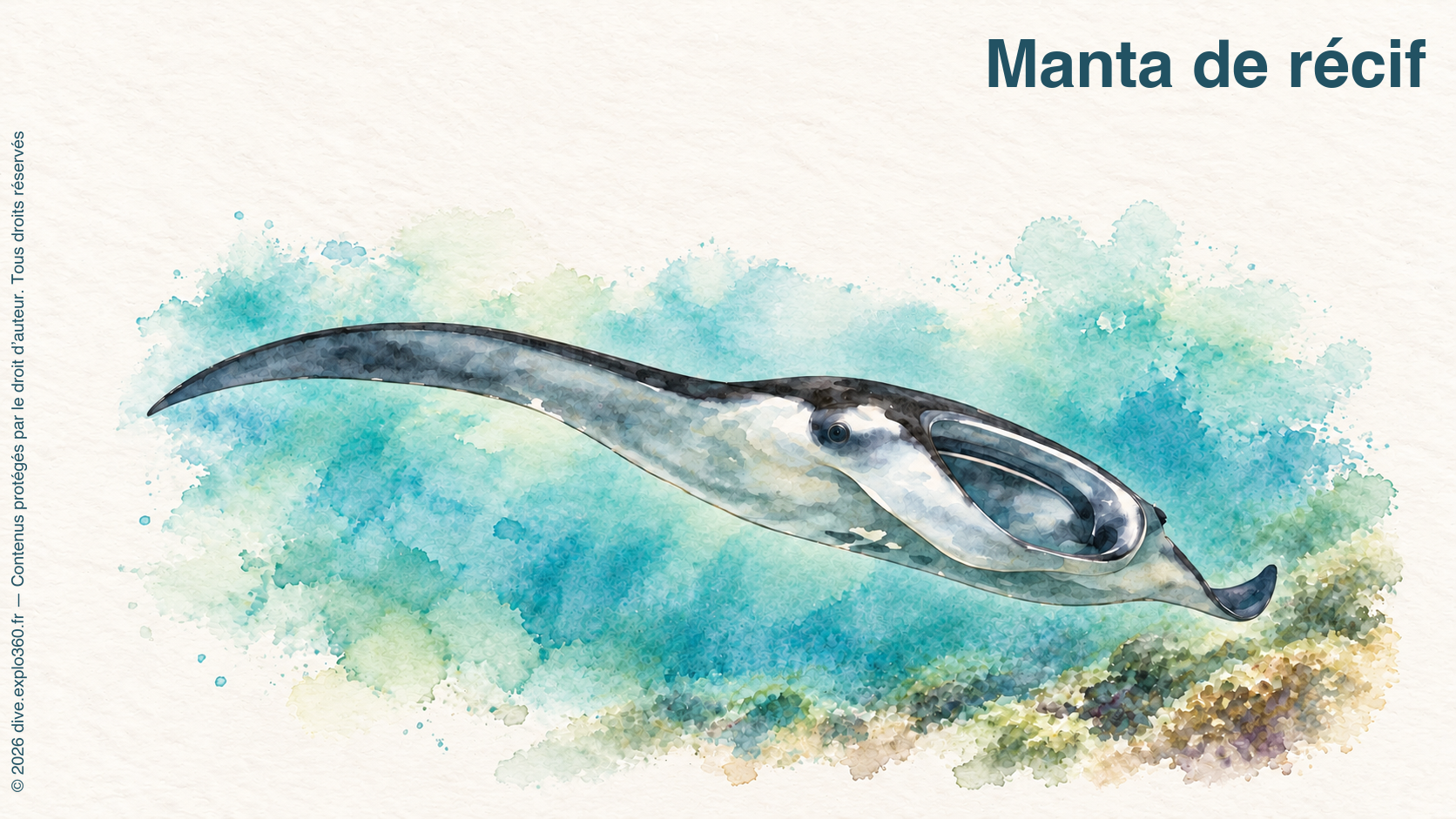
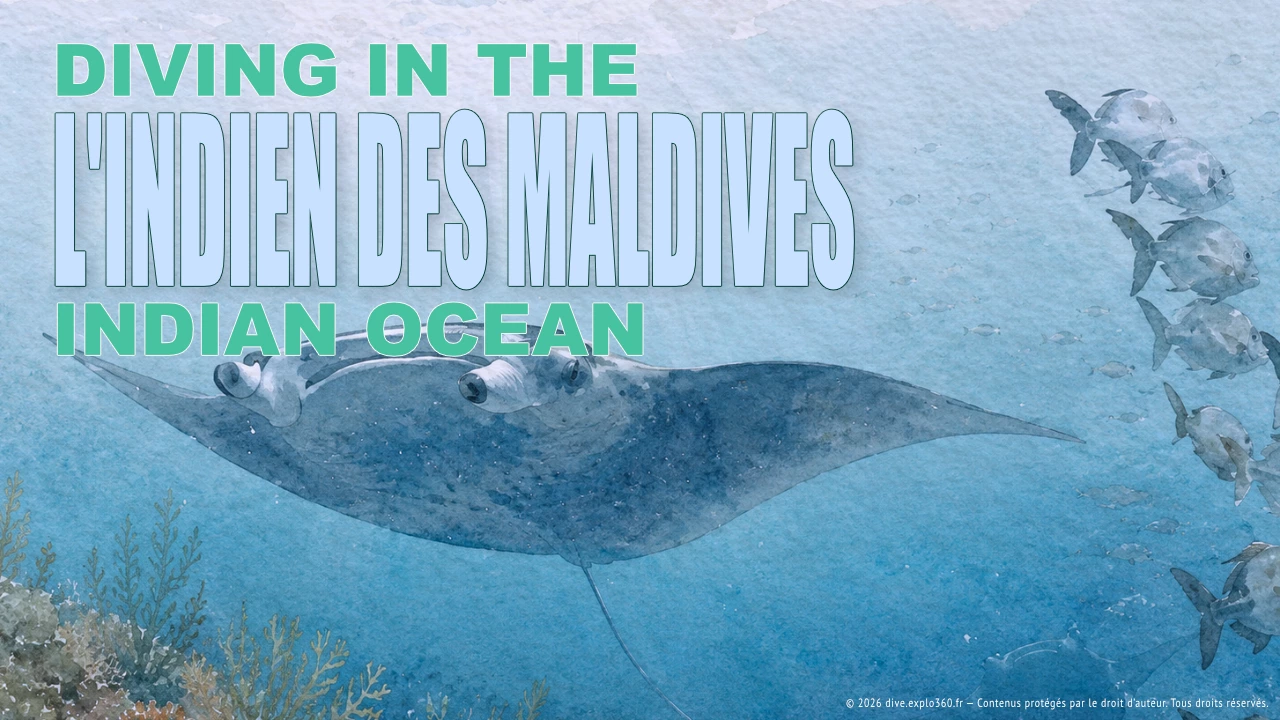
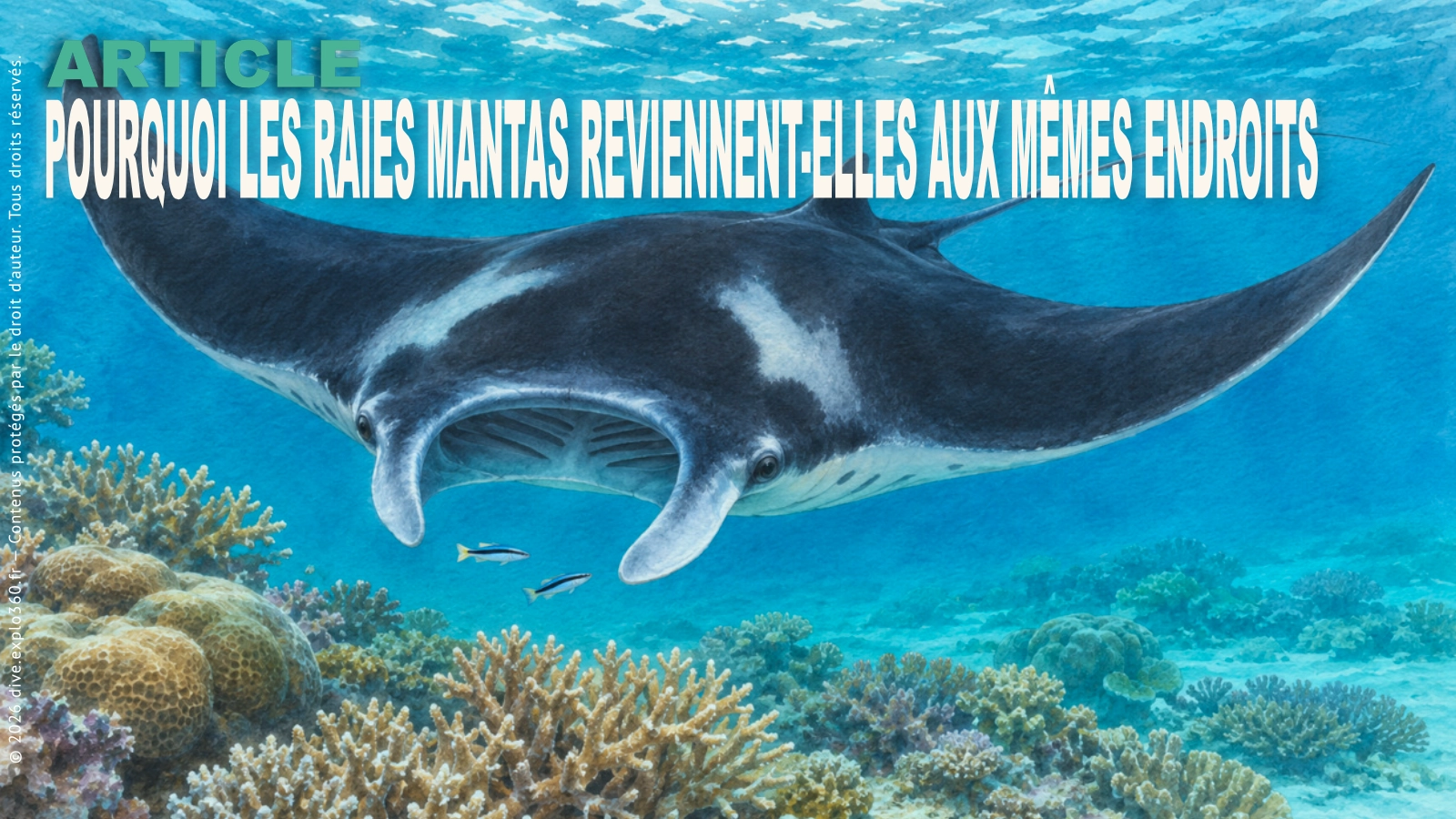
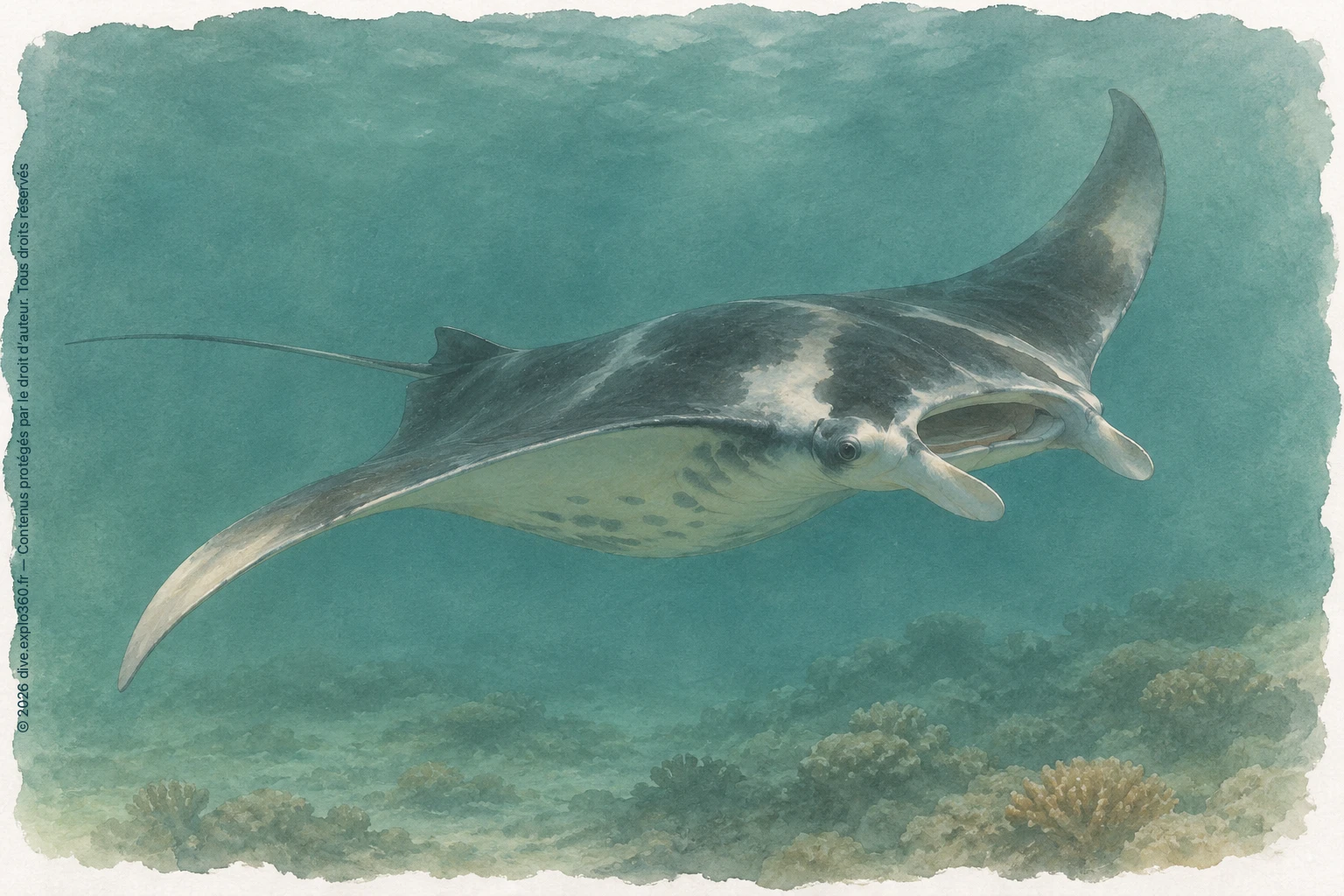
A manta ray swims with its mouth open to filter tiny animals from the water. A grey reef shark may hunt the fish that have gathered in the same channel.
When mantas gather
At Hanifaru Bay, tides and the shape of the reef can bring plankton together in a small area. Mantas sometimes swim through these dense patches to feed.
A school can gather for other reasons
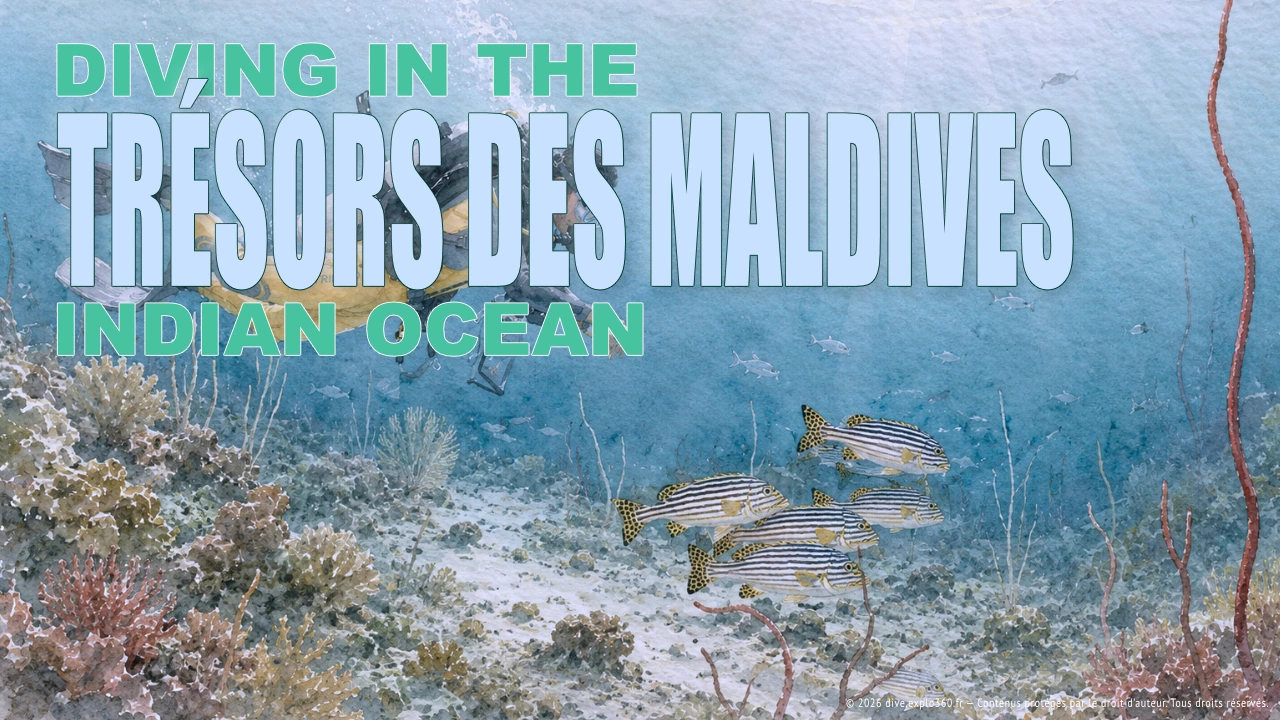
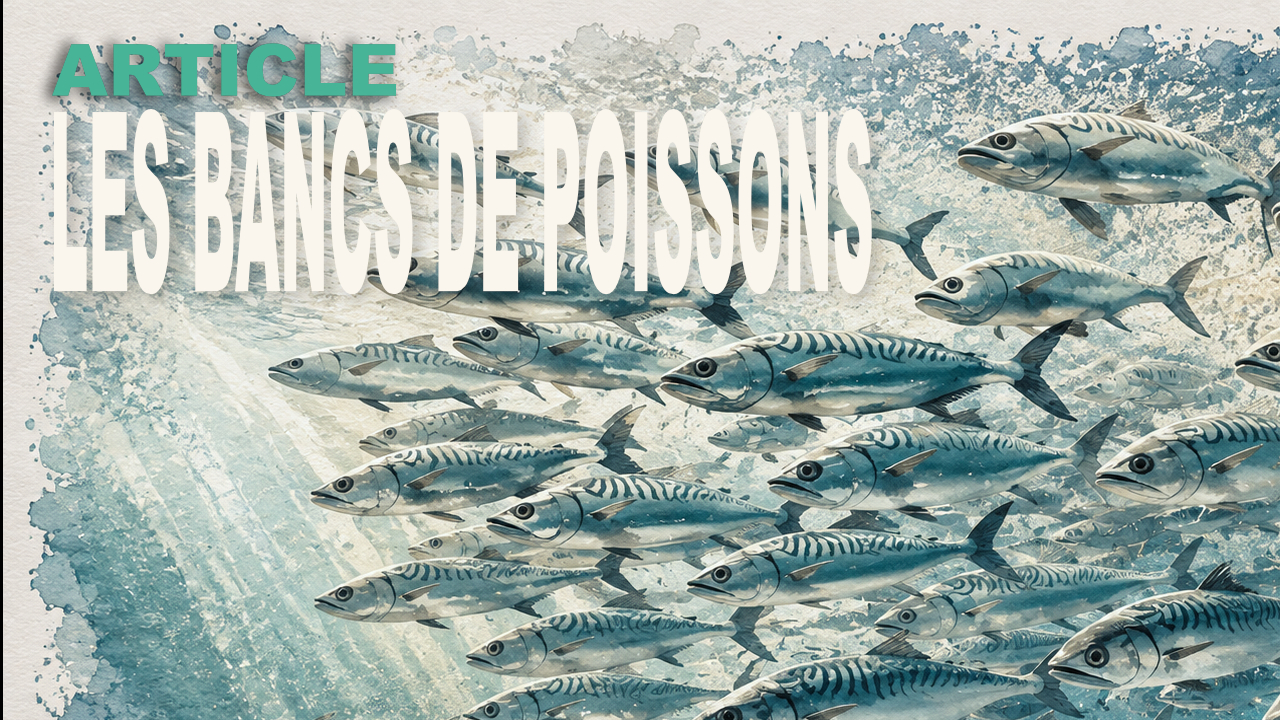
Fish can gather to feed, to spawn or to stay safer in a group. Watch whether they snap up prey, display to one another or tighten the school when a predator approaches.
Why the channel may look empty
A change in tide or current can move prey and predators out of the area being observed.
What a single dive shows
What you see on a dive depends on the time of day, the current and how far you can see. Comparing several visits gives you a fuller picture.
Interactive quiz
Test what you know
5 question(s) to test your knowledge.
Interactive quiz
Test what you know
Question 1 out of 5Score: 0
What is an atoll pass?
What changes the current during the day?
What does moving water carry?
Why do some manta rays gather?
Why might a channel look empty the next day?
Final result
Quiz completed
correct answers
Conclusion — Currents shift the gatherings
Follow the water through a pass. It brings food to small fish, which can draw predators. It can also concentrate the plankton that mantas filter. When the flow changes, the places these animals use may change too.
Scientific references
Explore the same world