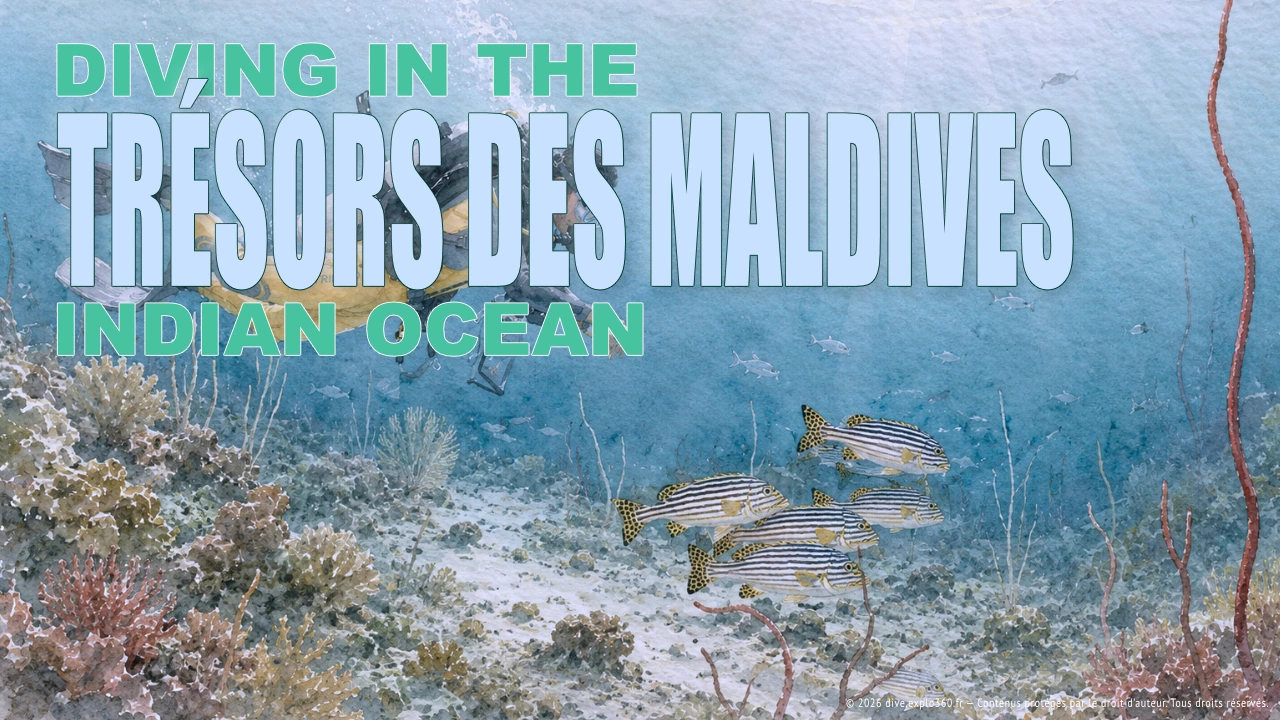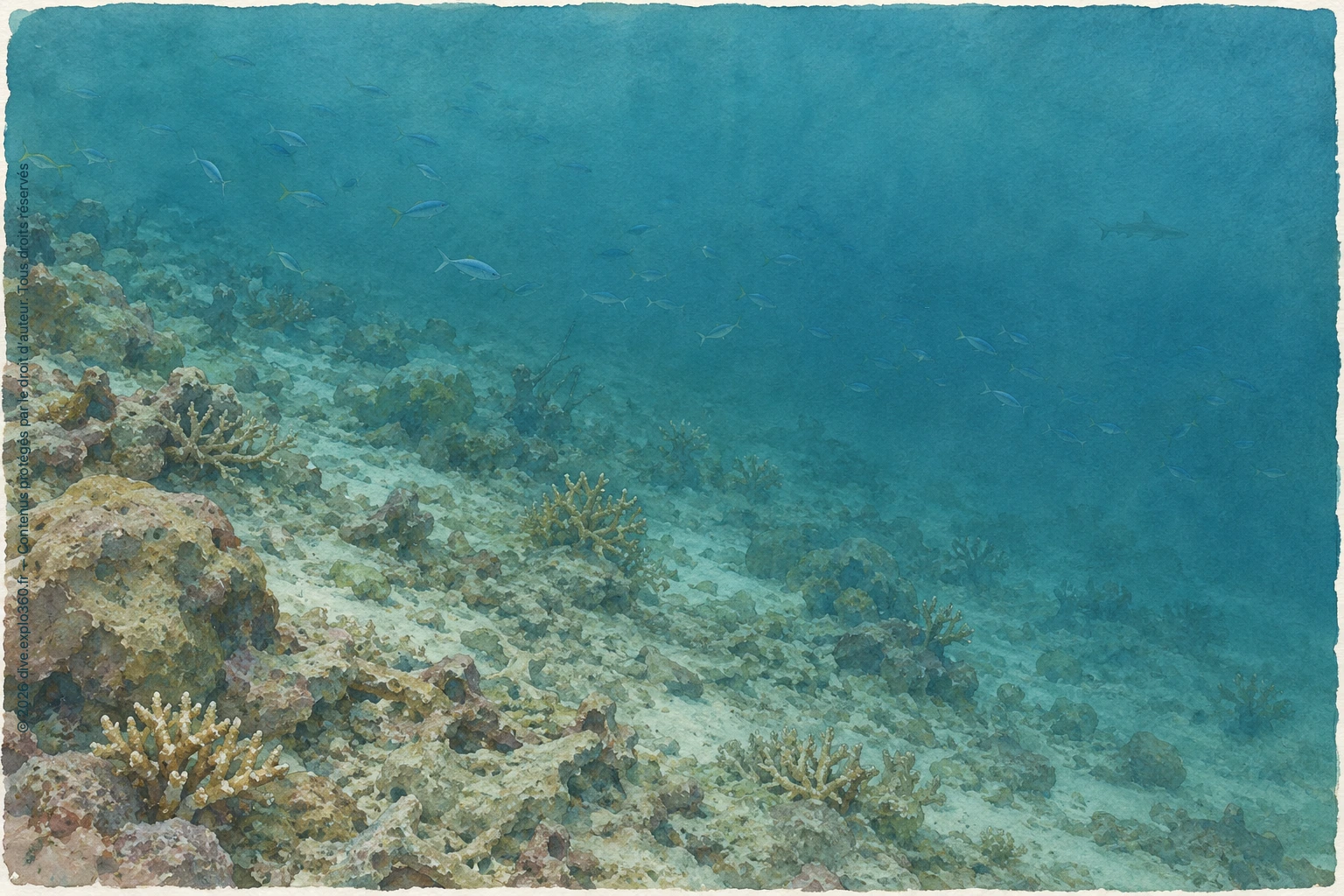
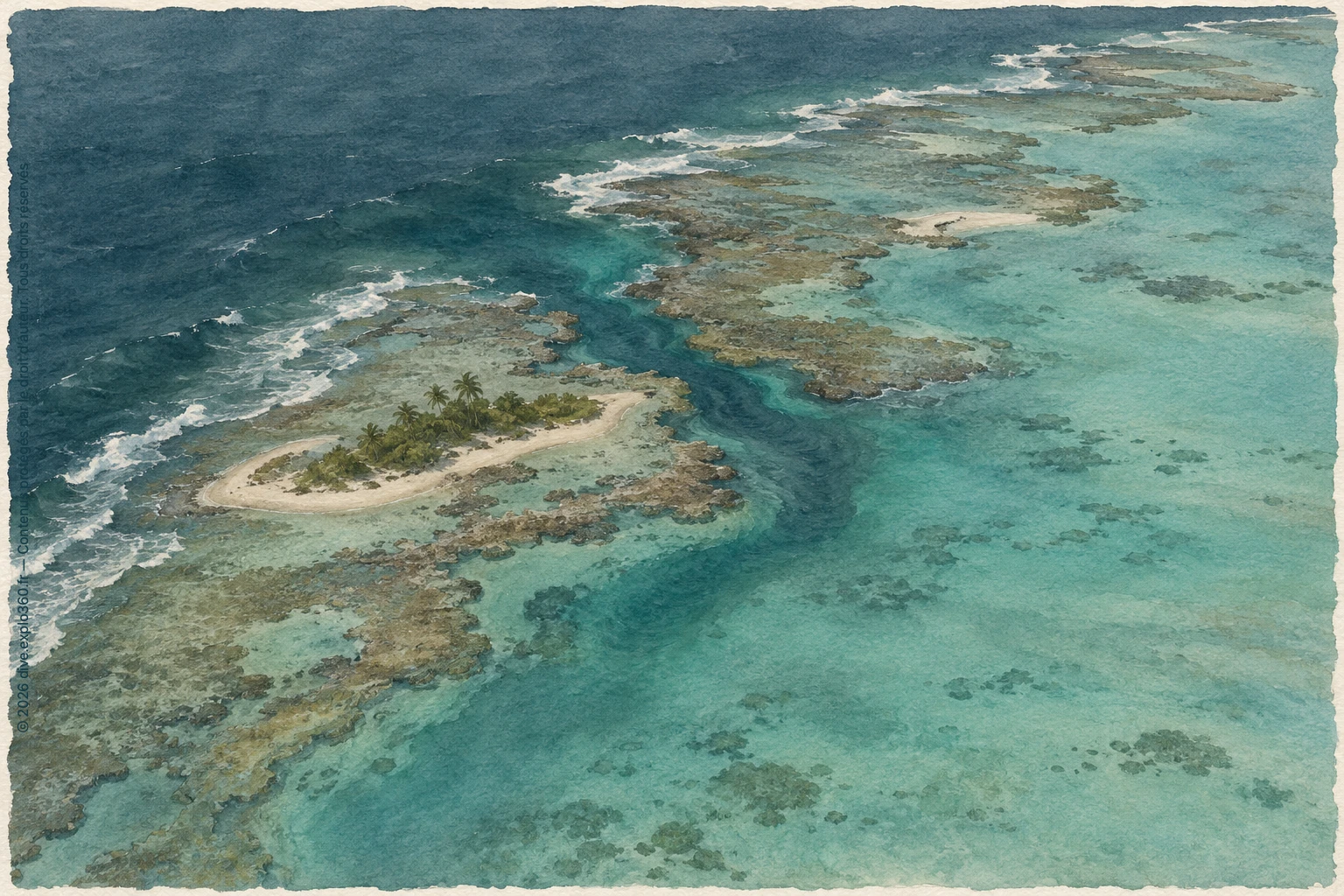
Artist’s view. A pass cuts through the reef rim and connects lagoon and ocean.
This opening lets water flow between the lagoon and the sea. © dive.explo360.fr — All rights reserved. Reproduction requires permission.

An opening between lagoon and ocean

A pass is a gap in the reef. Water flows through it between the open sea and the lagoon behind the reef.

Water flows in and out

Sometimes water rushes through the gap into the lagoon. When the tide changes, it can rush back out to sea.
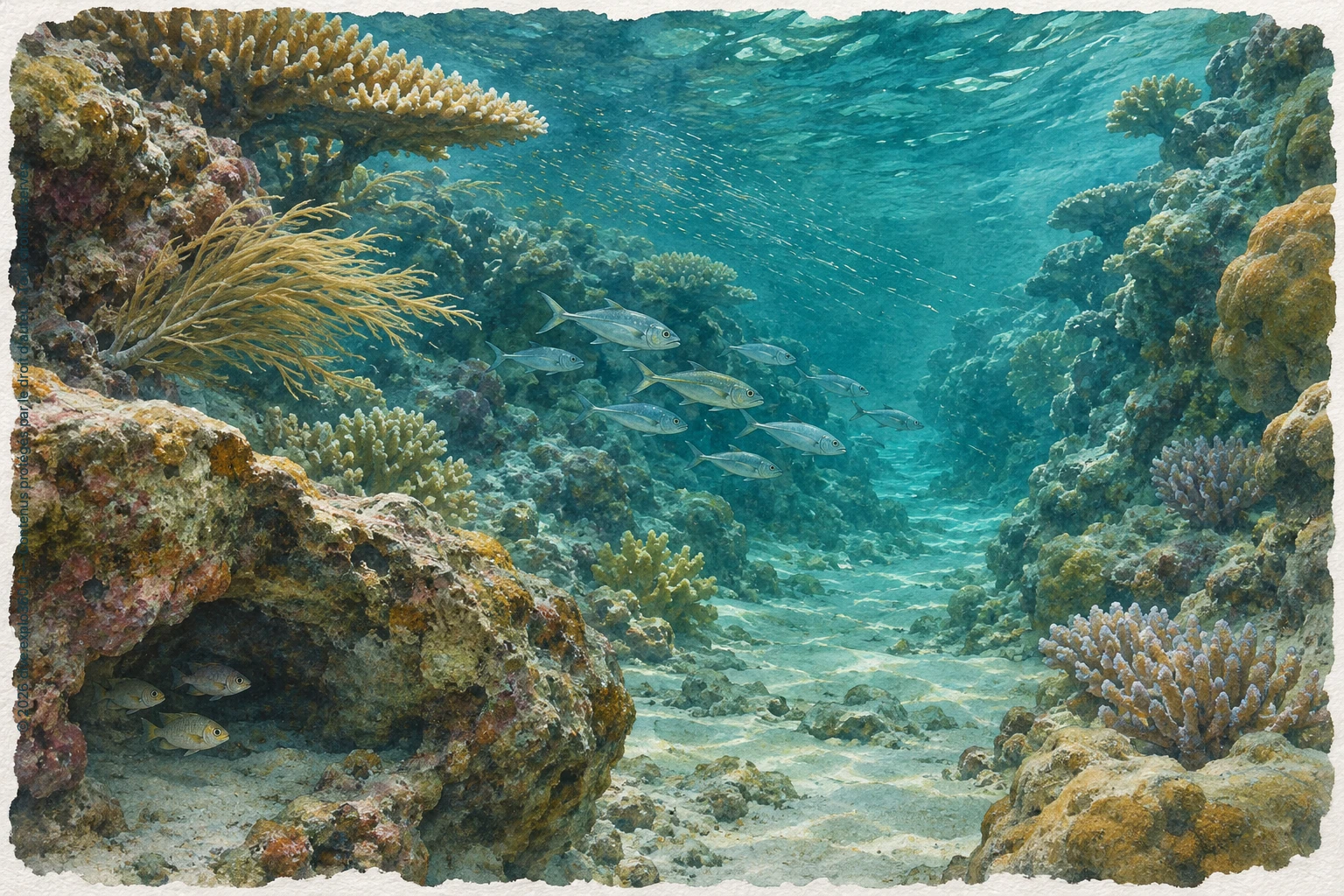
Current speed and direction vary with the tide and the shape of the pass.
The tide can send water into or out of the lagoon. The shape of the pass speeds up the flow in some places and leaves others sheltered. © dive.explo360.fr — All rights reserved. Reproduction requires permission.

The current brings food

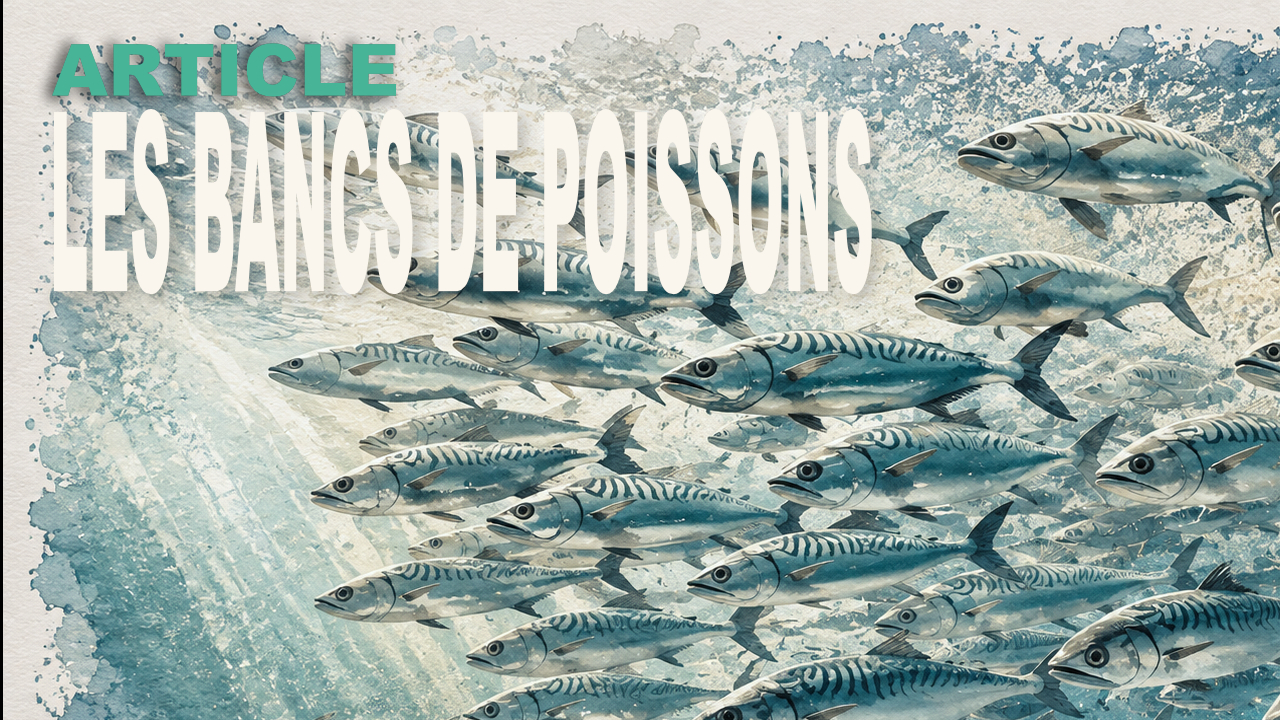
Tiny drifting animals called plankton float past in the current. Little fish gather to snap them up.
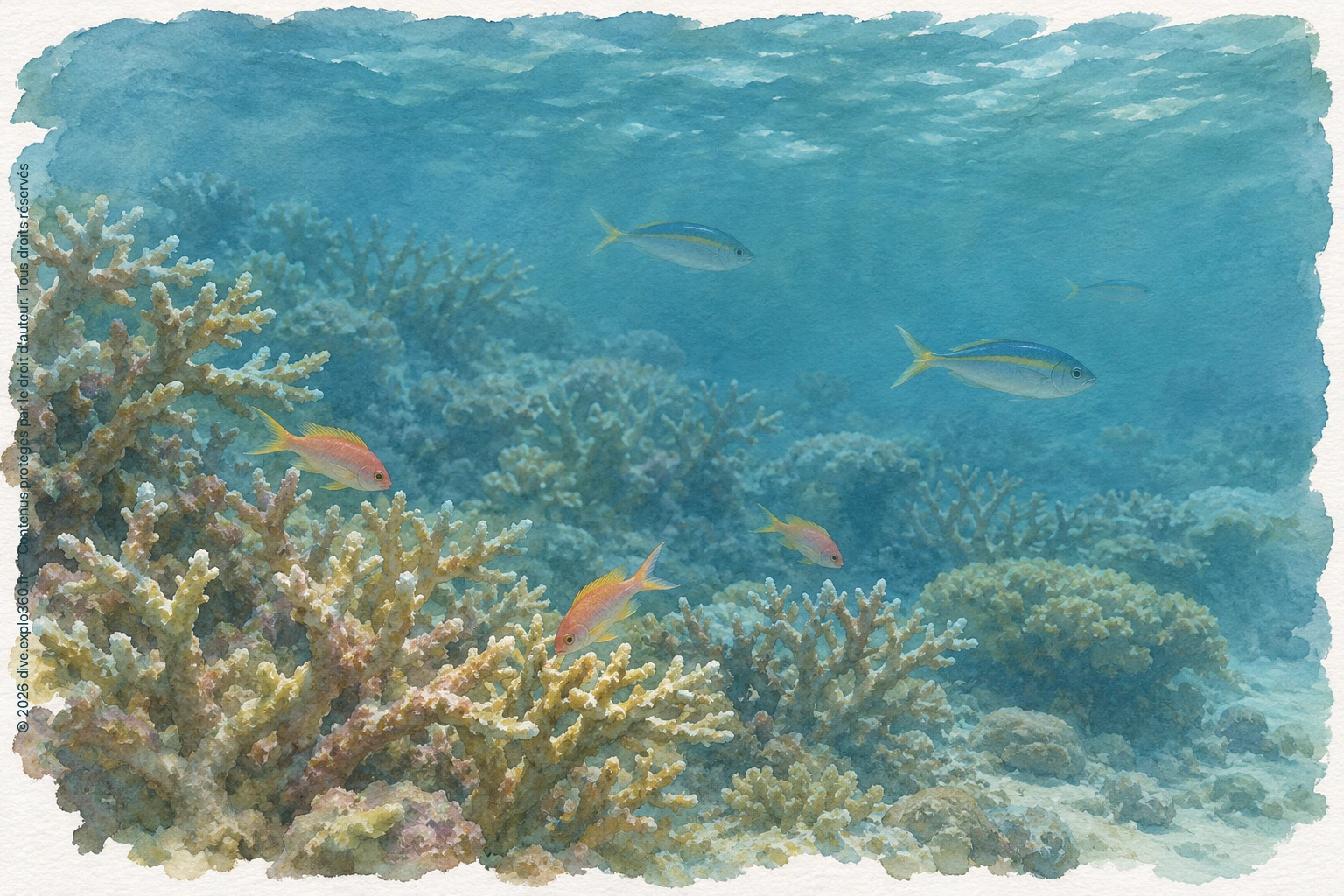
Small fish catch tiny animals carried towards them by the current.
Small fish catch planktonic prey carried by the current. © dive.explo360.fr — All rights reserved. Reproduction requires permission.

Predators arrive

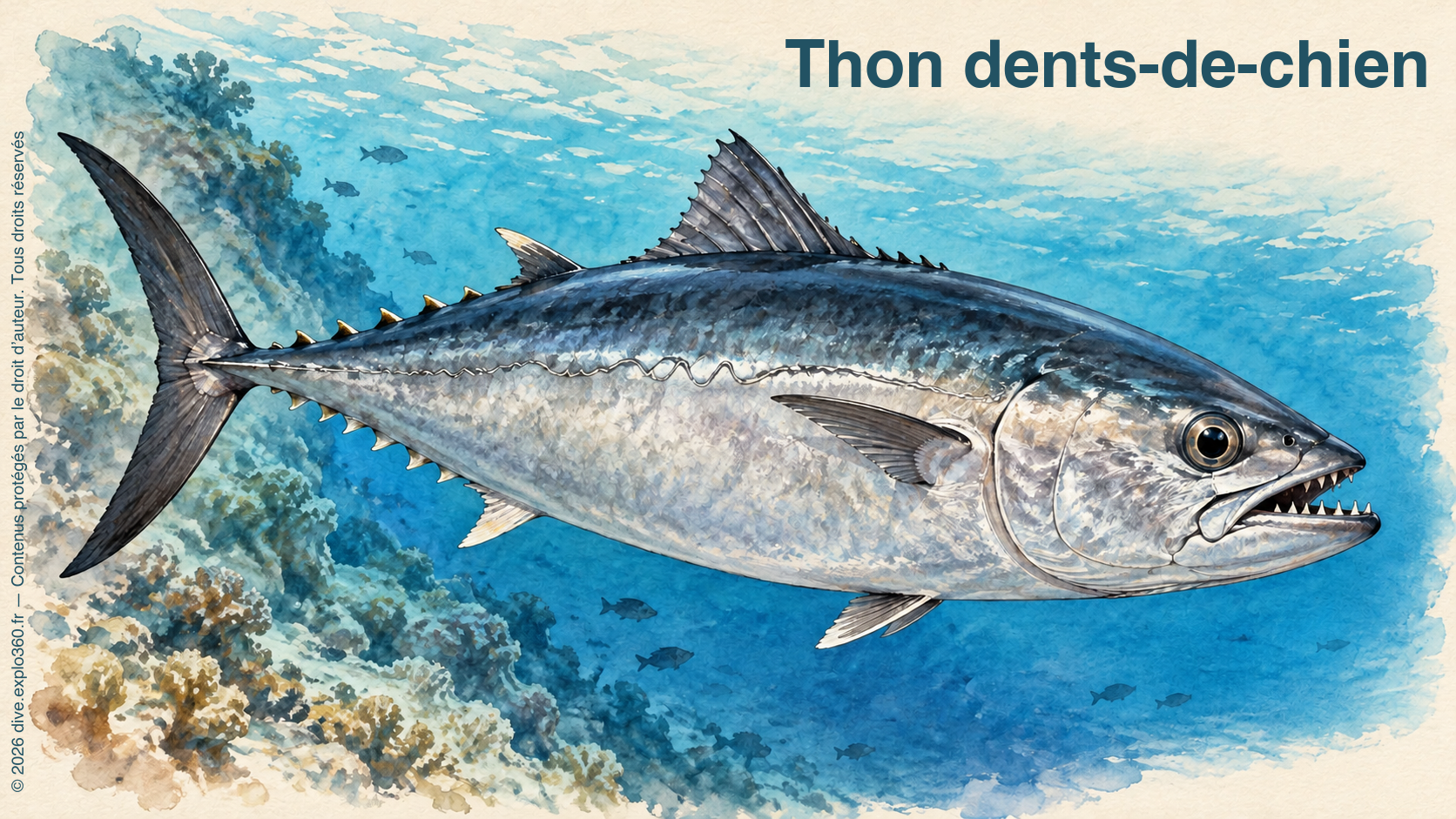
Bigger fish such as jacks can come to hunt the smaller fish when they gather in a school.
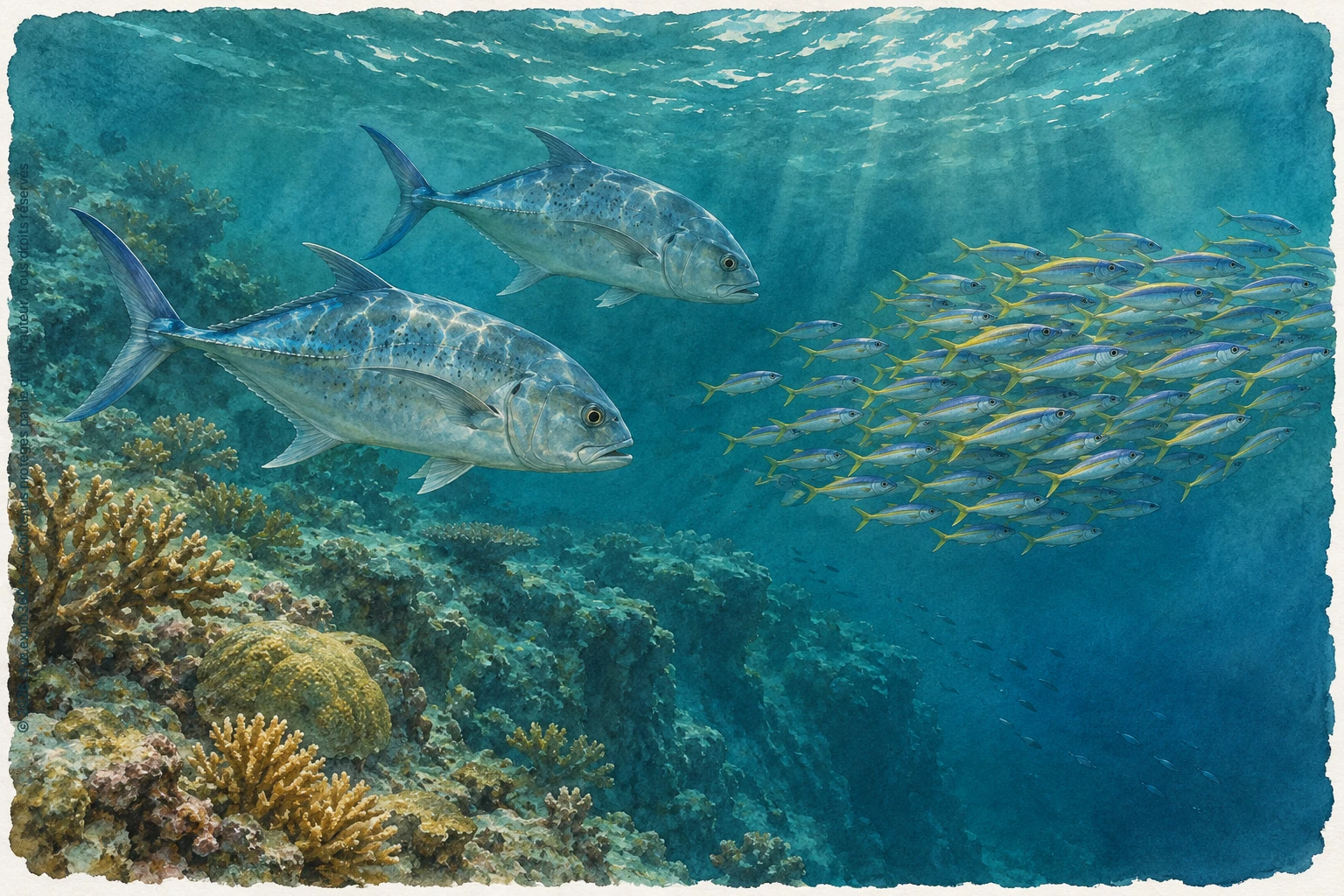
Jacks approach a school of small fish near the reef.
Jacks approach a school of small fish near the reef. © dive.explo360.fr — All rights reserved. Reproduction requires permission.
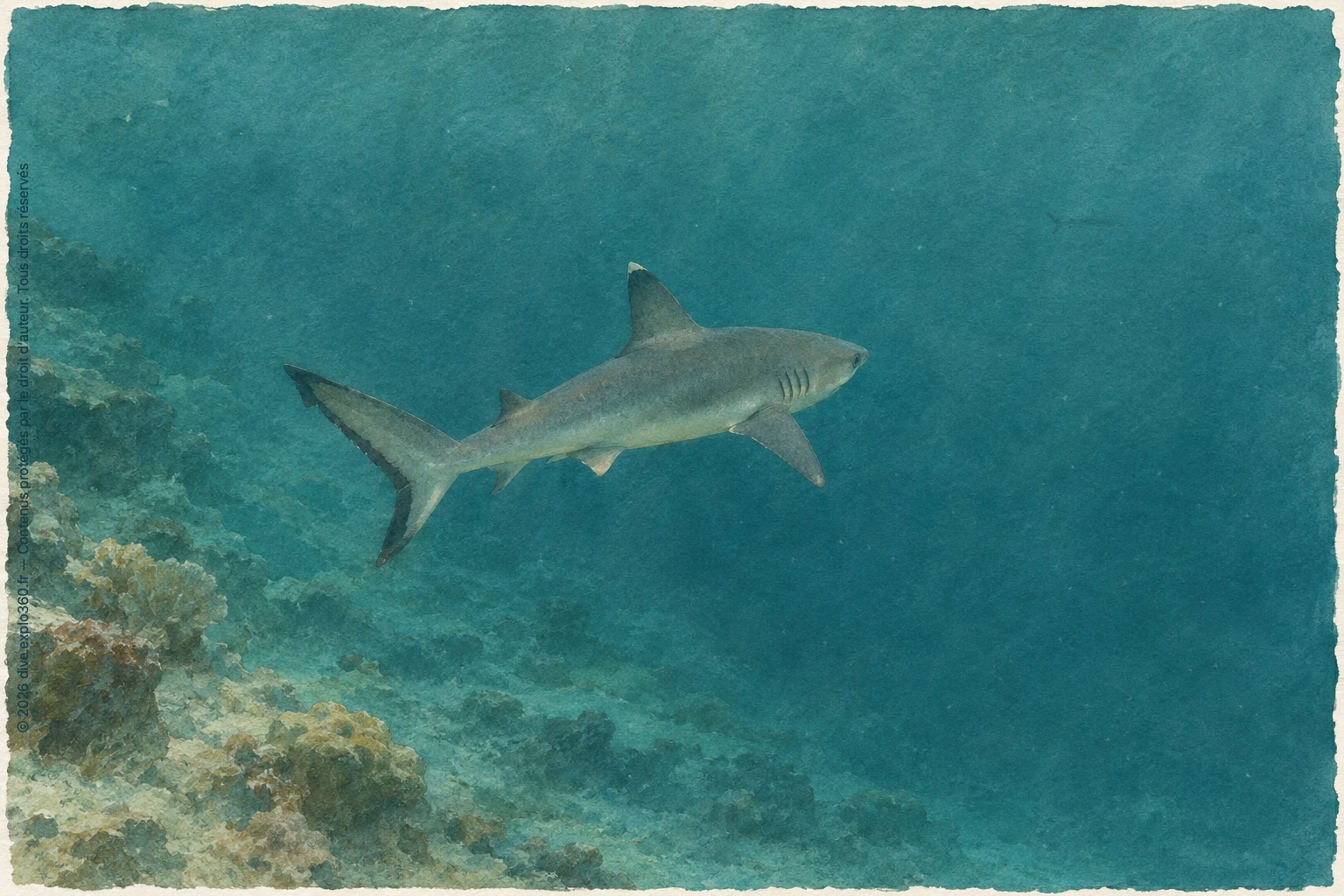
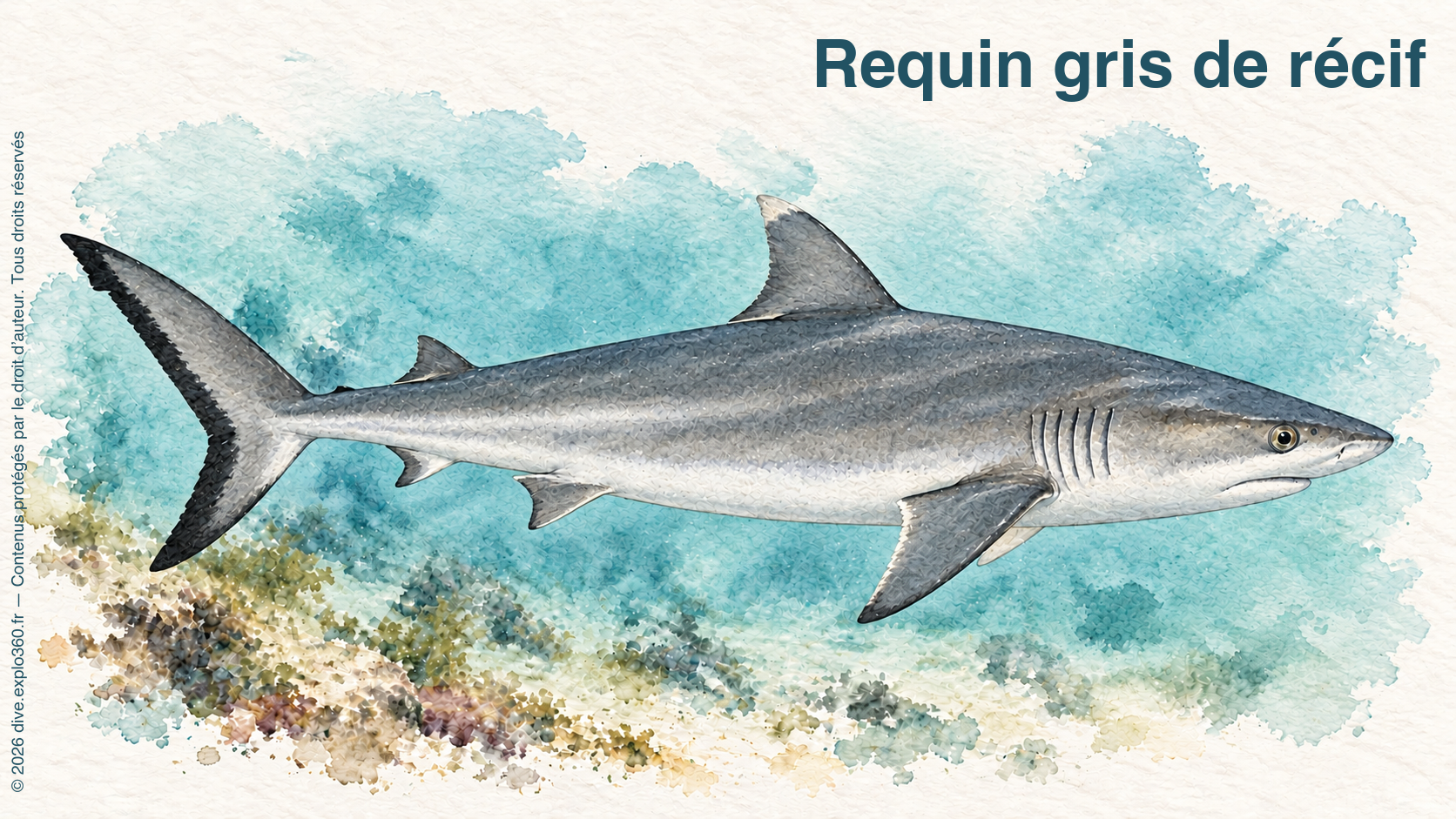
A grey reef shark can swim into the current and hold position near the drop-off.
By swimming into the current near the drop-off, a grey reef shark can stay in almost the same place relative to the reef. © dive.explo360.fr — All rights reserved. Reproduction requires permission.

A shark faces into the current

Think of walking up an escalator that is going down. A shark swimming into the current can keep moving while staying beside the same bit of reef.

Sharks that return

Some sharks come back to the same gap in the reef. Look closely and you might see young sharks swimming near the adults.

When the season changes

The wind changes direction with the seasons. The currents can change too, carrying food to a different part of the reef.
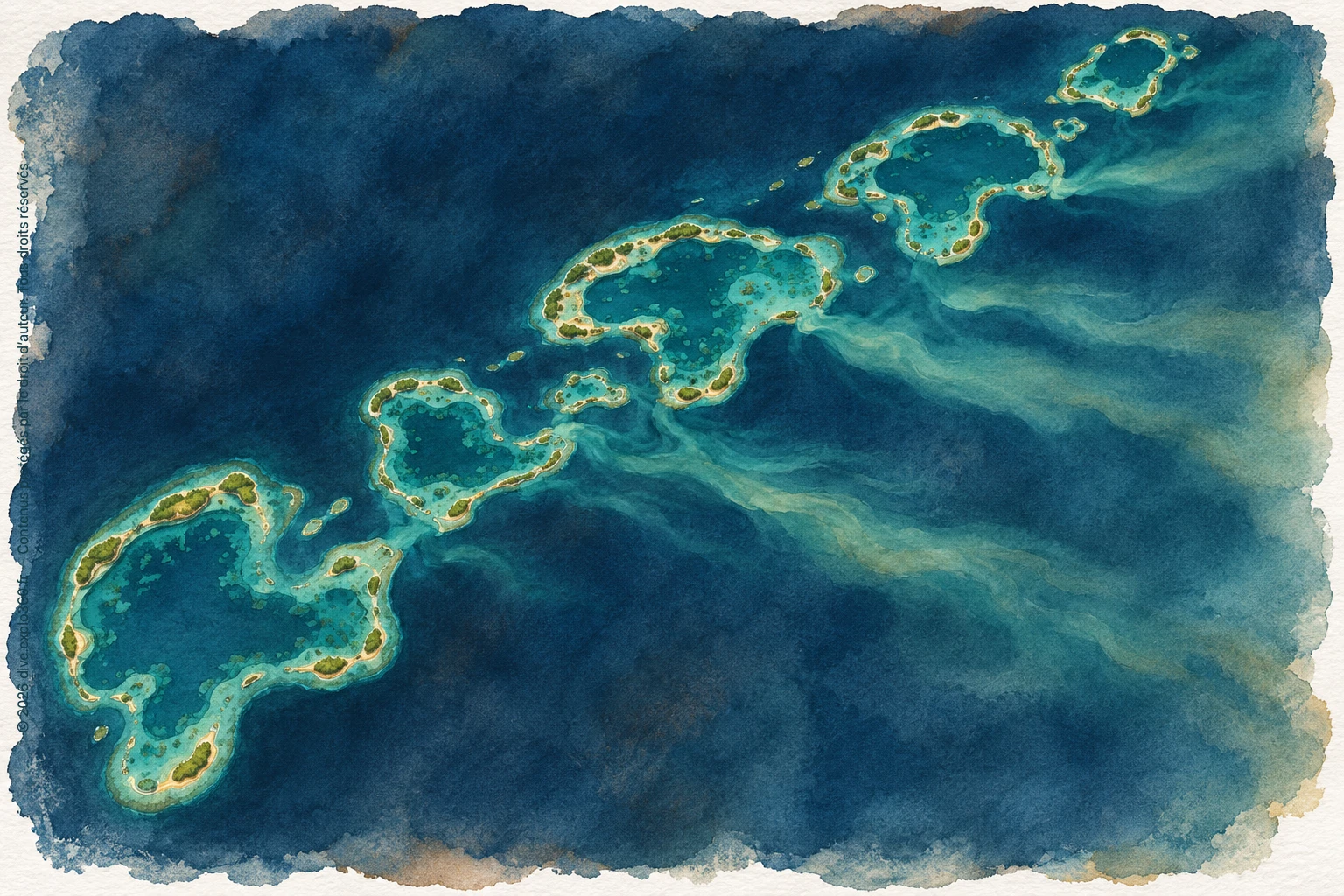
Conceptual view. Seasonal currents shift the areas where plankton can accumulate.
This diagram shows how seasonal winds can change the currents and shift where plankton builds up. © dive.explo360.fr — All rights reserved. Reproduction requires permission.

Why the manta opens its mouth

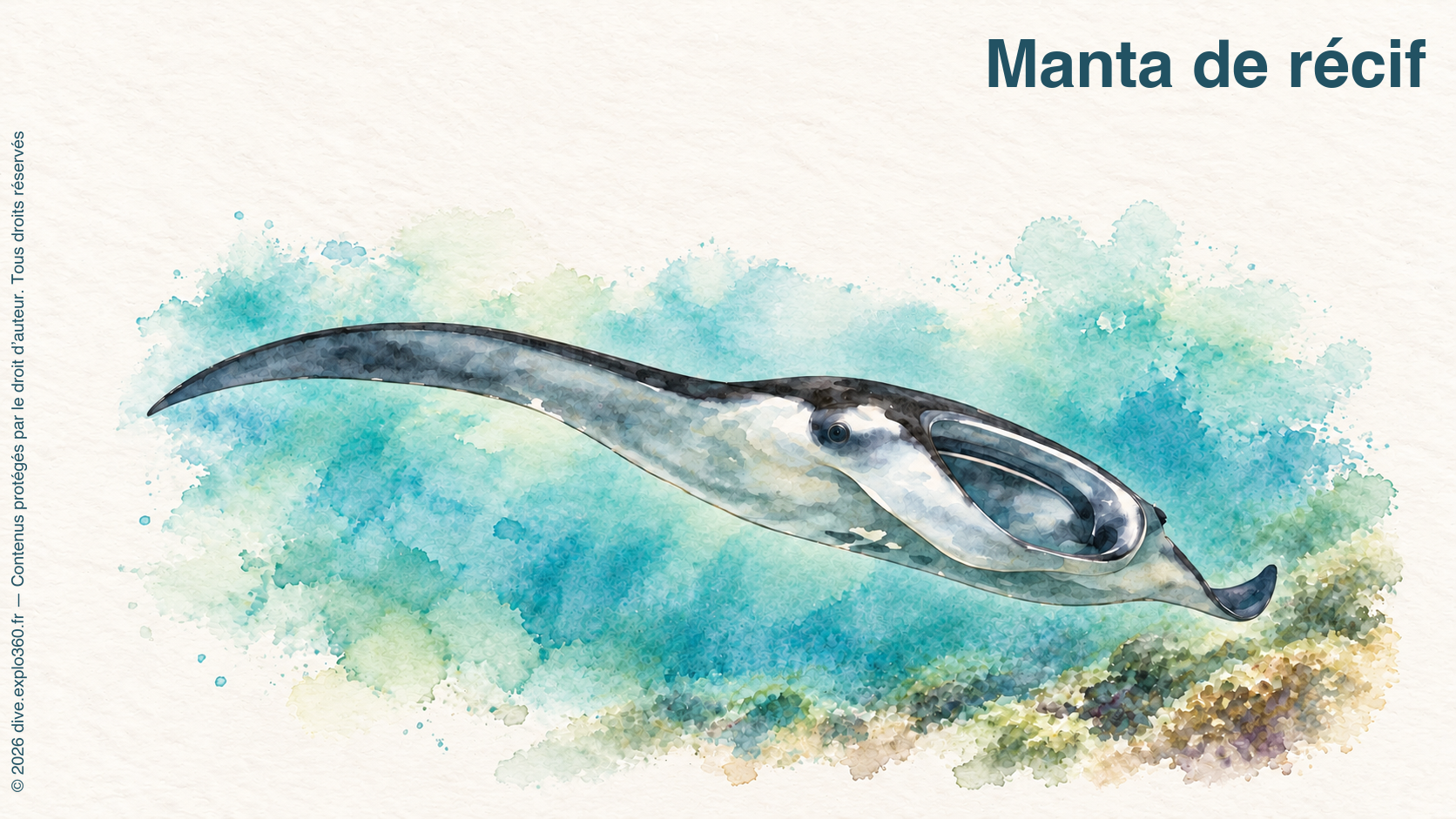
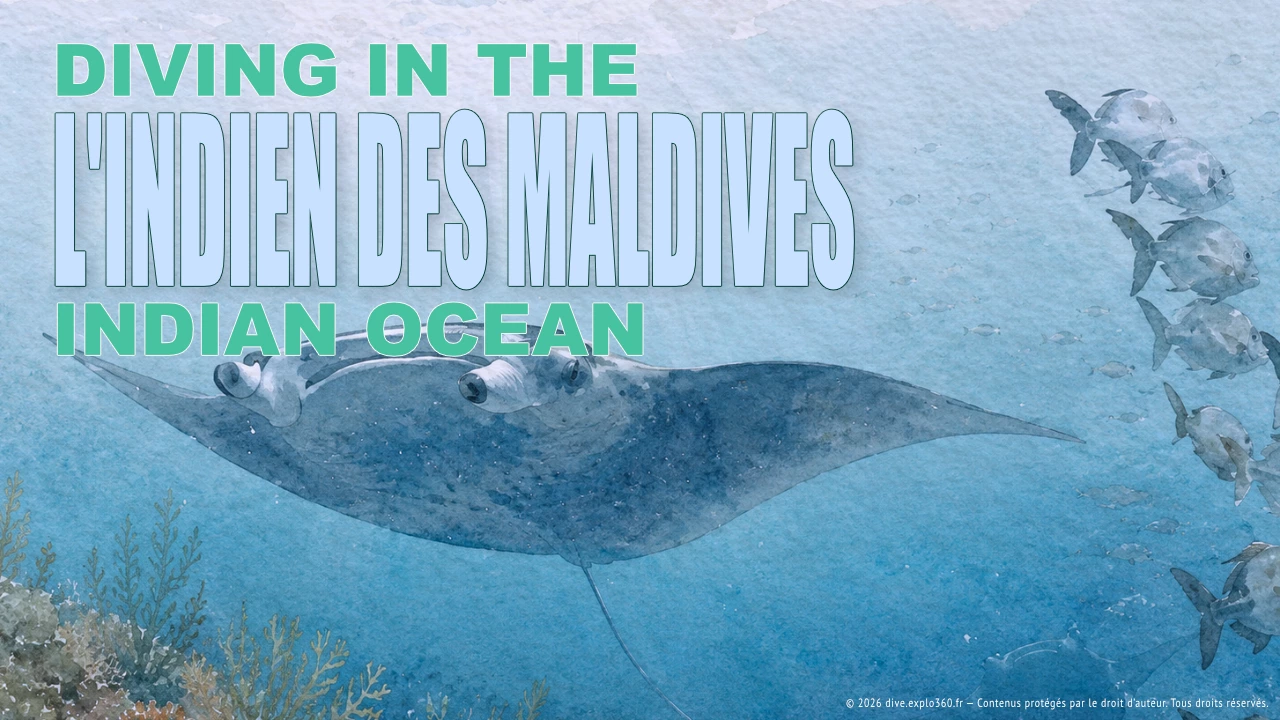
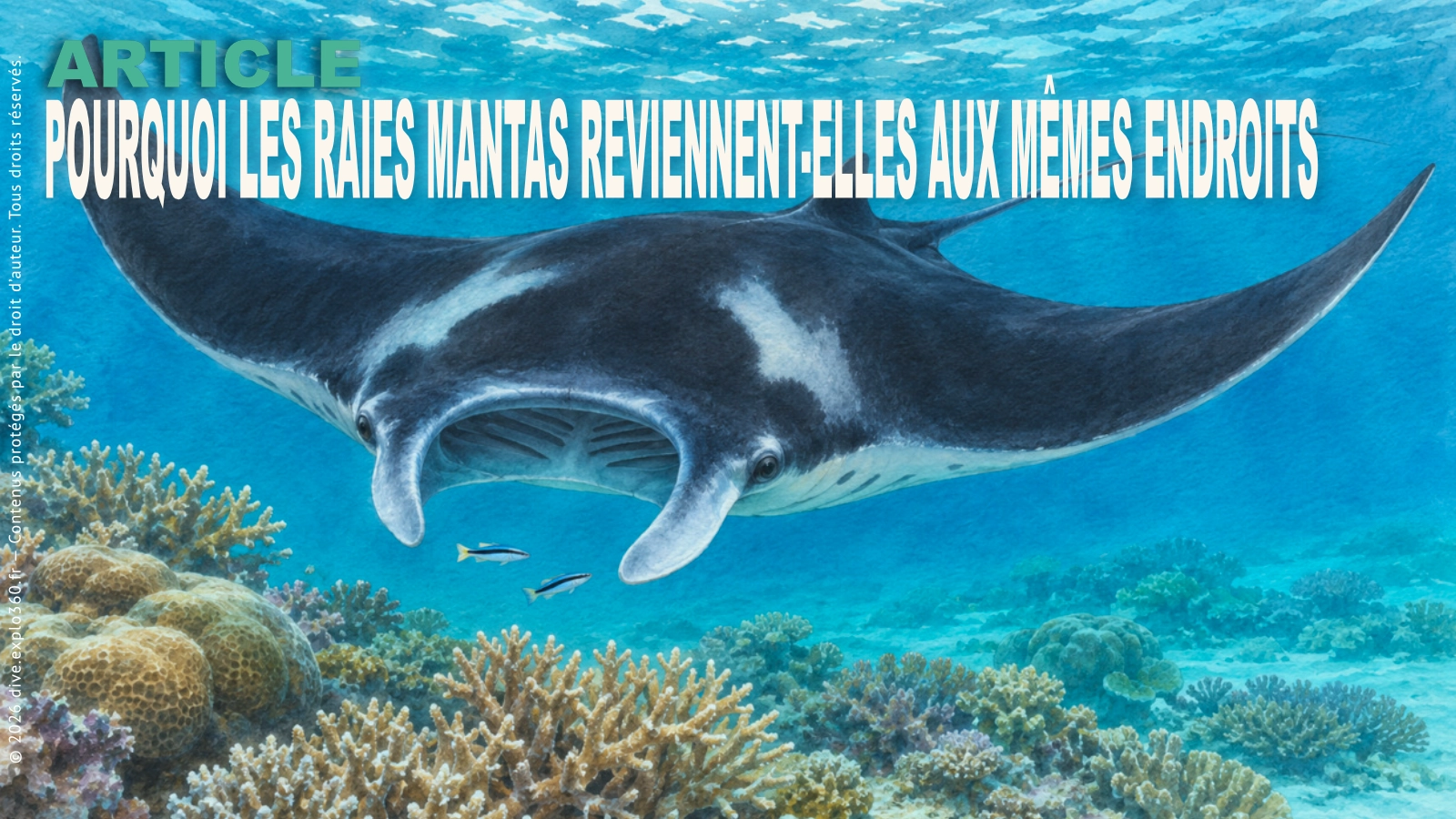
A manta ray opens its wide mouth as it swims. Water flows through, and the manta catches tiny animals in its filters.
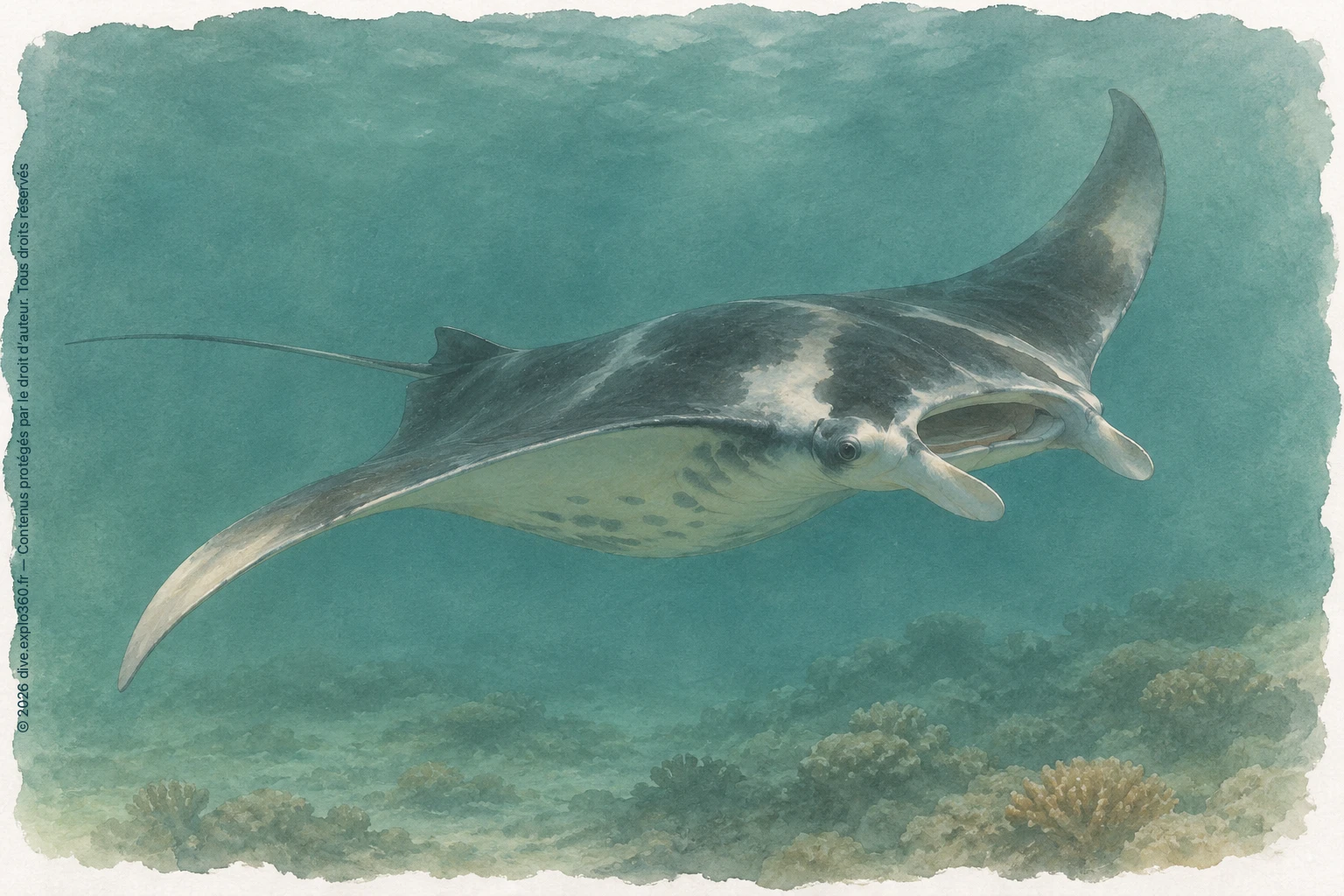
A reef manta filters zooplankton in an area where its prey is concentrated.
Where currents concentrate zooplankton, a reef manta can swim with its mouth open and filter its prey from the water. © dive.explo360.fr — All rights reserved. Reproduction requires permission.

A feast in Hanifaru Bay

At Hanifaru Bay, the water can swirl and bring lots of tiny animals together. Mantas come to swim through these patches and feed.

A school can gather for other reasons

Fish can gather to have young or stay safer in a group. Watch how they swim to see what they are doing.
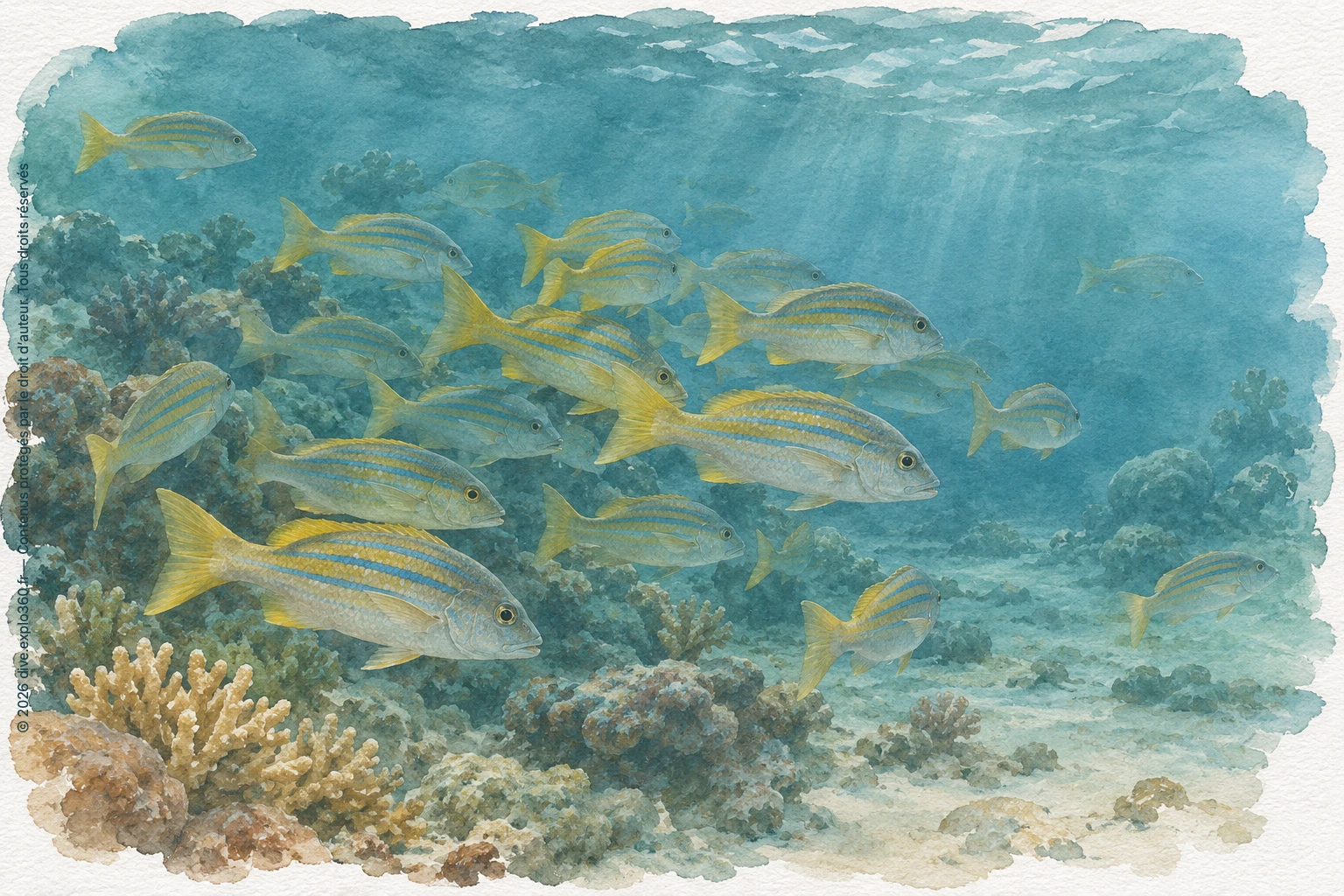
Snappers school above the reef. The school alone does not reveal why they gathered.
Snappers swim together above the reef. You would need more clues to tell why they gathered. © dive.explo360.fr — All rights reserved. Reproduction requires permission.

Why the channel may look empty

If the current changes, it can carry the tiny drifting animals to a different spot. Fish may follow their food.
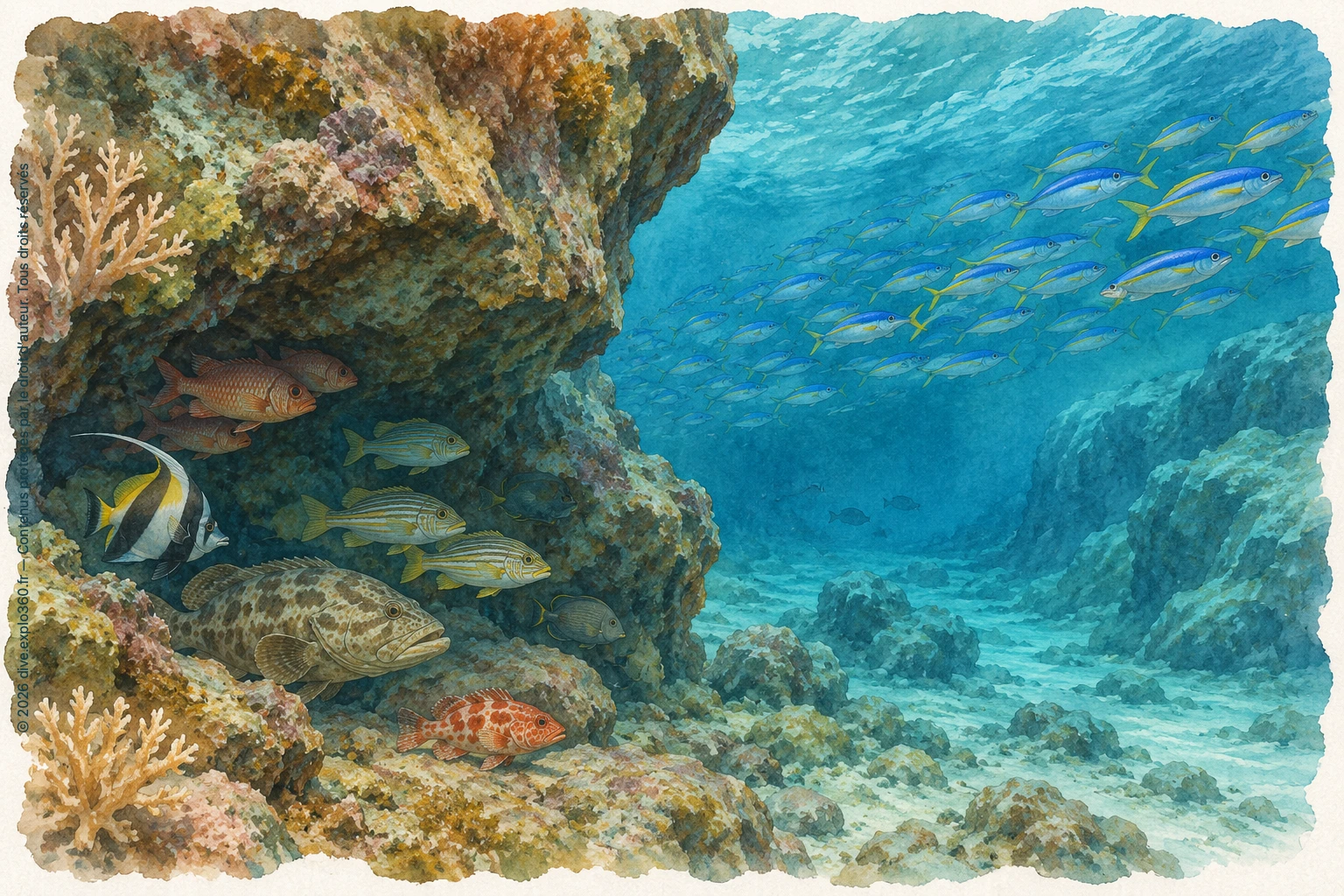
Fish find a pocket of potentially weaker flow behind the reef outcrop.
Behind a part of the reef that sticks out, fish may find a spot where the current is weaker. © dive.explo360.fr — All rights reserved. Reproduction requires permission.

What a single dive shows

On one dive you might see a school of small fish. Come back later and it may have moved to another part of the reef.

Interactive quiz

Test what you know

5 question(s) to test your knowledge.

Conclusion — Currents shift the gatherings

The current brings tiny animals for small fish and mantas to eat. Bigger fish may follow the schools of small fish. When the water changes direction, the animals can move to a new spot.

Scientific references

De Falco, C., Bracco, A., Desbiolles, F. & Pasquero, C. (2024). Kilometer-scale ocean processes behind the variability of the Island Mass Effect in the Maldives. Scientific Reports, 14, 17568. Modélisation des mélanges verticaux, des remontées d'eaux enrichies en nutriments et des variations saisonnières de productivité autour des Maldives.doi.orgAnderson, R. C., Adam, M. S. & Goes, J. I. (2011). From monsoons to mantas: seasonal distribution of Manta alfredi in the Maldives. Fisheries Oceanography. Répartition saisonnière des mantas, inversion des courants de mousson et concentration des ressources alimentaires.doi.orgEnvironmental drivers of reef manta ray (Mobula alfredi) visitation patterns to key aggregation habitats in the Maldives (2021). Étude des facteurs environnementaux associés à la fréquentation des zones de nourrissage et des stations de nettoyage.pmc.ncbi.nlm.nih.govReef manta rays forage on tidally driven, high density zooplankton patches in Hanifaru Bay, Maldives (2021). Mesures des concentrations de zooplancton exploitées par les mantas et relations avec les conditions de marée.pmc.ncbi.nlm.nih.govTidally driven topographic eddies exploited by manta feeding aggregations (2026). Estuarine, Coastal and Shelf Science, 336, 109854. Modélisation des tourbillons formés dans Hanifaru Bay et de leur capacité à retenir des particules pendant les périodes de rassemblement des mantas.doi.orgInsights into the structure of grey reef shark aggregation, Carcharhinus amblyrhynchos (Bleeker, 1856), in two distinct channels of the Maldivian archipelago, Indian Ocean (2026). Journal of Fish Biology. Observations des rassemblements de requins gris à Miyaru Kandu et Villingili Kandu, variations selon les courants, présence de jeunes individus, comportements alimentaires et stations de nettoyage.doi.orgTemporal and spatial drivers of elasmobranch diversity and relative abundance in Lhaviyani Atoll, Central Maldives (2026). Frontiers in Marine Science. Variations spatiales et saisonnières des observations de requins et de raies dans l'atoll de Lhaviyani.doi.orgReef Check Foundation (2008). Maldives Reef Survey, June 13–30, 2008. Rapport de terrain décrivant les récifs externes, les passes et les différences de relief et de circulation entre habitats.www.reefcheck.orgImportant Shark and Ray Areas (ISRA). Hanifaru Bay & Anga Faru. Synthèse des données d'identification individuelle, des rassemblements alimentaires de mantas et des observations de requins-baleines dans l'atoll de Baa.sharkrayareas.org