The worm that wasn’t
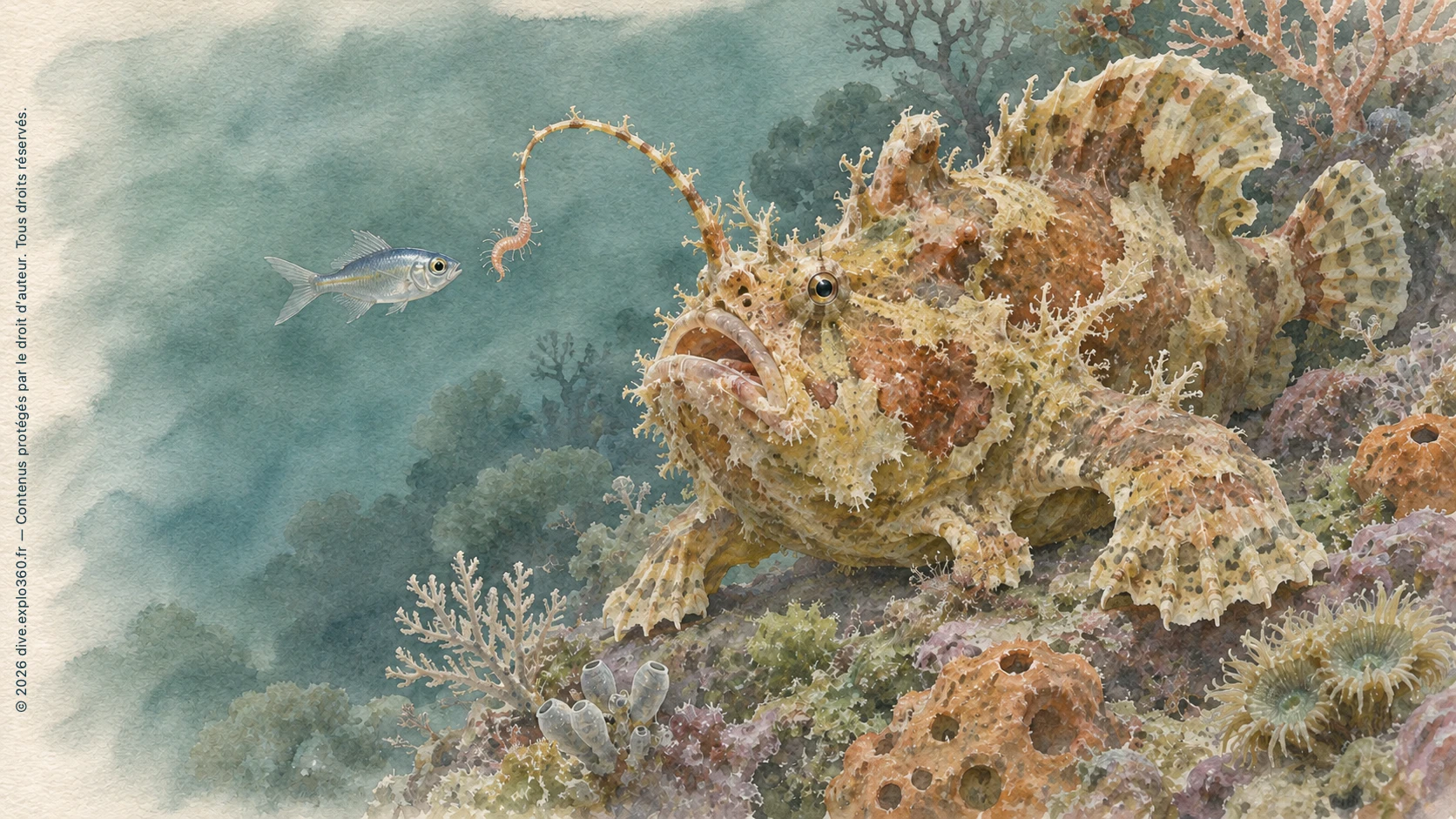
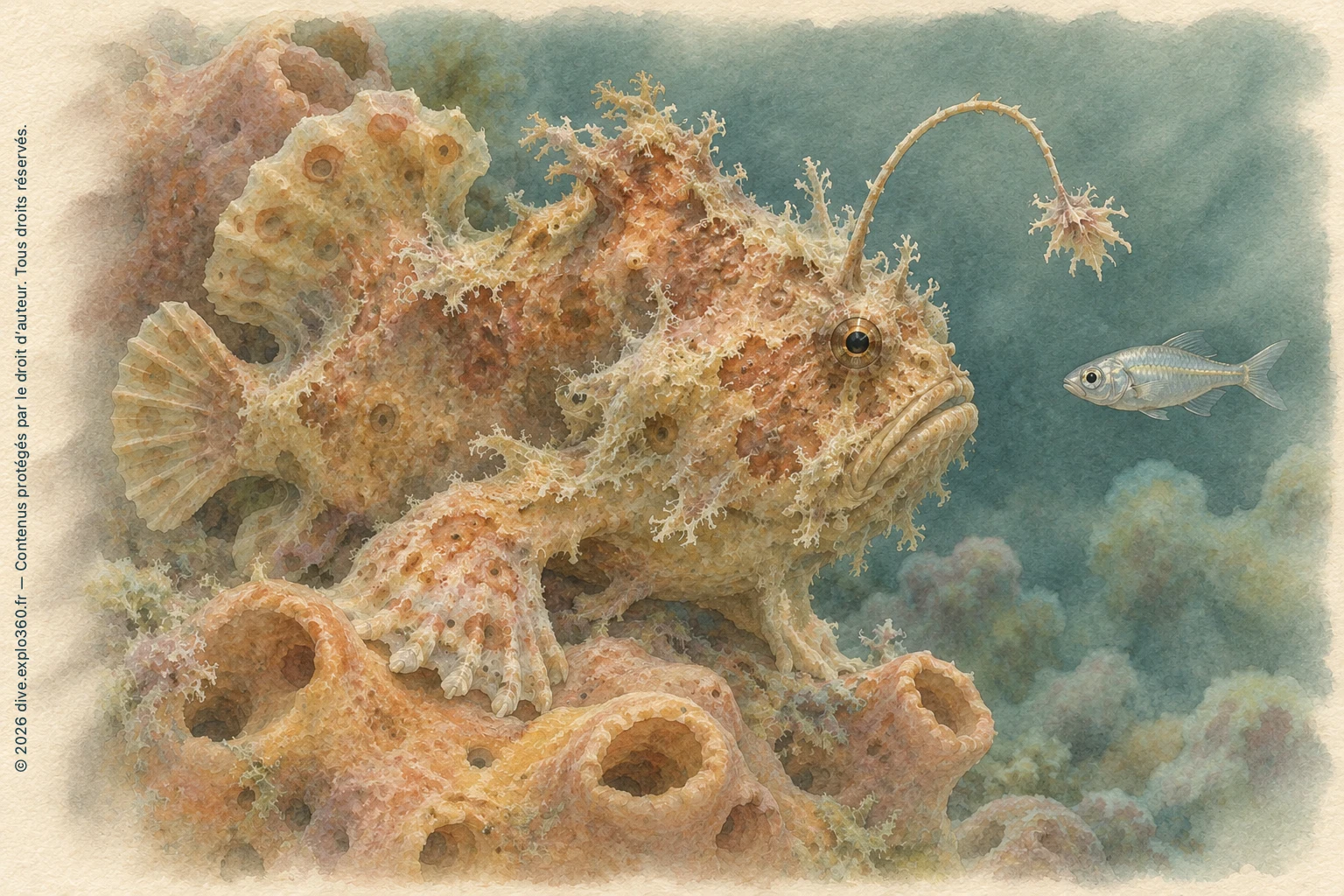
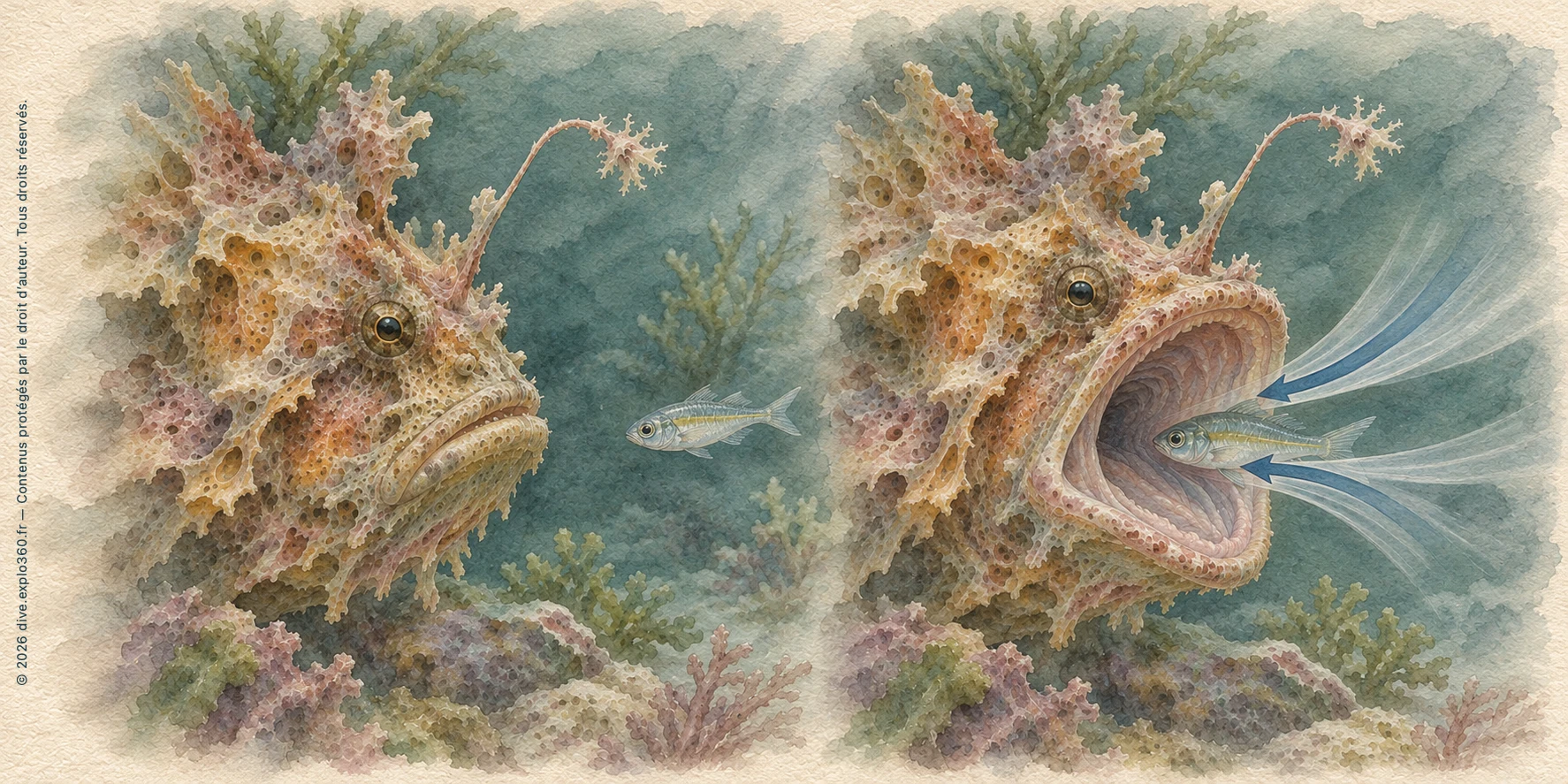
A small fish exploring a crack spots a moving filament. The frogfish keeps still as the lure draws the fish closer. Then its mouth opens and water sweeps the smaller fish in.
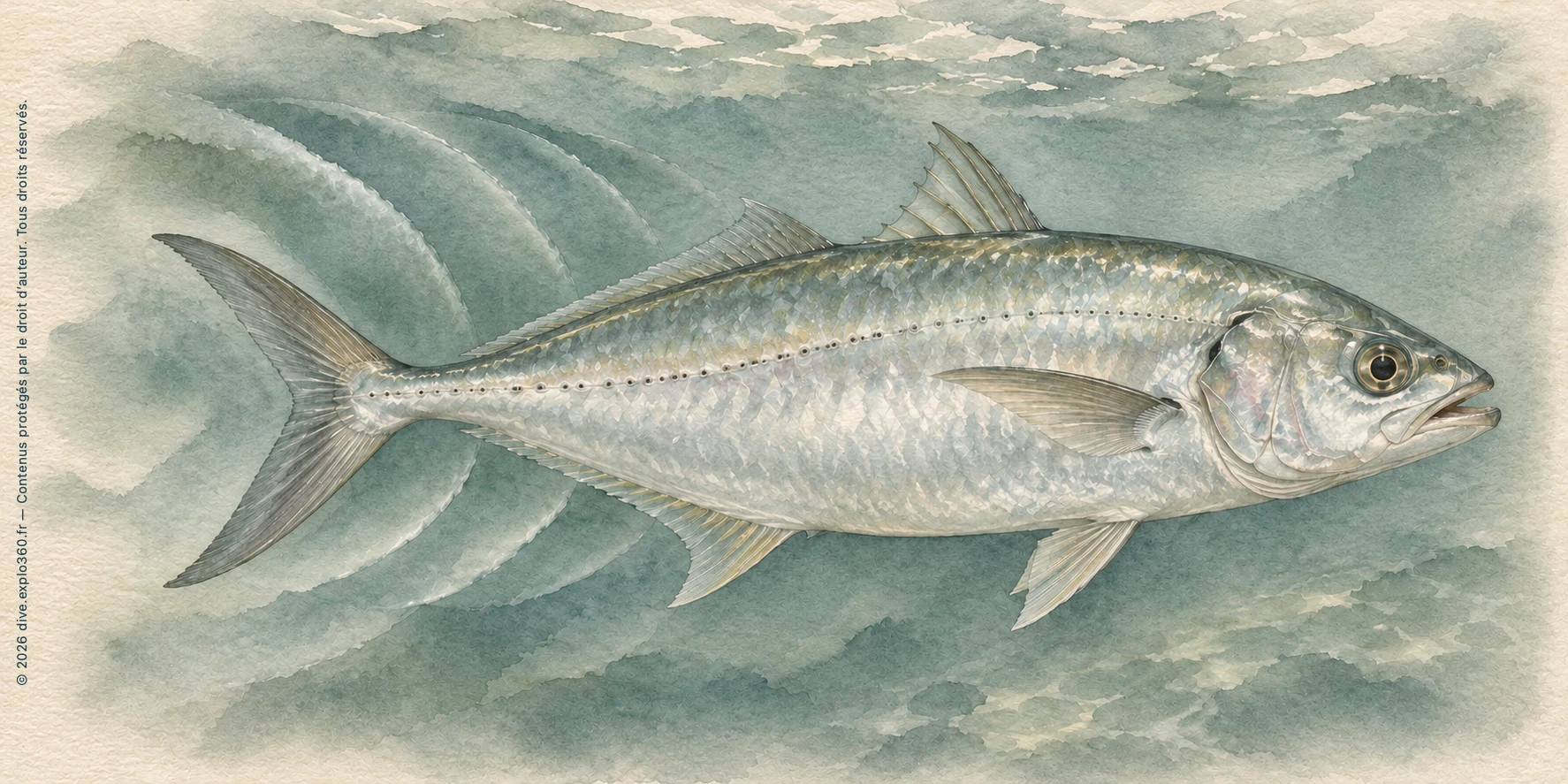
Prey can sense danger
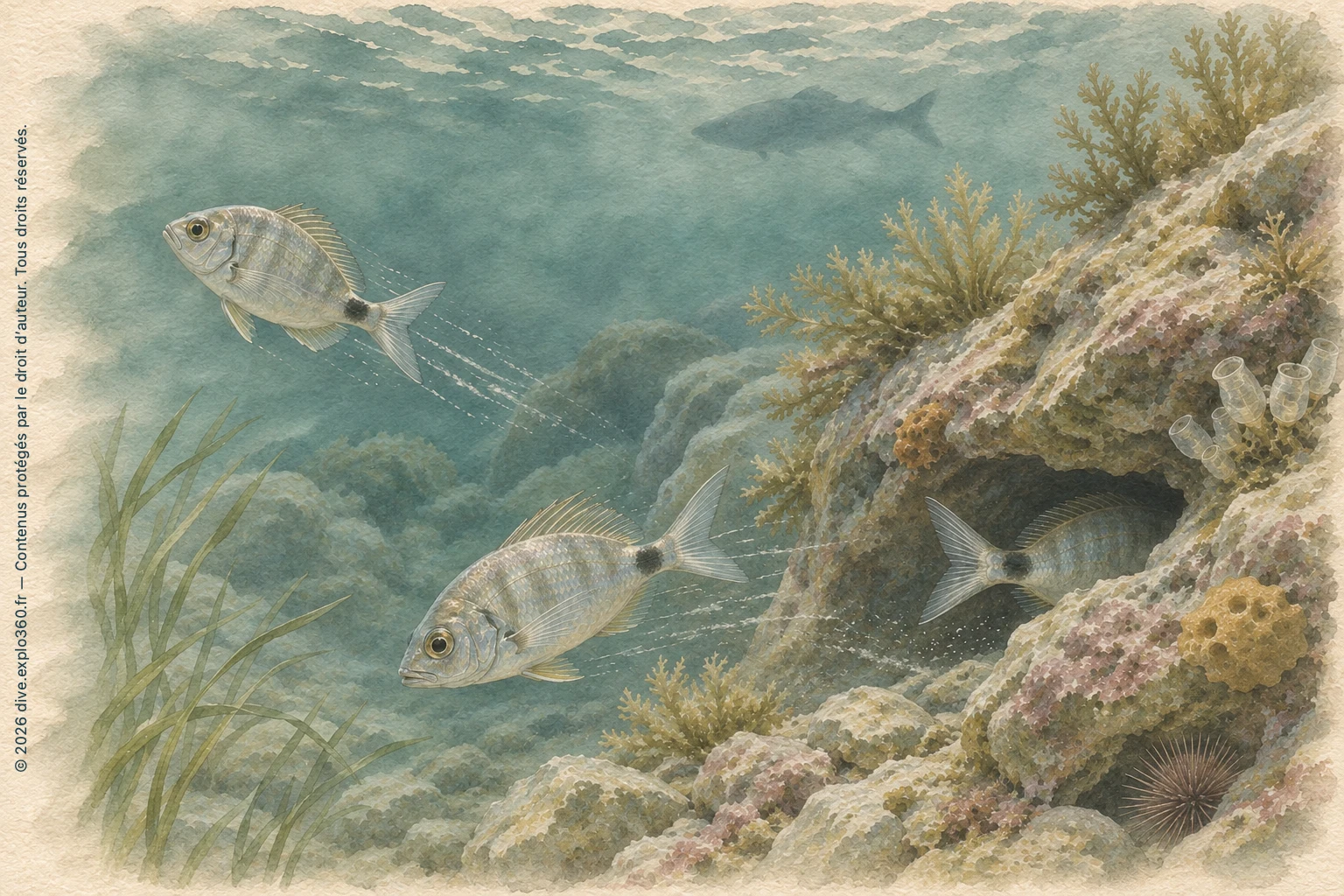
A swimming predator sets the water around it in motion. A fish can pick up some of those movements with sensors along its body called the lateral line. That can give it a clue even in murky water, where a shape is harder to see.
When the mouth draws water in
The lure brings the fish close. Then the frogfish opens its mouth so quickly that the pressure inside drops. Water rushes in. Follow the arrows to see how that flow can sweep the prey along.
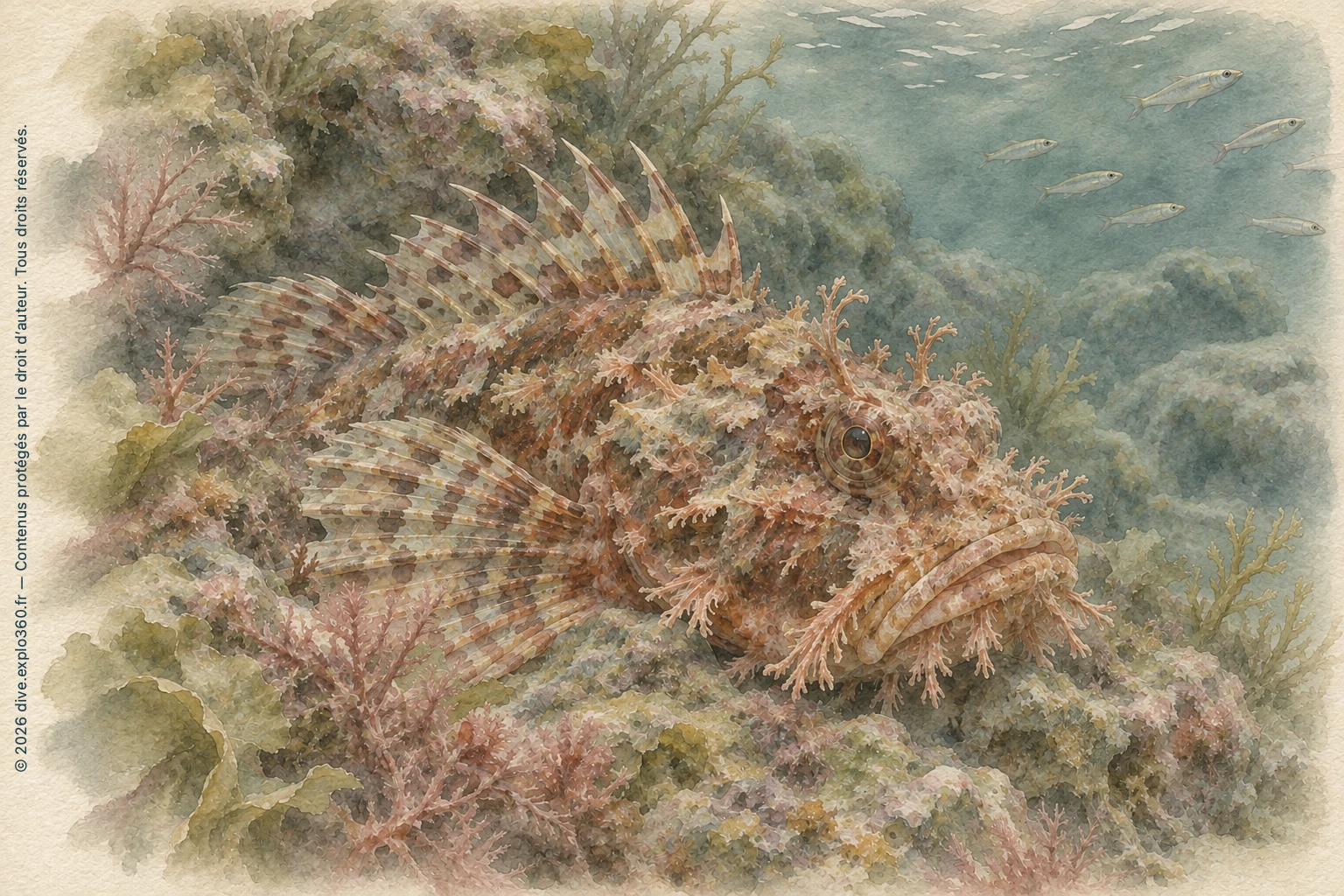
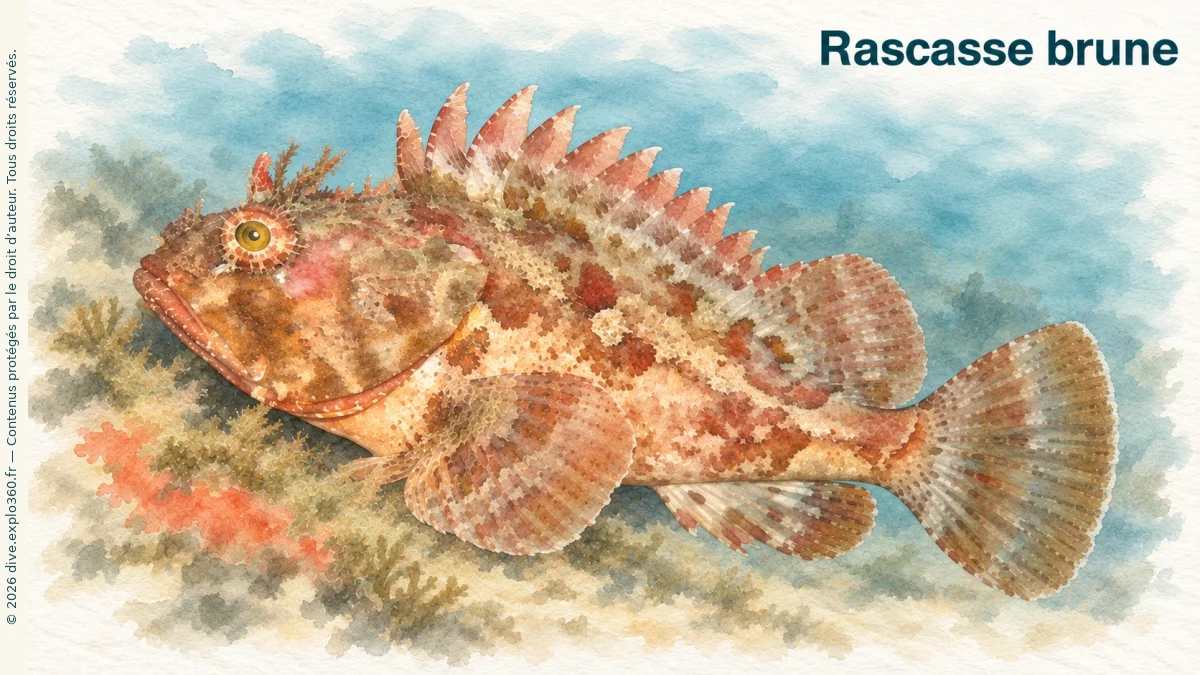
A scorpionfish blends into the seabed
On rocky ground, a scorpionfish’s camouflage delays detection. It stays put and attacks when prey passes close enough. Its venomous spines mostly deter animals that might eat it.
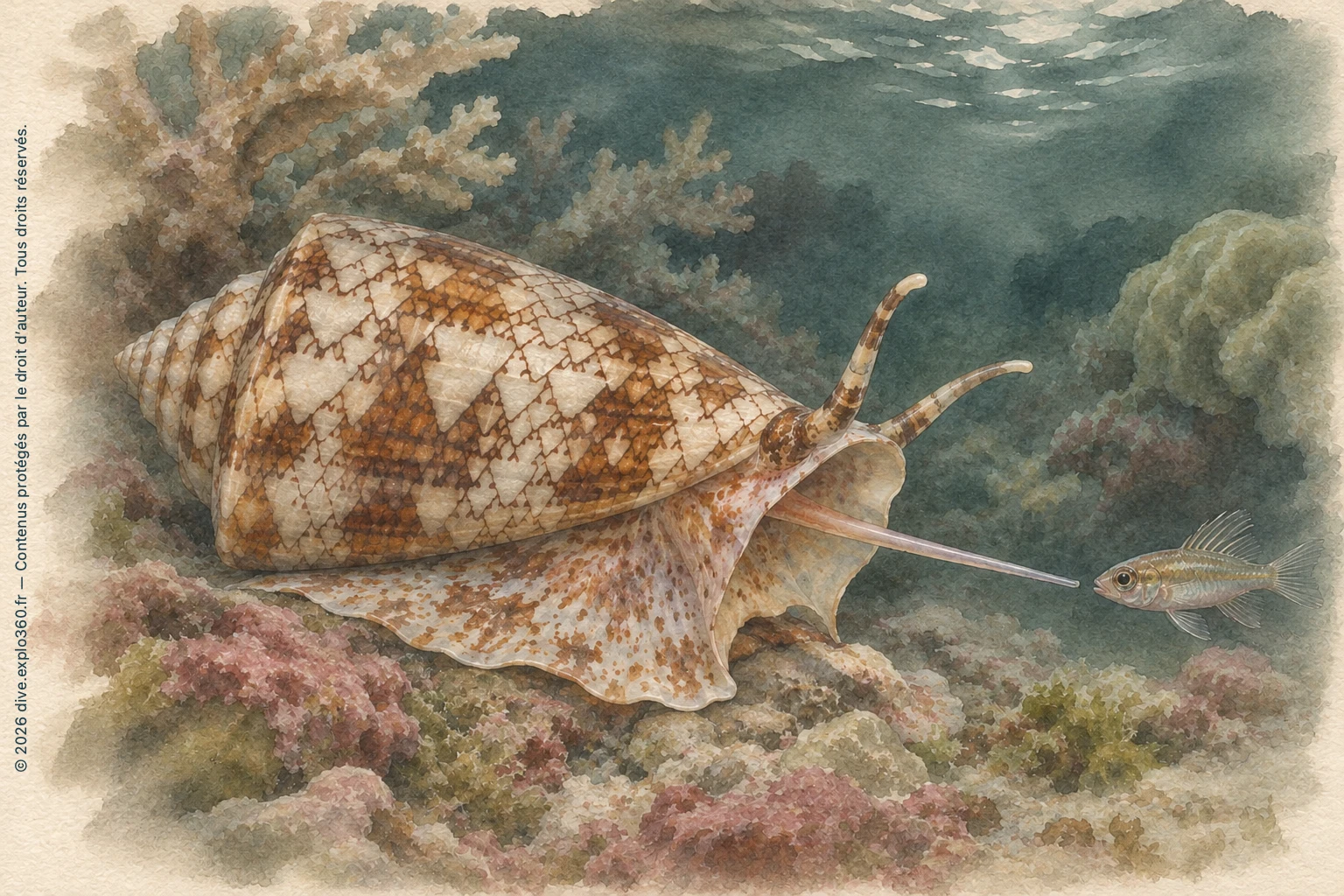
The geography cone changes the odds
Some fish-eating cone snails can inject venom with a modified tooth. The geography cone can also engulf small fish with its mouth. Research suggests that some molecules in its venom may slow the fish down and make them easier to catch.
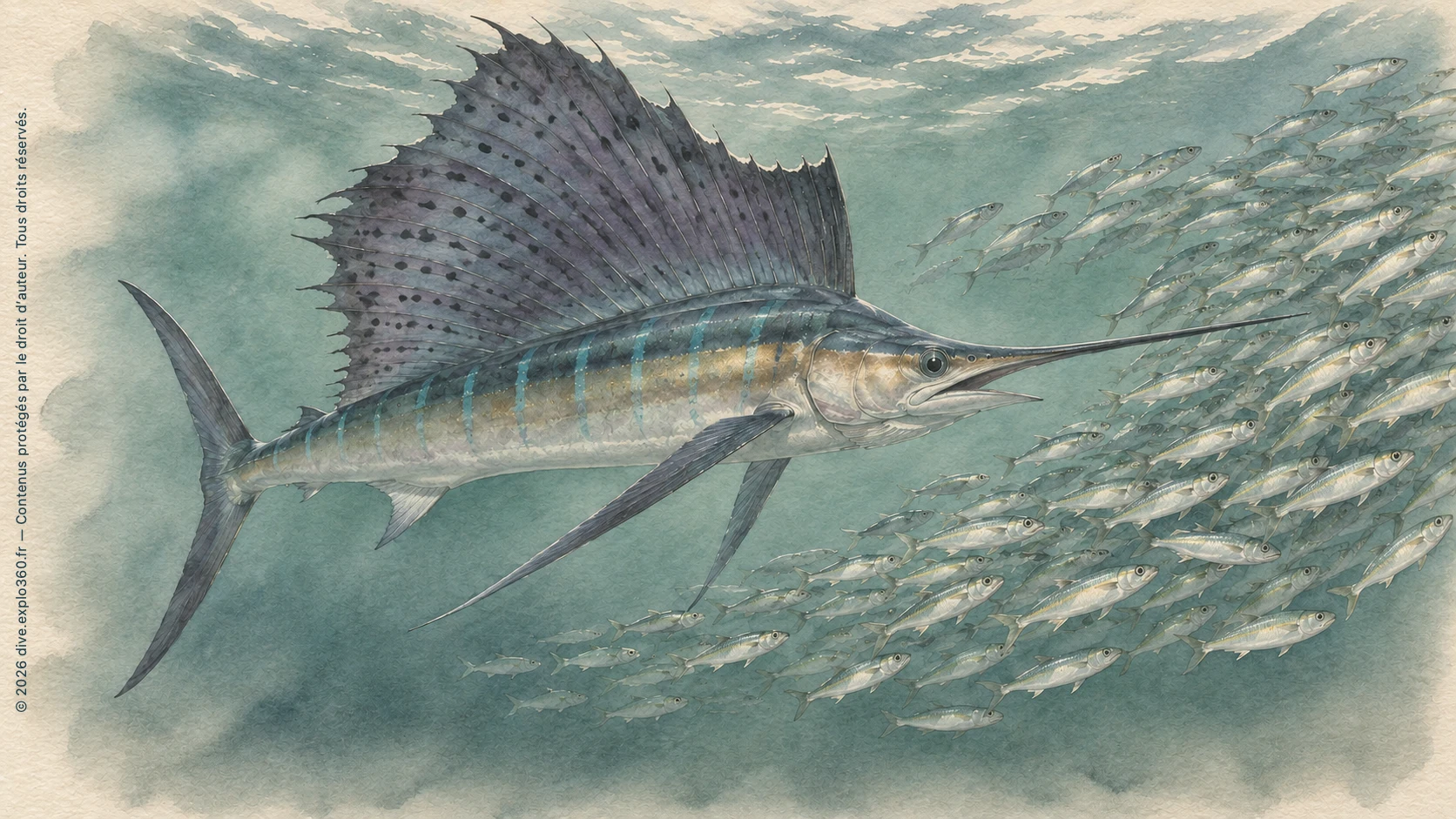
A sailfish strikes into the school
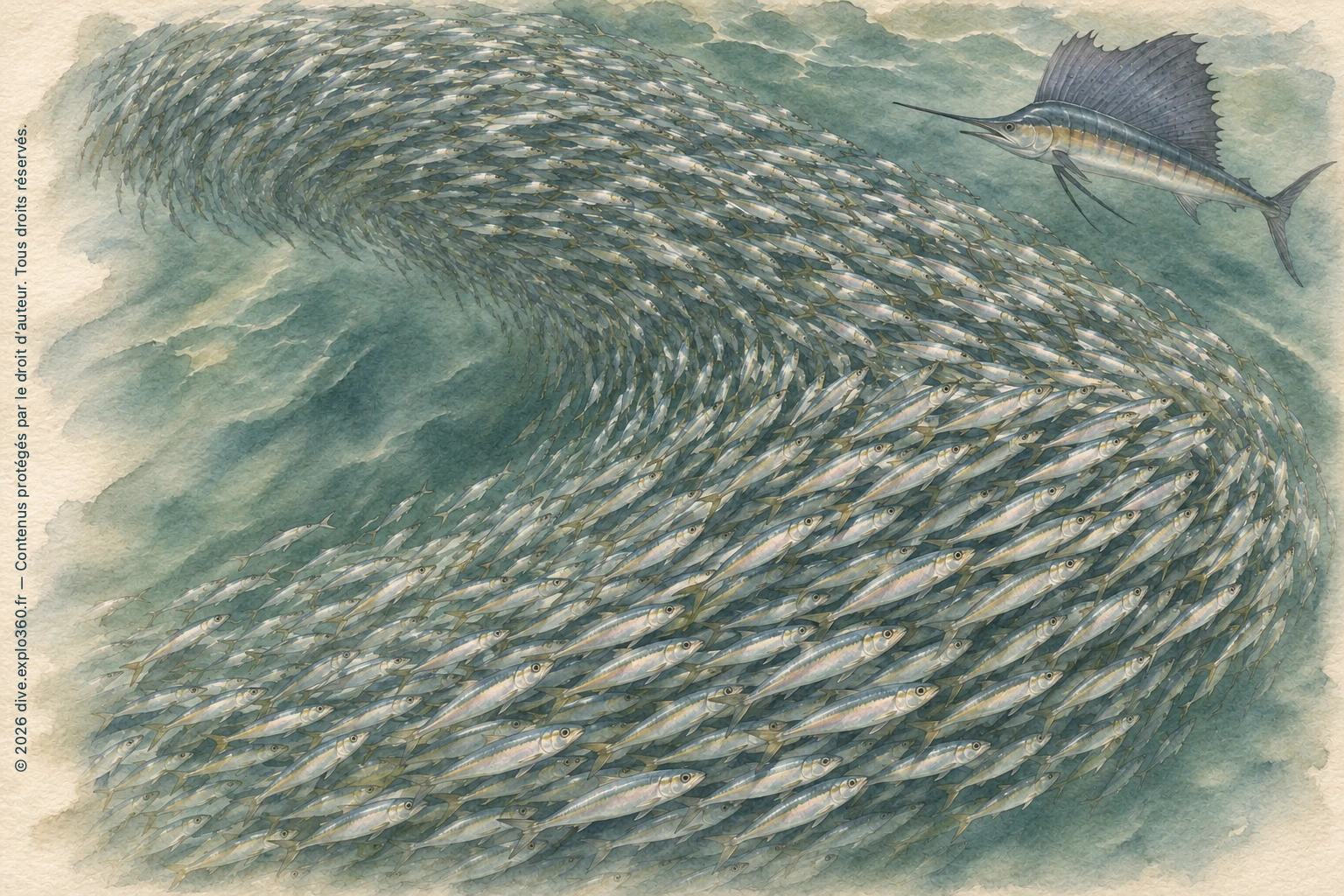
A school of sardines can turn almost as one because each fish responds to its neighbours. A sailfish can slip its bill among them before they scatter, then sweep it sideways or tap a single fish. When several sailfish take turns, injuries from one strike can make later catches easier.
A school on the move
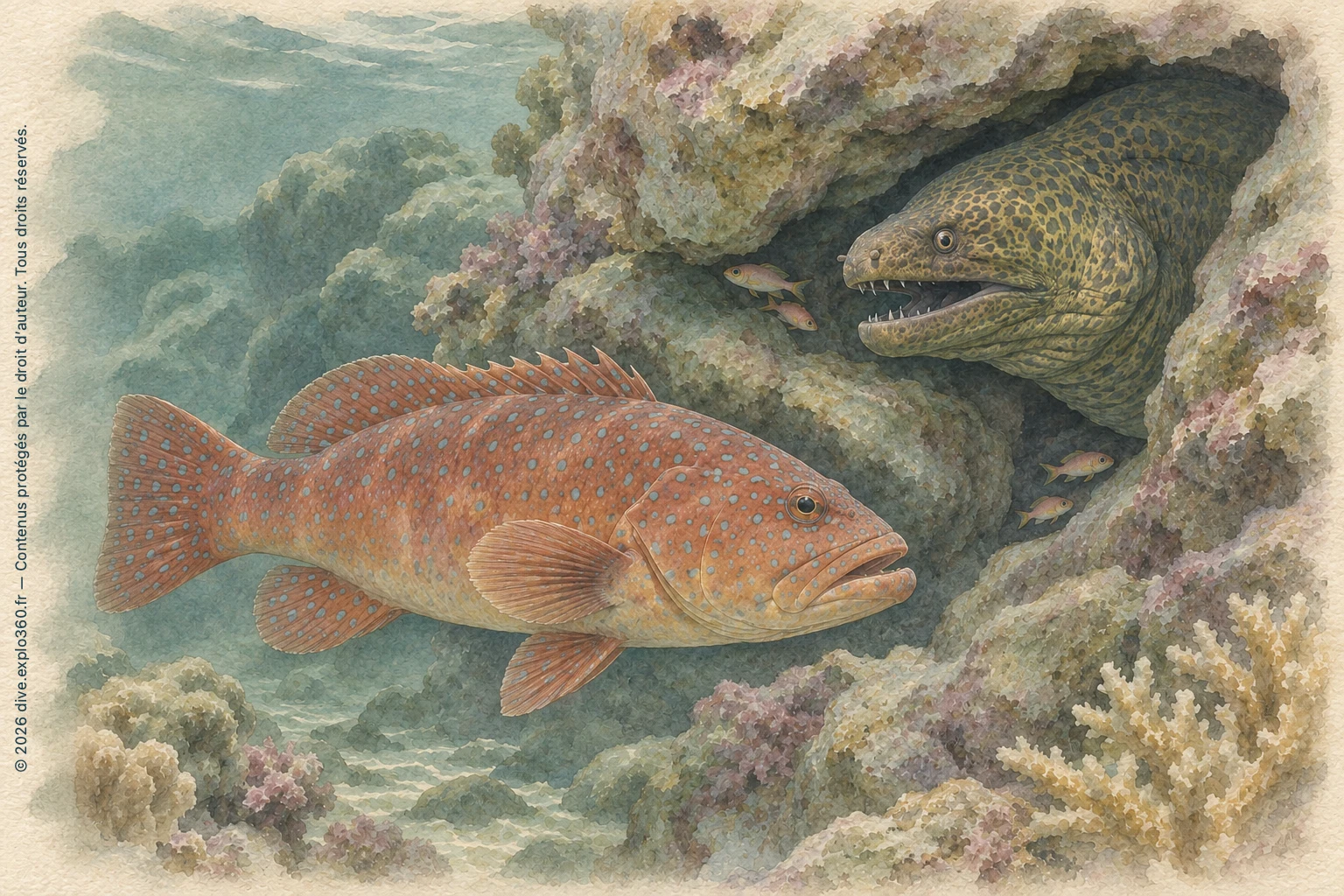
A grouper and a moray hunt together
In the Red Sea, researchers watched a grouper signal to a moray with head movements. The moray can follow a fish into hiding. The grouper can intercept it in open water. Try describing what each partner brings to the hunt.
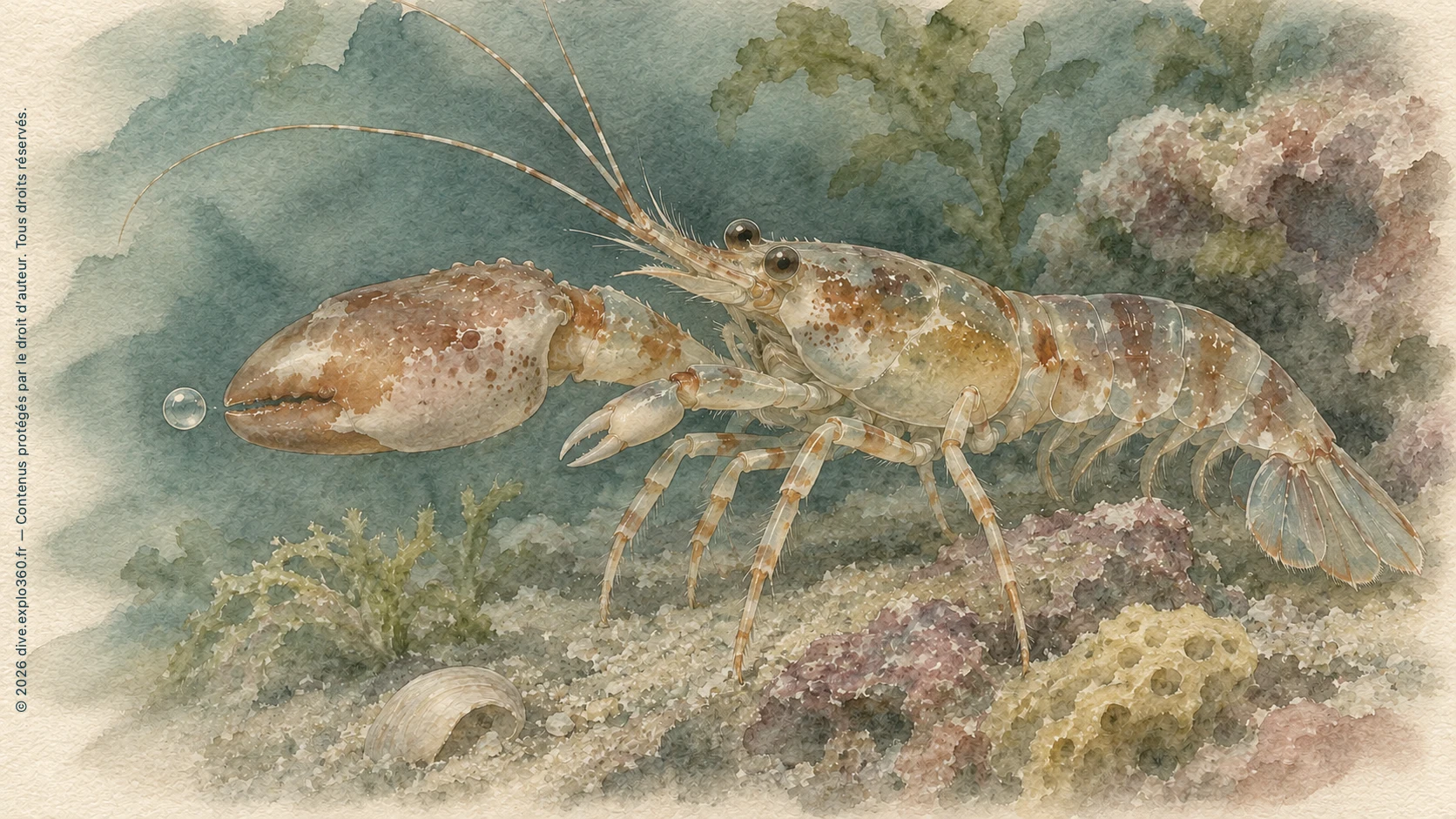
The snapping shrimp’s snap
The shrimp’s large claw sends out a jet of water. The pressure drops and a vapour bubble forms. When researchers matched the sound recordings to high-speed footage, the snap came at the moment the bubble collapsed.
The moment the hunt turns
Camouflage can let a hunter get closer before it is seen. A fish that senses the water move may still have time to turn away. In an ambush, the distance between them can decide which advantage matters.
Interactive quiz
Test what you learned
5 question(s) to test your knowledge.
Interactive quiz
Test what you learned
Question 1 out of 5Score: 0
Why must the prey come close to the lure?
In murky water, which cue can still help prey?
How does a sailfish use its bill?
What does the grouper contribute to a hunt with a moray?
How can you separate claw closure from the sound?
Final result
Quiz completed
correct answers
A hunt can turn before the capture
A scorpionfish holds still. A school of sardines closes ranks. A moray leaves its crack after a grouper signals. Each movement, or pause, tells you something about the hunt before a predator makes a catch.
Scientific references
Explore the same world