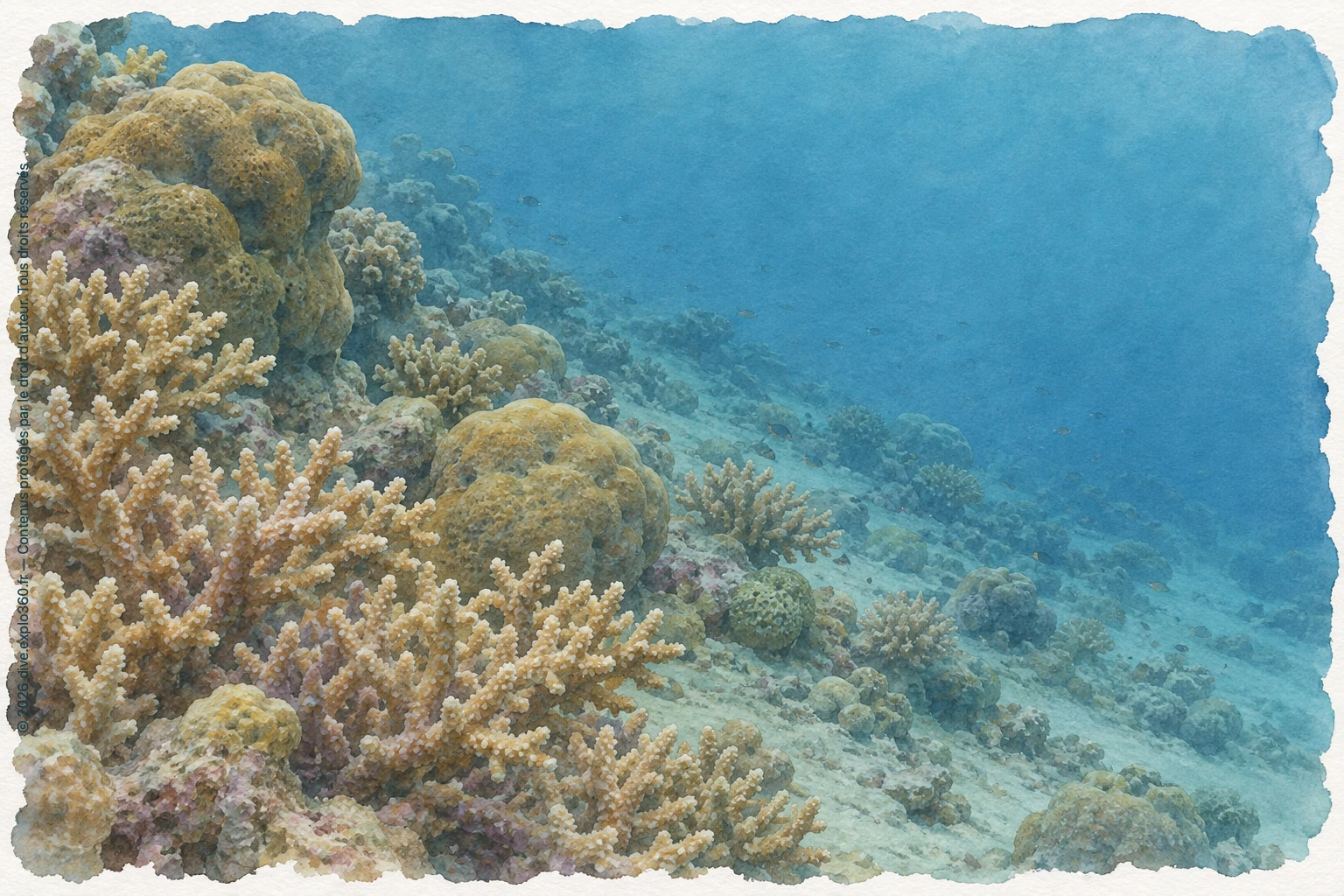
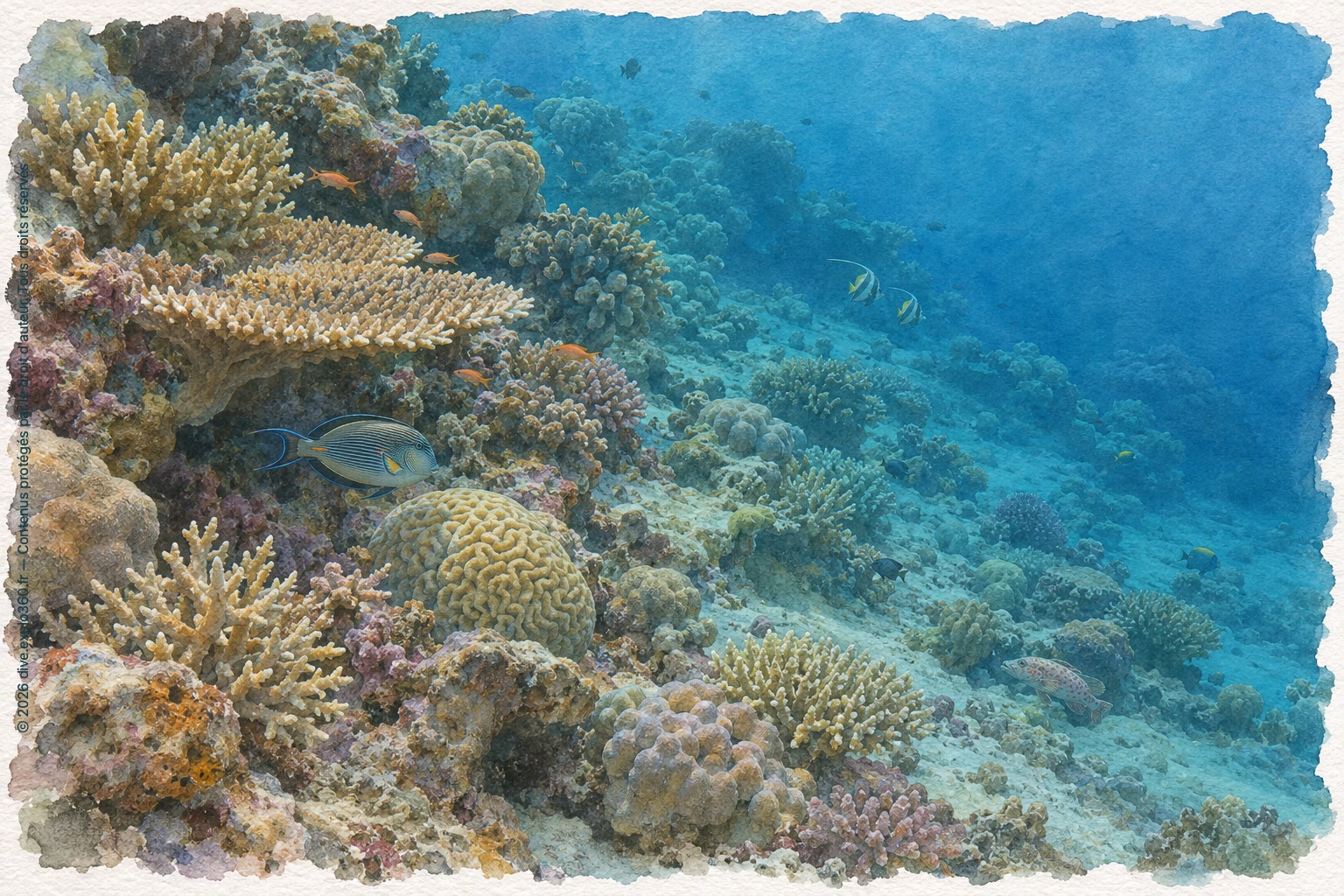
Surface temperatures vary from north to south and with the season.
The Red Sea is generally warmer in the south than in the north. © dive.explo360.fr — All rights reserved. Reproduction requires permission.

Warmer water in the south

The Red Sea is very long. In summer, water in the south can be warmer than in the Gulf of Aqaba in the north.

Why Aqaba is surprising

In the northern Red Sea, some corals keep their colours even when the water becomes much warmer than usual.
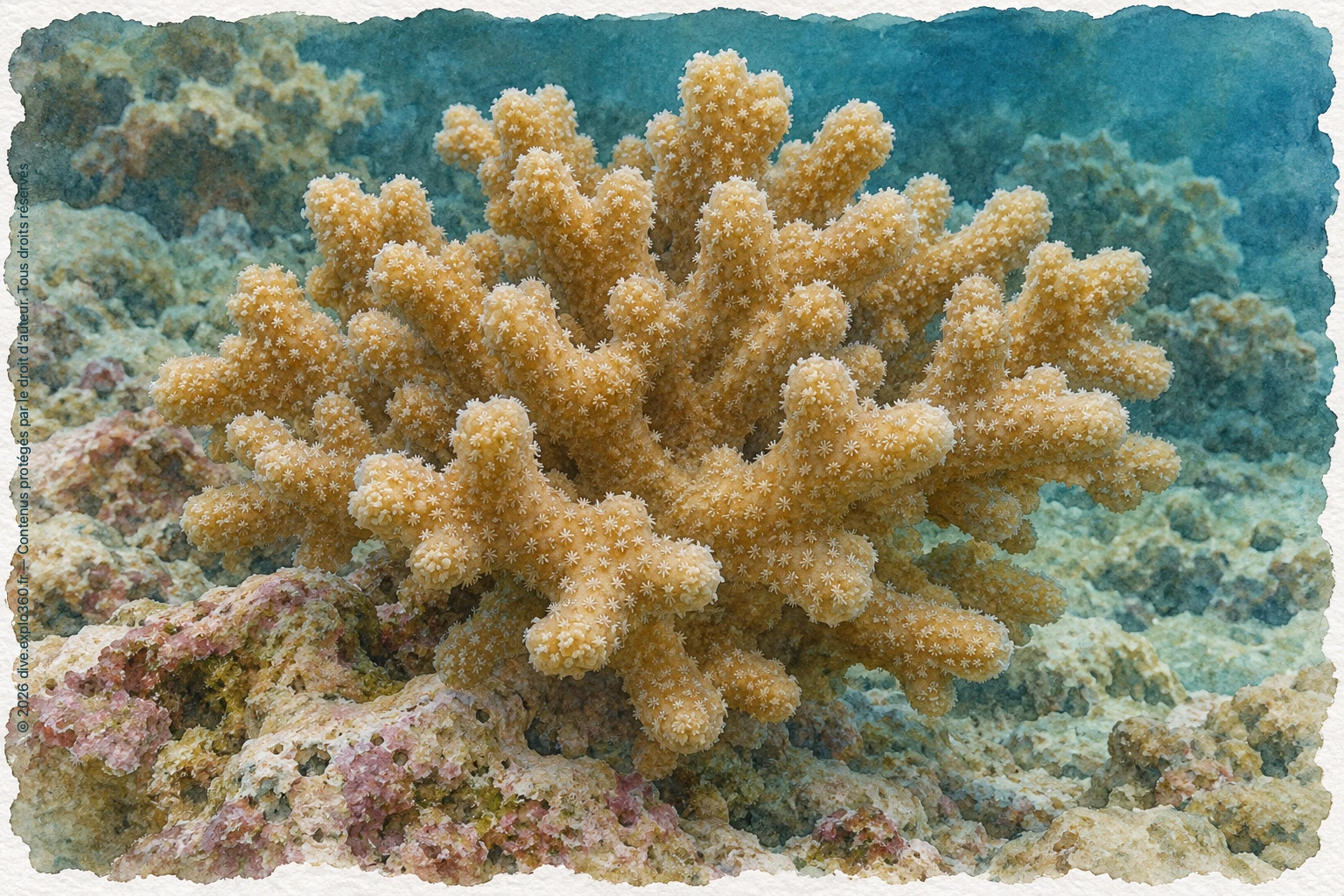
Artist’s view of a Stylophora pistillata colony in the Gulf of Aqaba.
Artist’s view of a Stylophora pistillata colony in the Gulf of Aqaba. © dive.explo360.fr — All rights reserved. Reproduction requires permission.

A clue from the south

The ancestors of some corals in the north may have spread through warmer seas in the south. That could help explain why some northern corals cope so well with heat today.
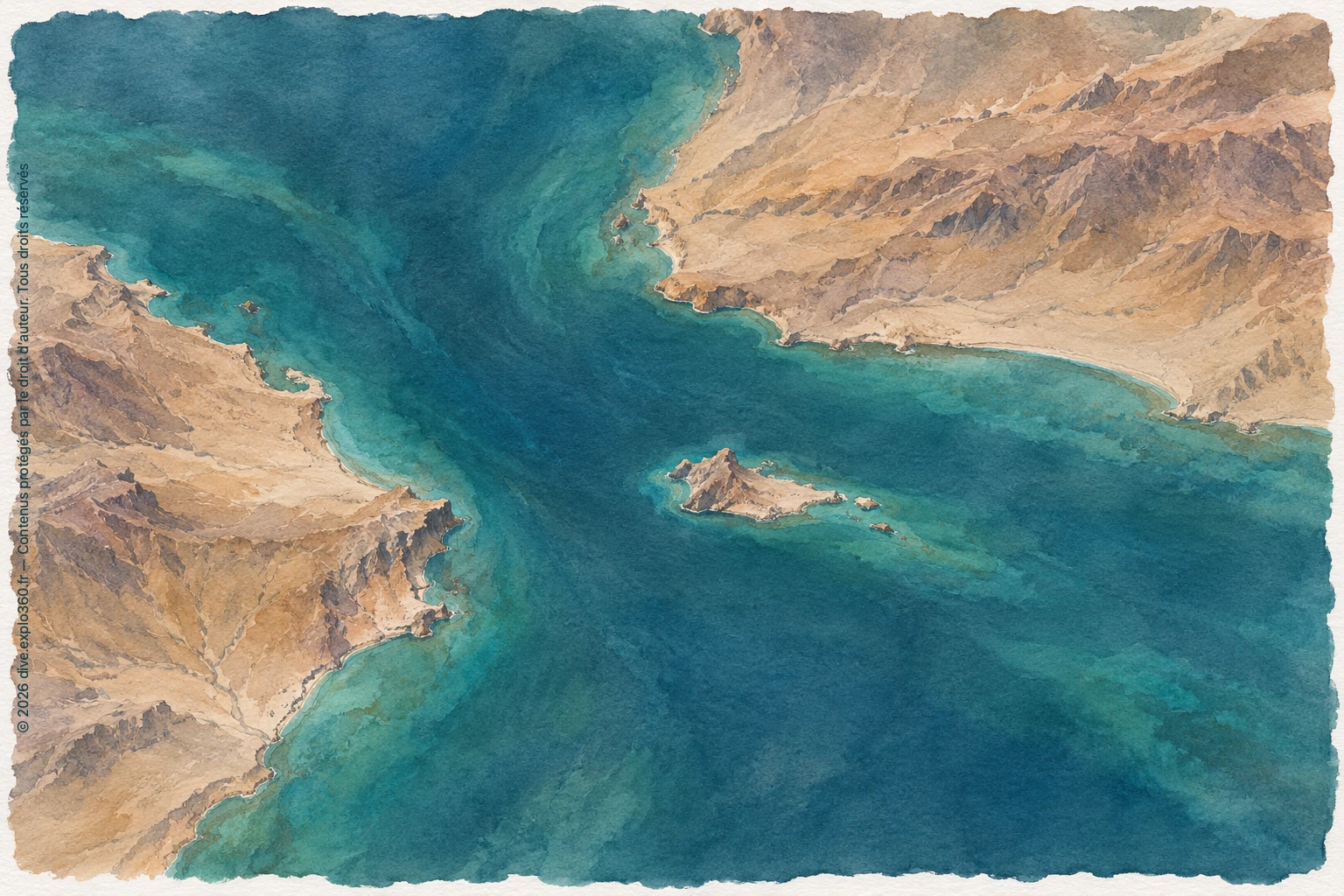
Artist’s view of Bab el-Mandeb, the passage between the Red Sea and the Gulf of Aden.
Artist’s view of Bab el-Mandeb, the passage between the Red Sea and the Gulf of Aden. © dive.explo360.fr — All rights reserved. Reproduction requires permission.

Two corals with different limits

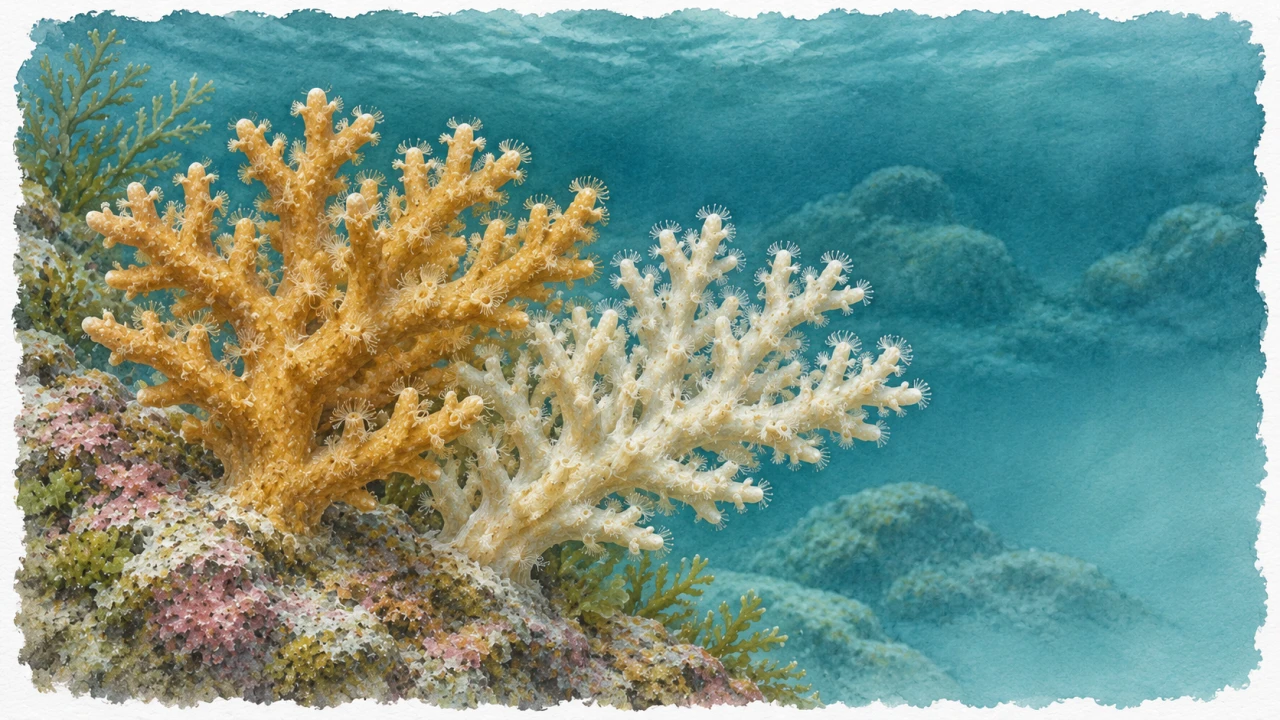
Two corals of the same species may respond differently as the water warms.
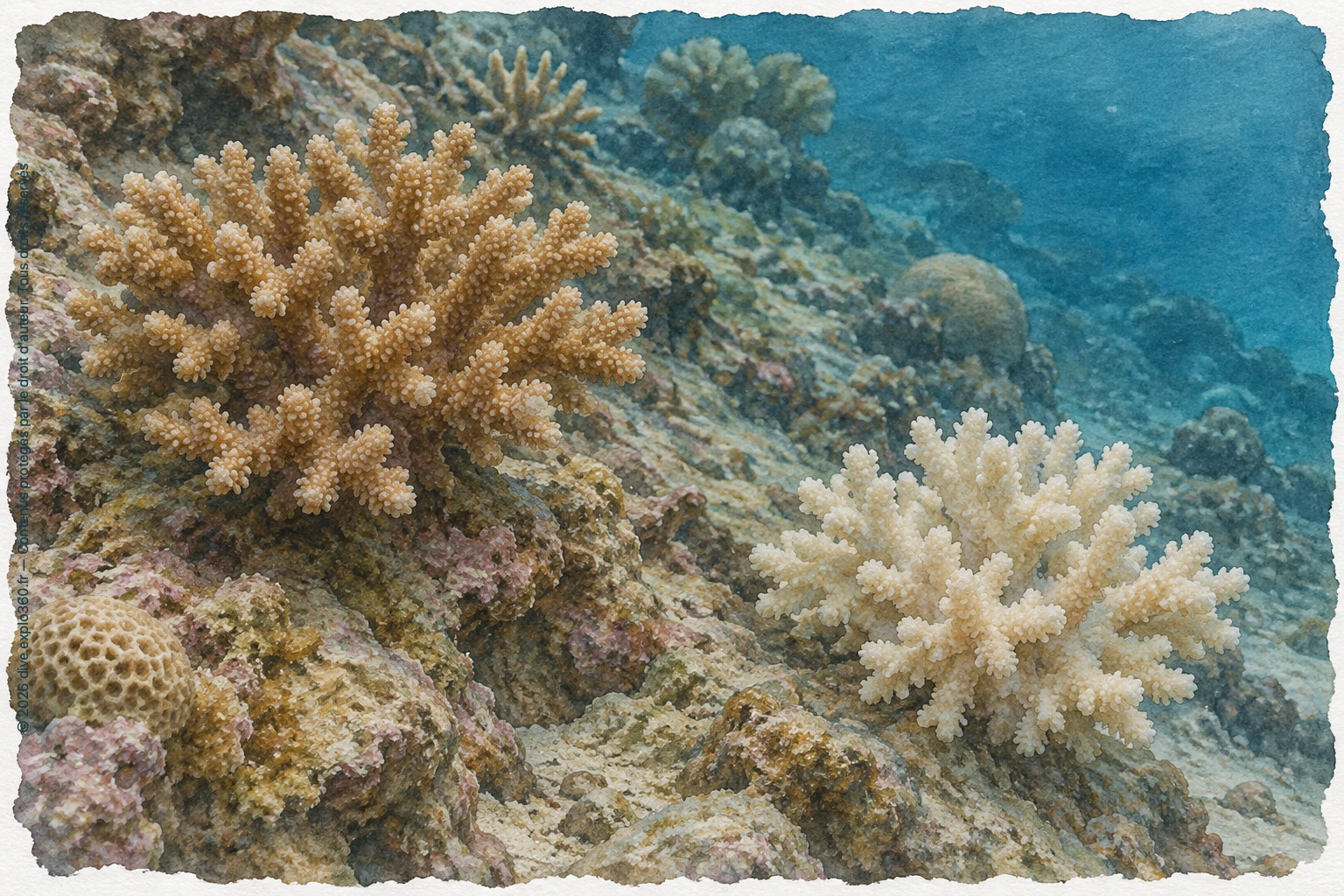
The thermal margin compares a measured threshold with the coral’s usual conditions.
The thermal margin compares a measured threshold with the coral’s usual conditions. Stylophora: experimental thresholds near 34°C in Aqaba and 37.5°C in the central Red Sea, in a short-term test. © dive.explo360.fr — All rights reserved. Reproduction requires permission.

Continue reading

AMIGANSEAU CONTENT

The rest of this article is for subscribers

Log in with your AMIGANSEAU licence to continue reading.

All active AMIGANSEAU licences give access to the full article.

Explore the same world

Explore further