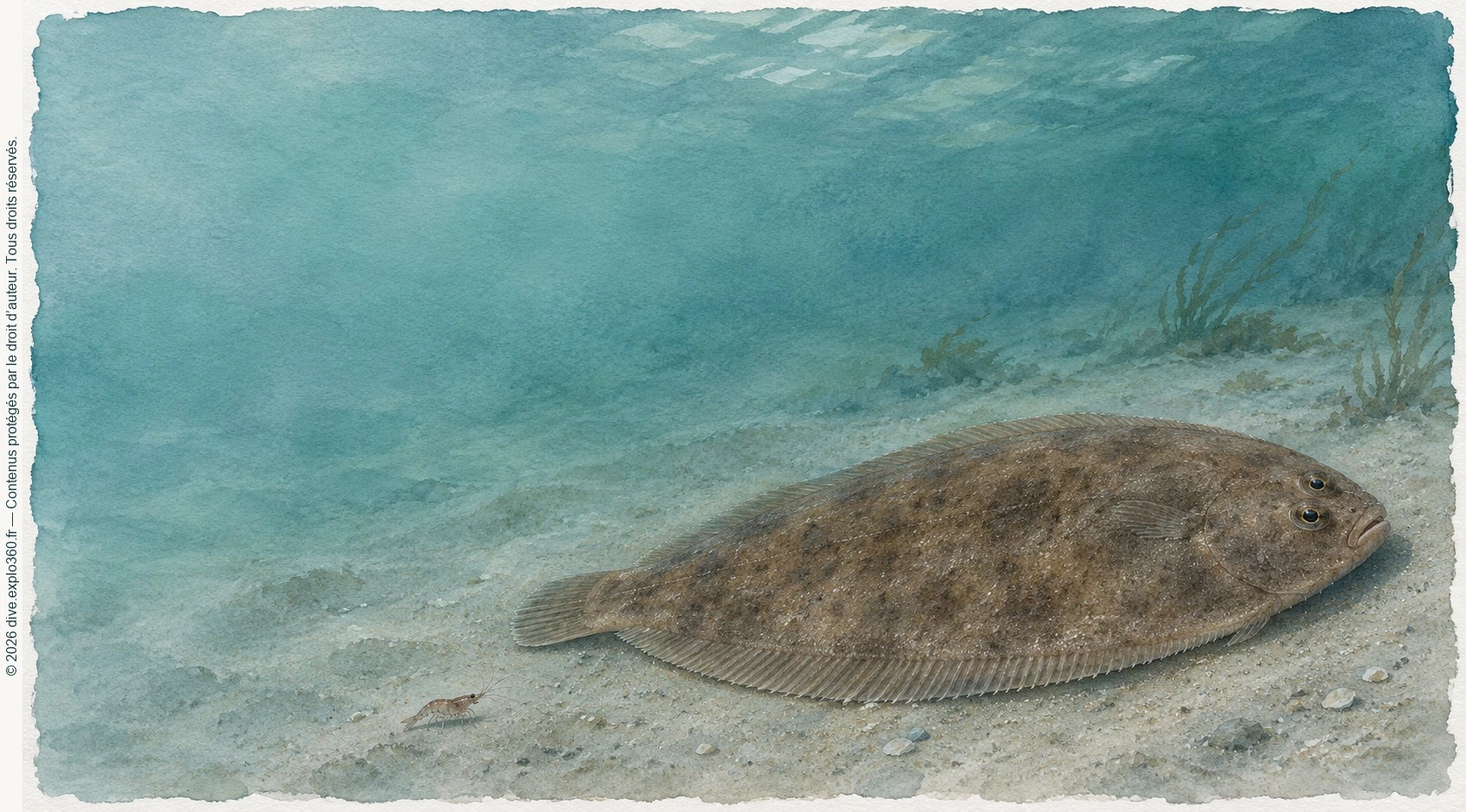
A sole changes sides
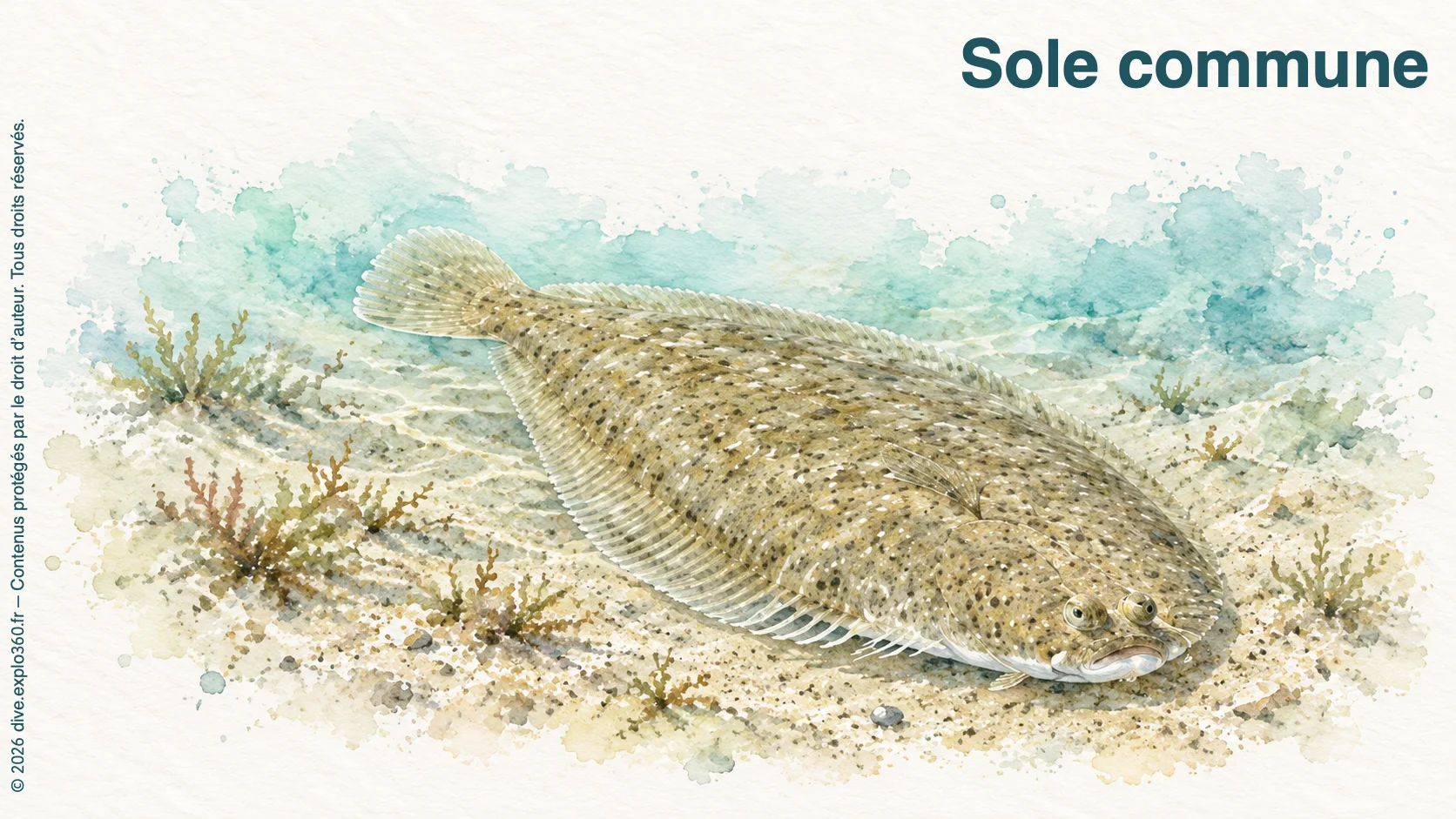
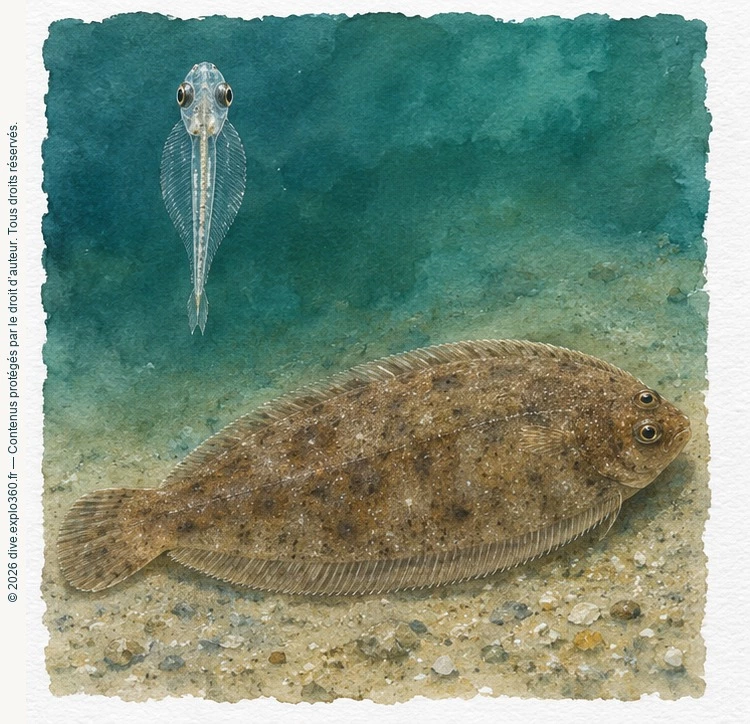
A common sole starts out with an eye on each side of its head. During metamorphosis, its skull changes shape and the left eye moves over to the right. The young sole settles on its left side, with both eyes facing the water above it.
The eel’s ocean crossing
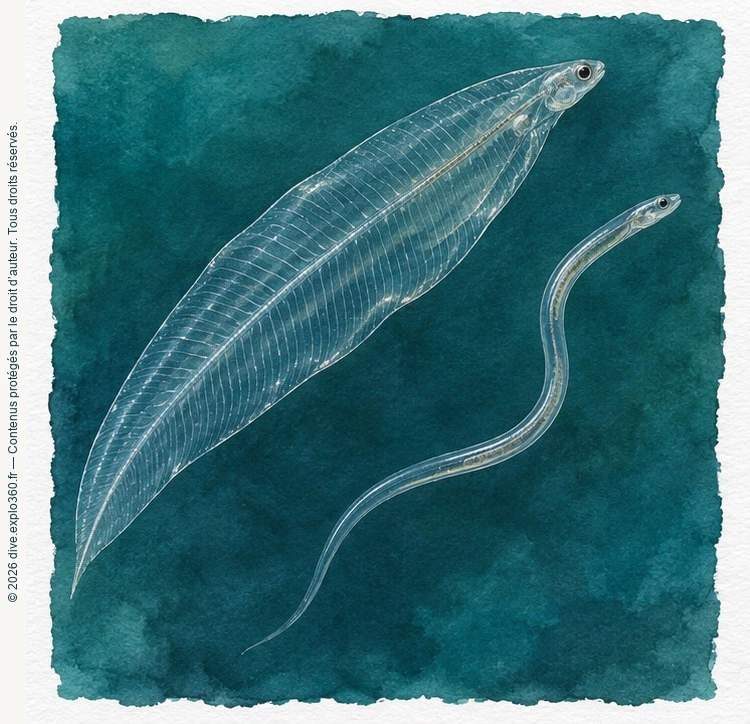
A European eel larva, called a leptocephalus, looks like a transparent leaf. As it nears the coast after crossing the ocean, its body rounds out into a tube. It is now a glass eel, and it can end up shorter than it was before. Much later, the yellow eel turns silver before heading back out to sea.
From swimming to filtering
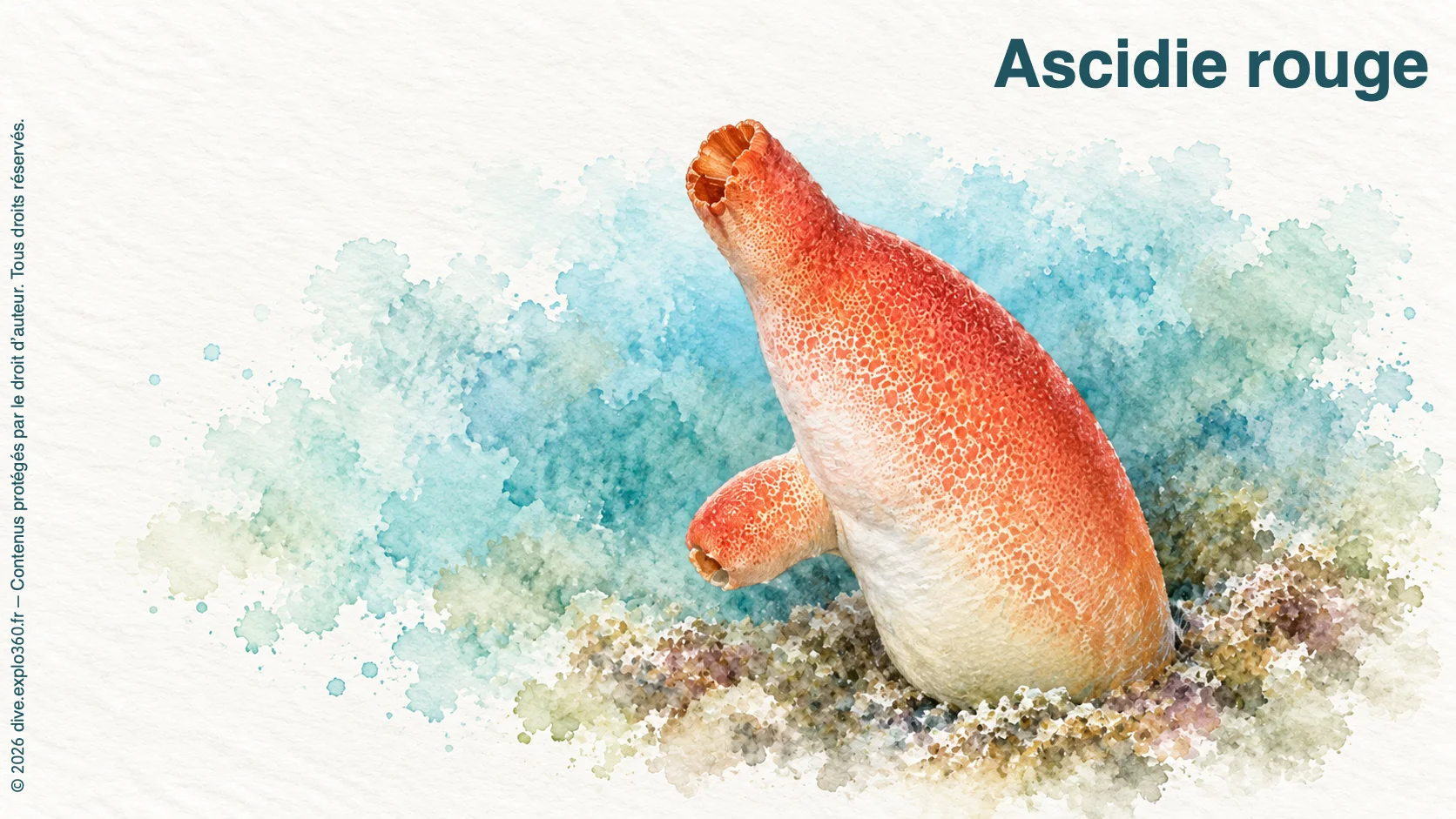
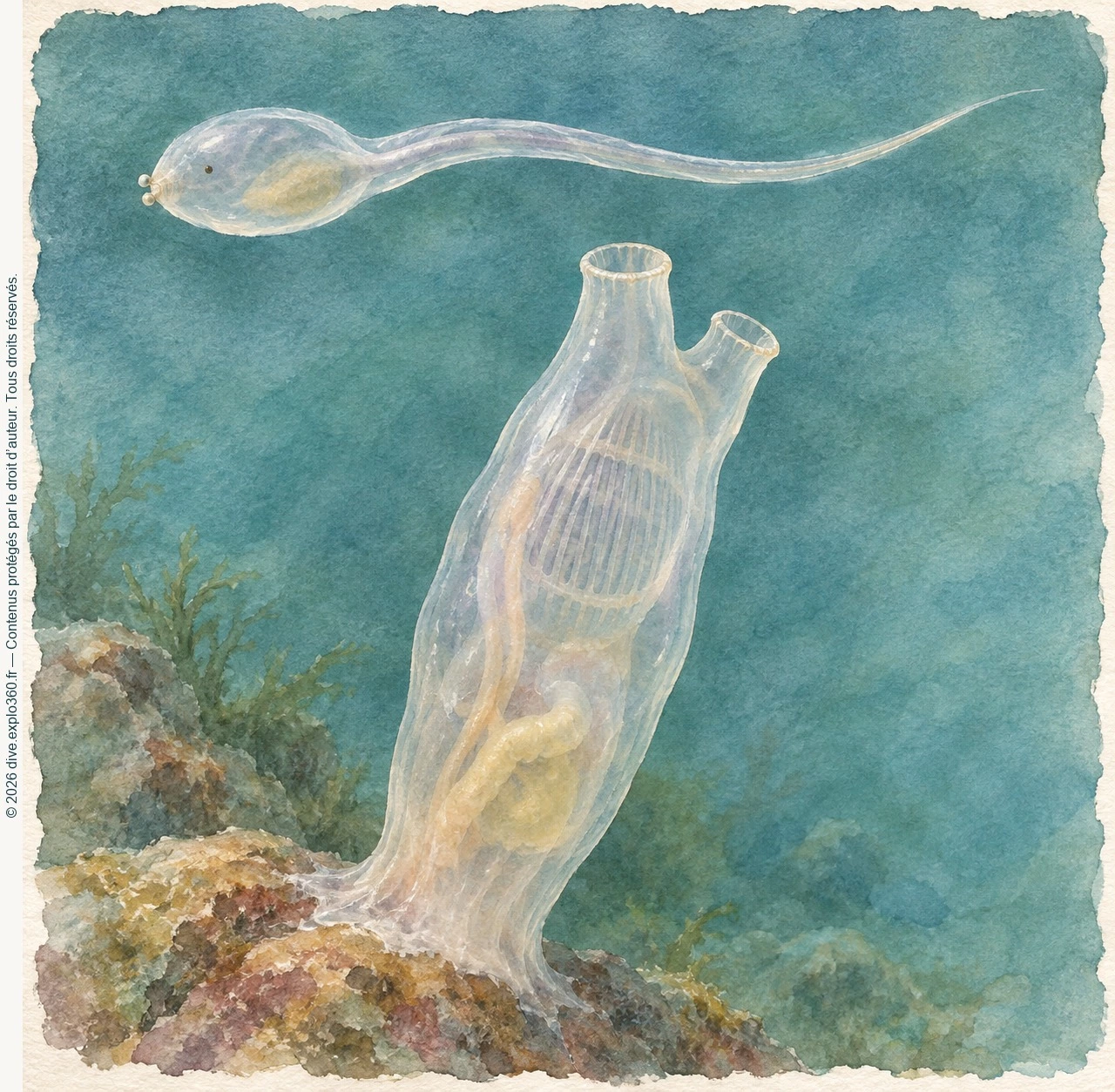
In many sea squirts, the larva swims with a tail stiffened by a flexible rod called a notochord. The larva attaches to a surface by the front of its body, and the tail shrinks away. The adult still has a nervous system. It feeds by filtering particles from the water that flows through its siphons.
Two shapes, two kinds of symmetry
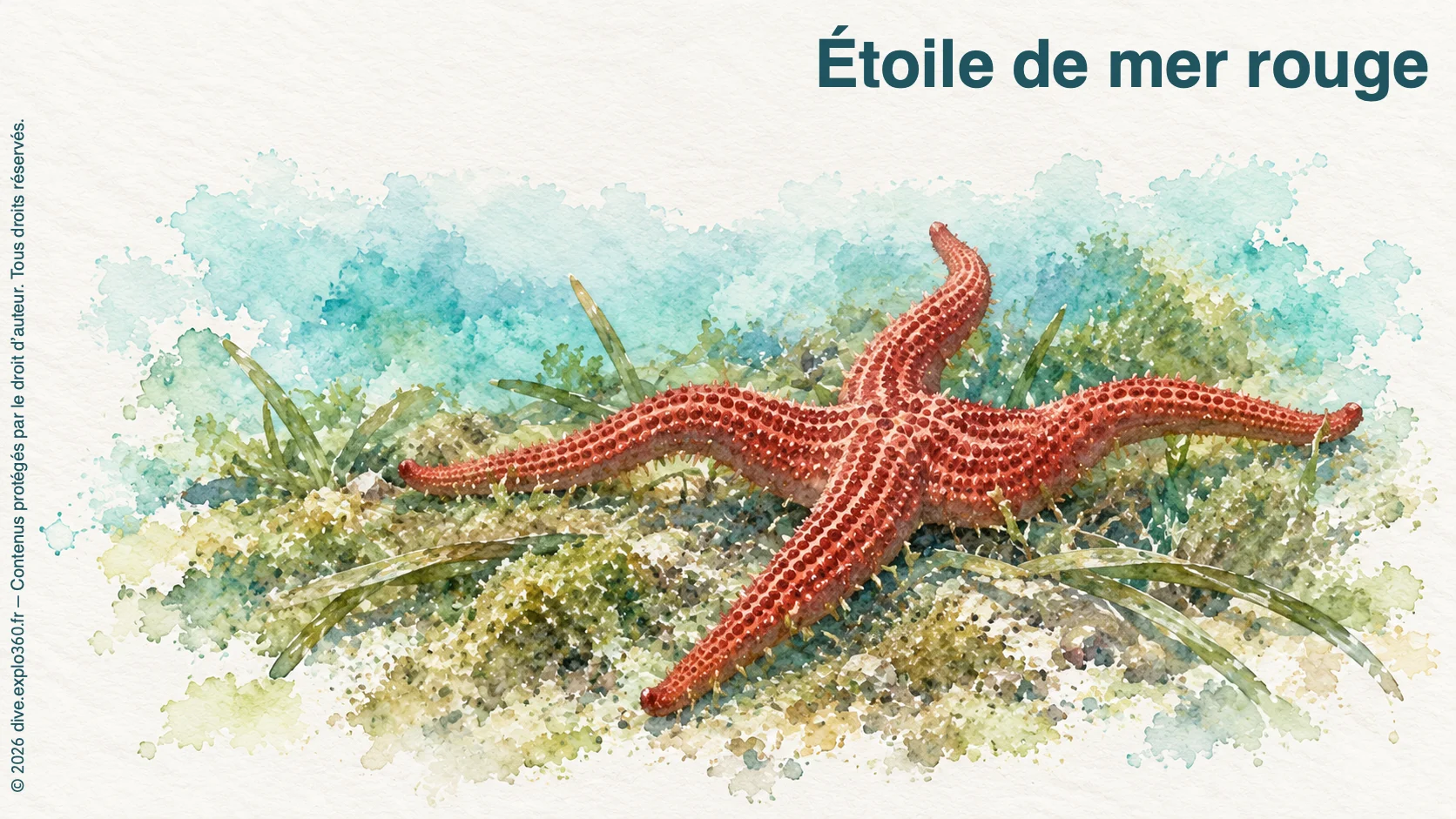
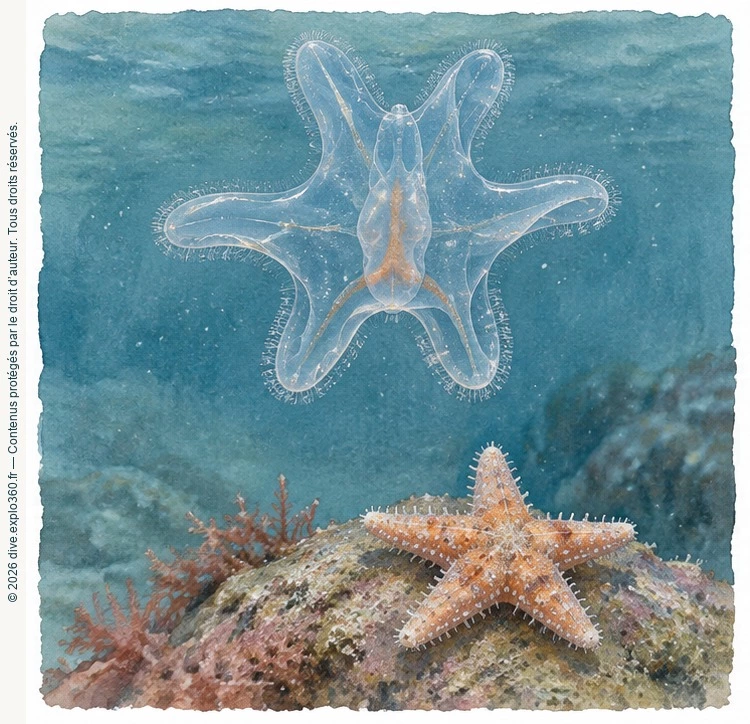
Look at a sea star larva. Its right and left sides match, which is called bilateral symmetry. The young sea star that takes shape during metamorphosis usually has five parts arranged around its centre. On the seabed, its tube feet help it move.
Explore the same world