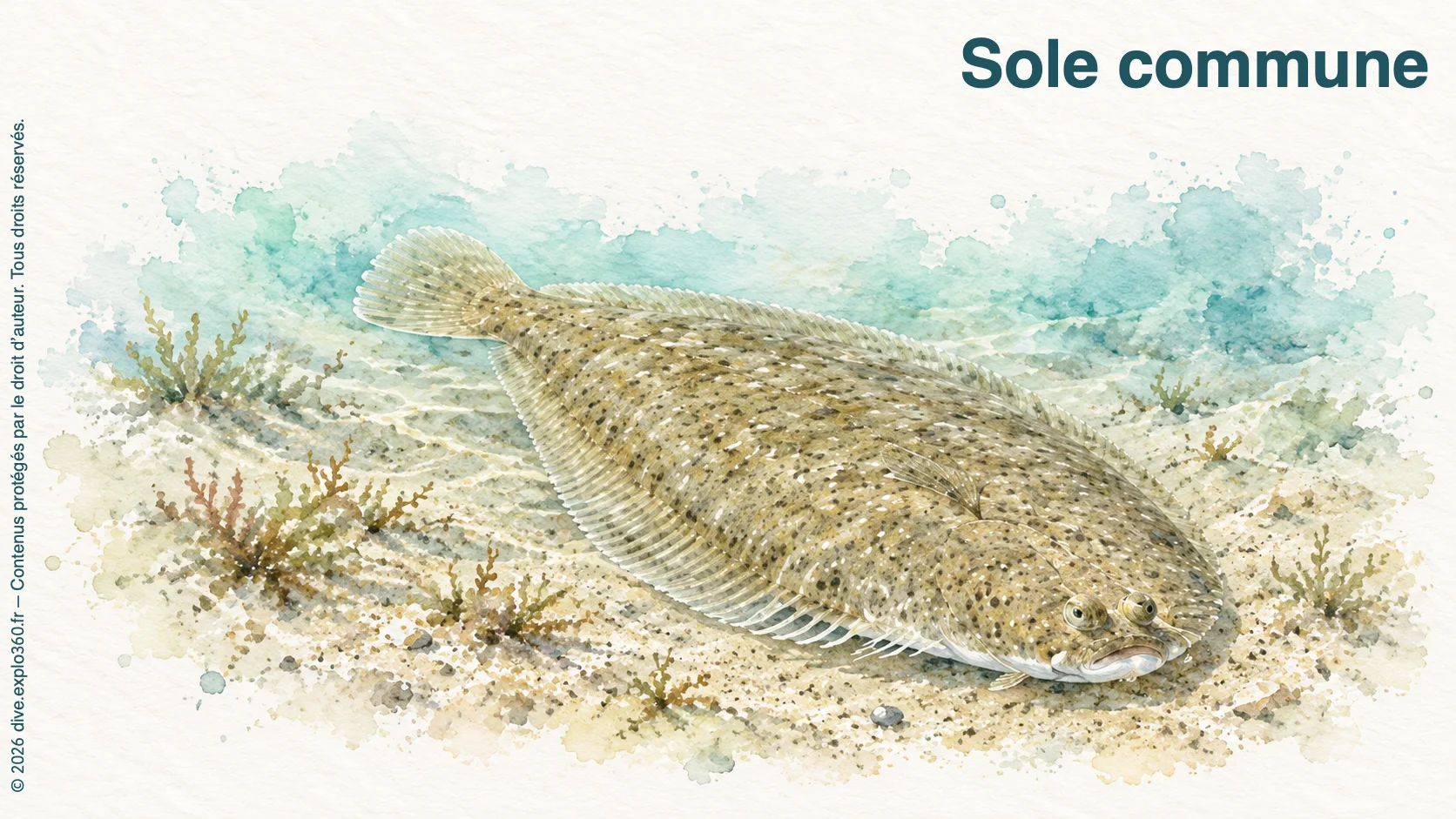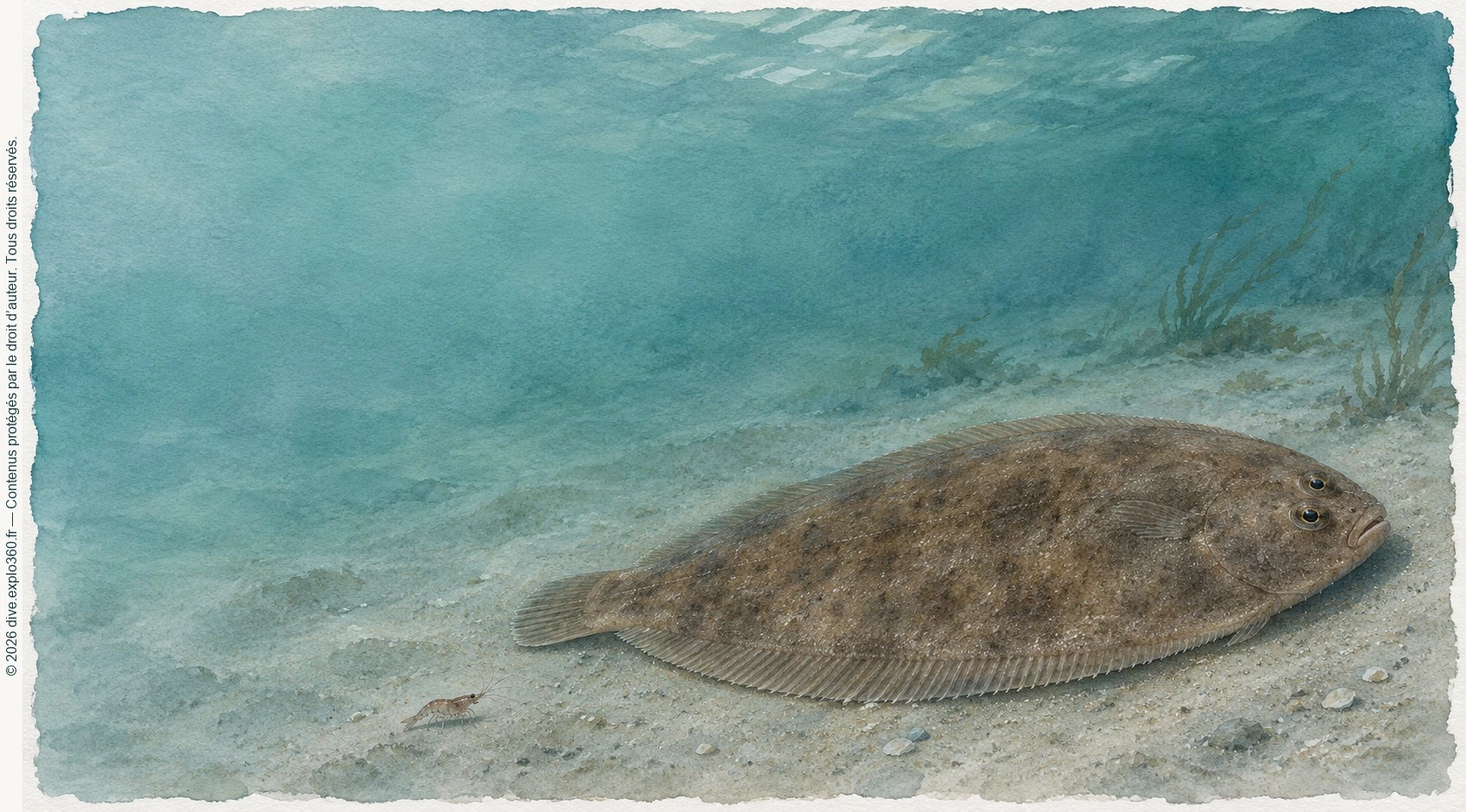
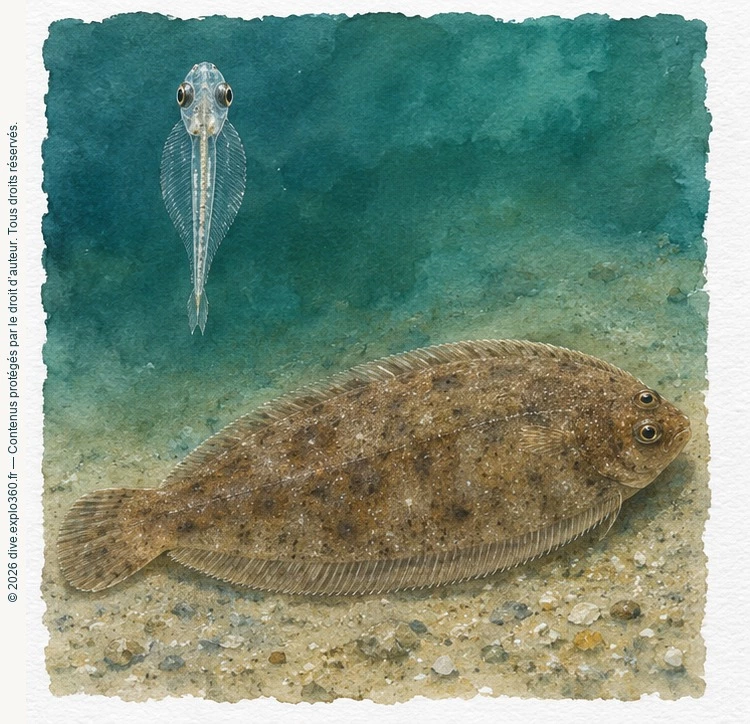
The sole’s skull remodels
A common sole larva is bilaterally symmetrical. During metamorphosis its left eye moves to the right as the tissues of the skull are remodelled. The juvenile comes to rest on its left side. Thyroid hormones help coordinate the transition in flatfishes.
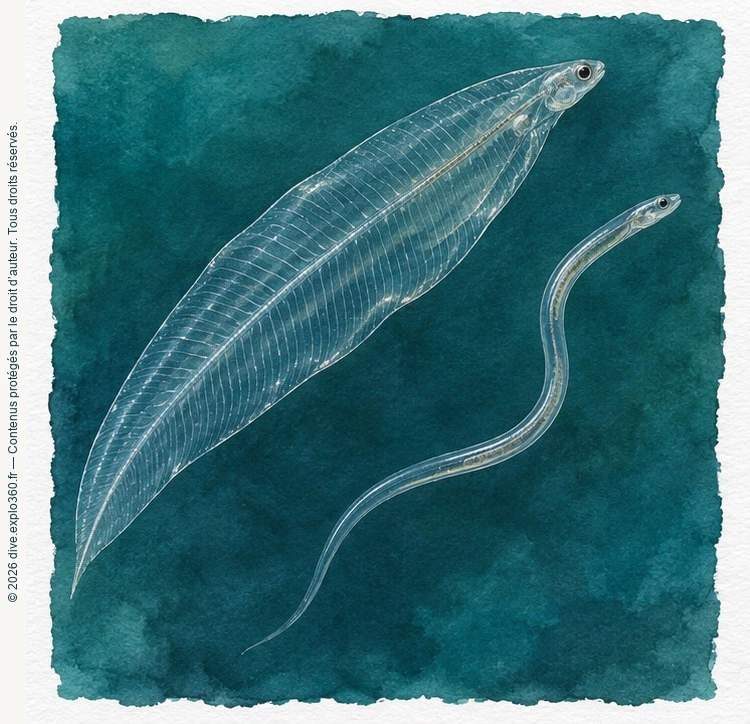
Two transitions in the eel
The European eel’s larva, or leptocephalus, is flat and translucent. As it becomes a cylindrical glass eel, it may get shorter. Much later comes silvering, when the eel’s pigmentation and relative eye size change in preparation for the ocean journey back to its spawning grounds. These changes occur at a separate stage of the eel’s life from larval metamorphosis.
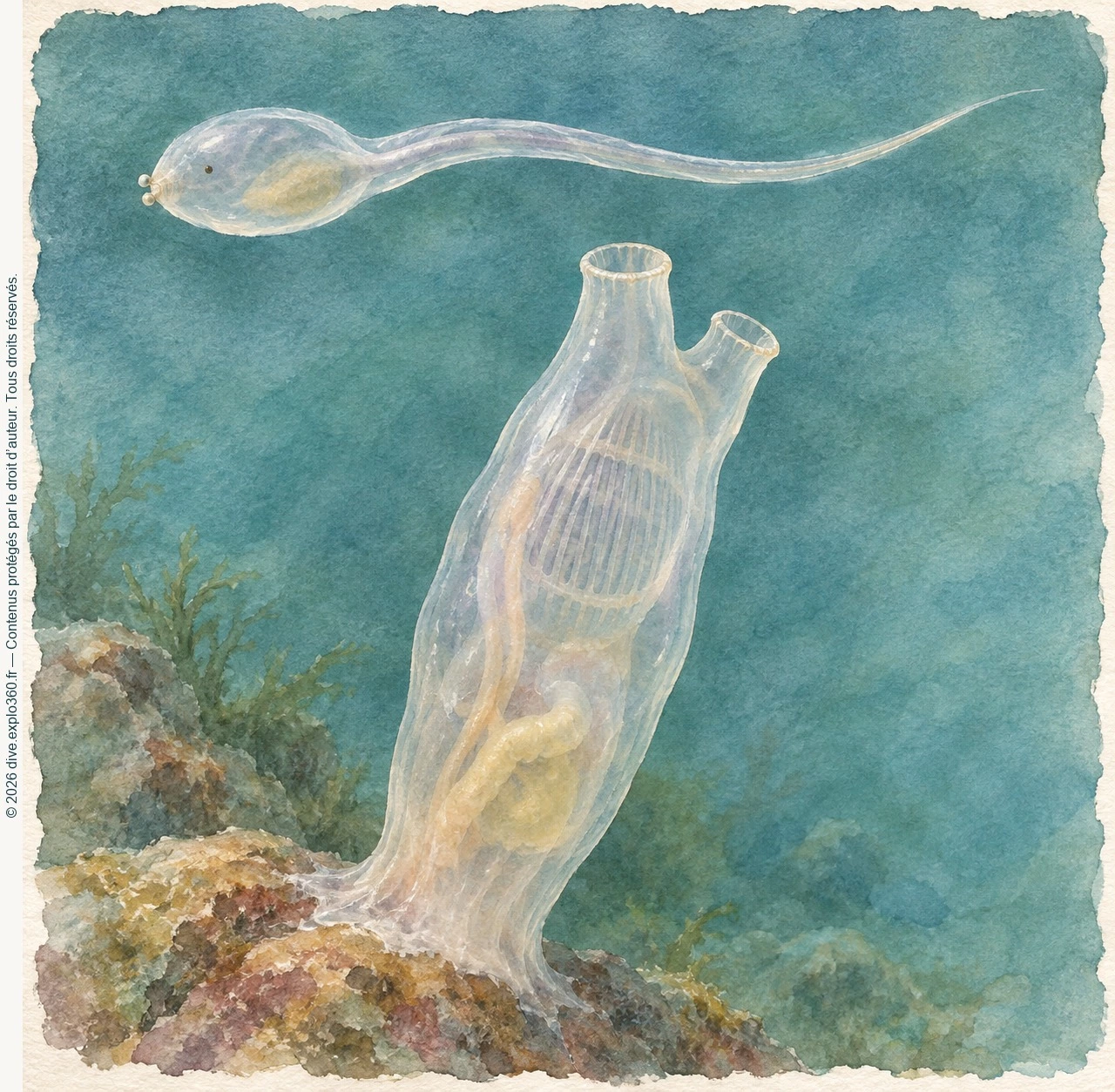
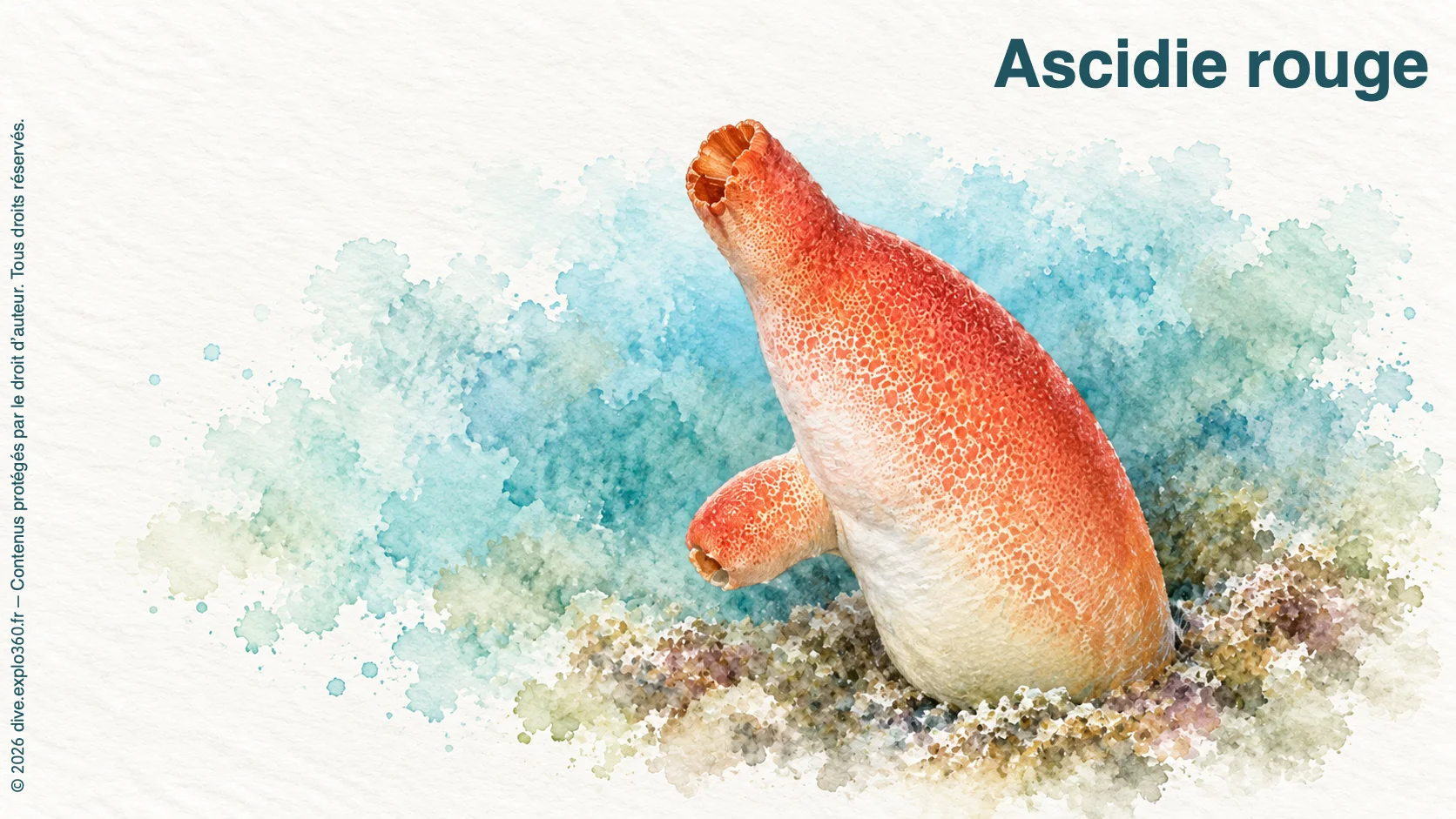
A sea squirt changes its way of life
The swimming larvae of many sea squirts have a notochord in the tail and a dorsal nerve cord. After attachment, structures used for swimming regress and the body reorganises. The adult filters particles with its pharynx and retains a cerebral ganglion.
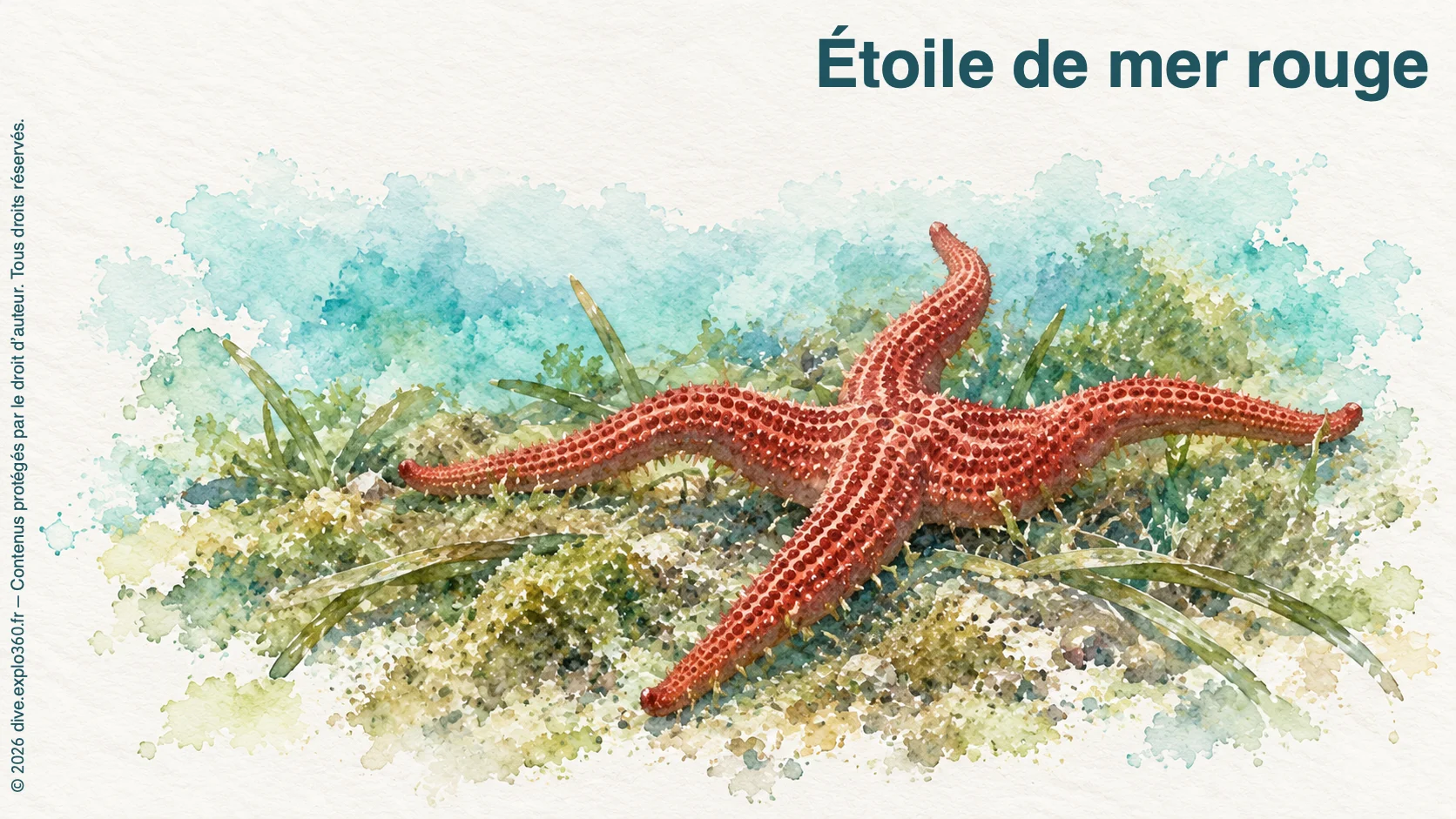
Building a new symmetry
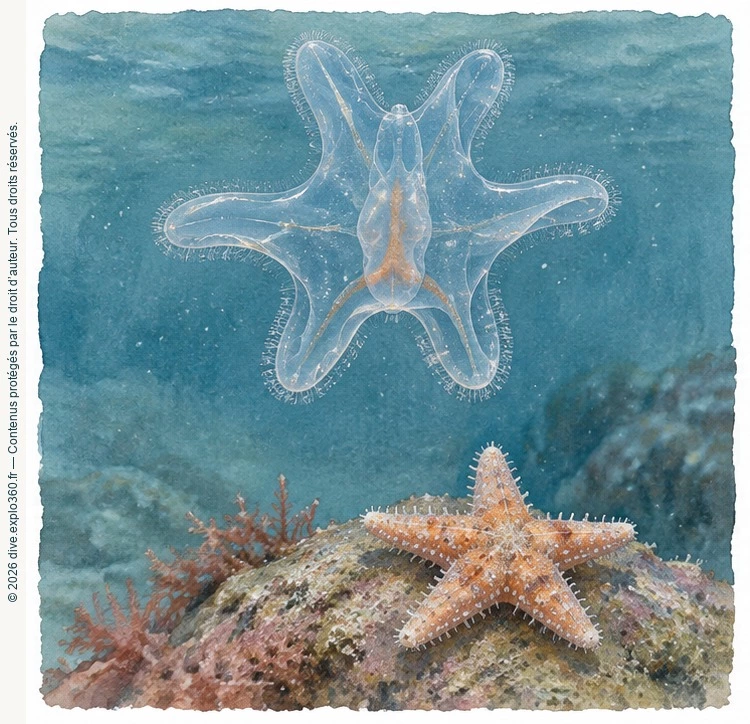
In many sea stars, a bilaterally symmetrical larva swims using bands of cilia. The juvenile body begins to take shape while the larva is still swimming. At metamorphosis, larval structures regress, and the juvenile’s arms usually form along five axes around a central disc.
Explore the same world