The sole’s two eyes

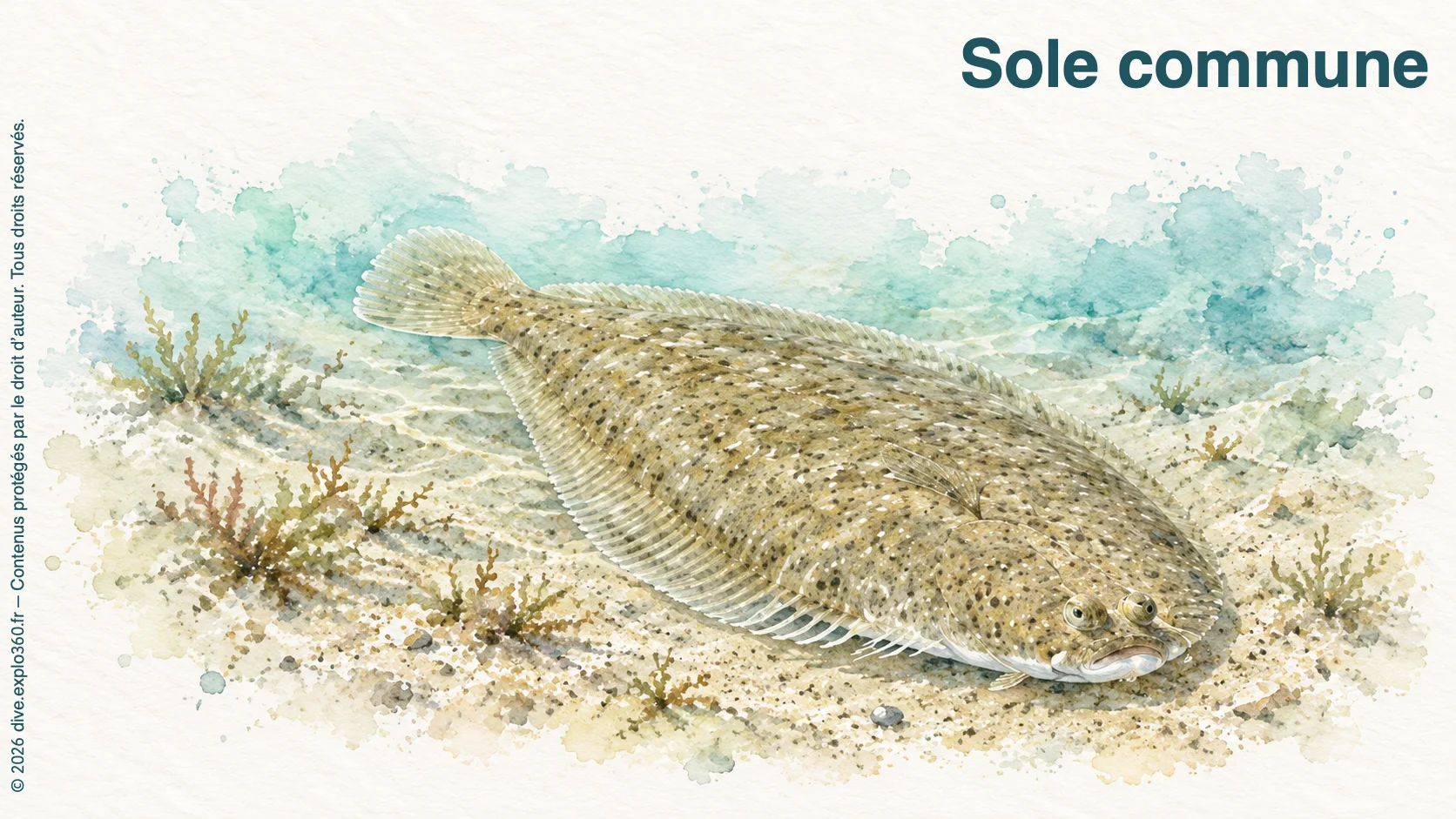
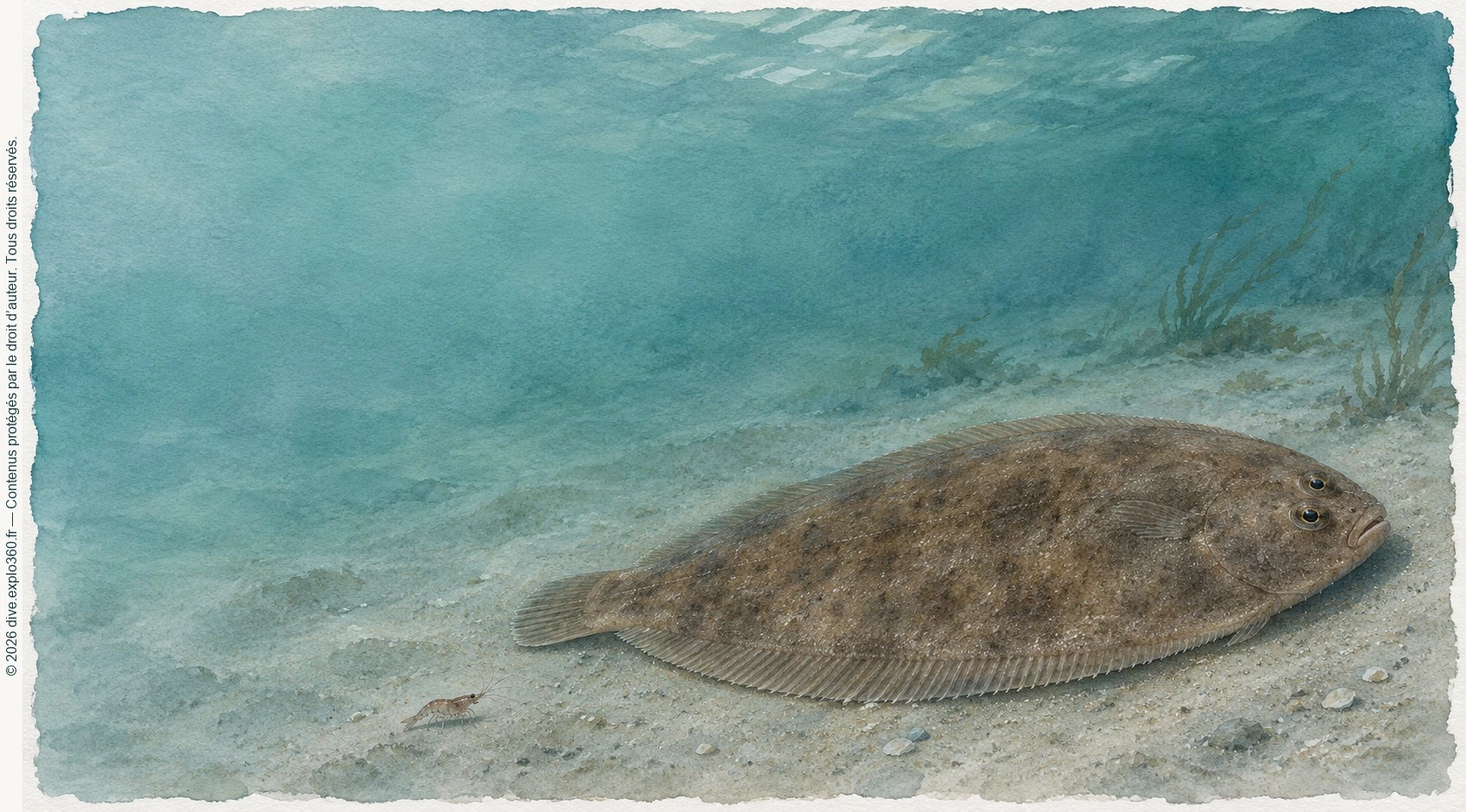
A young sole swims much like many other fish. As it grows, its head changes shape. Its left eye moves over to the right. You can then see both eyes on the side facing the water, even when the fish is resting on the sand.
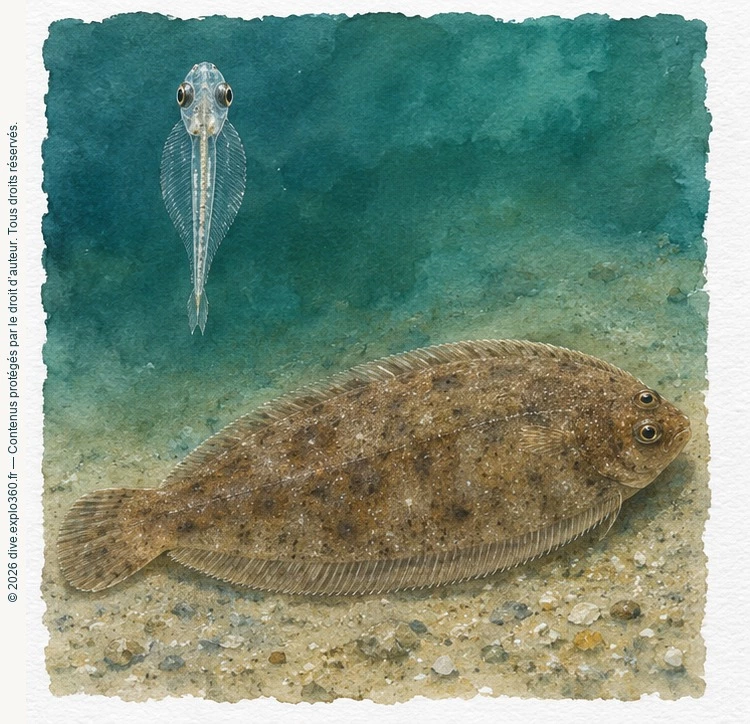
Common sole, from the swimming larva to the flattened bottom-dwelling form. The two stages are shown at different scales.
The young sole first swims, then settles on one side on the seabed. © dive.explo360.fr — All rights reserved. Reproduction requires permission.

A little eel shaped like a leaf

Early in life, a European eel looks like a leaf you can almost see through. As its body becomes thin and round like a tube, it turns into a glass eel. It can even get shorter as it changes shape.
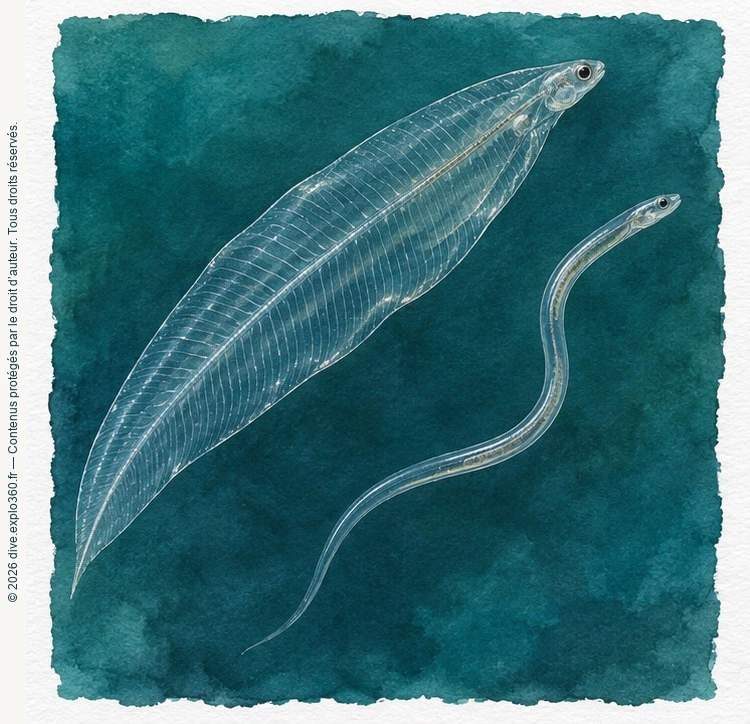
A flat leptocephalus and a cylindrical glass eel of the European eel (Anguilla anguilla).
The eel larva first looks like a leaf, then like a tiny eel. © dive.explo360.fr — All rights reserved. Reproduction requires permission.
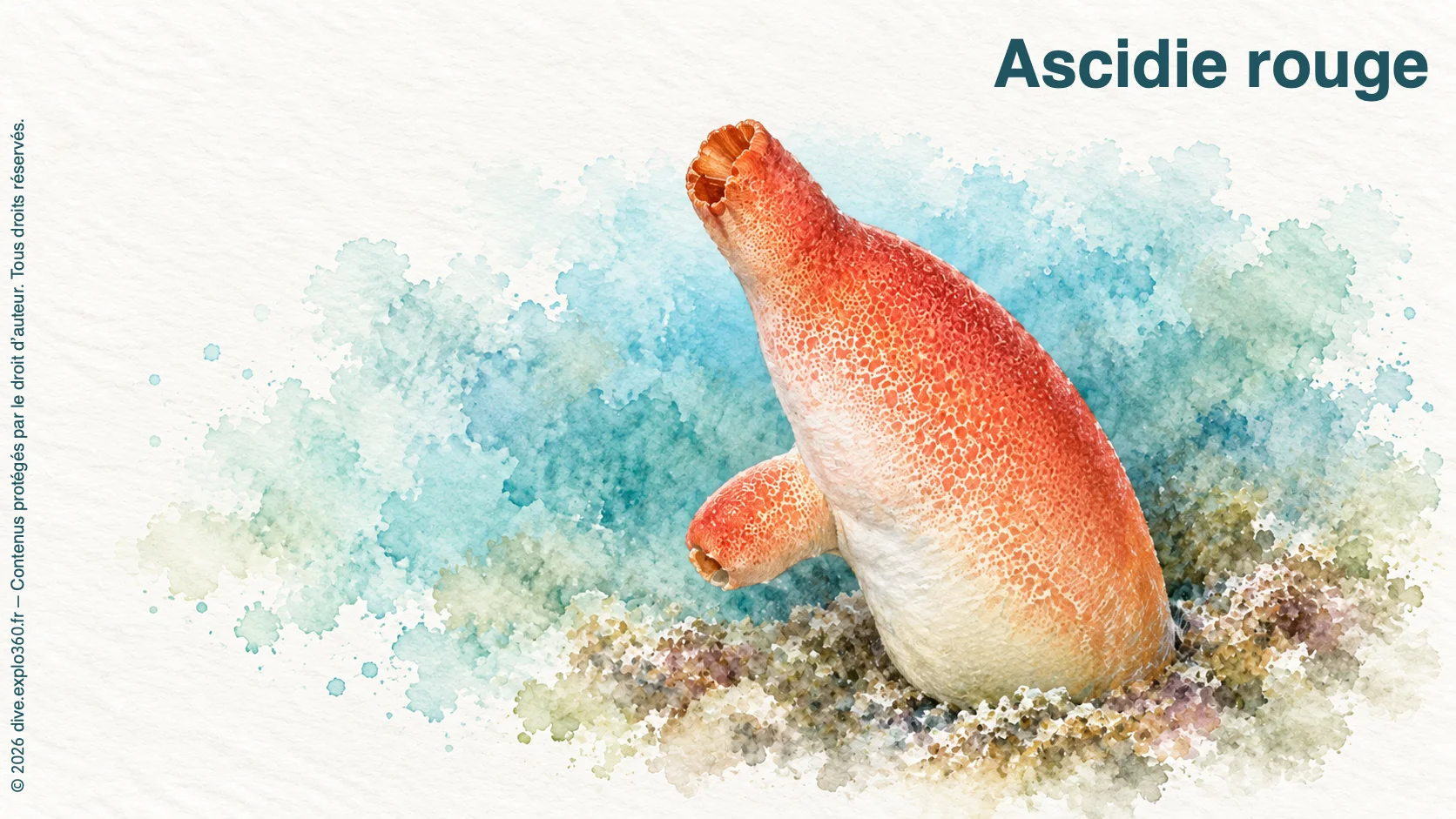
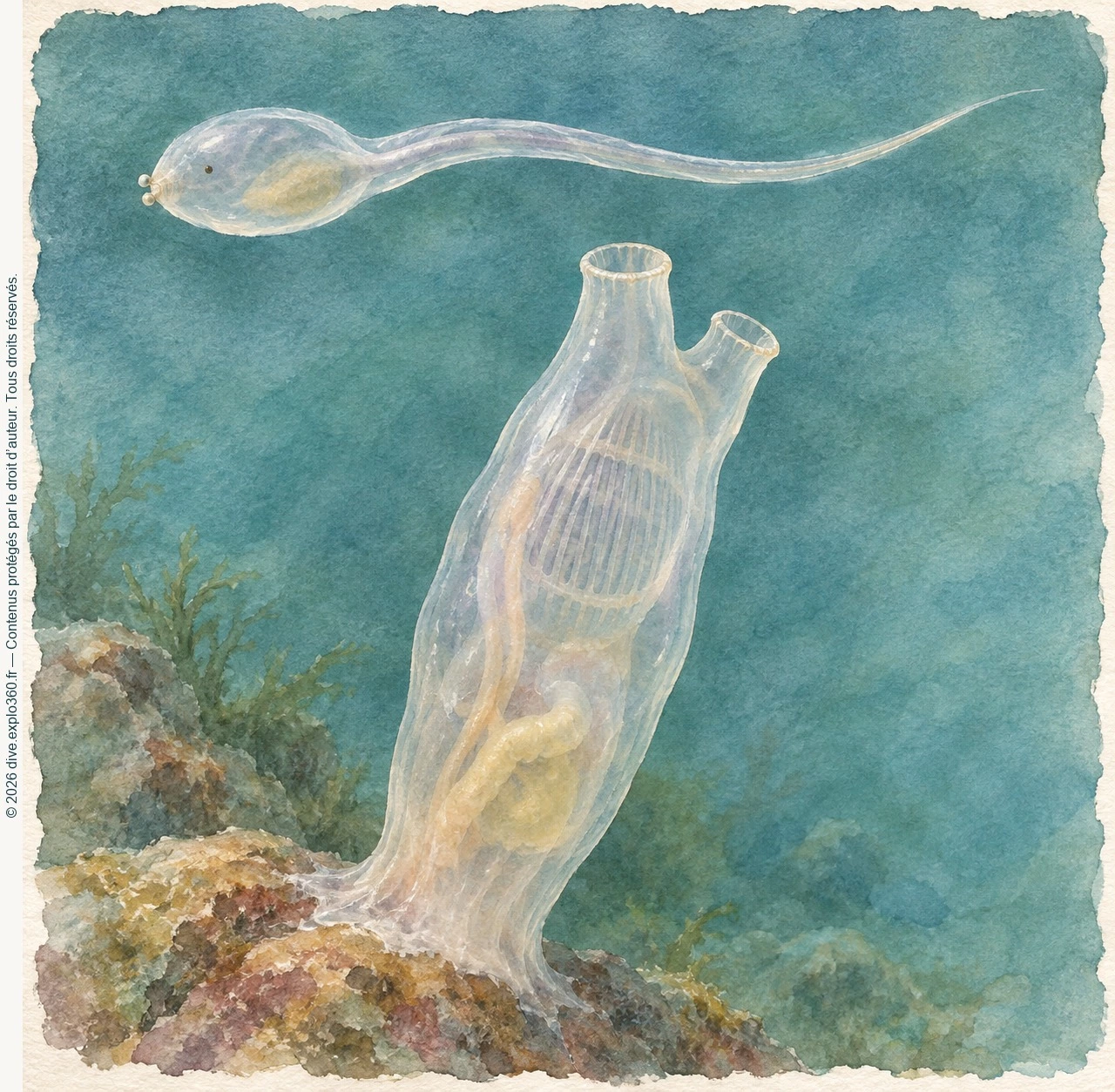
A swimming sea squirt larva and an attached form with two siphons. Shown at different scales.
The young sea squirt swims, then attaches to the seabed. © dive.explo360.fr — All rights reserved. Reproduction requires permission.

A swimmer that settles down

Some sea squirt larvae swim with a tail. Once a larva attaches to a rock, its tail gradually disappears. The adult sea squirt lets water flow through its body and filters out tiny particles to eat.

Before a sea star has arms

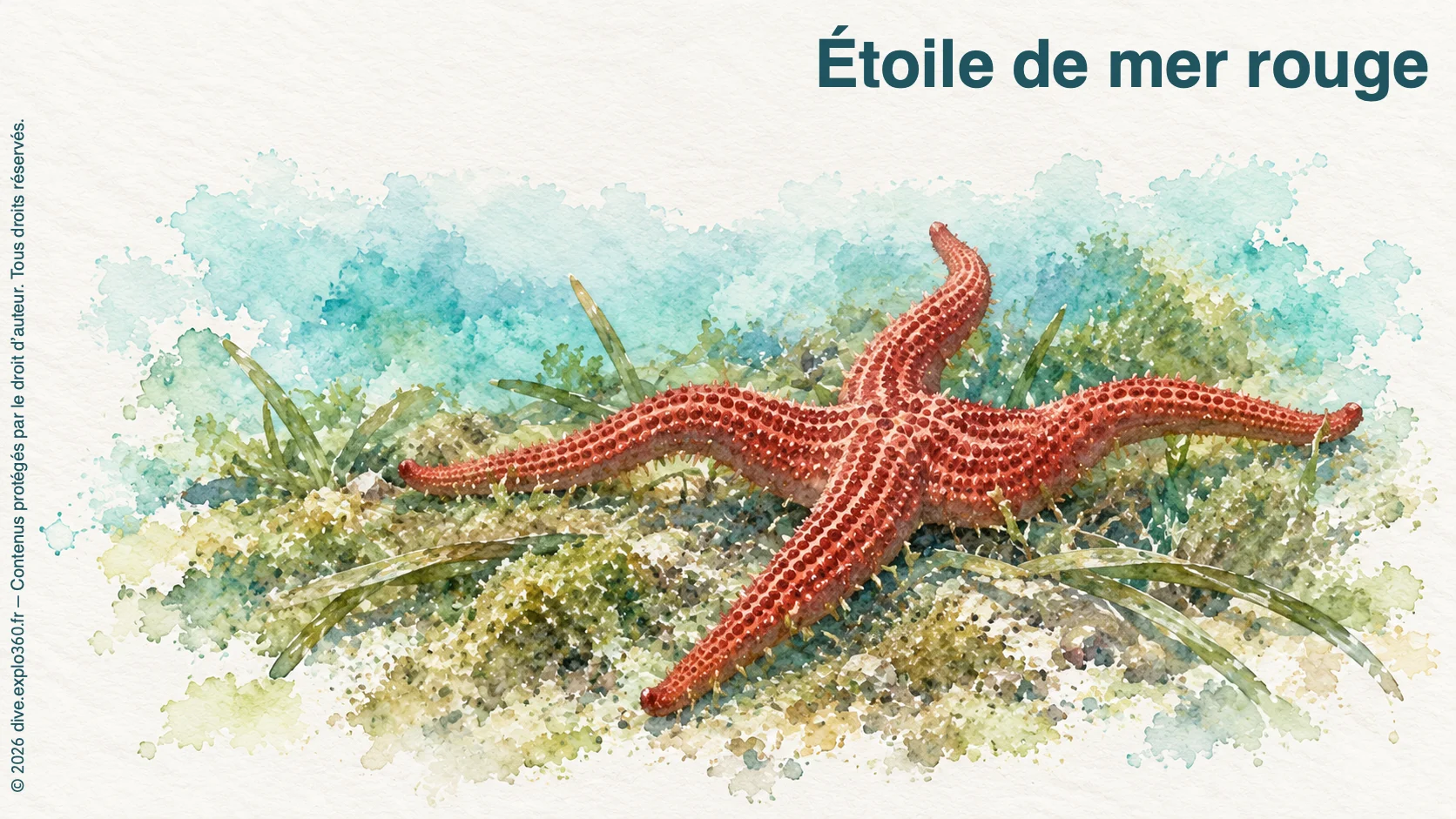
A baby sea star looks very different from a grown one. It swims using tiny hairs called cilia. As it changes into a young sea star, the parts it used for swimming disappear. On the seabed, it moves on little feet under its arms.
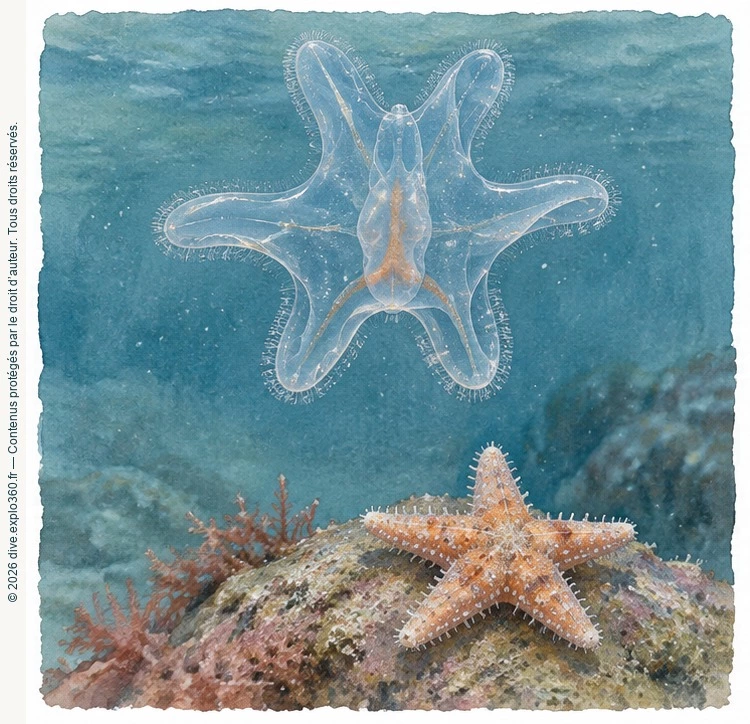
A bilateral sea star larva and a five-armed juvenile. Shown at different scales.
The tiny larva does not yet look like a sea star. © dive.explo360.fr — All rights reserved. Reproduction requires permission.

Continue reading

AMIGANSEAU CONTENT

The rest of this article is for subscribers

Log in with your AMIGANSEAU licence to continue reading.

All active AMIGANSEAU licences give access to the full article.