Rebuilding an intestine from surviving tissues
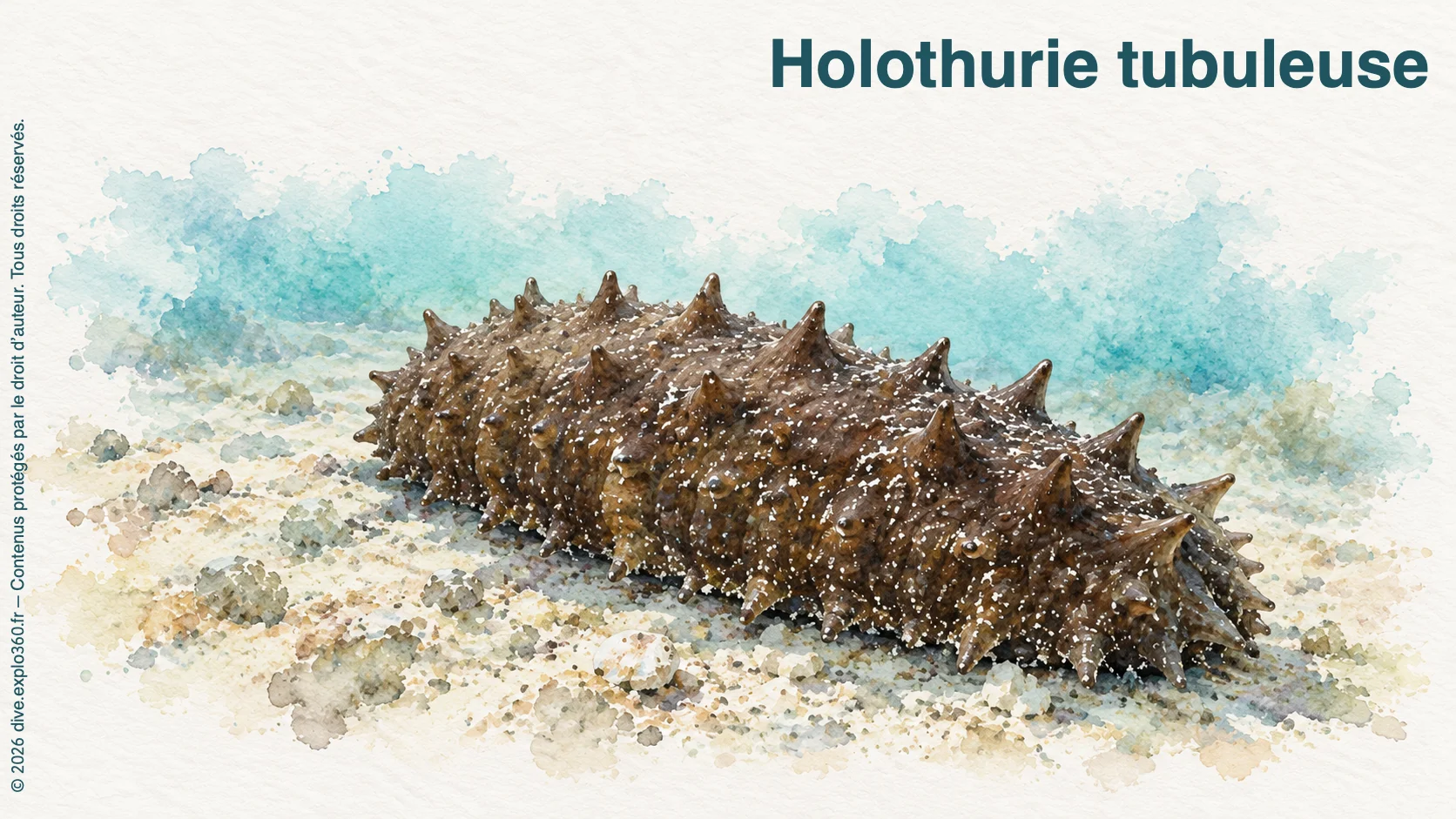
Researchers studying the Caribbean sea cucumber Holothuria glaberrima have followed the growth of a new intestine after evisceration.
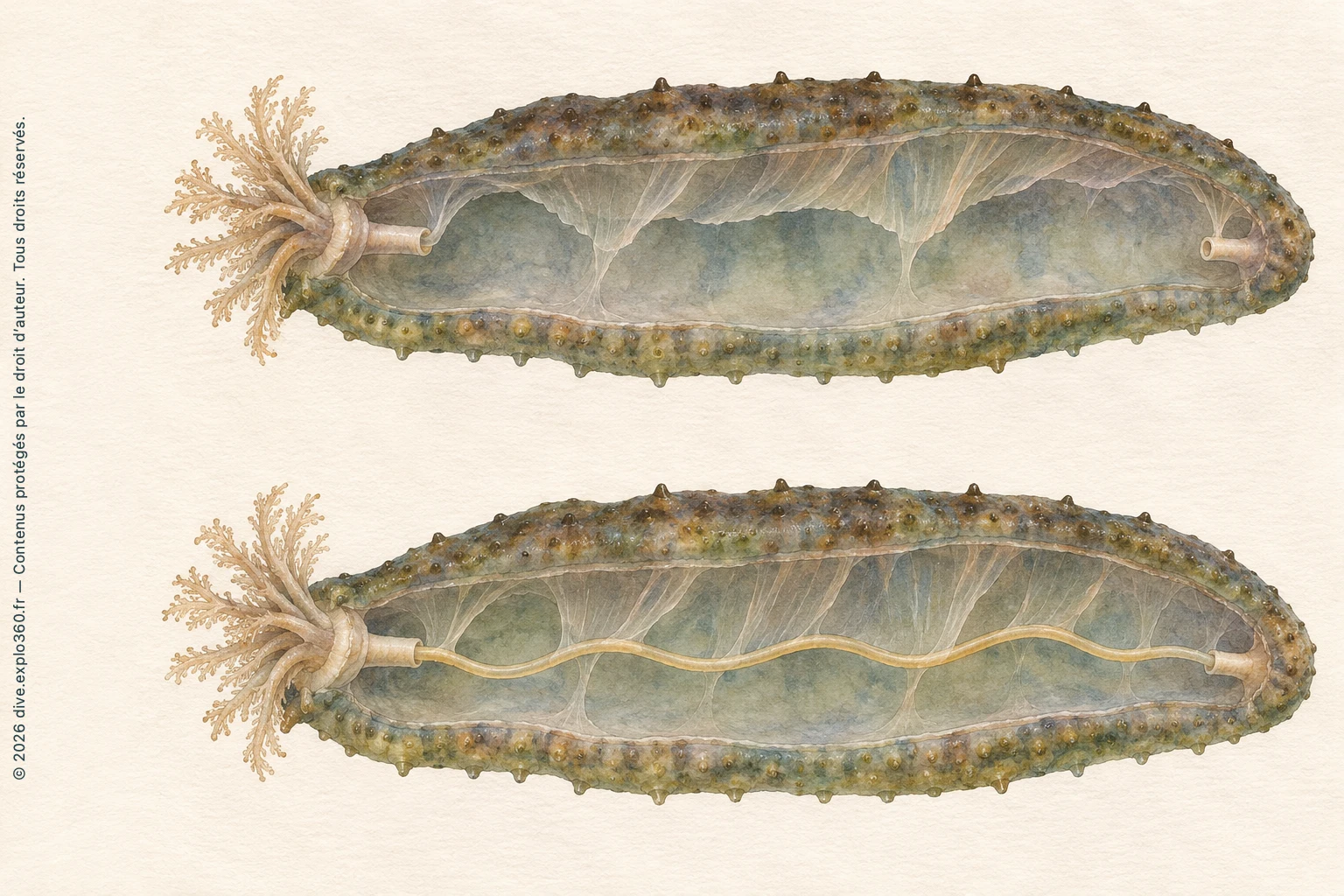
Researchers found that rebuilding begins with structures that remain inside the body.The mesentery, a membrane that supported the digestive tract, stays attached to the inner body wall.Once the intestine is gone, the free edge of the membrane thickens. Cells in the tissue change state, and the swelling becomes the first outline of a new intestine.Some cells undergo changes associated with dedifferentiation. The remaining ends of the digestive tract also help re-form the lining of the new organ.As the new tube takes shape, its wall and other structures develop until it can function as an intestine.In the studies, regeneration took several weeks. The timing varied among individuals and with the conditions.The new organ begins at the edge of the very membrane that held the old one in place.These findings apply to the particular species and organs that researchers studied. The ability to regenerate an intestine does not establish that every sea cucumber can rebuild any organ.Explore the same world