


Healing, regenerating and shedding

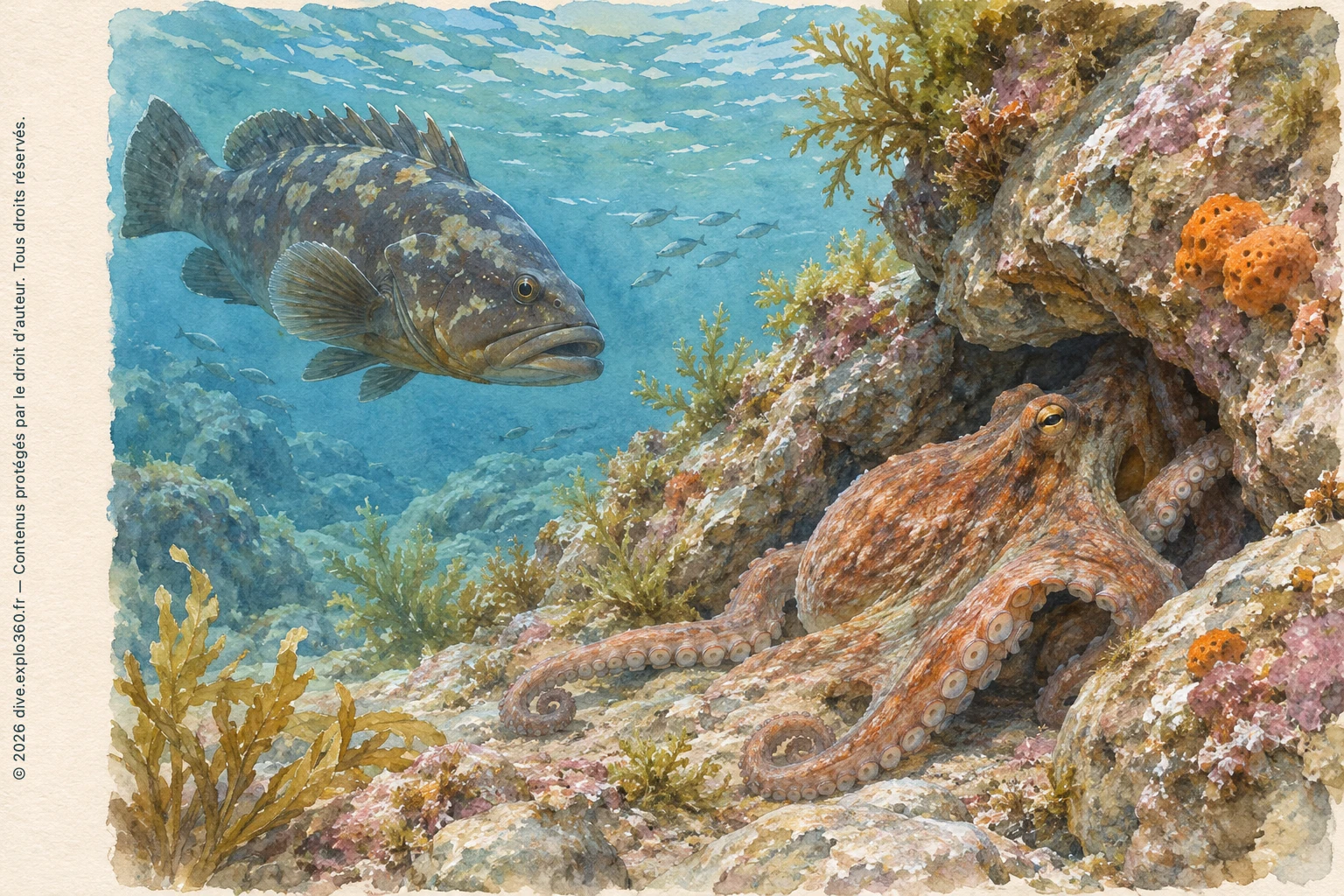
Wound closure, regrowth and autotomy describe different stages or mechanisms. A predator may tear off an appendage, and in some species a viable fragment can form a new individual.

Three processes to tell apart

1

Wound healing

The injury closes and the protective barrier forms again.
2

Regeneration

Living tissues rebuild a lost structure.
3

Autotomy

Part of the body separates through a specialised mechanism within the animal.

How does a body rebuild what it lost?

Regeneration begins with cells and signals from the tissues that survive. Some cells proliferate. Others lose some of their specialisation, a process called dedifferentiation. To rebuild an organ, cells must organise themselves and establish connections.

Picture the missing part. Look first at what stayed alive around the injury.
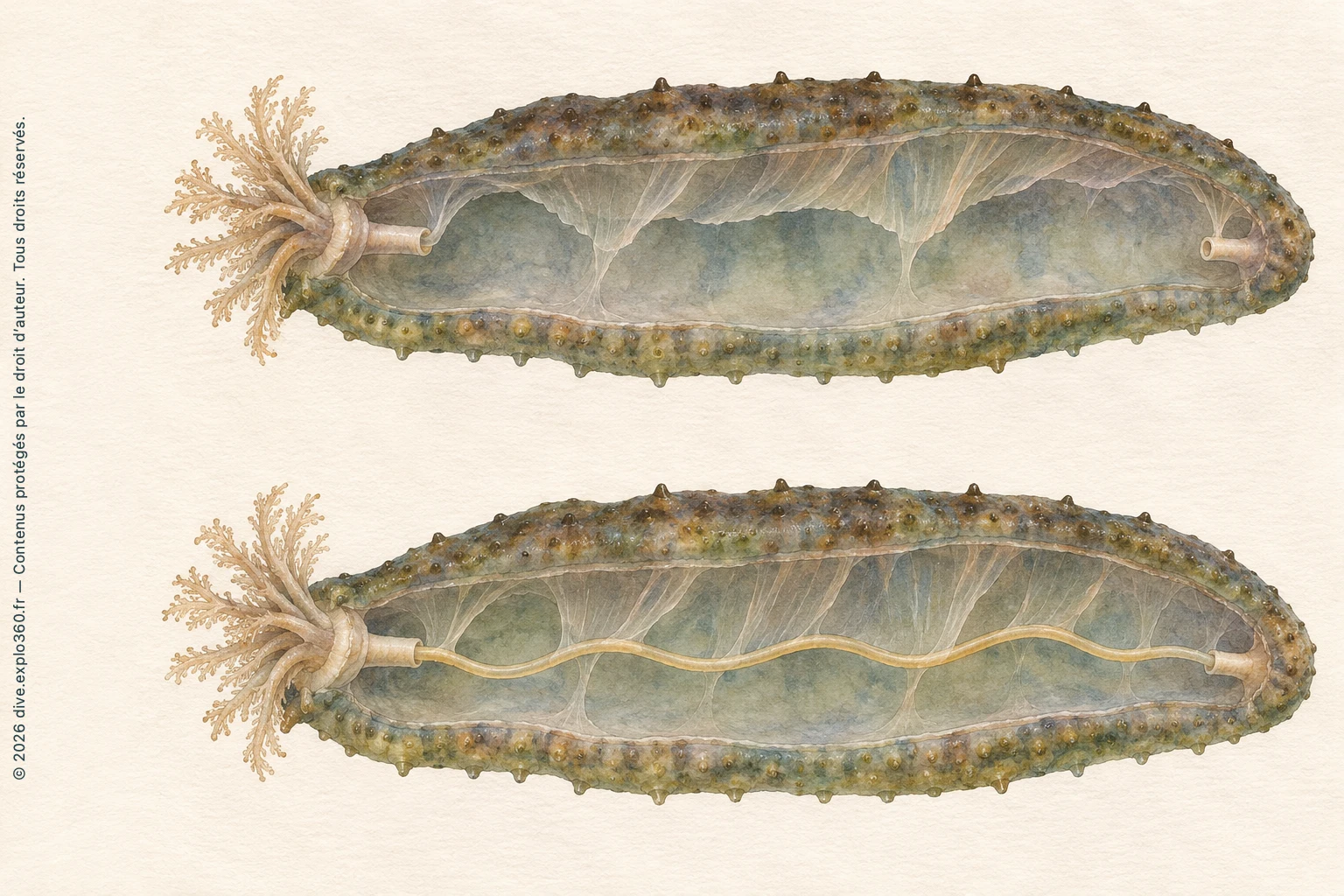
Two cutaway views of a sea cucumber: without an intestine, then with an intestinal tube forming.
After the sea cucumber expels its intestine, the mesentery and the parts of the digestive tract that remain help form a new intestine. © dive.explo360.fr — All rights reserved. Reproduction requires permission.

Rebuilding an intestine from surviving tissues

After evisceration in Holothuria glaberrima, the free edge of the remaining mesentery thickens. Cells there change state and the thickening becomes the first stage of a new intestine. Cells from the surviving ends of the digestive tract help form the inner lining as the tube becomes continuous again.

Continue reading

AMIGANSEAU CONTENT

The rest of this article is for subscribers

Log in with your AMIGANSEAU licence to continue reading.

All active AMIGANSEAU licences give access to the full article.