How water moves
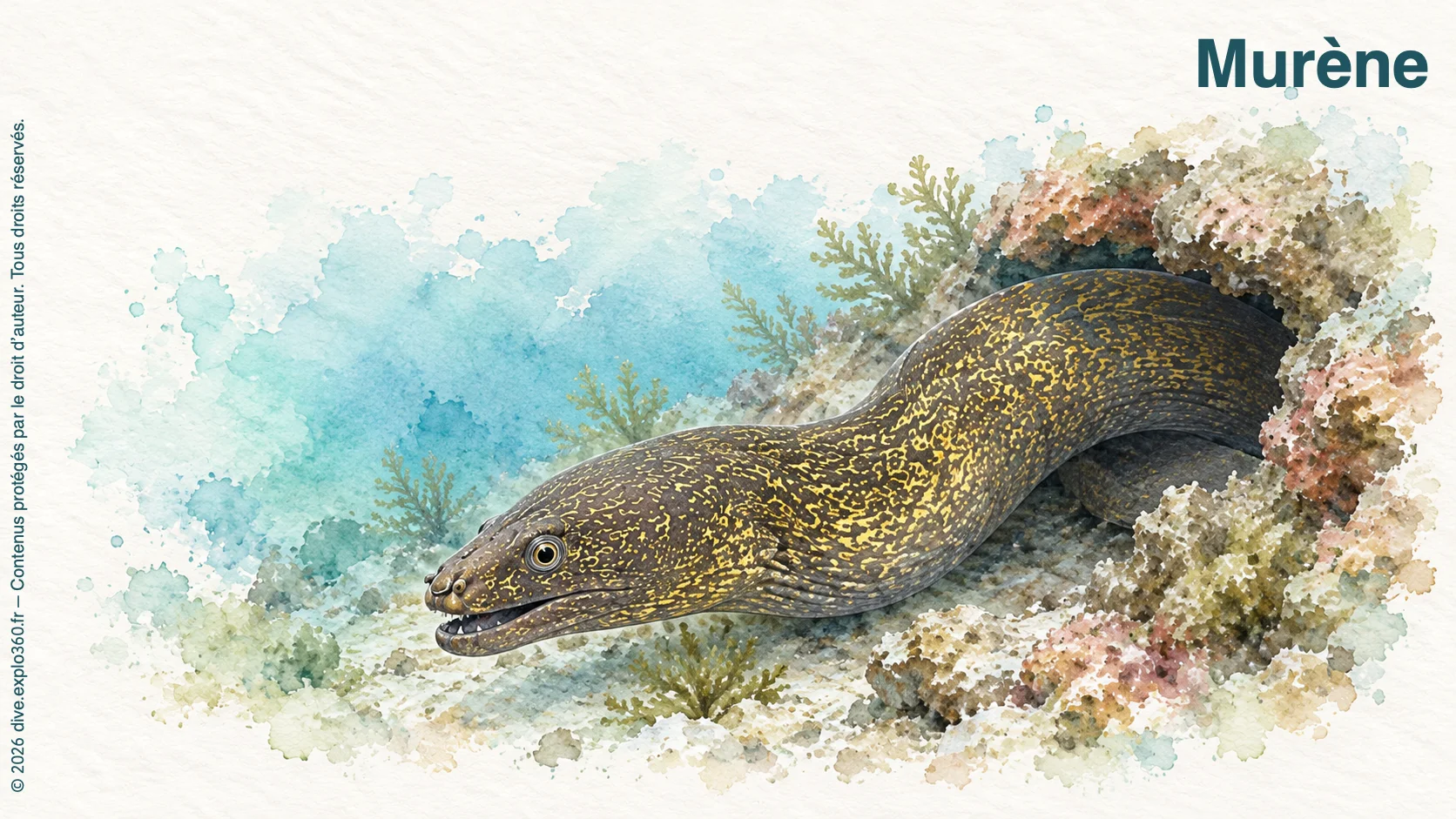
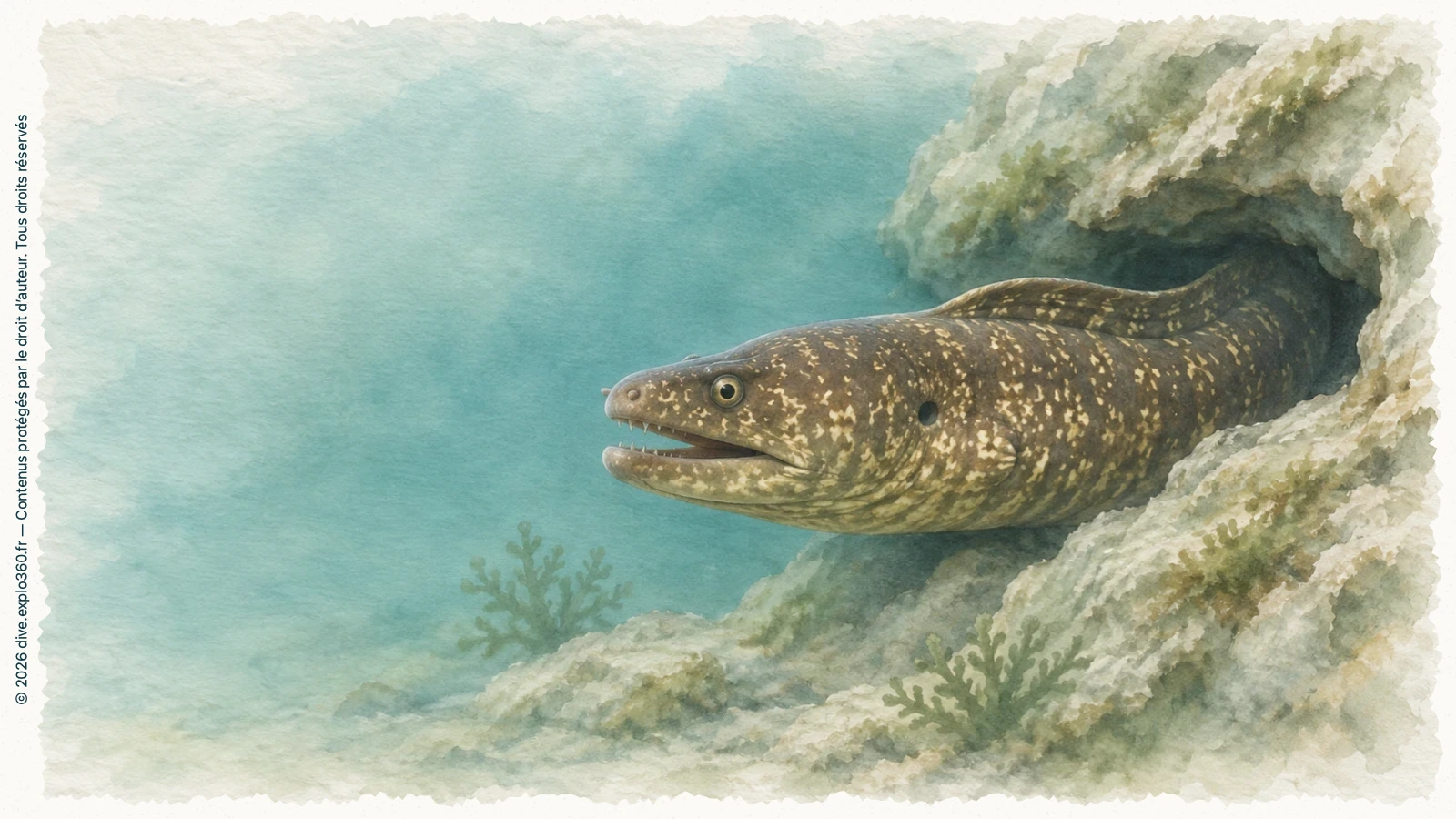
As the jaws open and close, they help pump water in through the mouth and over the gills. The gills take up oxygen from the water, which then flows out on either side of the head.
Openings behind the head
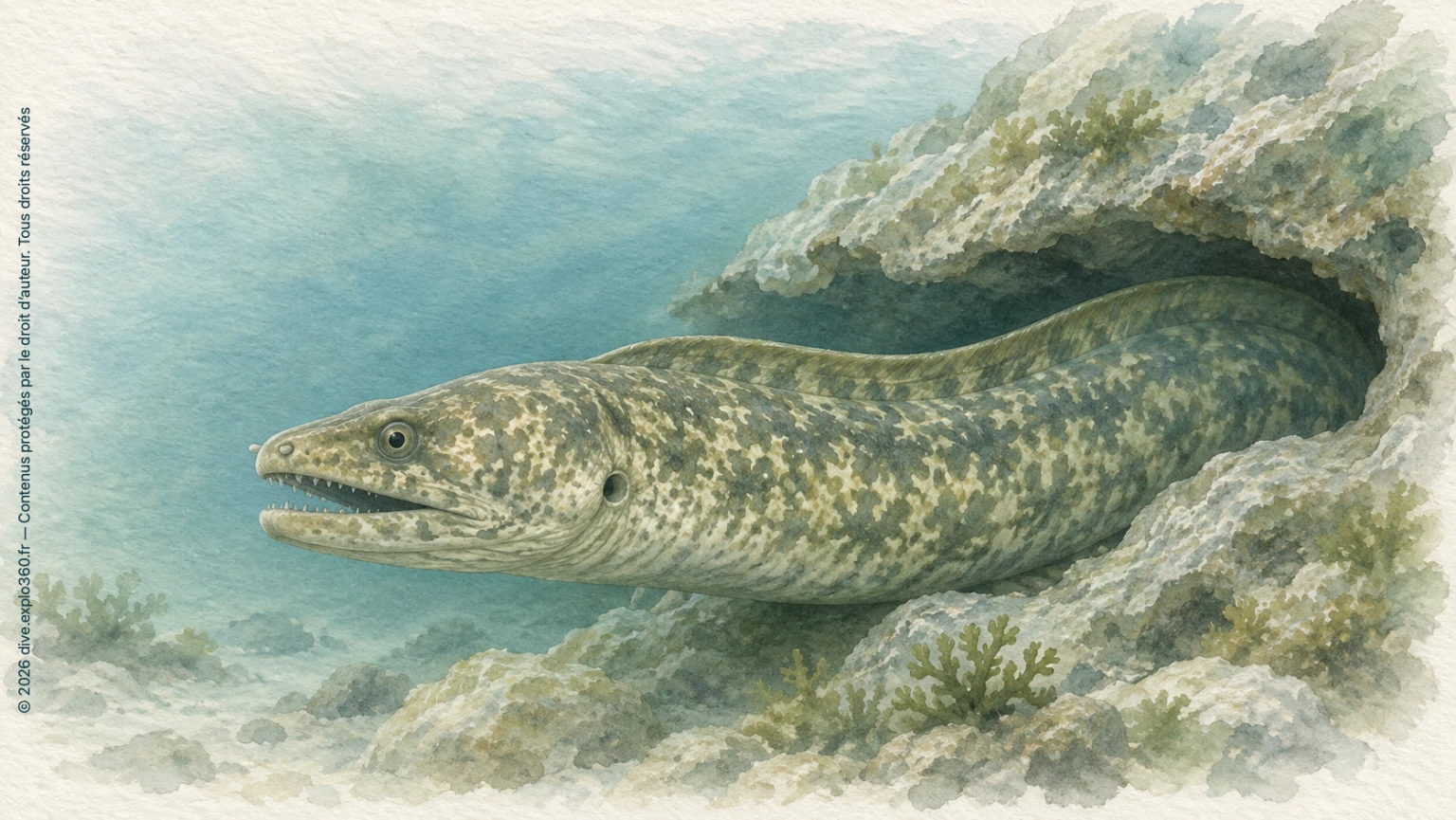
Look just behind the head for a small opening on each side. That’s where the water comes out after it has passed over the gills.
Breathing from shelter
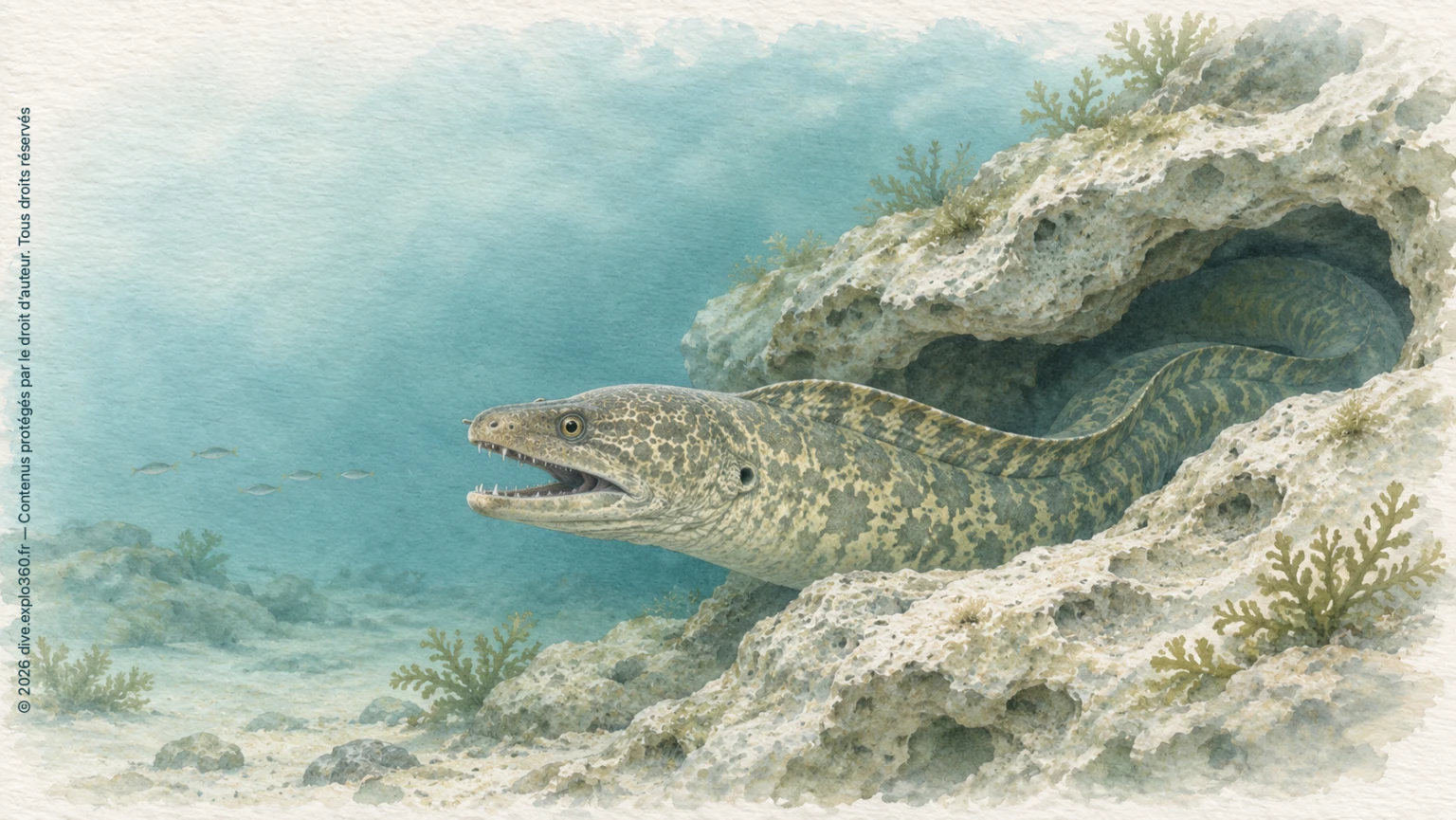
A moray can tuck its long body into a crack and leave just its head sticking out. As long as it can pump water over its gills, it can breathe right there in its shelter.
The jaws in the throat
The front jaws catch the prey. Then a second set of jaws reaches into the mouth from the throat. These are the pharyngeal jaws. They take hold of the food and pull it back so the moray can swallow.
Explore the same world