Brilliant fish can live against a beige background
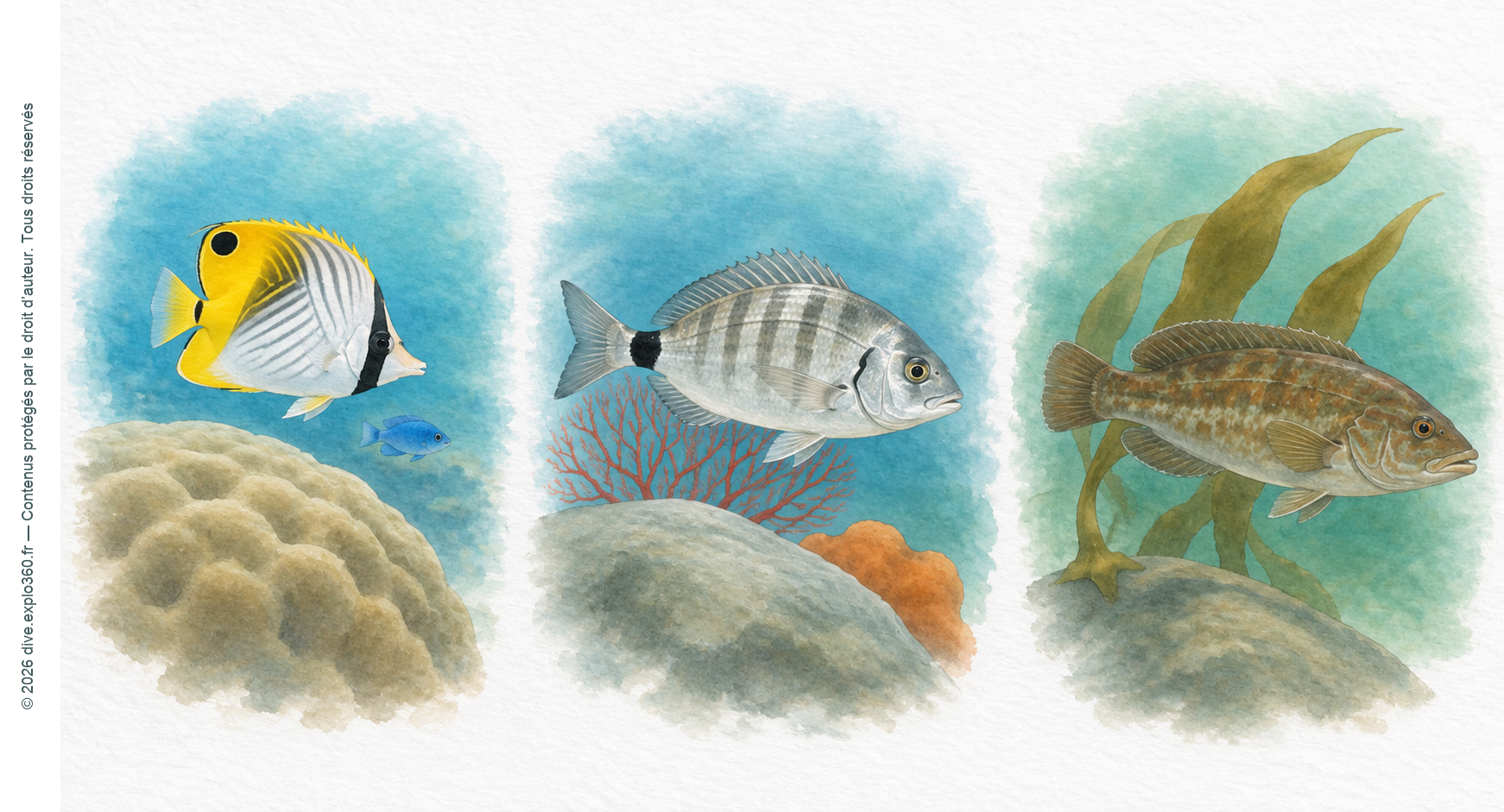
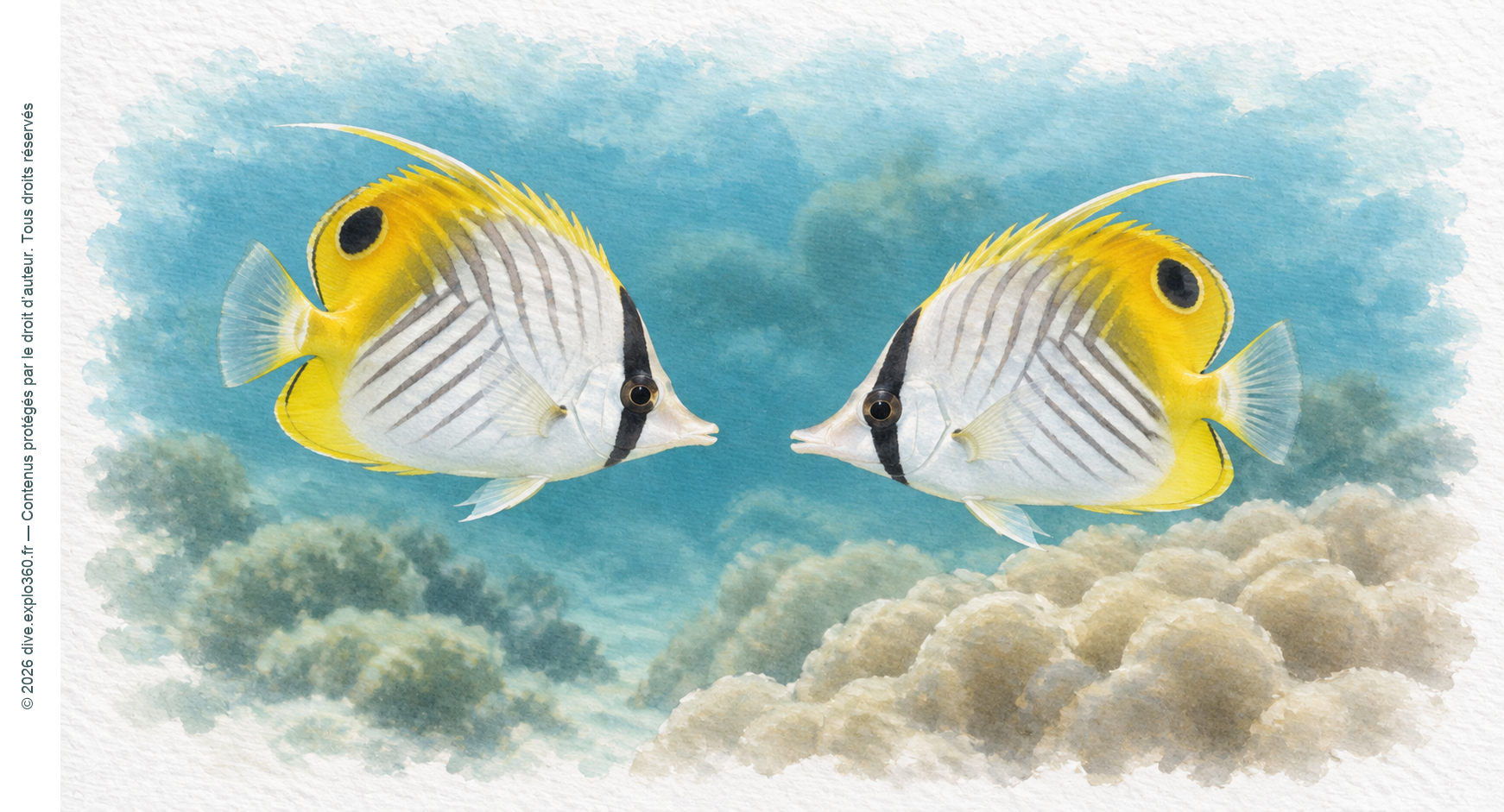
Many reef-building corals look brown or beige in natural light. Yet fish swimming above them can be yellow, blue or orange. Saying that fish copy a multicoloured background is therefore not enough to explain their colours. We also need to consider their interactions with other fish.
Recognising a member of the same species
Tropical reefs bring together many species. In some of them, patterns contribute to recognising members of the same species. This is useful for finding a mate or identifying a rival. Colours are not a universal code: their role depends on the species, movements and situation.
Reproduction and territory defence
In some wrasses, colouration changes with sex, age or life phase. During courtship, colours and movements can make an individual more noticeable to a mate. During an encounter with a rival, they can also accompany territory defence. A conspicuous colour may therefore be useful even if it makes the fish easier to notice.