Cleaning stations on the reef
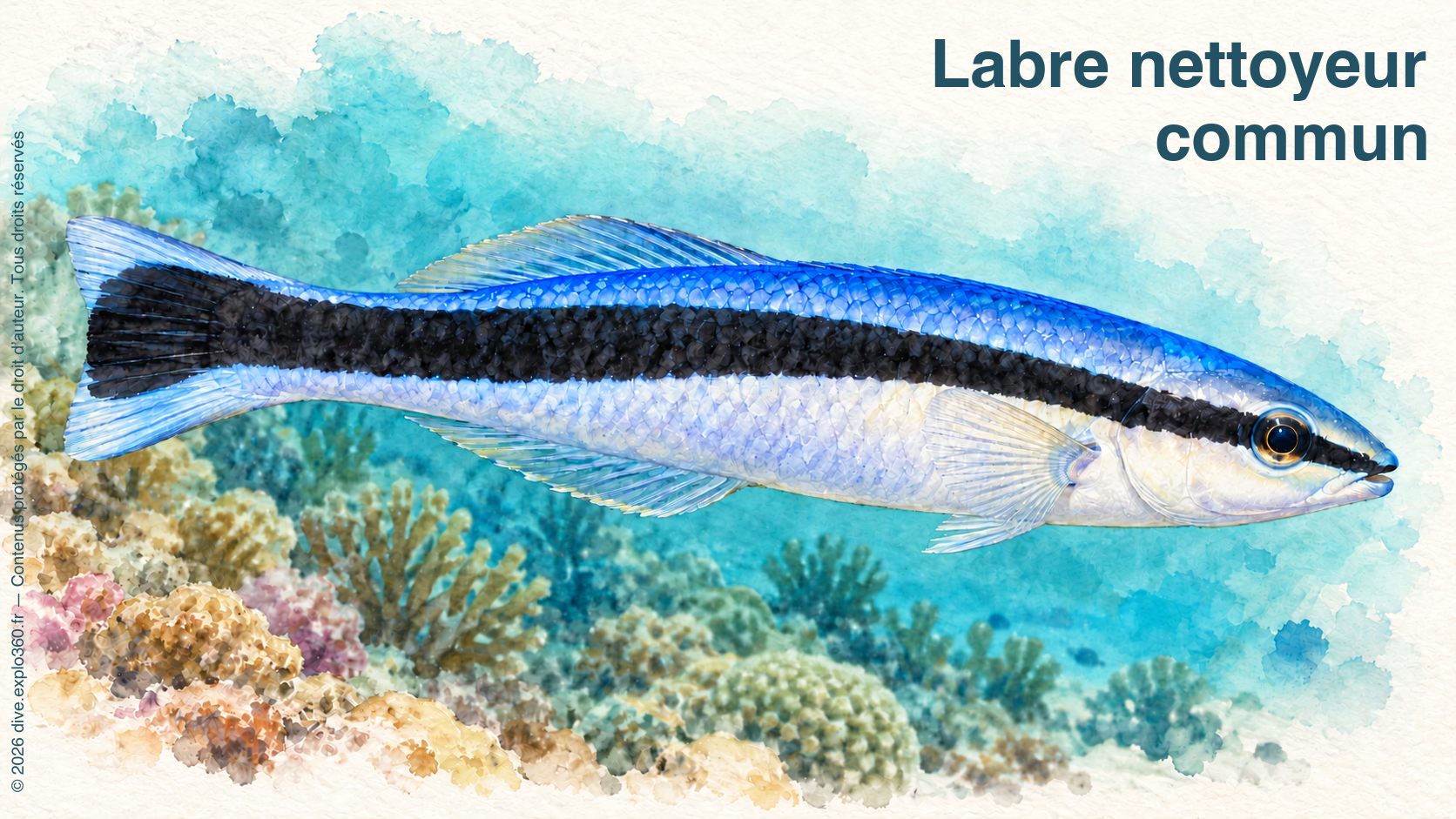
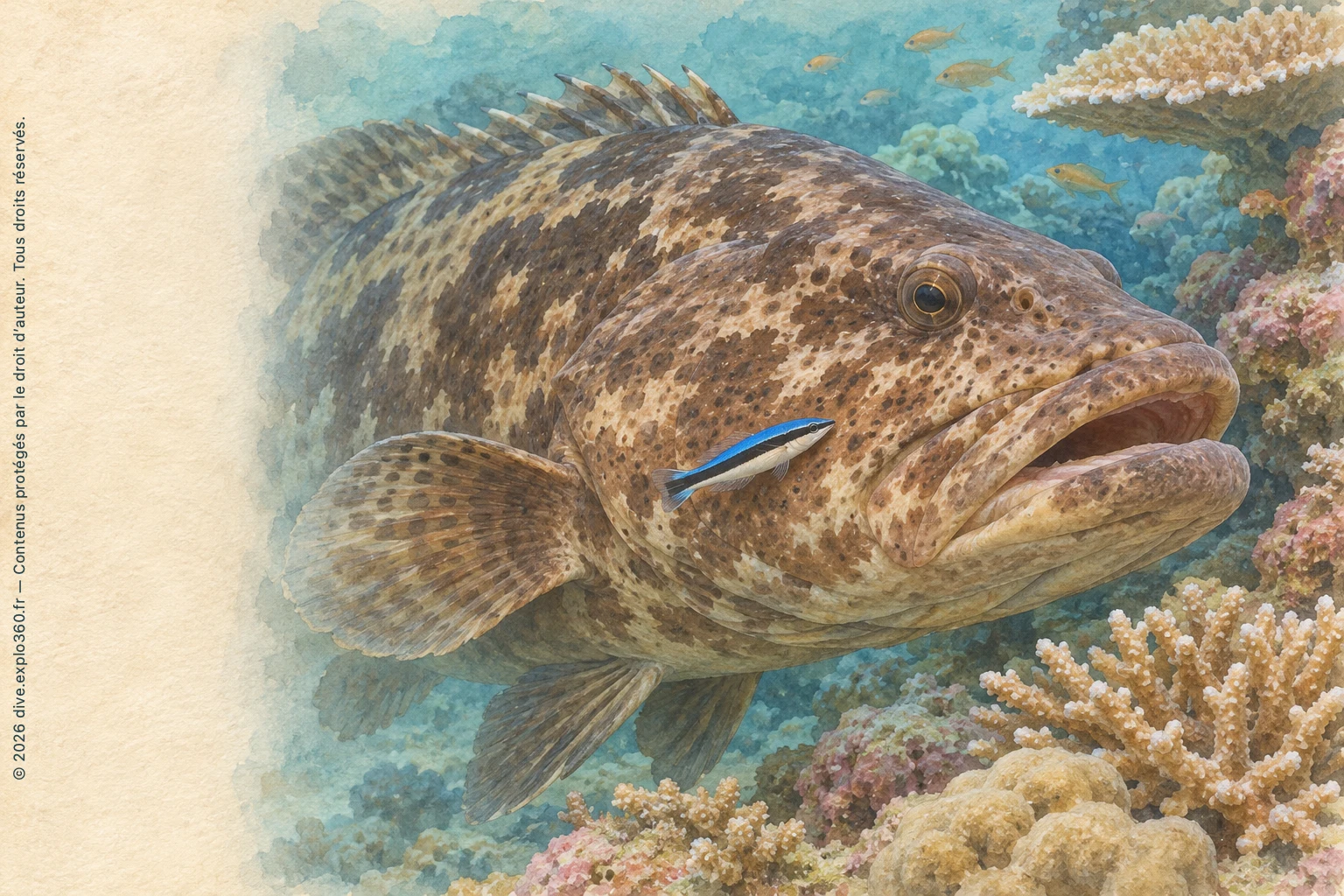
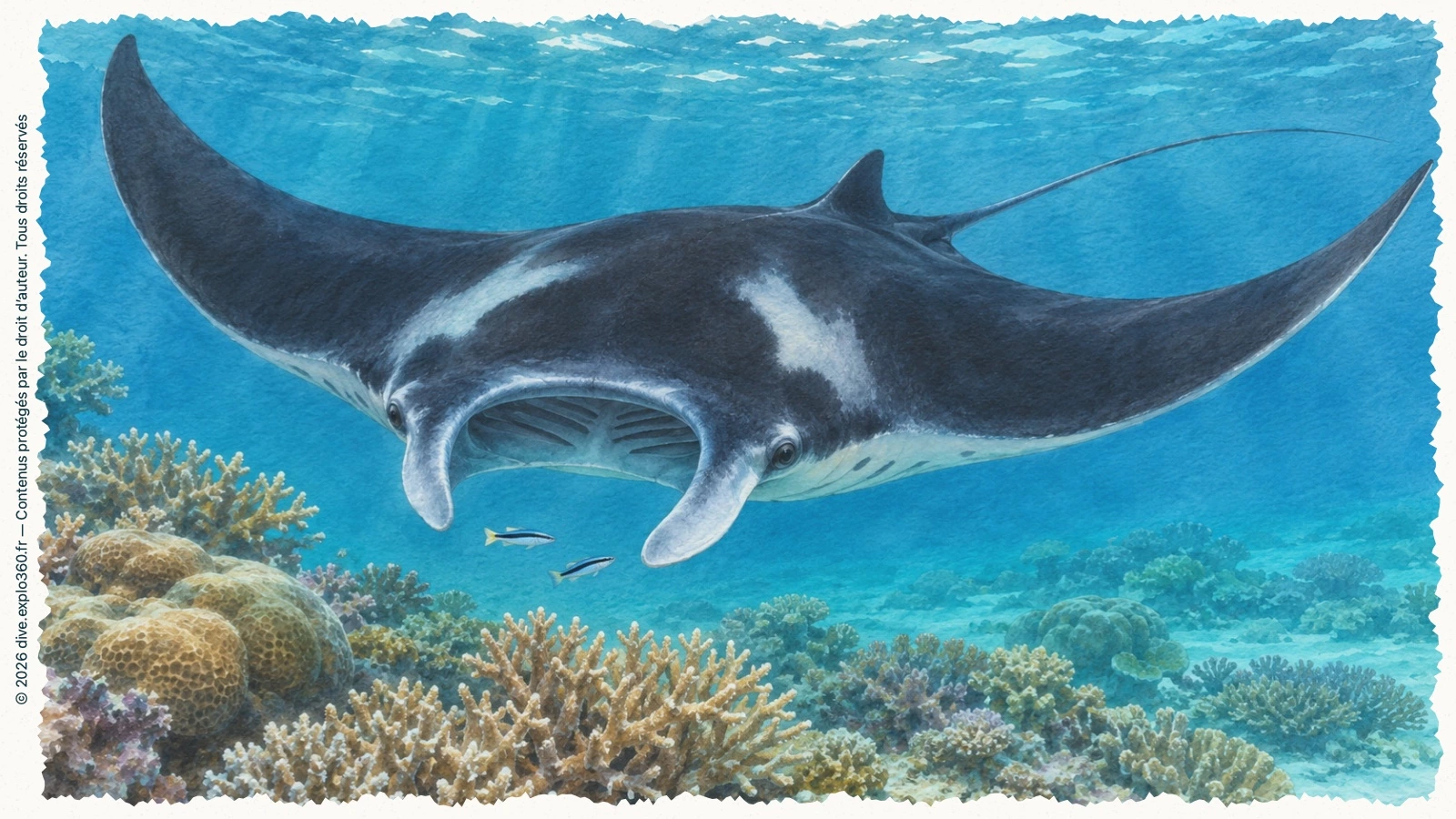
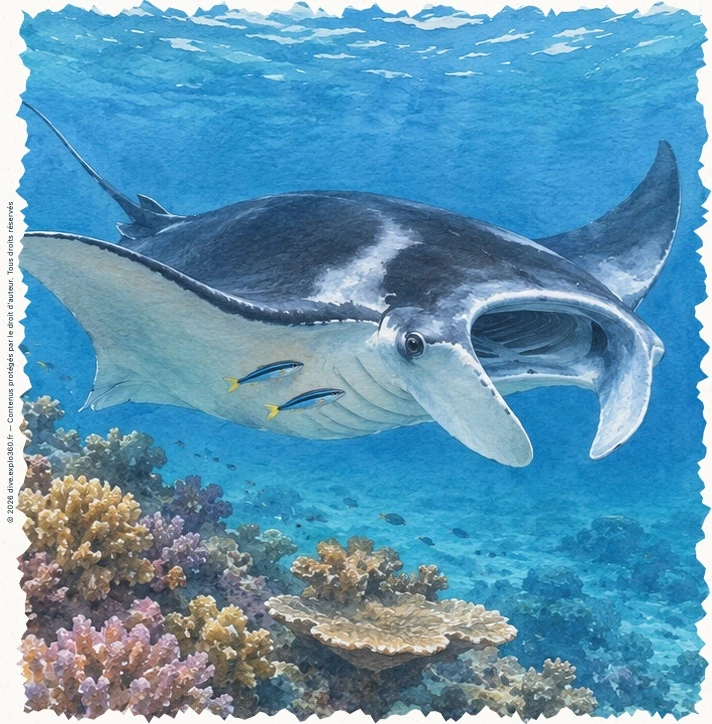
A few metres above a coral outcrop, a manta slows and holds position facing the current. Cleaner fish emerge from the reef and approach the ray. This is a cleaning station. The fish pick parasites and other material from the manta’s skin. They may work around the mouth, along the fins and near the gill openings.
An active station offers something a manta can come back for long after the first visit. Several rays may also encounter one another over the same patch of reef. In the Maldives, these stations often form around features such as thilas, or submerged reef pinnacles. The same outcrop can provide a place to be cleaned and a place to meet other rays.
Hanifaru Bay, where plankton builds up
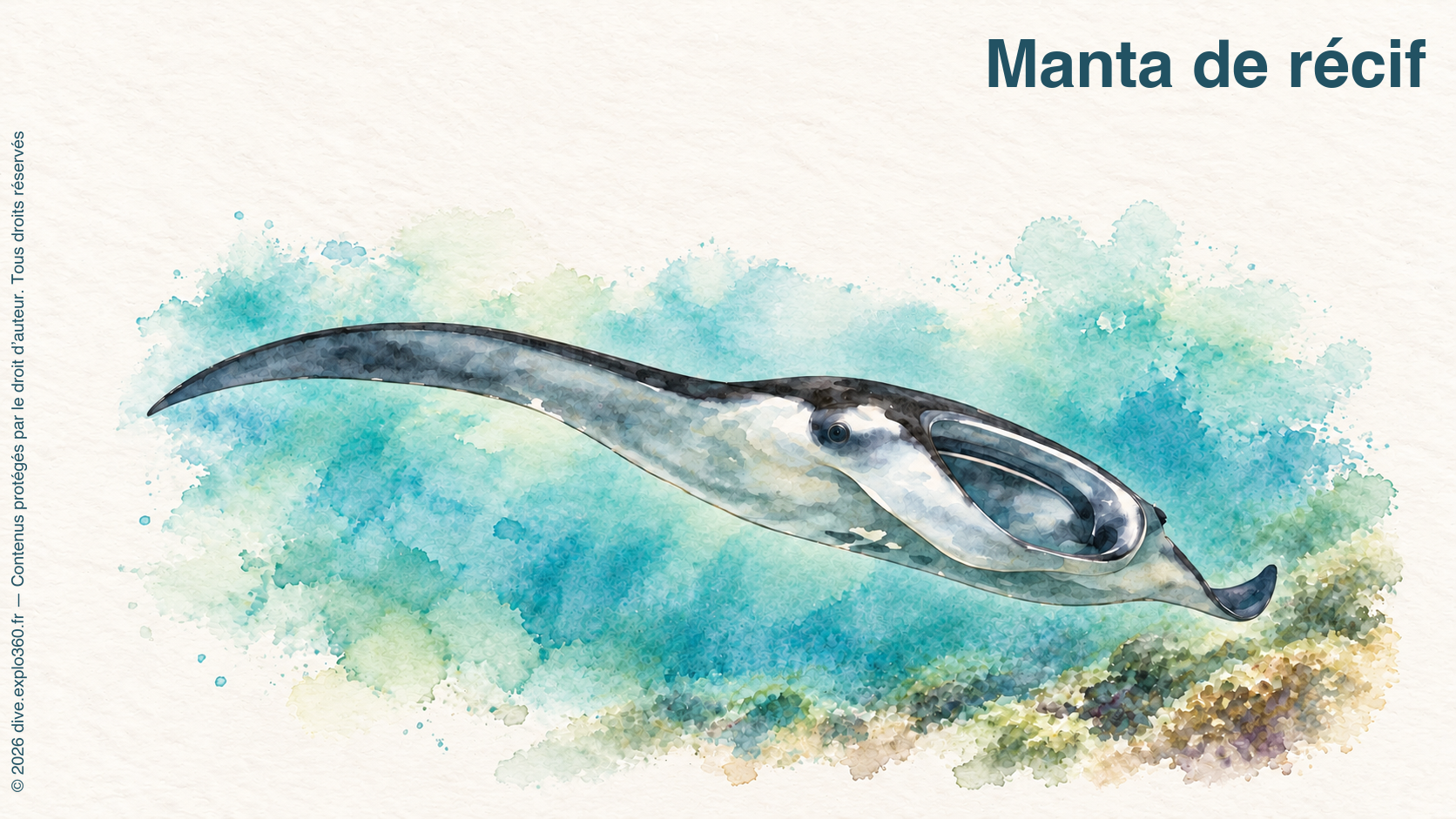
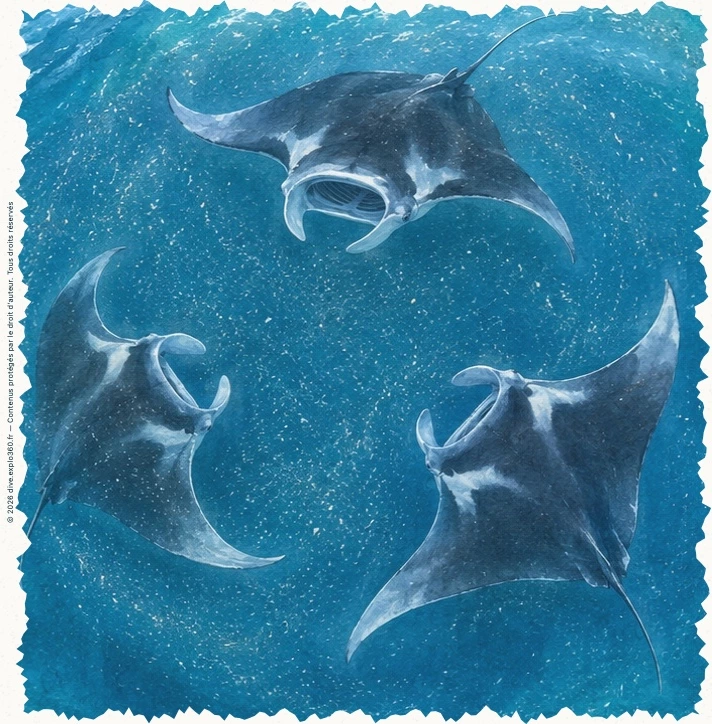
Hanifaru Bay lies in Baa Atoll. As tides push water past the bay entrance and the surrounding reef, zooplankton can become concentrated in a small area. Reef manta rays, Mobula alfredi, feed on these concentrations of zooplankton. A feeding manta unfurls the cephalic fins beside its mouth to guide water in. As it swims, its filtering structures retain prey.
In dense patches of plankton, rays can follow one another in lines. When many turn along the same path, they may form a revolving group. This is known as cyclone feeding. Gatherings of more than 200 mantas have been recorded at Hanifaru. The size of a gathering depends on the food available, which can change with the season, the tide and local flow.
The bay can look empty in the morning and fill with mantas once the current brings enough food together.
Different places, different behaviours
Mantas come to Hanifaru mainly to feed. At Nelivaru Thila, also in Baa Atoll, they visit a cleaning station. The way a manta holds its body can reveal what it is doing.
A feeding manta unfurls its cephalic fins and holds its mouth wide open. Water flows through its filtering apparatus, which traps plankton. The manta may swim long paths, turn sharply, or loop repeatedly through a patch of food.
Over a cleaning station it slows, stays close to the reef and shifts position as the cleaner fish approach. Some sites serve more than one purpose. At Dhigu Thila in Baa Atoll, mantas have been seen feeding, being cleaned and interacting. A ray can move between places that offer different resources in the same area.
A return to the same stretch of reef can give an animal access to more than one of those resources.
Explore the same world