Habitats with different roles
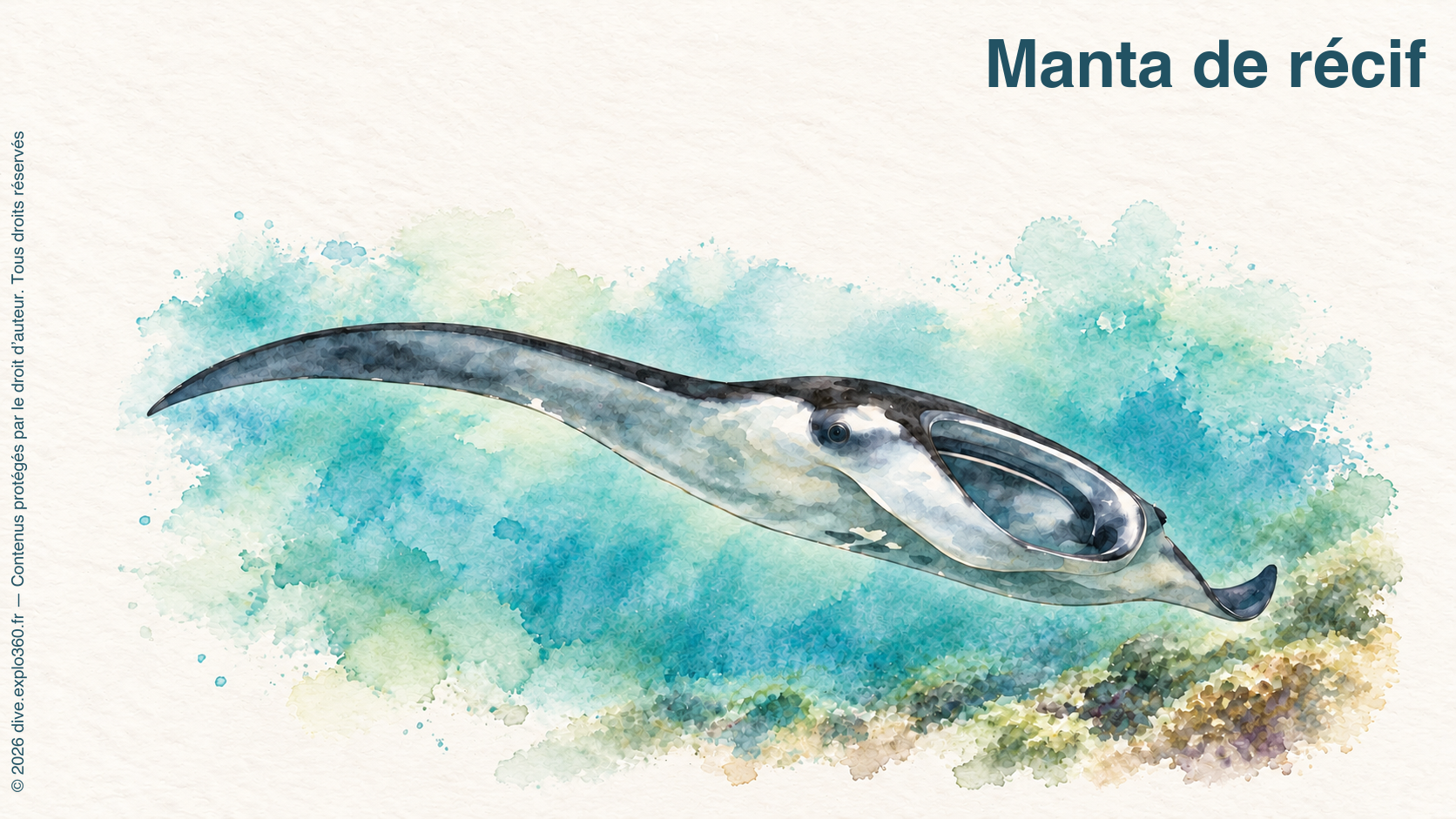
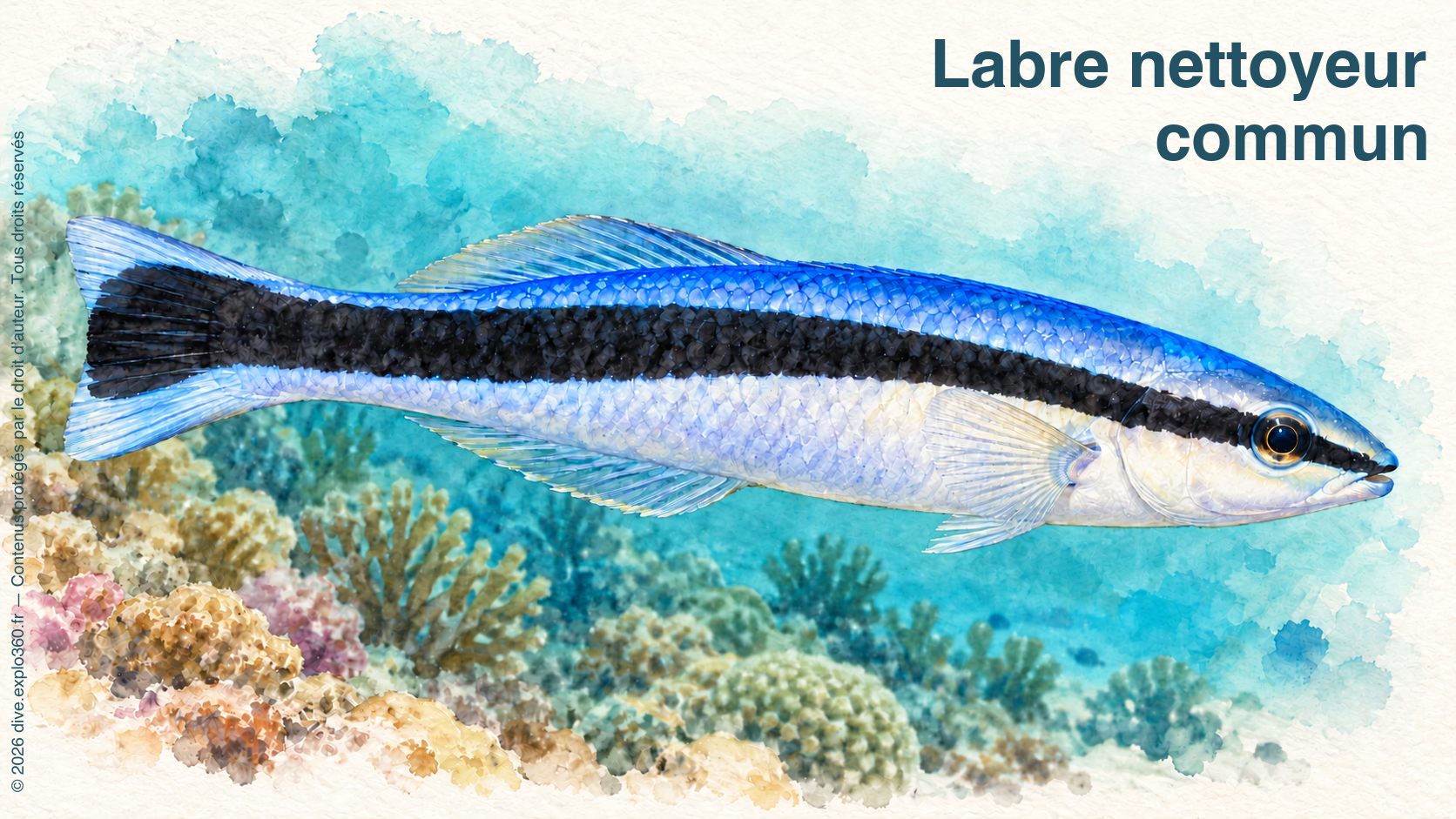
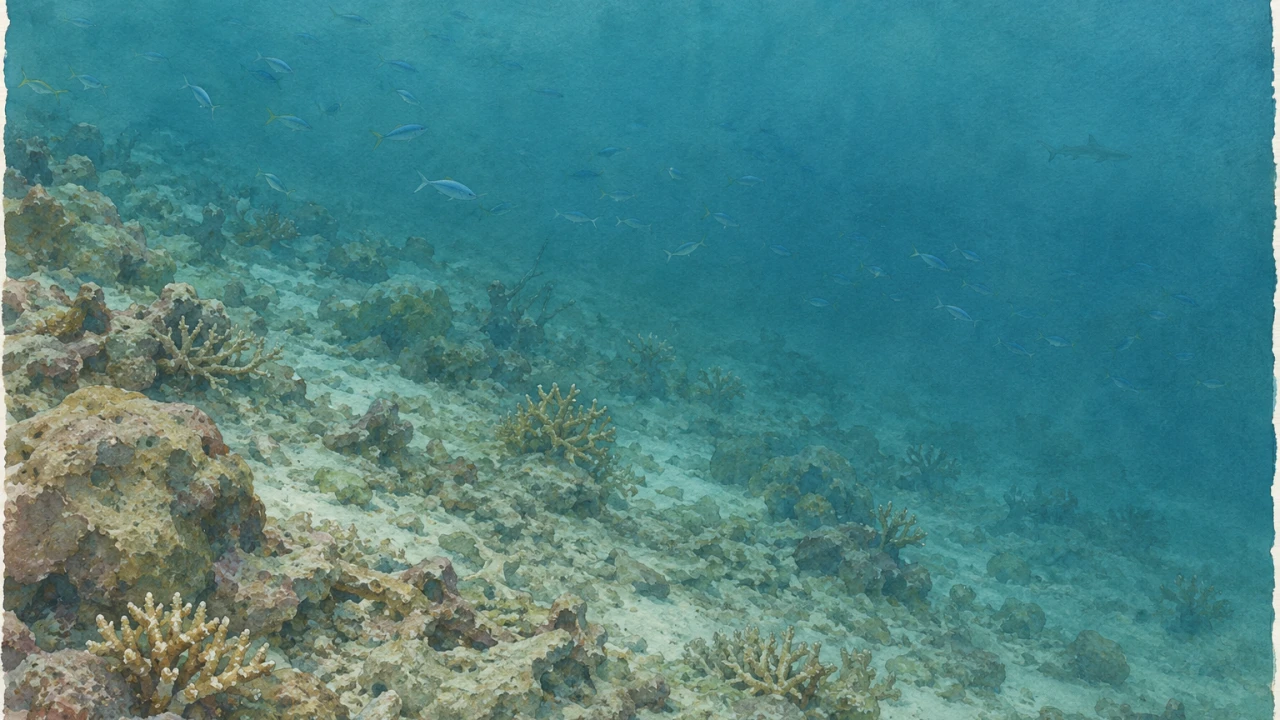
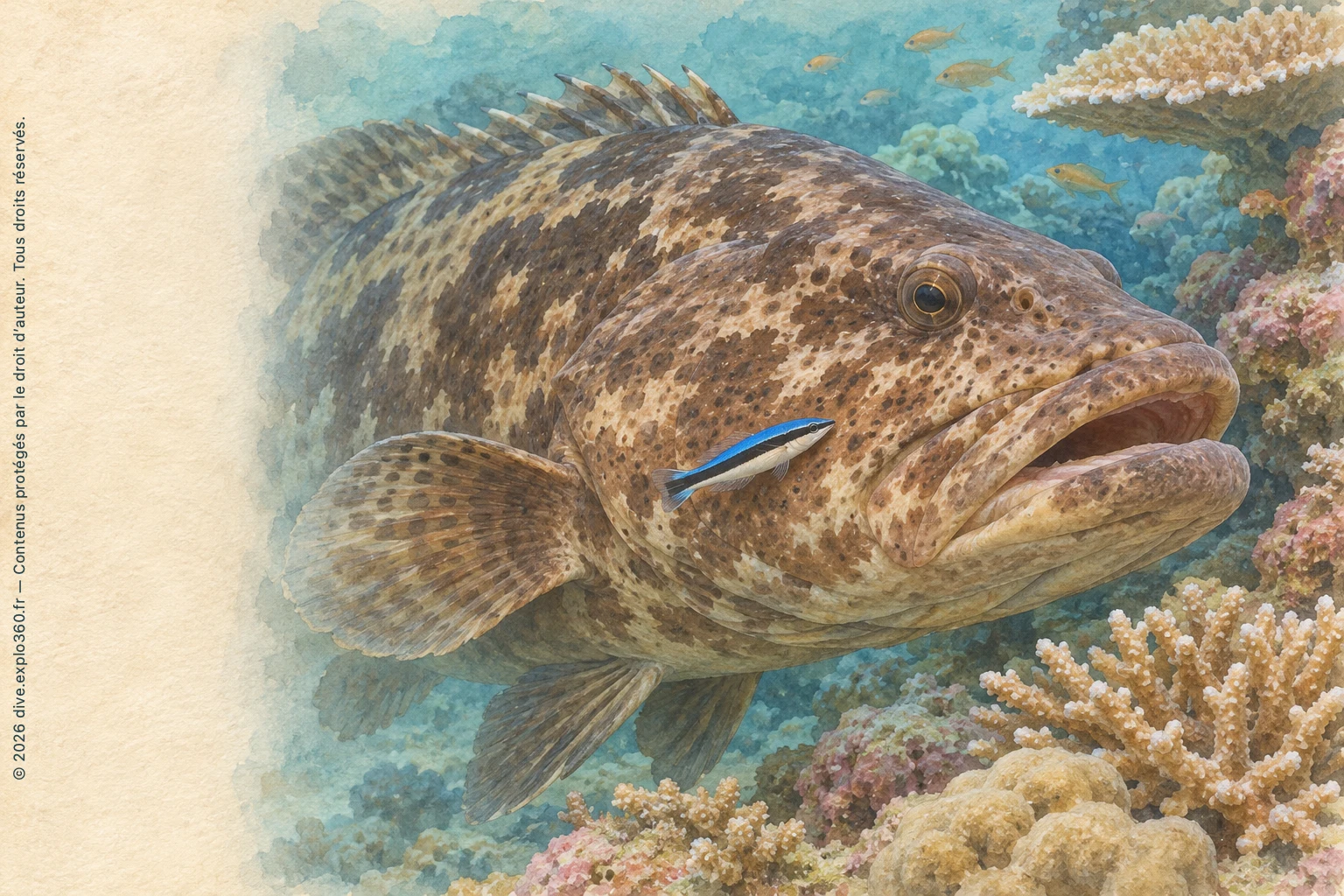
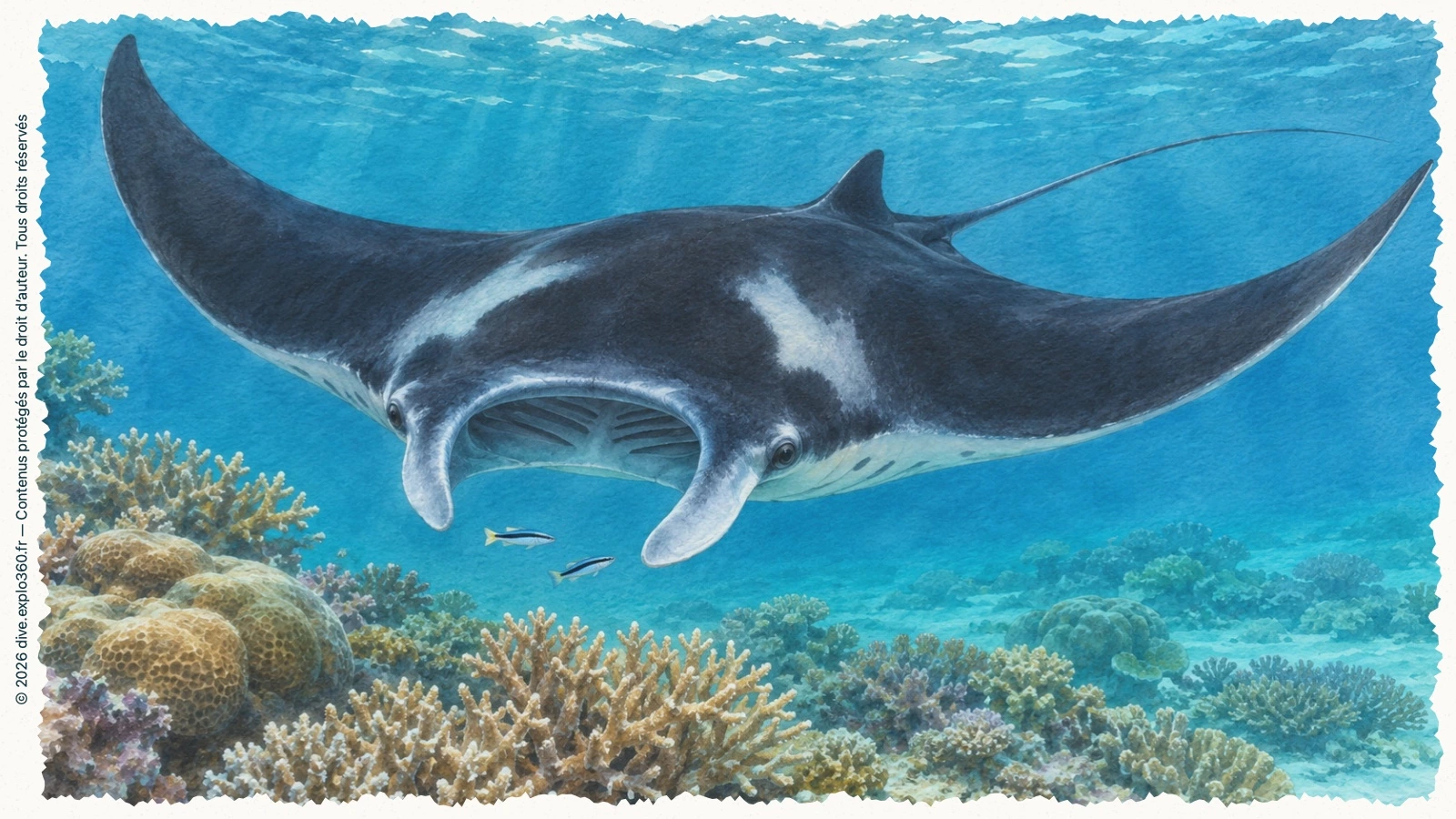
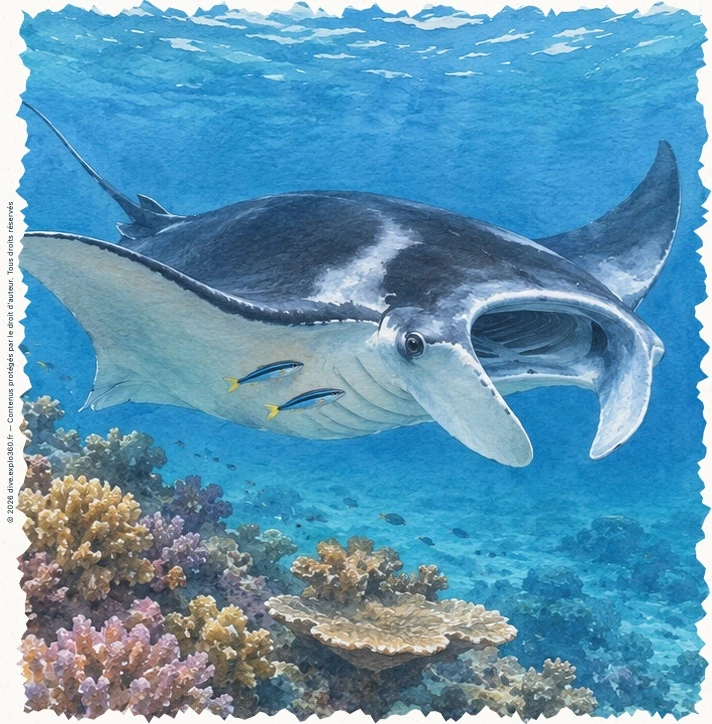
At Nelivaru Thila, mantas slow over a reef outcrop and allow cleaner fish to remove parasites. Nearby Hanifaru Bay mainly offers food. Repeated visits to both locations can serve different needs within the same atoll.
Tides, reef shape and prey availability
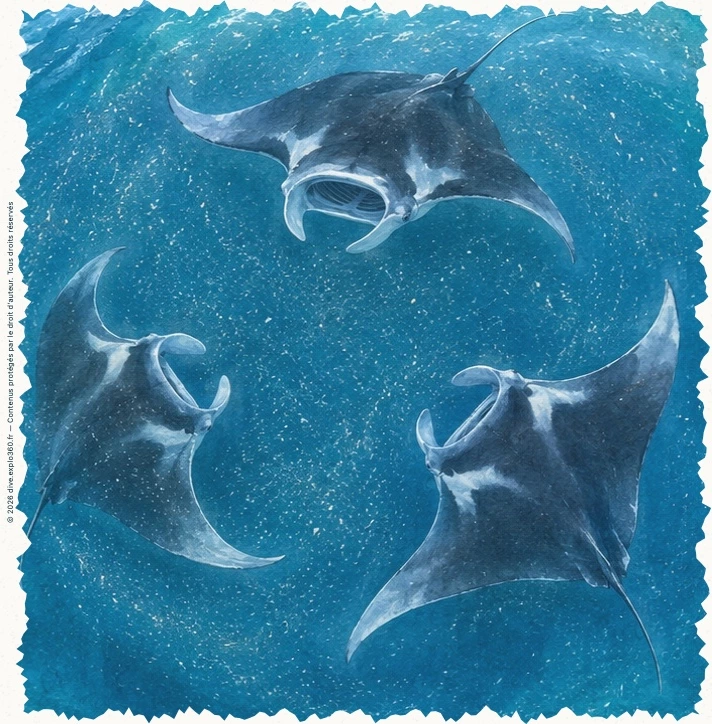
The interaction of tidal currents with the reef can concentrate zooplankton in Hanifaru Bay. Hydrodynamic modelling suggests that temporary eddies may help retain prey there. The food supply can change within a day.
Two places, two activities
Observers can distinguish feeding from cleaning by watching posture and movement. A feeding ray swims with its mouth open and cephalic fins unfurled, while a ray being cleaned slows and adjusts its position close to the reef.
Explore the same world