The dominant male has gone. What happens next?
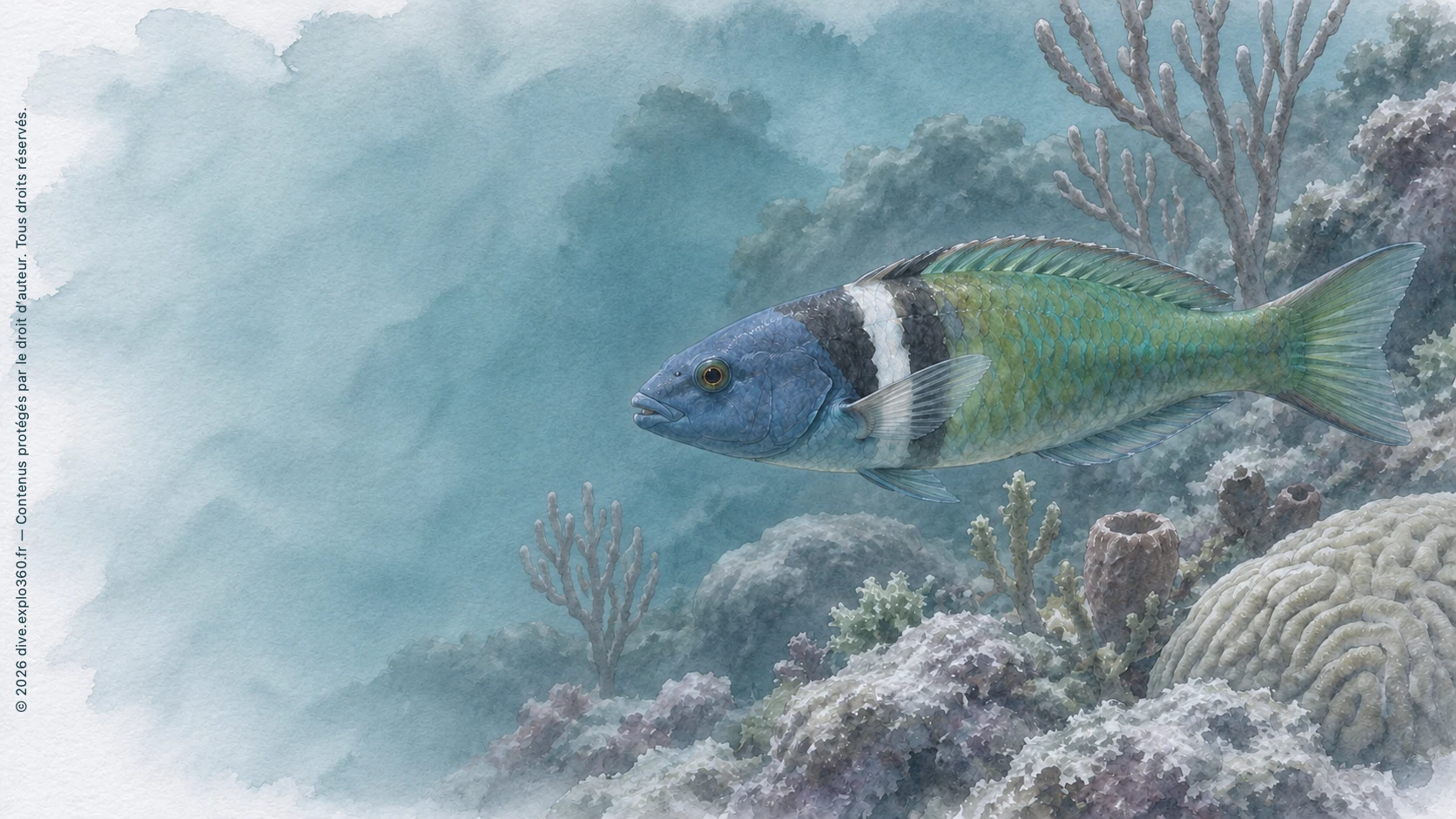
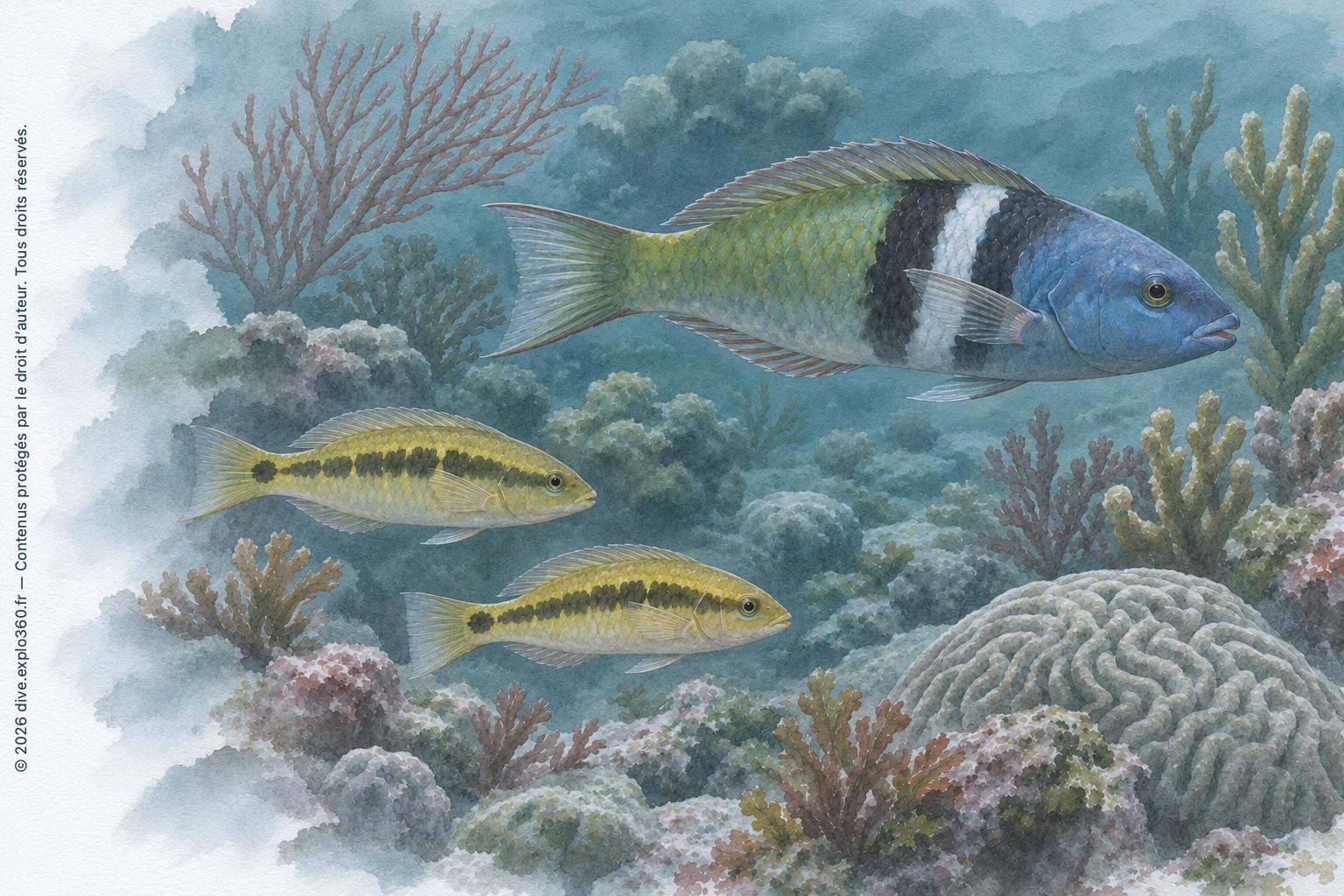
On a Caribbean reef, a dominant male bluehead wrasse holds a breeding territory. Its presence influences the behaviour of other fish, especially the females that use the area. Then the male disappears.
A study published in 1991 documented what happened next. Biologists removed dominant males from several groups and followed the reactions of the remaining fish. Within minutes of a male’s removal, some large females were already behaving as males do. That same day, researchers saw fish that had previously spawned as females take on the male role during spawning.
Yet their reproductive organs had not yet completed their transformation.
The first changes in colour appeared by the following day and grew clearer over the next few days. Some of the fish produced mature sperm in as little as eight days. By examining the gonads, the researchers confirmed that the fish had acquired a new reproductive function as well as displaying male behaviour. The first sign of change was visible within minutes. The evidence that the fish could reproduce as a male came days later, from the gonads themselves.
Two directions, two stories
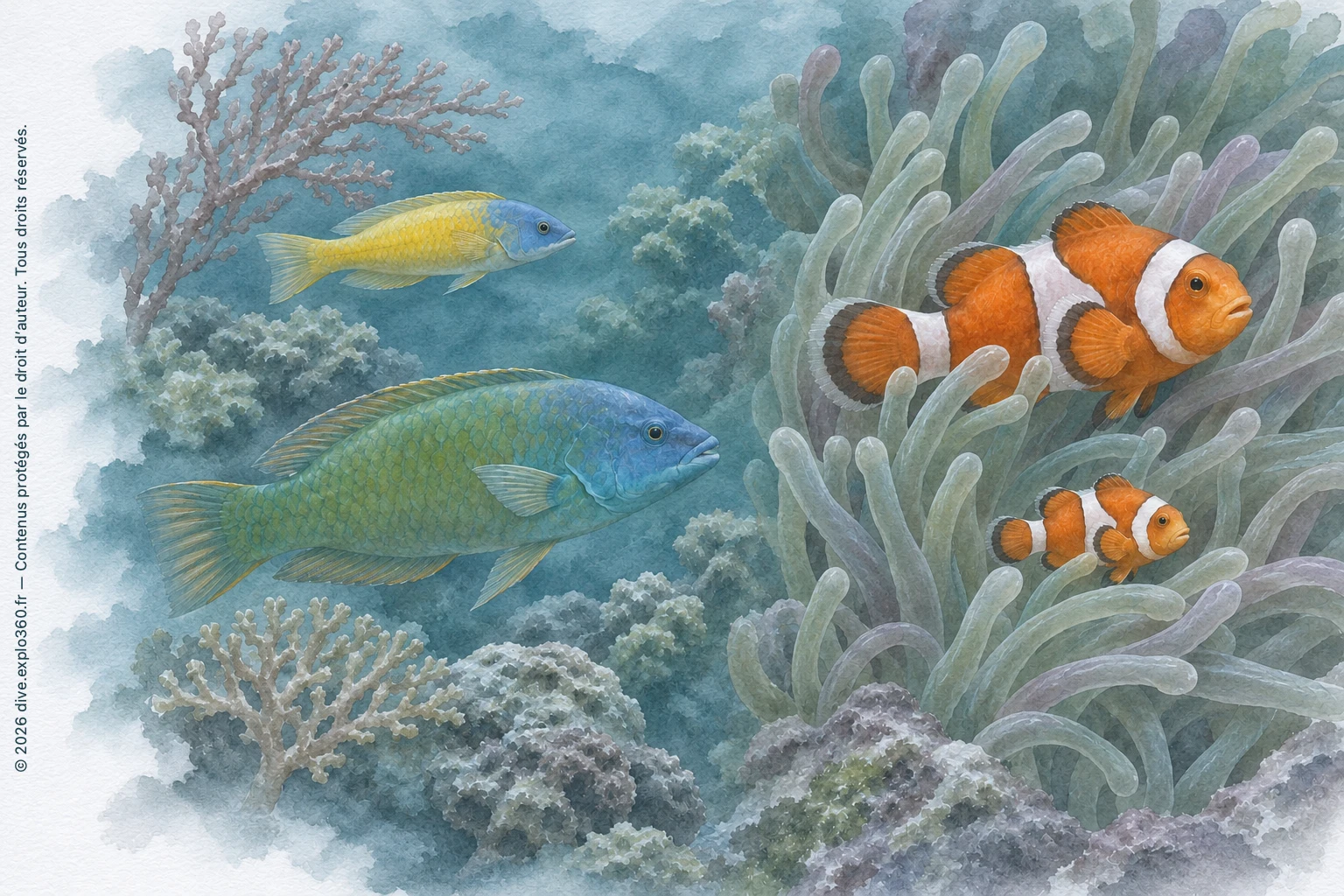
In some species, a fish may produce eggs for part of its life and later become able to produce sperm. In other species, the change goes in the opposite direction.
Biologists call this sequential hermaphroditism. When a fish reproduces first as a female and later as a male, the change is called protogyny. This is the case with many wrasses and some groupers. When the fish first functions as a male and then becomes a female, the change is called protandry. Clownfish provide a particularly well-known example. There are also species that can change in both directions. Why do some fish become male while others become female?
The answer depends in part on how size and social organisation shape their chances of reproducing. In some species, a large male can fertilise the eggs of several females. A fish may therefore improve its chances of reproducing by becoming male once it has grown larger. In others, a large female can produce many more eggs than a small one. A fish may gain an advantage by breeding first as a male and then becoming female once it is larger. The size advantage model explains some of these strategies by linking body size to reproductive success. Social relationships, physiology and breeding conditions also matter. To see how the same kind of vacancy can favour a different outcome, look inside a sea anemone.
The clownfish that waits its turn
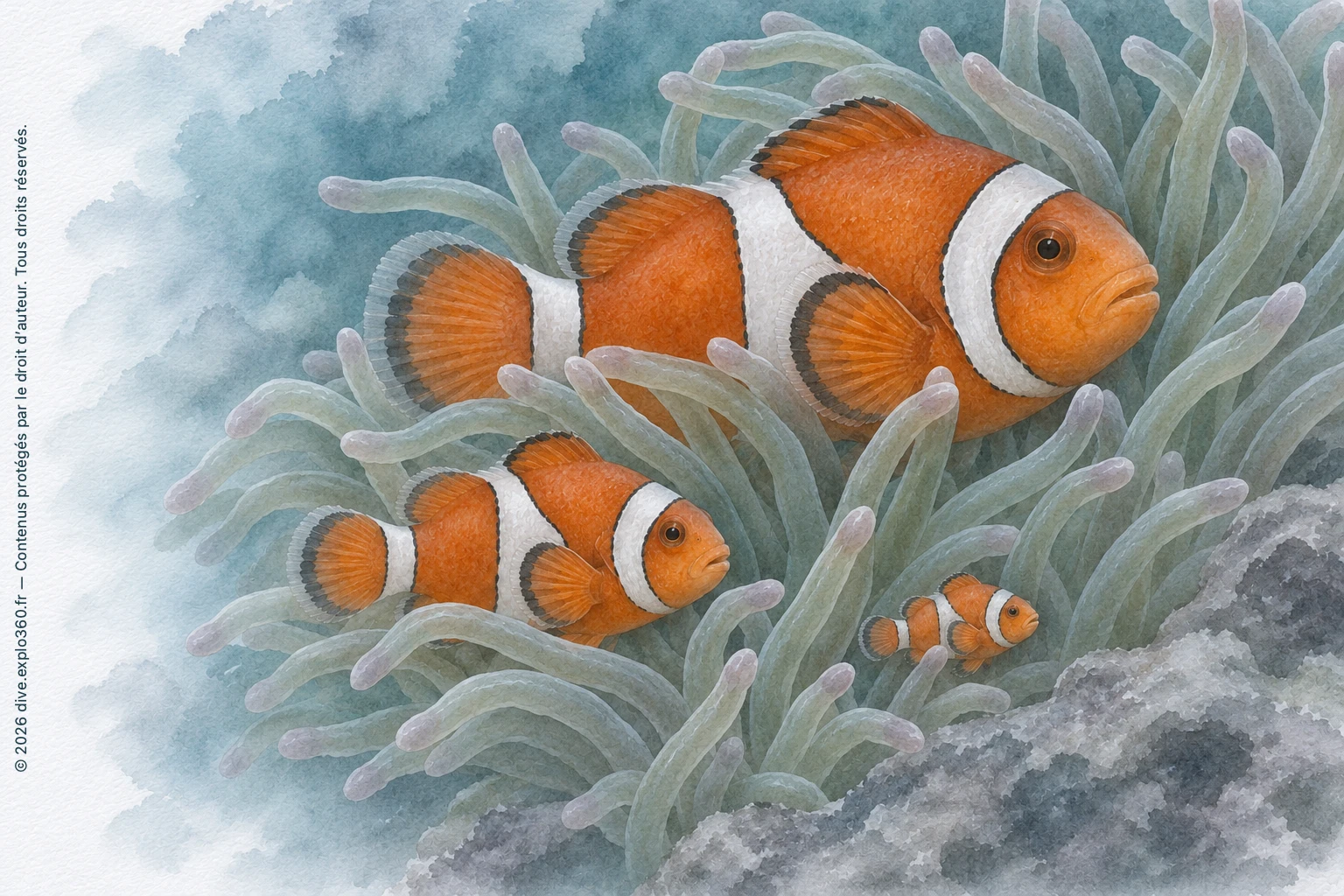
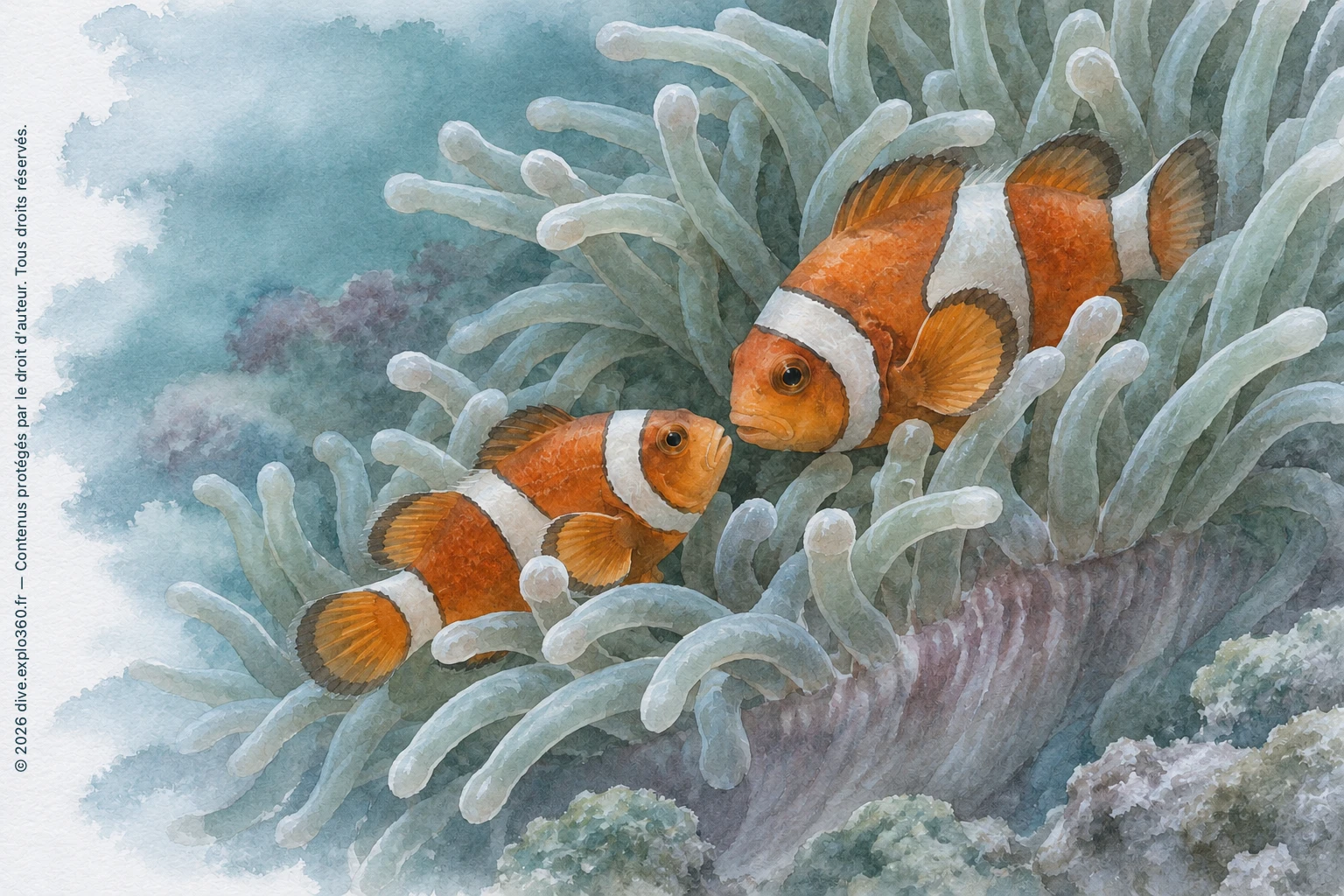
In a sea anemone, several clownfish can share a very small space. In well-studied species such as Amphiprion ocellaris, size sets the order within the group. The largest individual is the breeding female. The second-largest is the breeding male. Smaller fish occupy subordinate ranks and generally do not breed. This organisation limits the breeding opportunities for subordinate fish.
If the female disappears, the breeding male can become female. The largest non-breeding individual can then become the breeding male. The loss of one fish can therefore open up two breeding roles in succession.
However, unlike the bluehead wrasse, the change does not take place in a few days. In Amphiprion ocellaris, experimental studies show a gradual transformation that can take several months. A study published in 2023, involving captive-bred fish, concluded that the fish had to live together for at least five months for the sex change to be complete under the conditions studied. Why does the timetable differ so much from that of wrasses? The gonads themselves develop differently in the two fish. In male clownfish, reproductive tissues include a functional testicular region and ovarian tissues that can develop. When the change starts, the testicular tissue gradually regresses as the ovarian tissue develops. The brain and hormones are involved too. The sequence becomes clearer when researchers follow the changes one by one.
Behaviour and body change at different rates
Behaviour, hormones and reproductive organs might seem likely to change together. Experiments show that each can change on a different timetable. In the bluehead wrasse, male behaviour may appear before the complete transformation of the gonads.
A 2022 study of clownfish found a different sequence.
For six months, the researchers followed clownfish (Amphiprion ocellaris) undergoing a transition from male to female. They studied their behaviour, including aggression and parental care, as well as their sex hormones. The fish continued to behave much like males well into the transition. Female-typical behaviour developed on a different timetable from changes in hormones and gonads. Therefore, behaviour changed later than in protogynous wrasses and could shift after the gonads had completed their transformation.
Other studies have highlighted a reorganisation of the preoptic region of the brain, involved in regulating reproductive functions. Some changes in its cellular organisation unfold over several months or longer. Thus, the brain, hormones and reproductive organs follow schedules that are not necessarily identical. How can a fully functional gonad undergo such a profound change? To answer that, we need to look inside its cells.