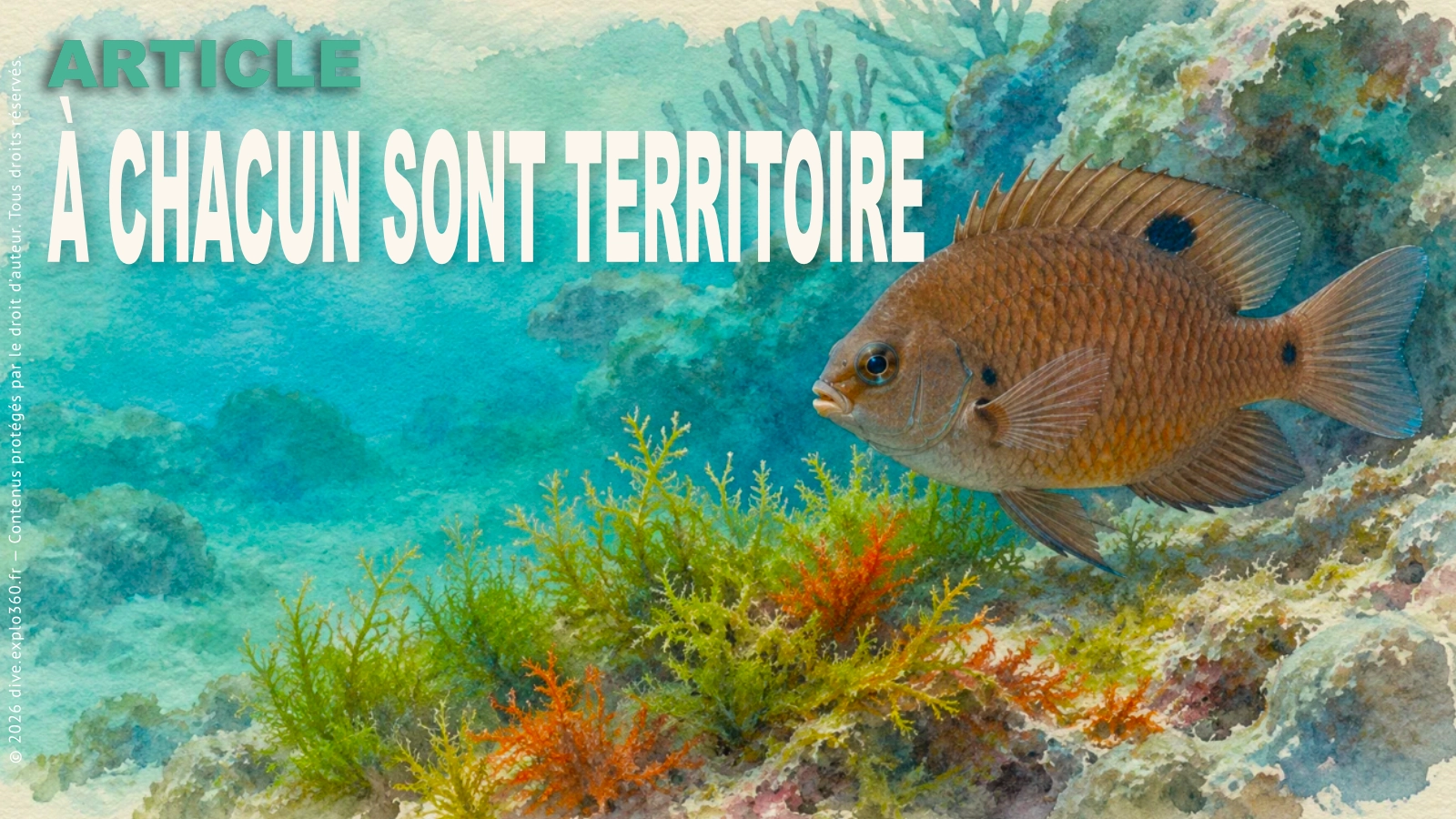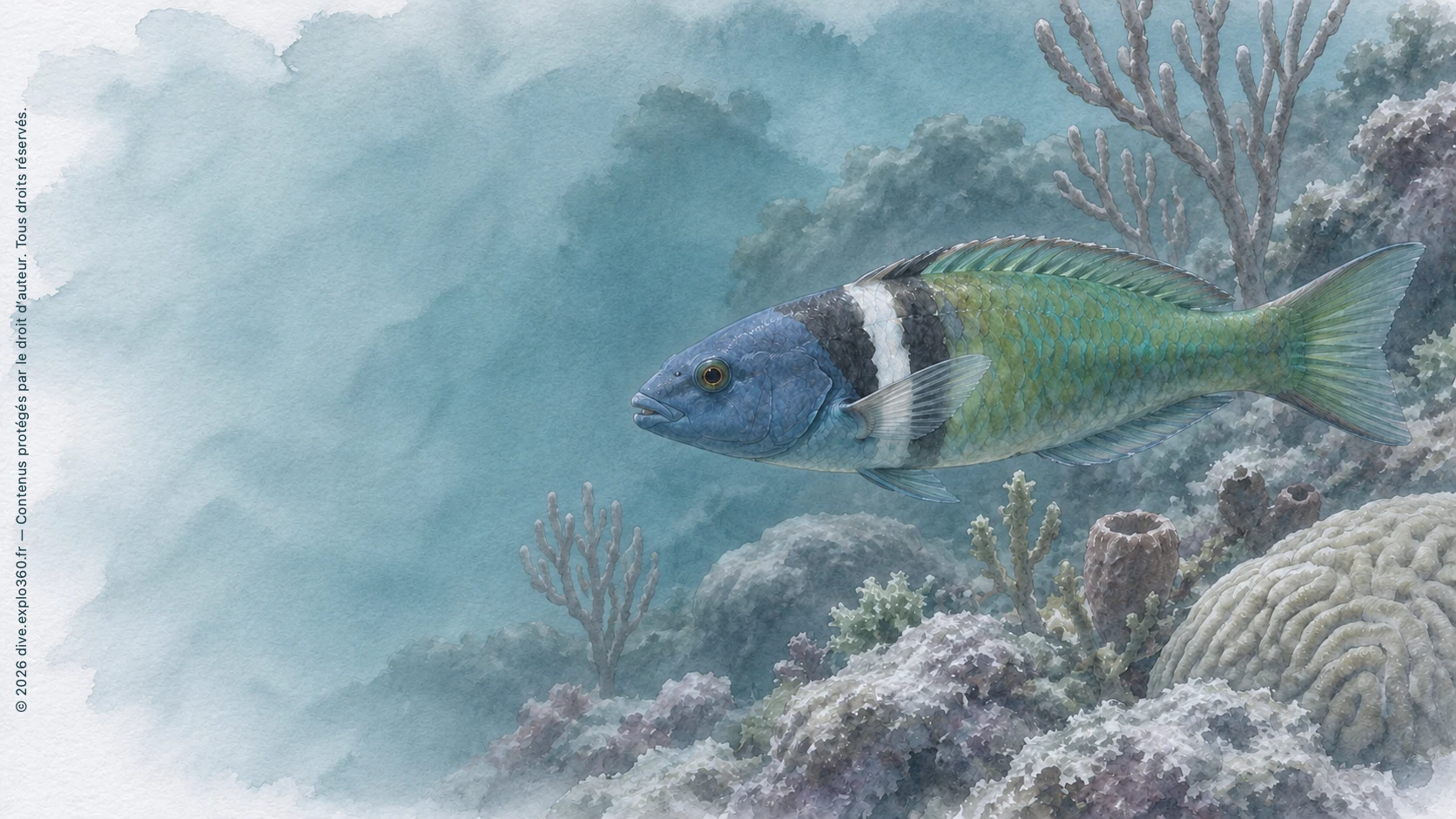
The dominant male has gone. What happens next?

Biologists followed wrasses after removing dominant males. Within minutes, some large females began showing behaviour typical of males. Their colours began changing later. Some produced mature sperm in as little as eight days.
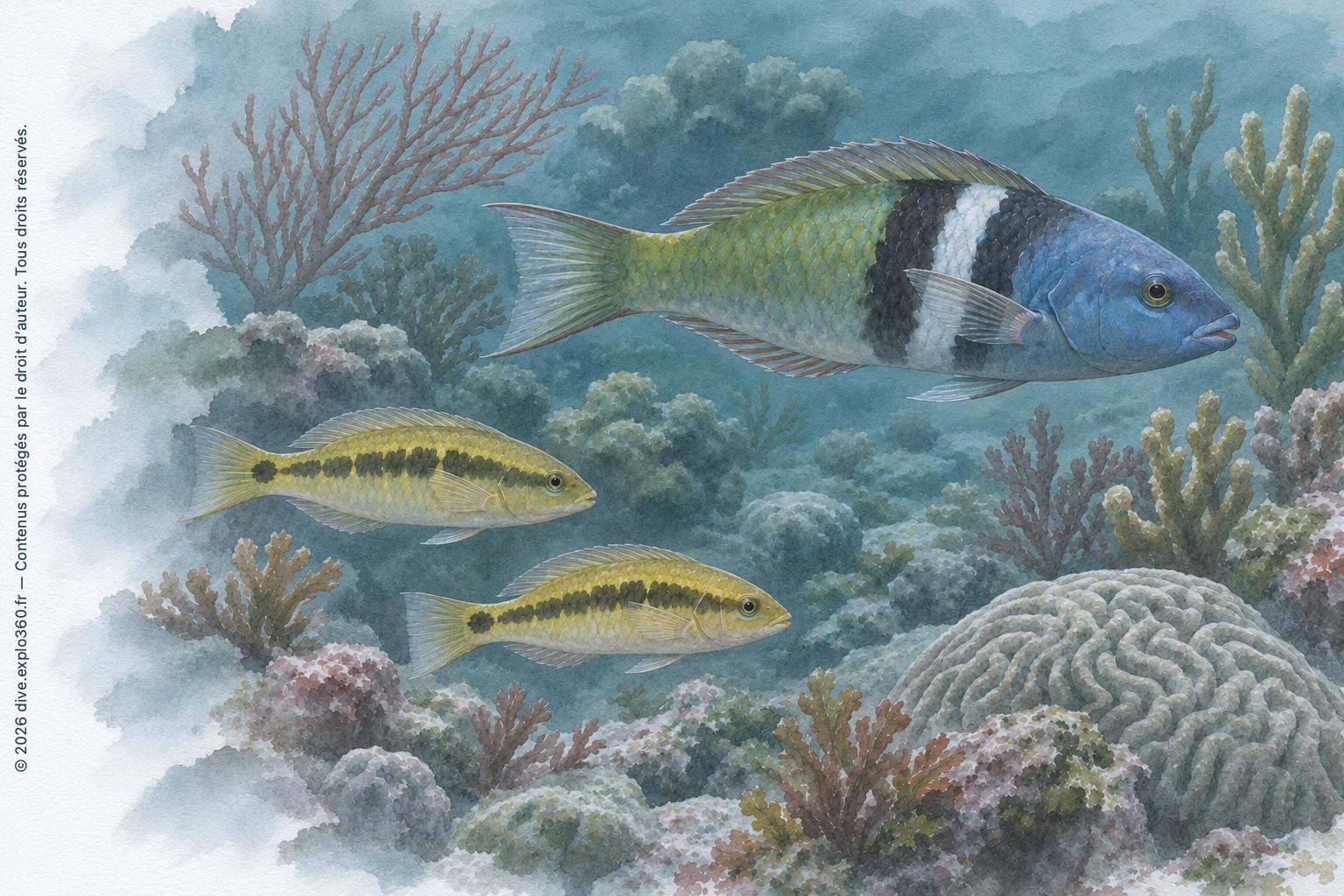
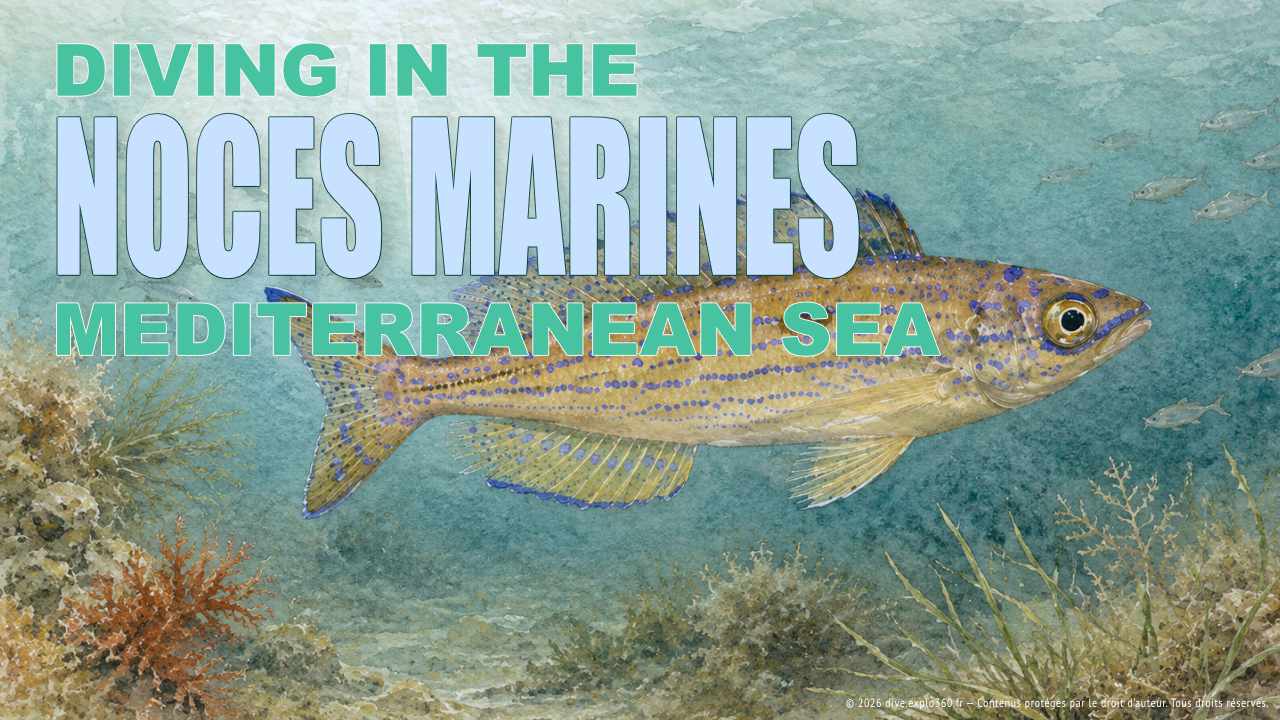
A bluehead wrasse and initial-phase wrasses.
The terminal-phase wrasse has a distinct colour pattern. Colour alone does not establish reproductive function in this species. © dive.explo360.fr — All rights reserved. Reproduction requires permission.
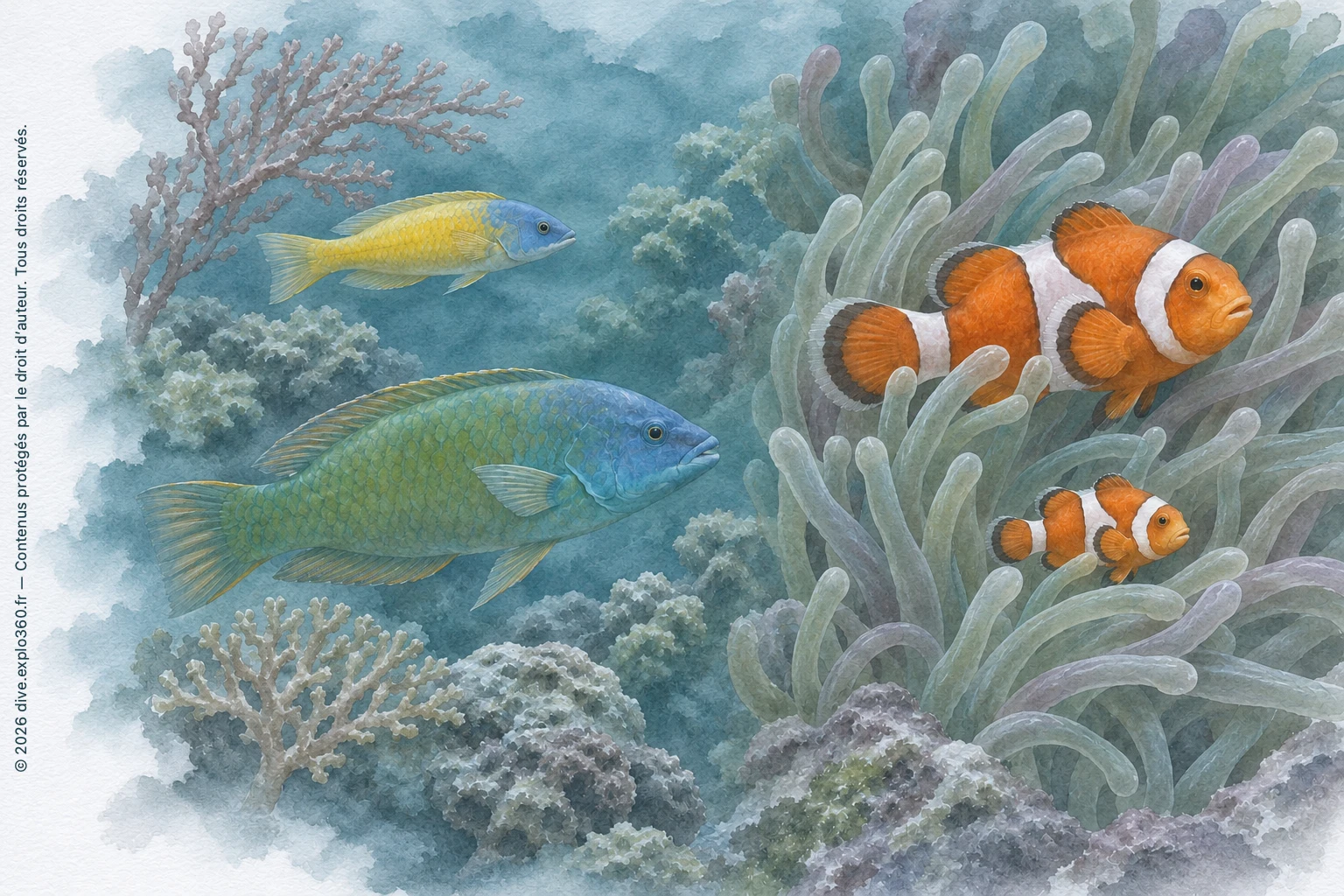
Wrasses and clownfish in two habitats.
In some wrasses, a female becomes male. In clownfish, the male can become female. The scenes contrast protogyny in bluehead wrasses with protandry in clownfish. © dive.explo360.fr — All rights reserved. Reproduction requires permission.

Two directions, two stories

A change from female to male is called protogyny. That can happen in bluehead wrasses. Clownfish can change from male to female, which is called protandry. In both cases, the same fish can reproduce in two different roles during its lifetime.

Three possible paths

1

Female then male

The bluehead wrasse illustrates this path.
2

Male then female

The common clownfish follows this path.
3

In both directions

The Okinawa goby can reverse the transition.

The clownfish that waits its turn

In an anemone, size often indicates rank. The largest fish is the breeding female. The next largest is the breeding male. If the female disappears, the male can become female and a lower-ranking fish can become the new breeding male.
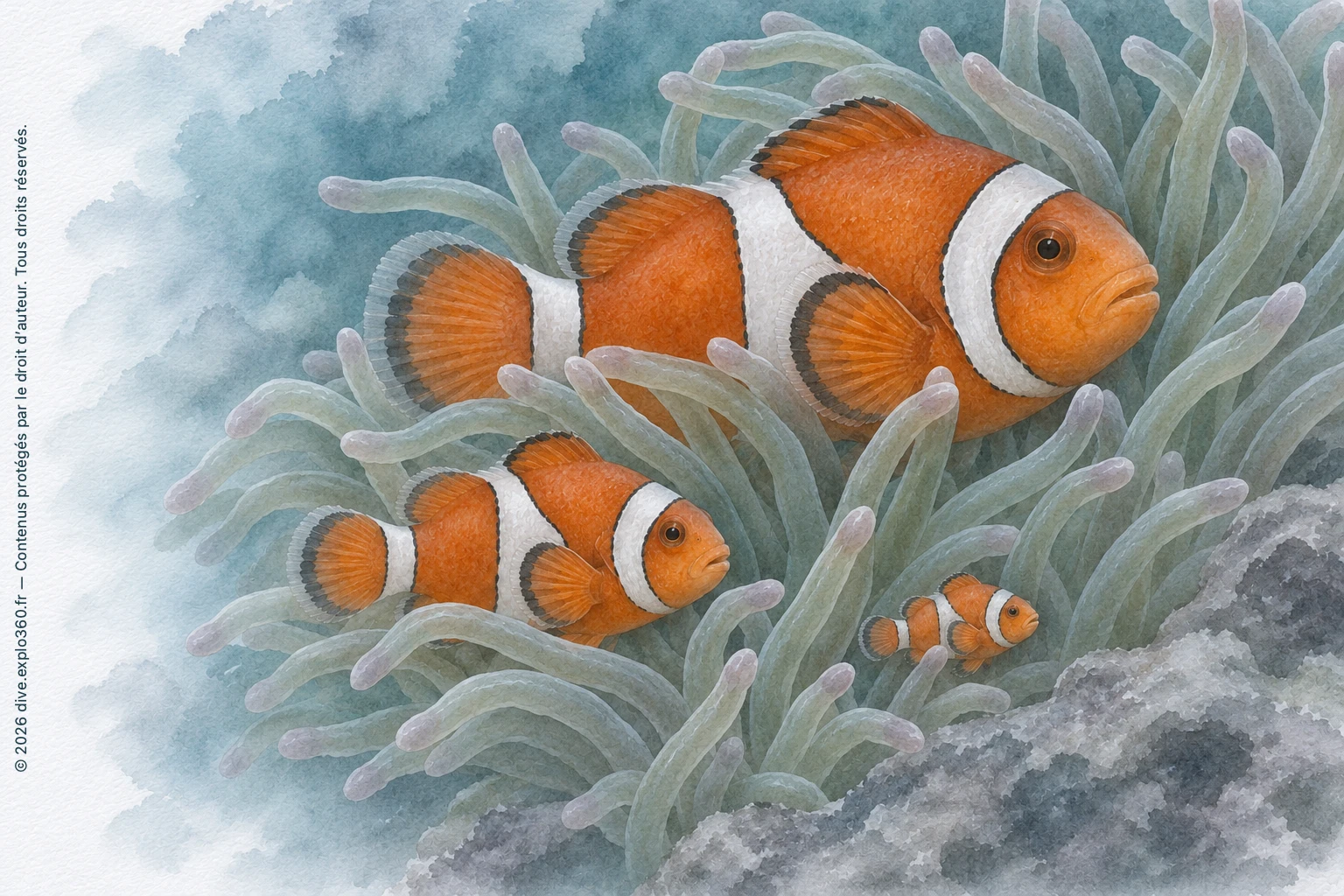
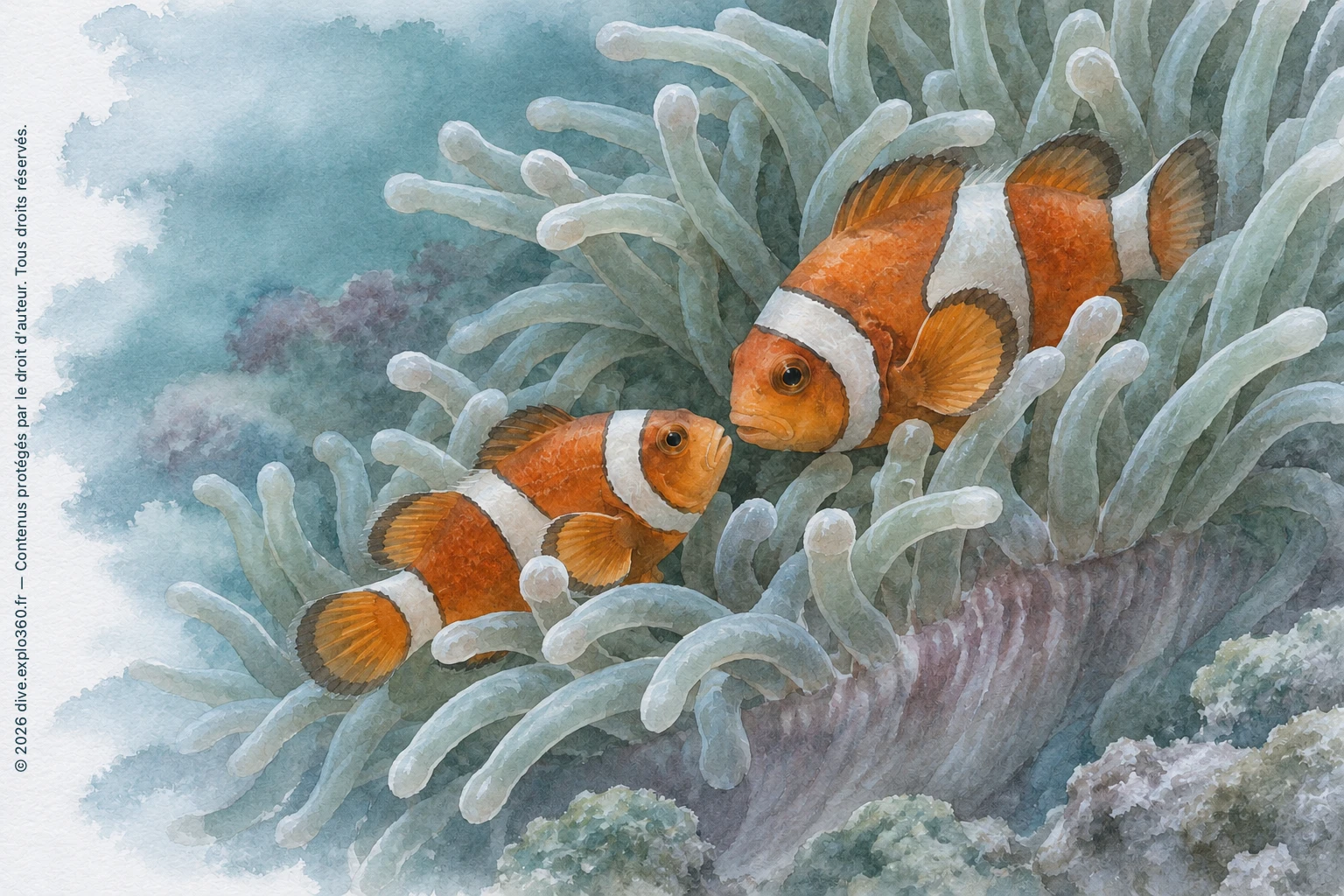
Clownfish of different sizes among anemone tentacles.
In a breeding group, the female is generally largest. The breeding male is next in the hierarchy. © dive.explo360.fr — All rights reserved. Reproduction requires permission.
Two clownfish face each other near their anemone.
Fish can change their behaviour before we know whether their bodies have changed. Researchers can watch how fish interact. To work out how far the transition has progressed, they also examine the reproductive tissues. © dive.explo360.fr — All rights reserved. Reproduction requires permission.

Behaviour and body change at different rates

A wrasse can start behaving like a male before its reproductive organs have finished changing. In the clownfish researchers studied, behaviour typical of males lasted even after the organs had changed considerably.
Continue reading

AMIGANSEAU CONTENT

The rest of this article is for subscribers

Log in with your AMIGANSEAU licence to continue reading.

All active AMIGANSEAU licences give access to the full article.

Explore the same world

Explore further