The dominant male has gone. What happens next?
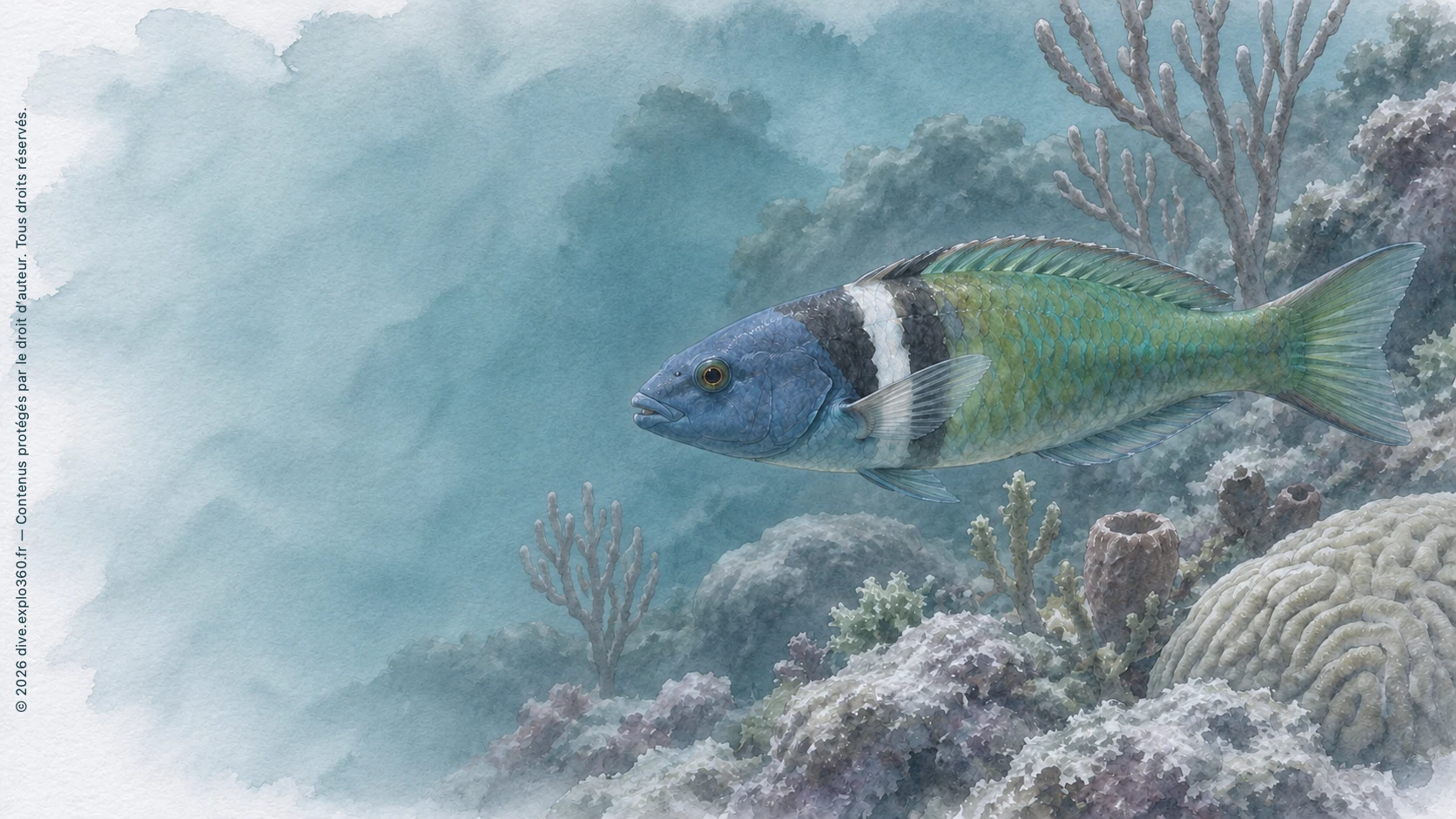
After researchers removed dominant male bluehead wrasses, some large females changed their behaviour within minutes. Some fish produced mature sperm as early as day eight. The first observation shows a rapid behavioural response. The second establishes a change in reproductive function.
Two directions, two stories
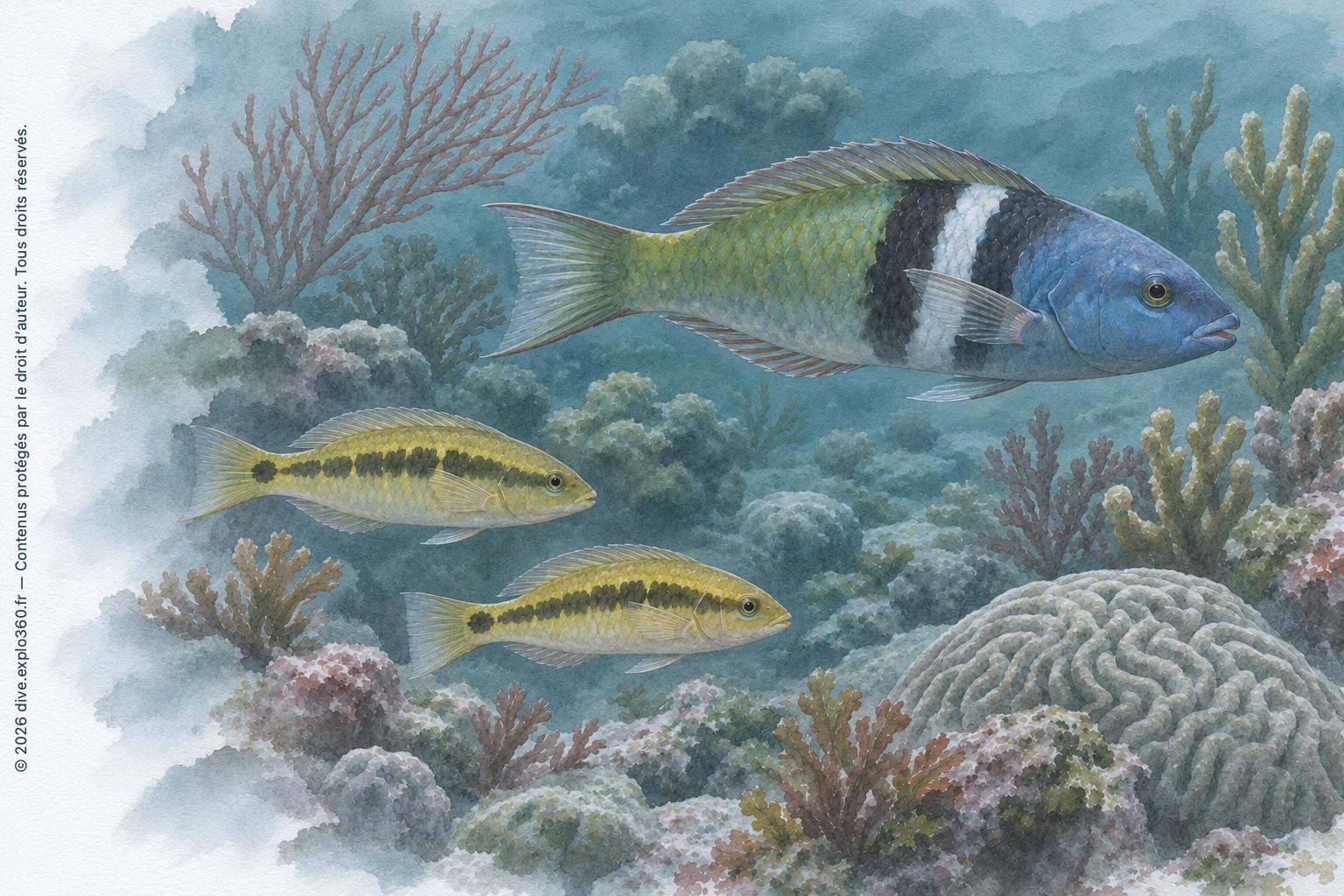
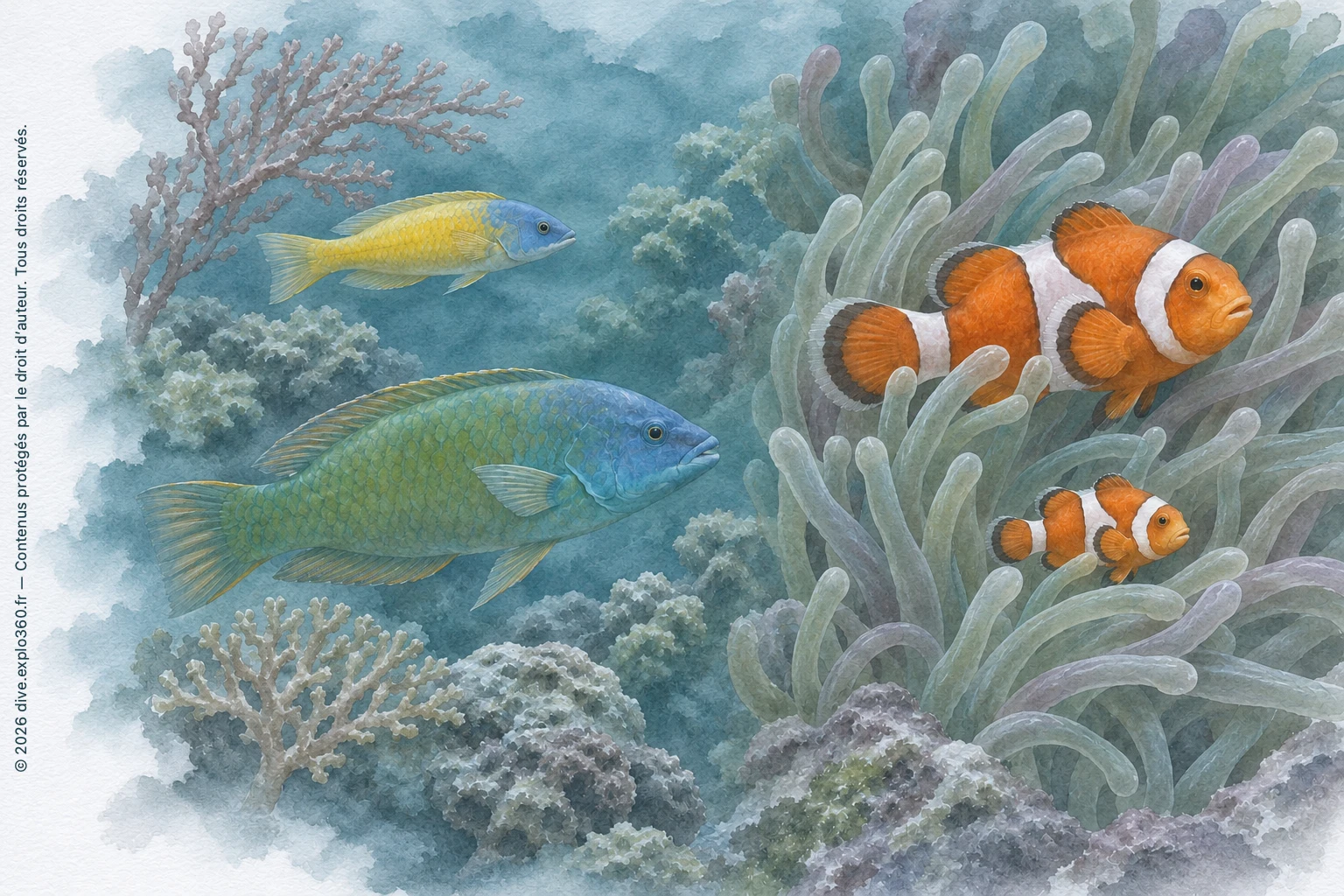
Protogyny is a change from female to male. Protandry is the reverse, from male to female. In both cases, an individual’s reproductive function changes during its lifetime. In some species, the change can also be reversed, adding another possibility to the comparison.
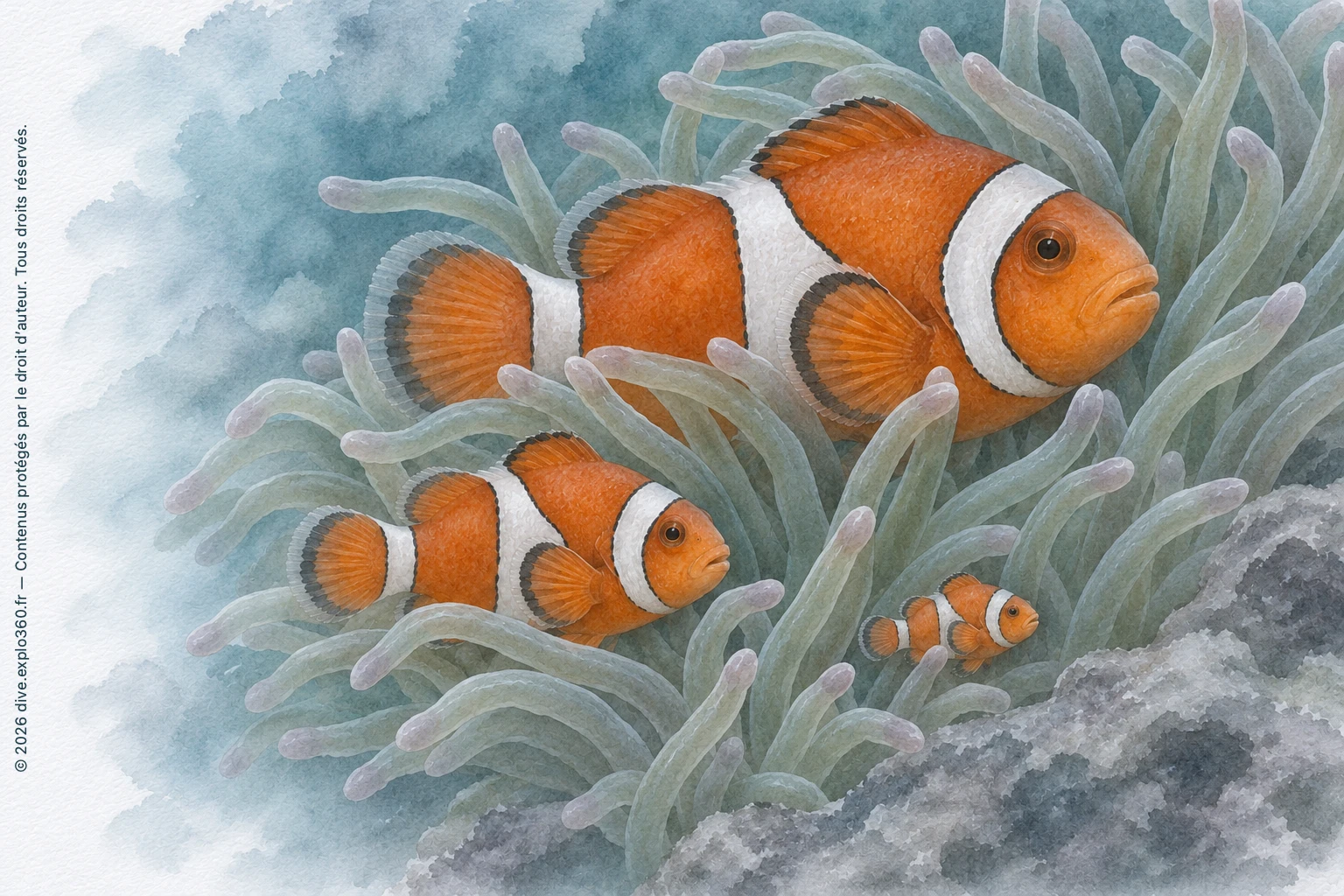
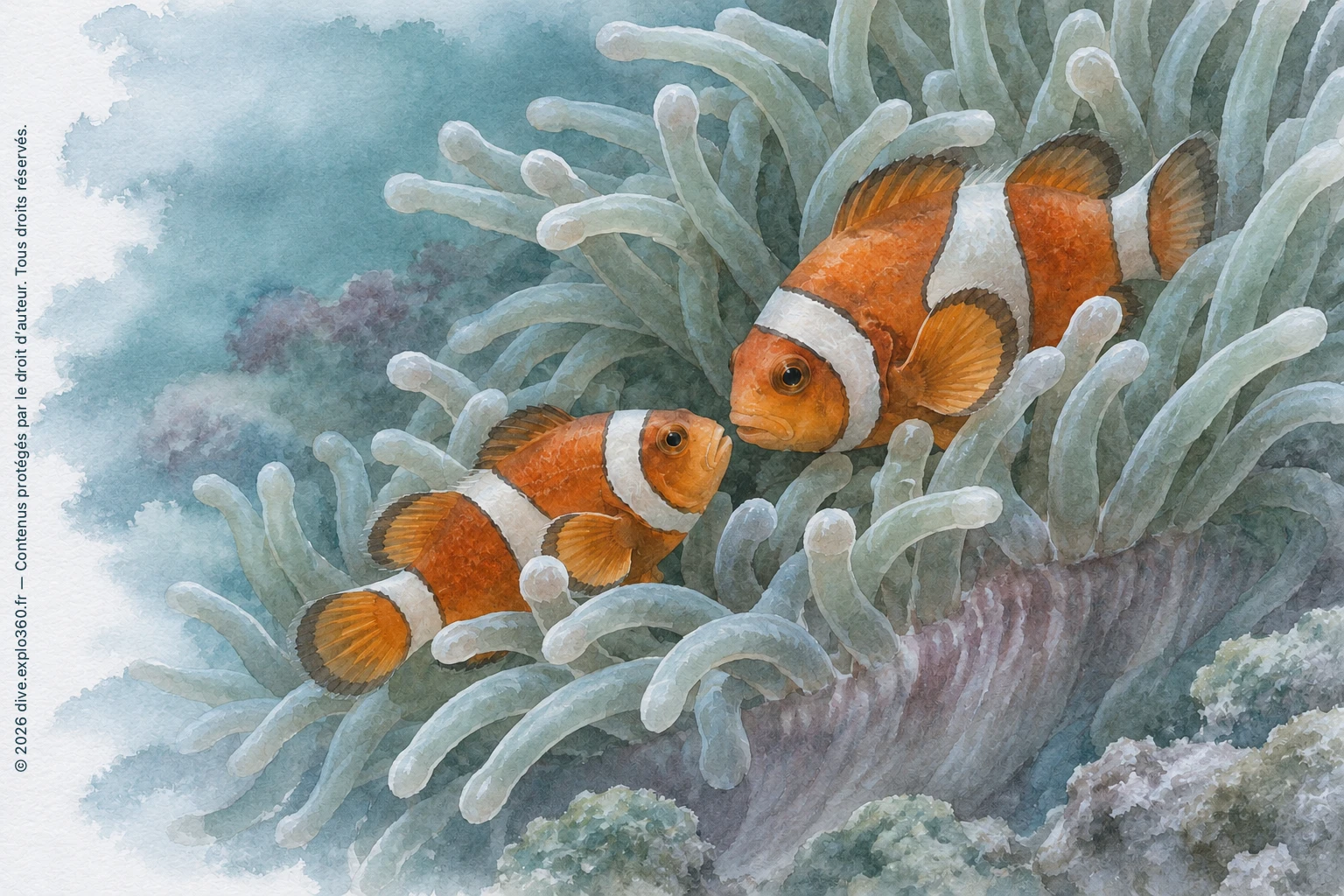
The clownfish that waits its turn
In Amphiprion ocellaris, rank depends on size. Loss of the breeding female can trigger the male’s transition and allow a lower-ranking fish to become the breeding male. In one study of fish kept in captivity, researchers estimated that the change took at least five months under the conditions they studied.
Behaviour and body change at different rates
Aggression and parental care tell researchers about behaviour. Hormone measurements and tissue samples reveal different parts of the process. In the 2022 study, clownfish continued to behave like males well into the remodelling of their gonads. Bluehead wrasses can change their behaviour much earlier in the transition.