Seasonal renewal
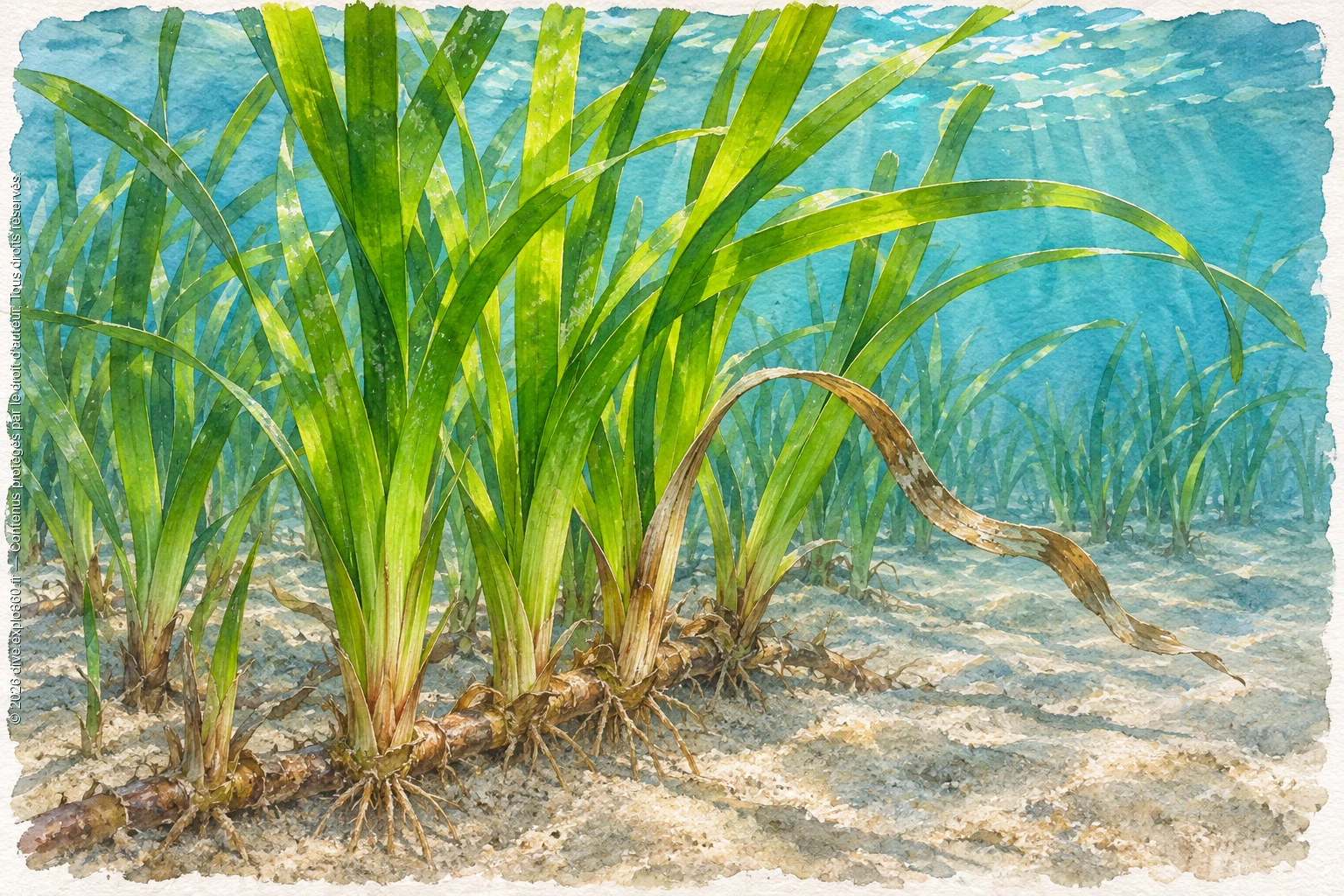
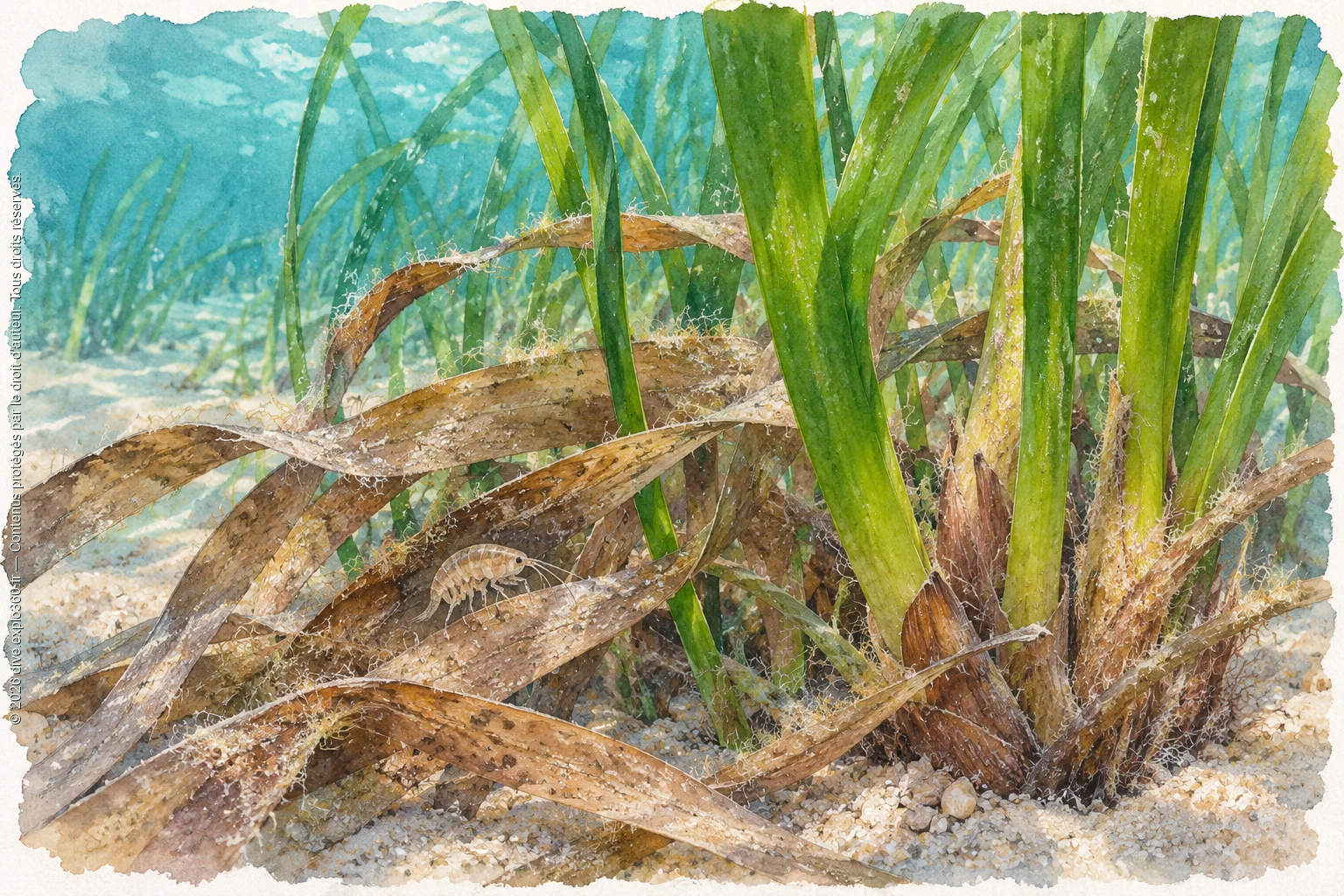
The oldest leaves are on the outside of each shoot. They turn yellow, then brown, and detach. Leaf fall often increases in late summer and autumn. Storms scatter weakened leaves. Rhizomes and roots persist, maintaining the structure of the meadow as new leaves grow.
Retention within the meadow
The shoots slow the flow and trap litter around the rhizomes or in the sediment. Worms and crustaceans shelter among the leaves. Some feed on particles or microbes that collect on the litter as it breaks down, a process that can take months.
What controls decomposition
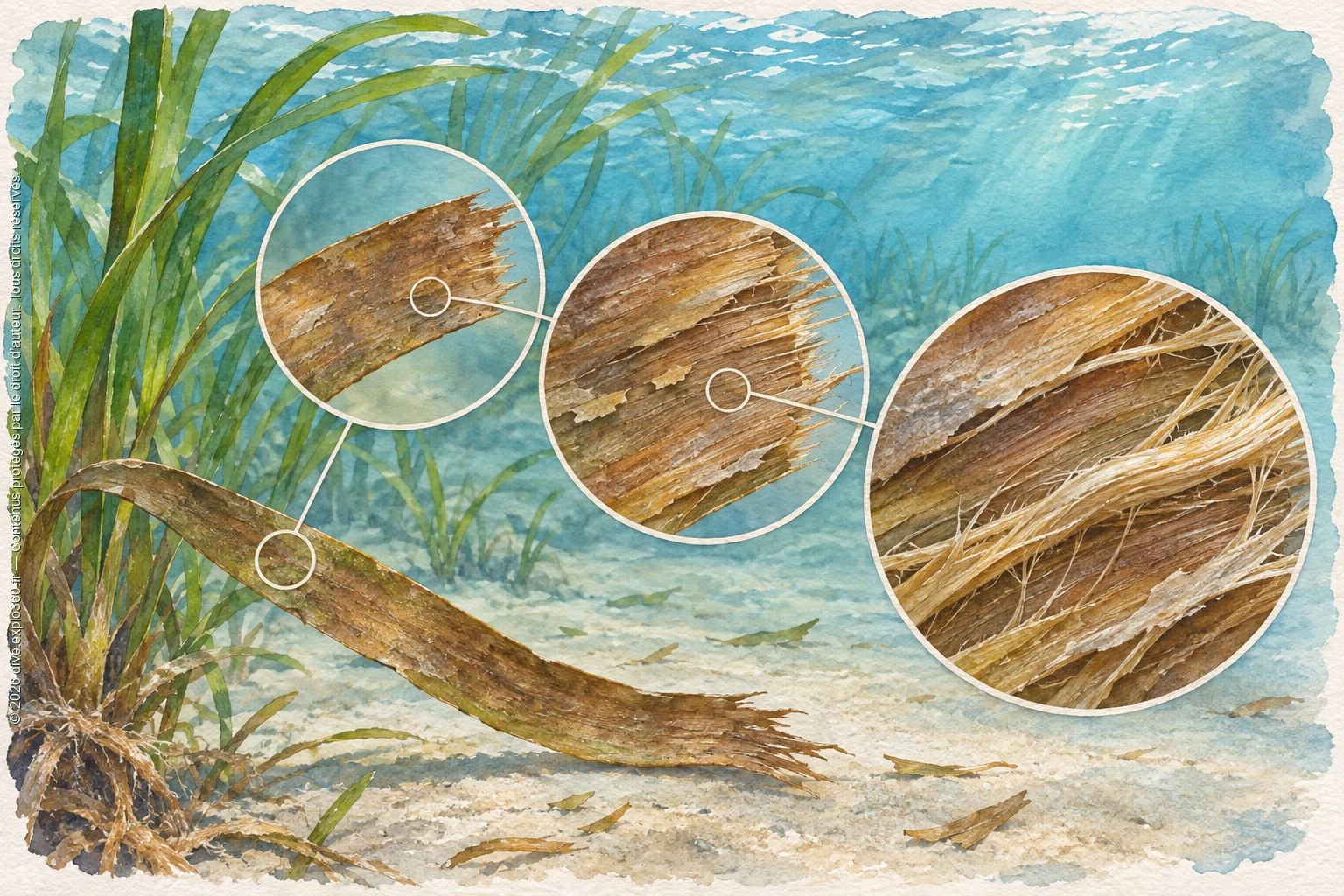
Cellulose and other structural compounds make the leaves tough. Phenolic compounds can affect decomposer activity. Bacteria and fungi transform the tissues, while abrasion and animals break them into fragments. Temperature, oxygen and burial affect these processes.
Transport to beaches and deeper waters
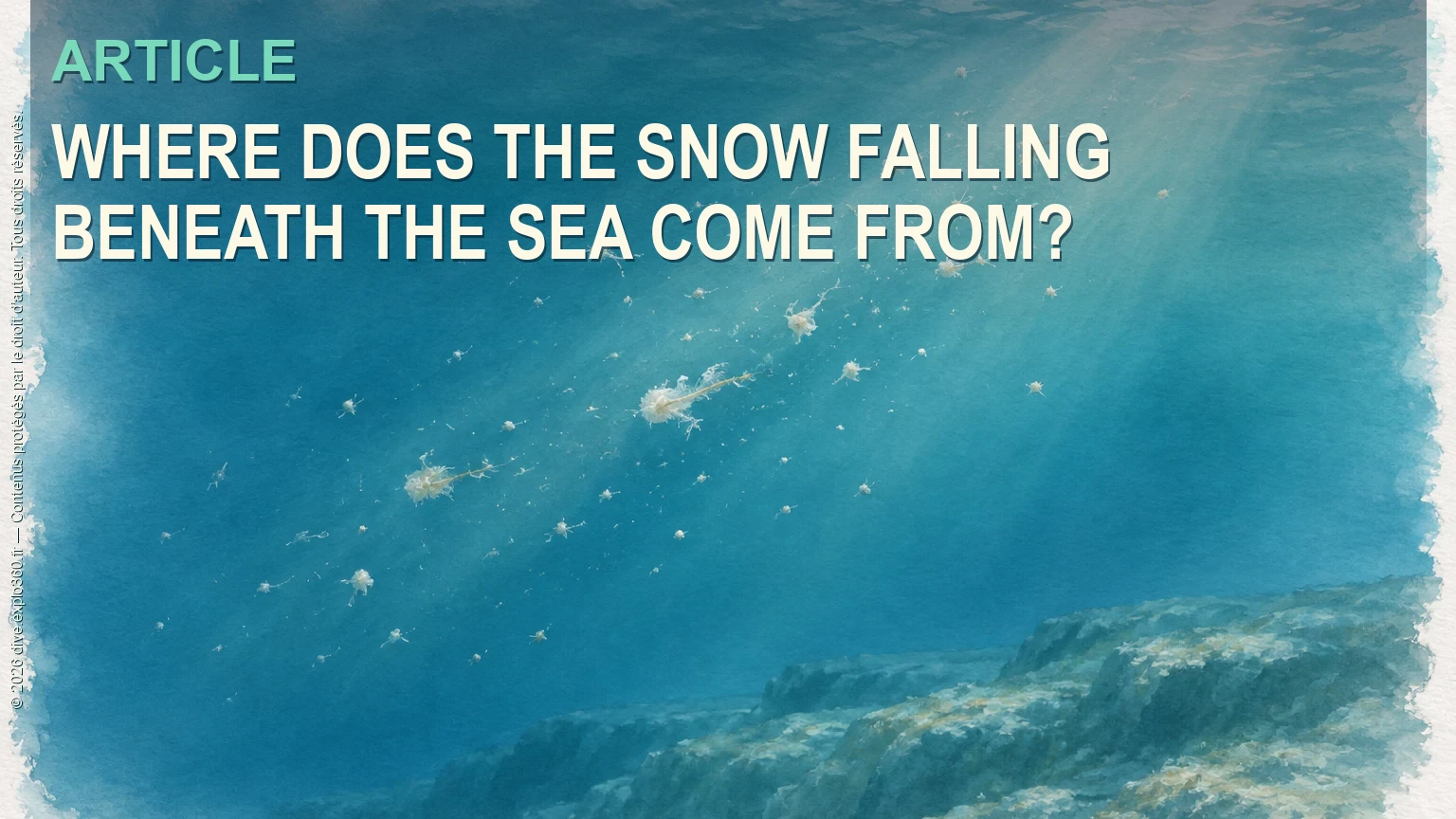
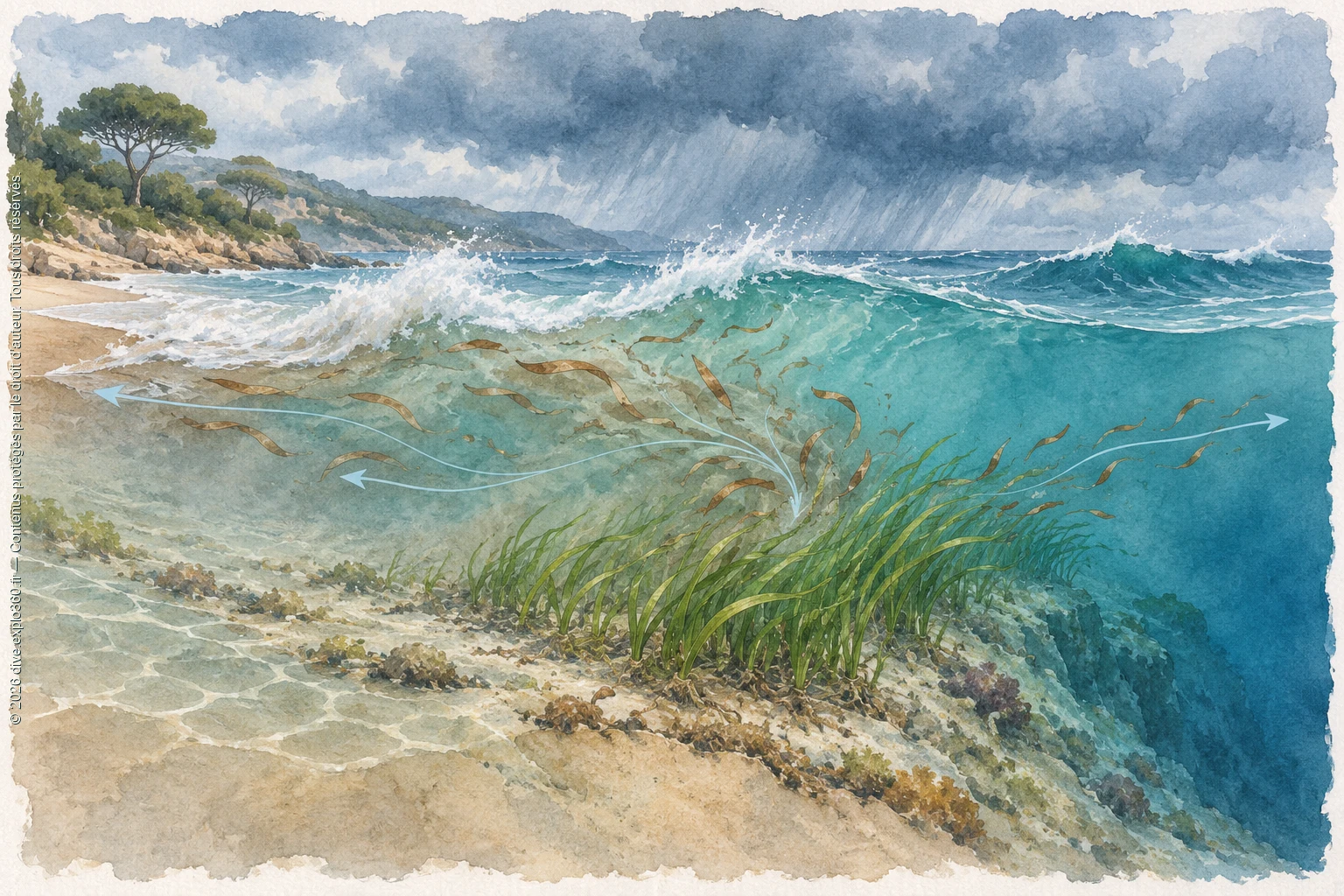
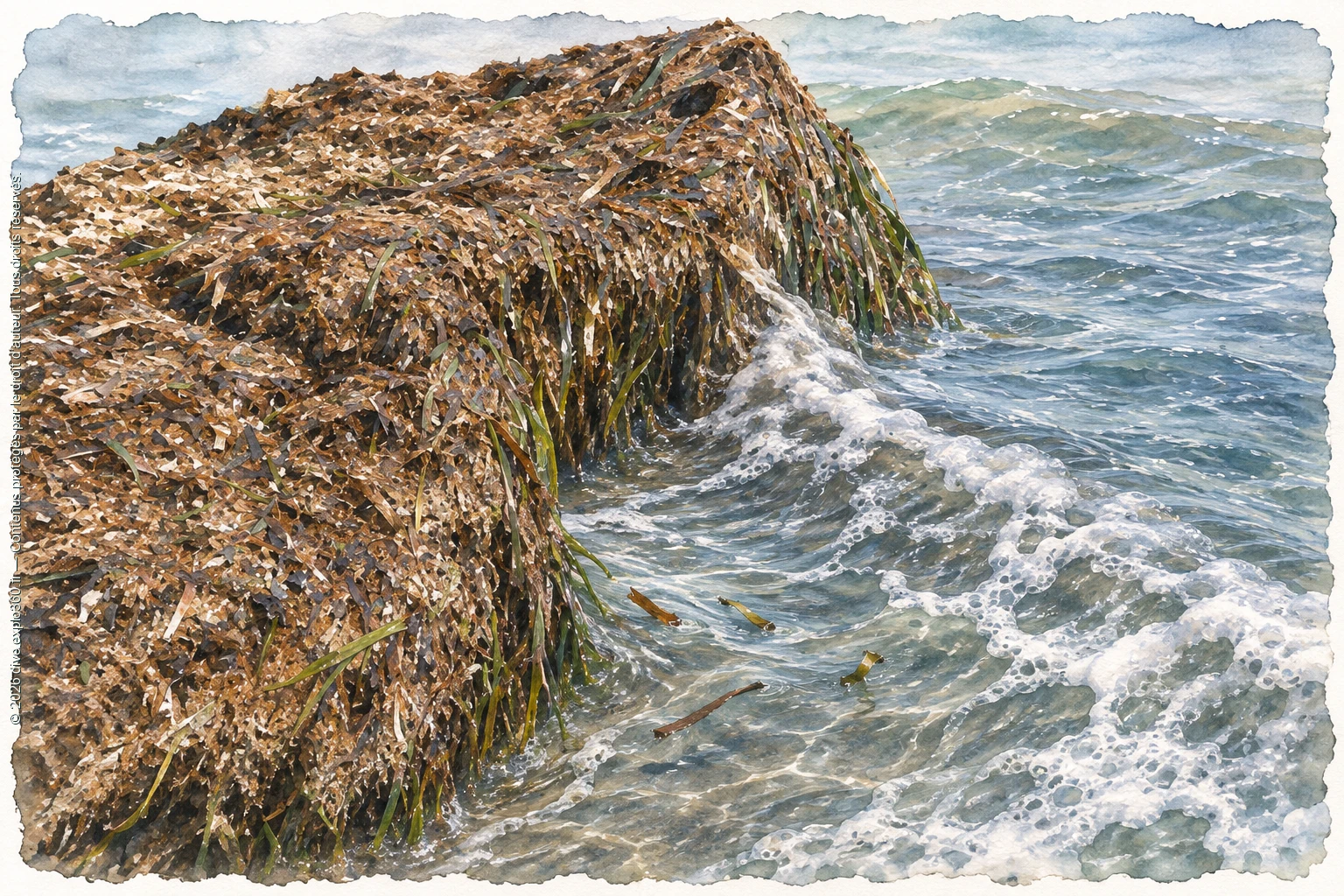
Swell lifts fallen leaves and currents carry them to nearby seabeds. Some reach submarine canyons that funnel material off the continental shelf, making organic matter available to animals on and in the sediment. Near the shore, waves can stack leaves and sand on the beach.
A changing structure on the beach
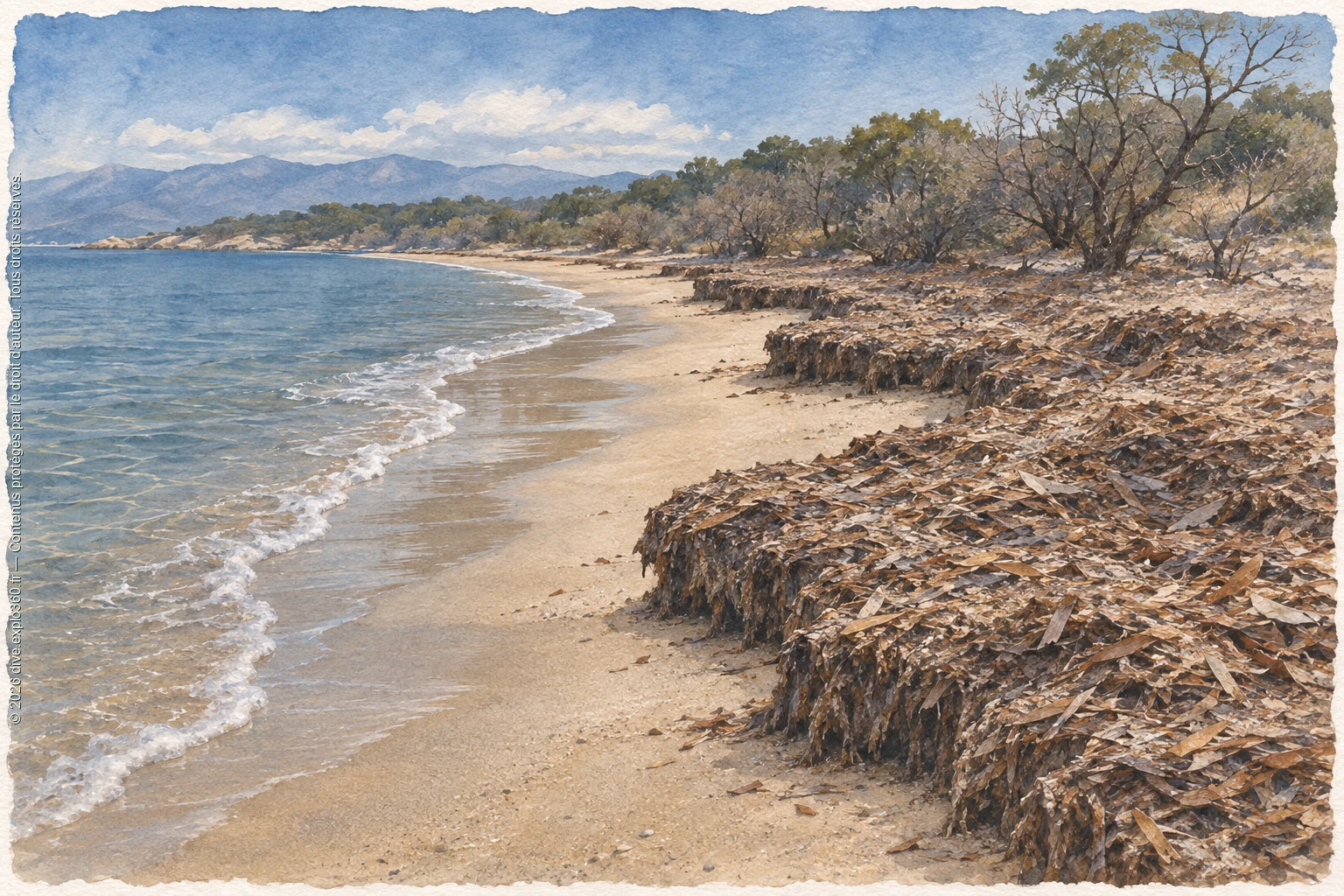
Leaves and sand accumulate in compact layers. Thick banks, or banquettes, can survive several seasons, erode and reform. They can absorb some wave energy and trap sand. Their effect on erosion depends on their size, beach shape and storm exposure.
Food webs in the banquette
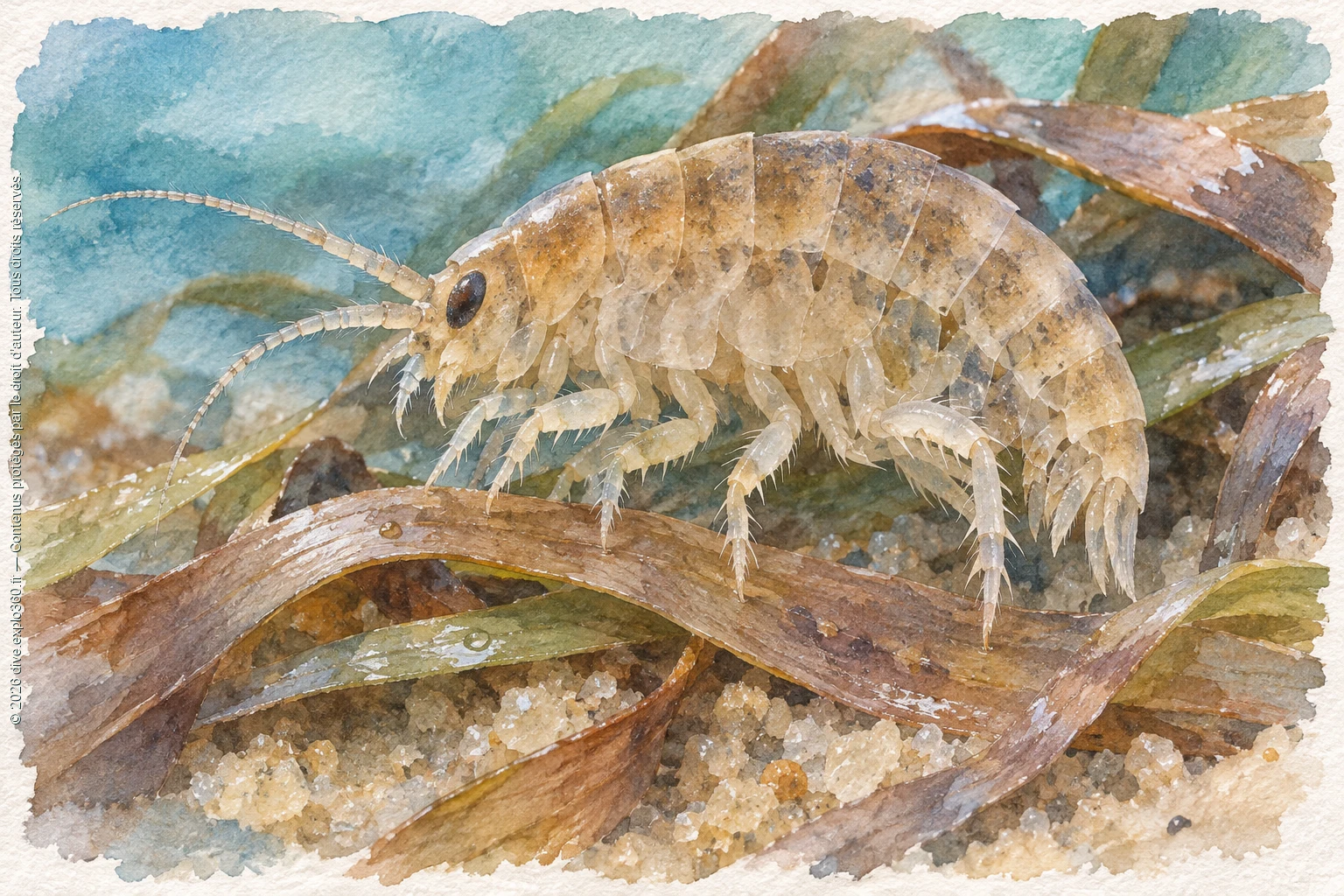
Below the dry surface, damp layers shelter detritivores such as sandhoppers. Insects and larvae also exploit the debris and can feed predators. Bacteria and fungi continue to break the leaves down. Some organic carbon is released as CO₂. Some stays in fragmented tissues or enters sediment.
Different routes for carbon
Storms can pull leaves off the beach and redistribute them. Some of their carbon is recycled as organisms use the material. Some can stay in sediment longer if it is buried. Beneath the meadow, dead roots and rhizomes accumulate with sediment in a more persistent layer called the matte.
How fibre balls form
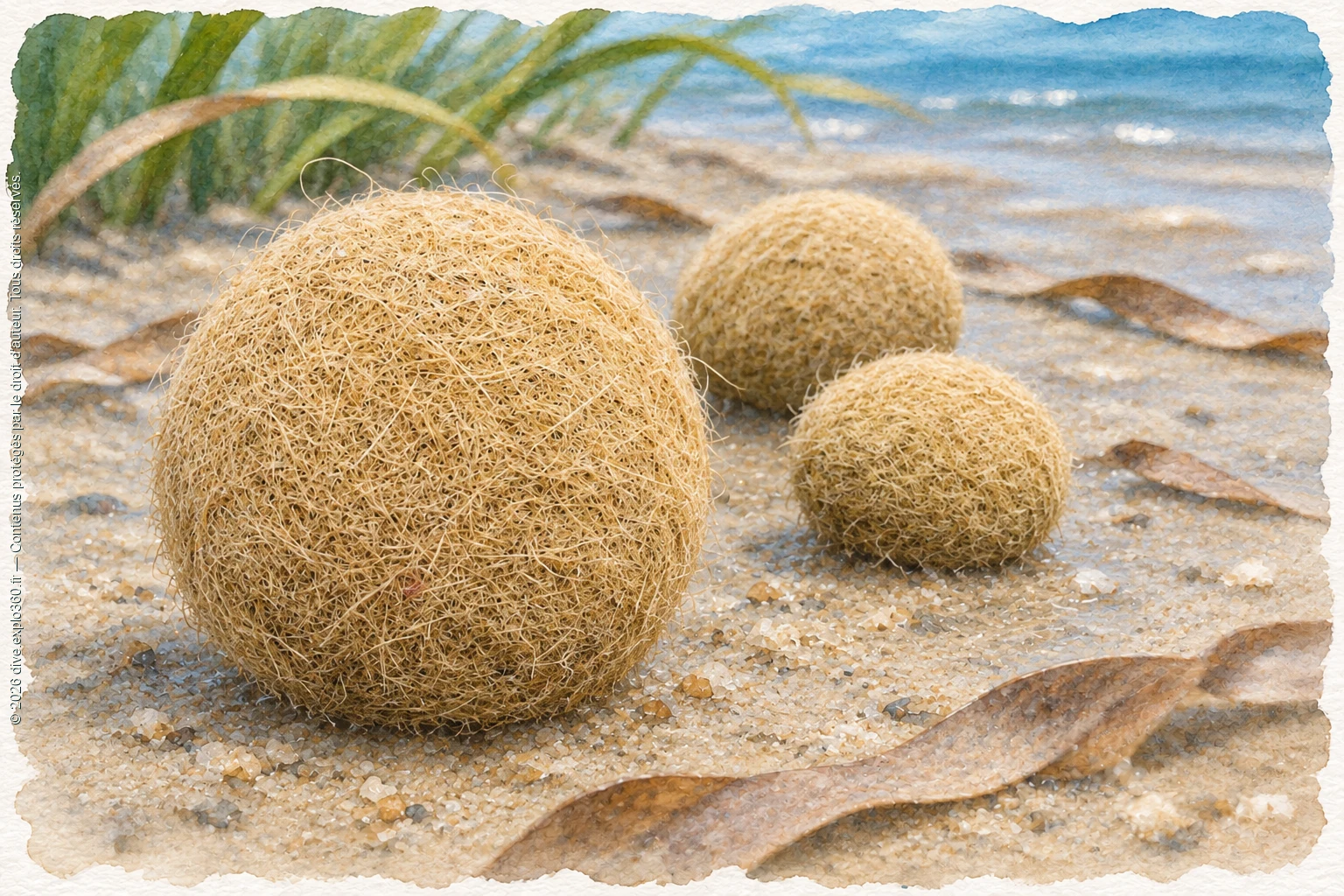
Waves and currents roll fibres from dead parts of Posidonia across the seabed. As the fibres tangle and rub against the bottom, they form round or elongated balls called egagropiles. These balls can wash ashore. They are made of dead tissue and play no part in reproduction.
Interactive quiz
Quiz on Posidonia
5 question(s) to test your knowledge.
Interactive quiz
Quiz on Posidonia
Question 1 out of 5Score: 0
What can affect decomposition after burial?
What breaks leaves into smaller particles?
How can leaf litter feed the deep seabed?
How can a bank of leaves change what happens to sand on the beach?
Which parts can persist in the matte?
Final result
Quiz completed
correct answers
Organic matter on the move
A fallen leaf can become food on a beach or on a seabed far from the meadow. As it breaks down, some of its carbon is recycled and some can stay buried. The brown leaves along the shore make one part of that movement visible.
Scientific references
Seasonal leaf fall, transport by currents, the formation of banquettes and feeding by detritivores are well documented. The proportion that remains in the meadow, reaches beaches, decomposes or reaches the deep seabed varies with the site, the season and water movement.