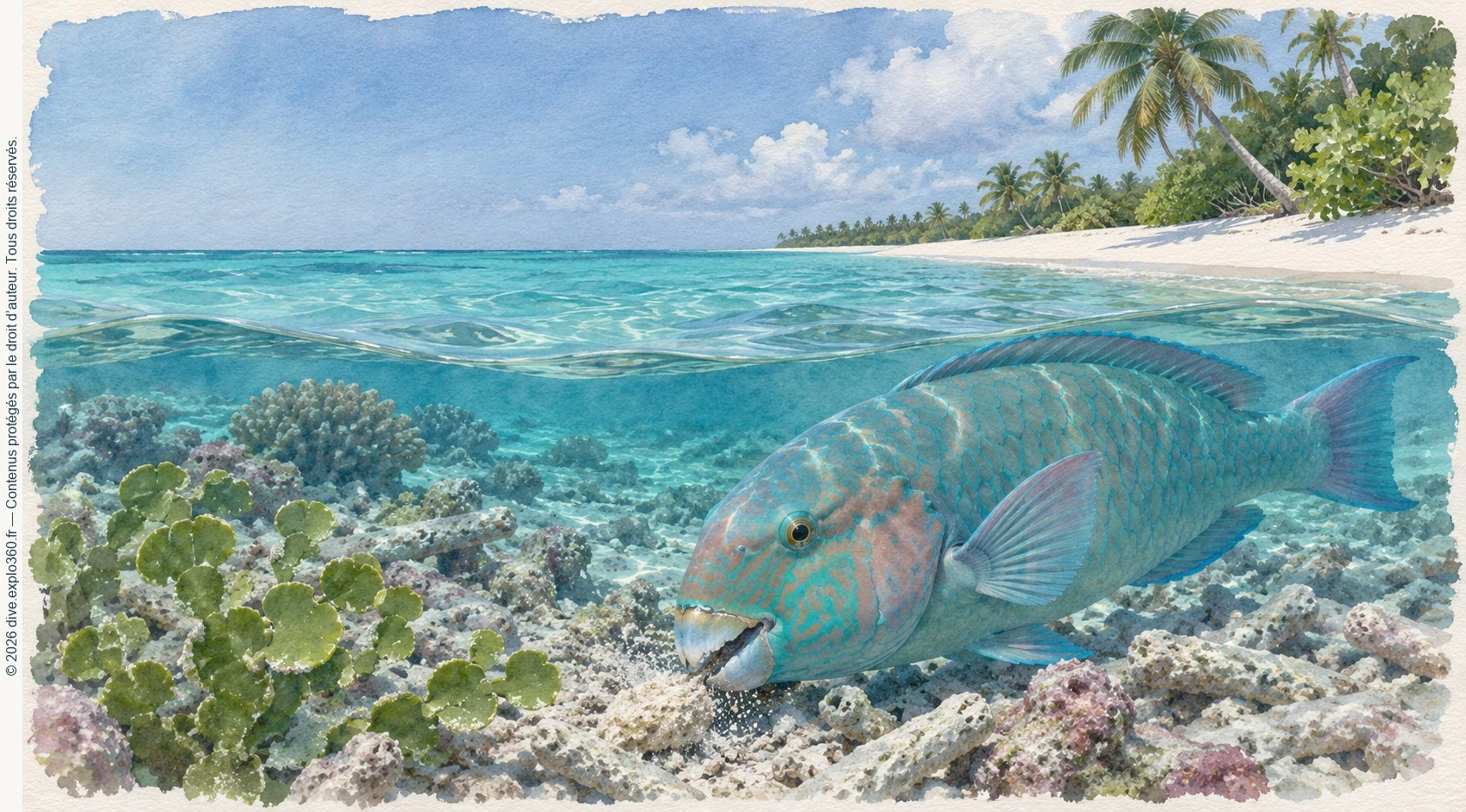
The reef supplies the raw material
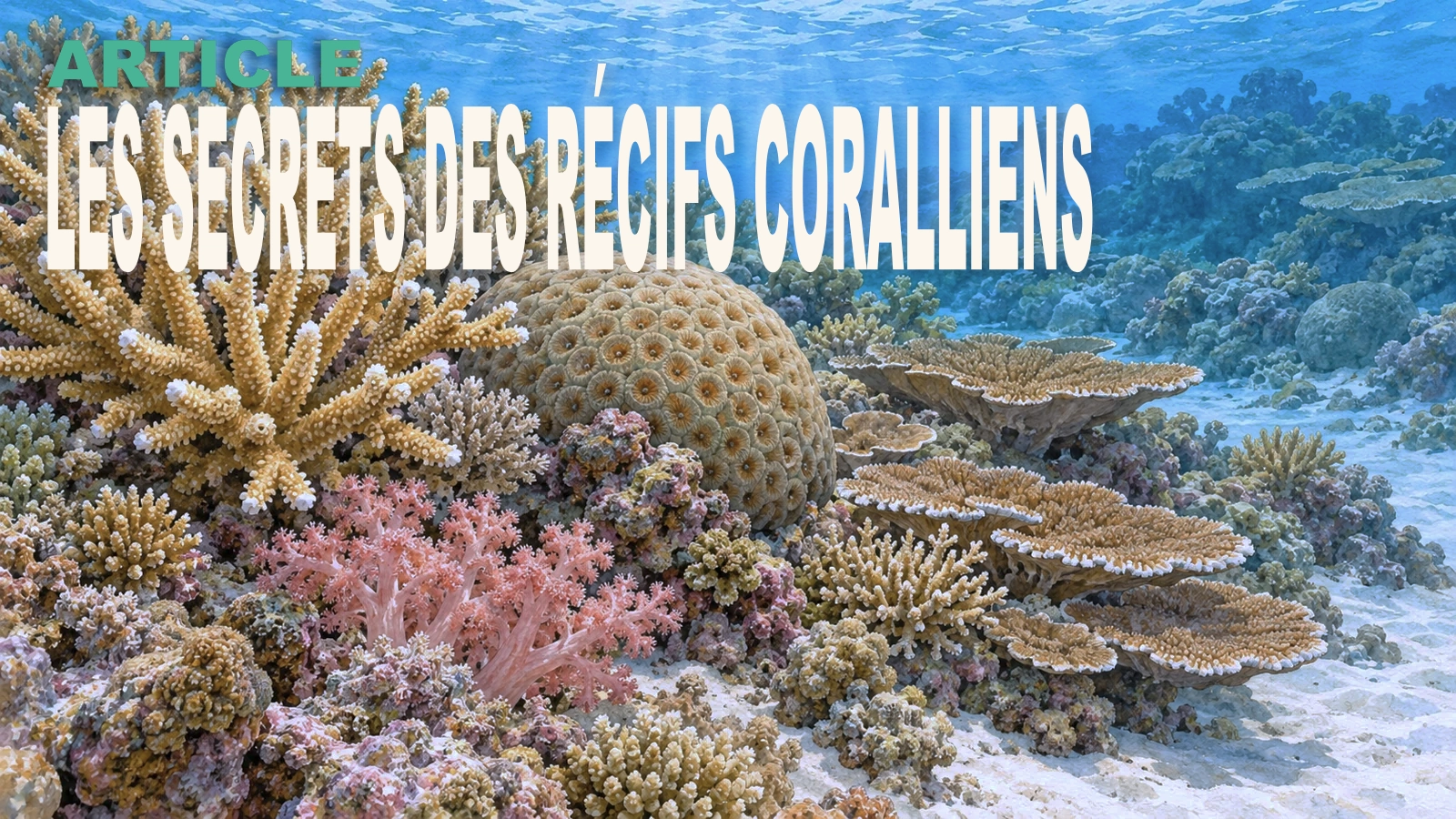
Reef-building corals make skeletons from a mineral called calcium carbonate. Waves and storms break pieces loose, and some organisms tunnel into the limestone. As the pieces move and knock against each other, they wear down into smaller grains.
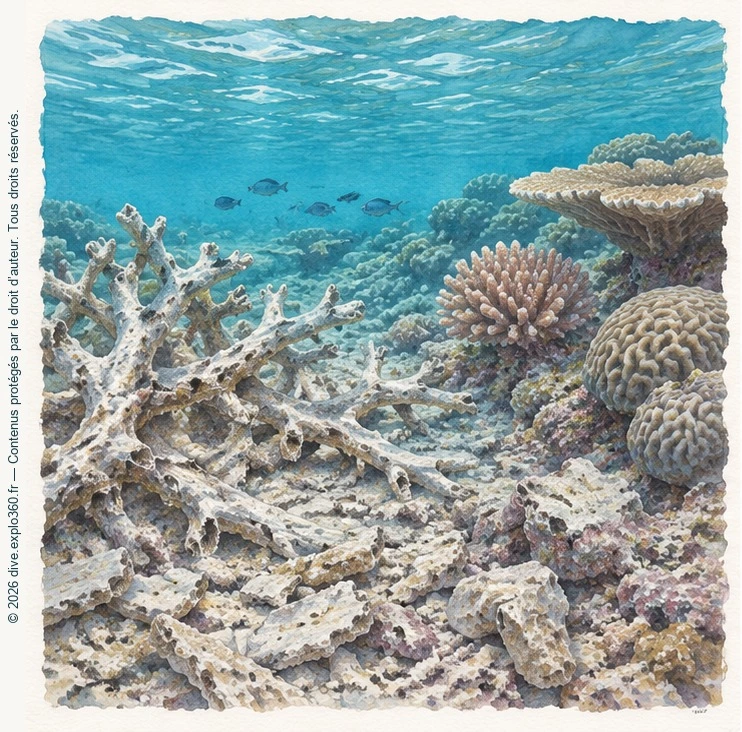
Grazers loosen limestone
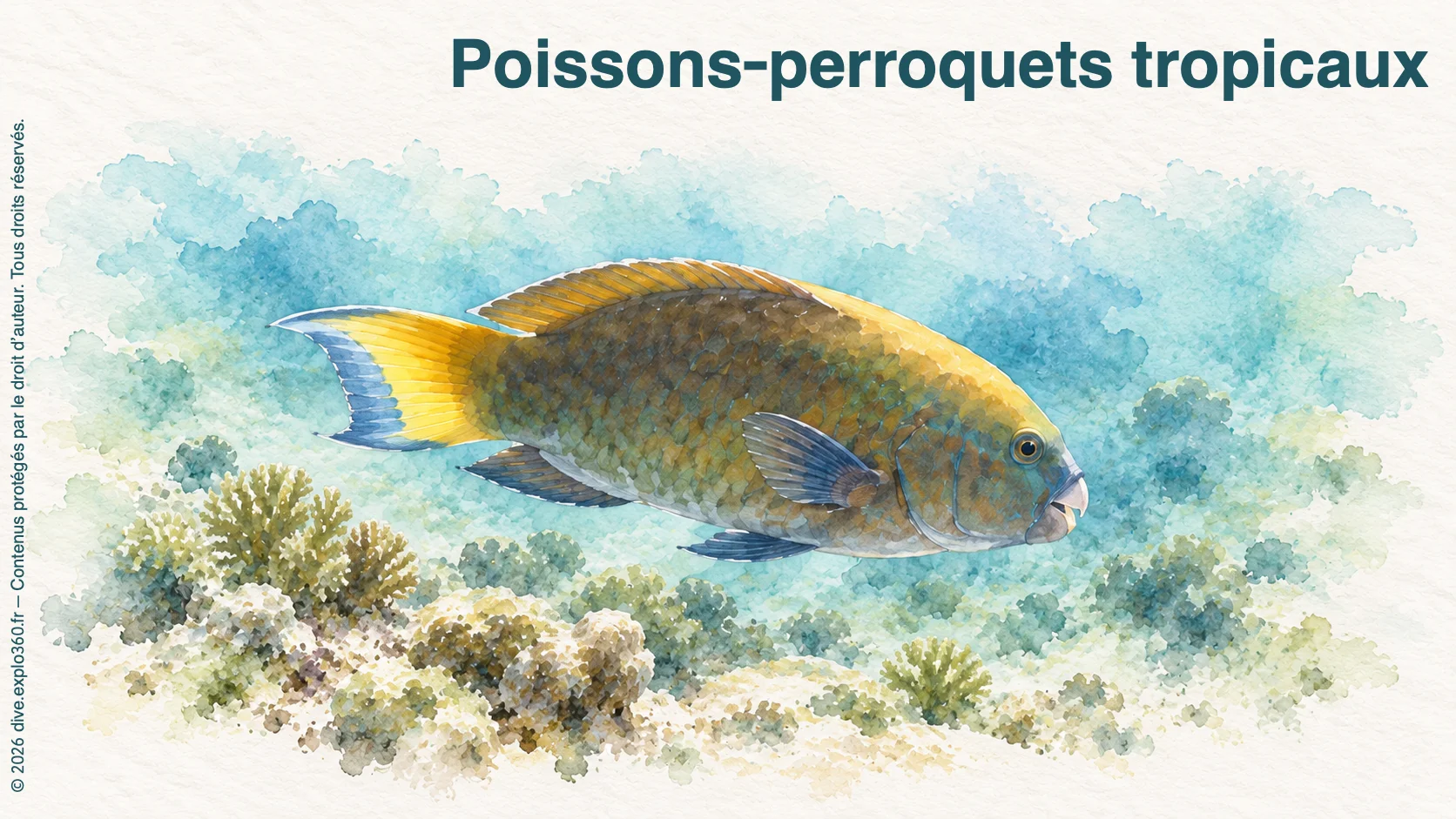
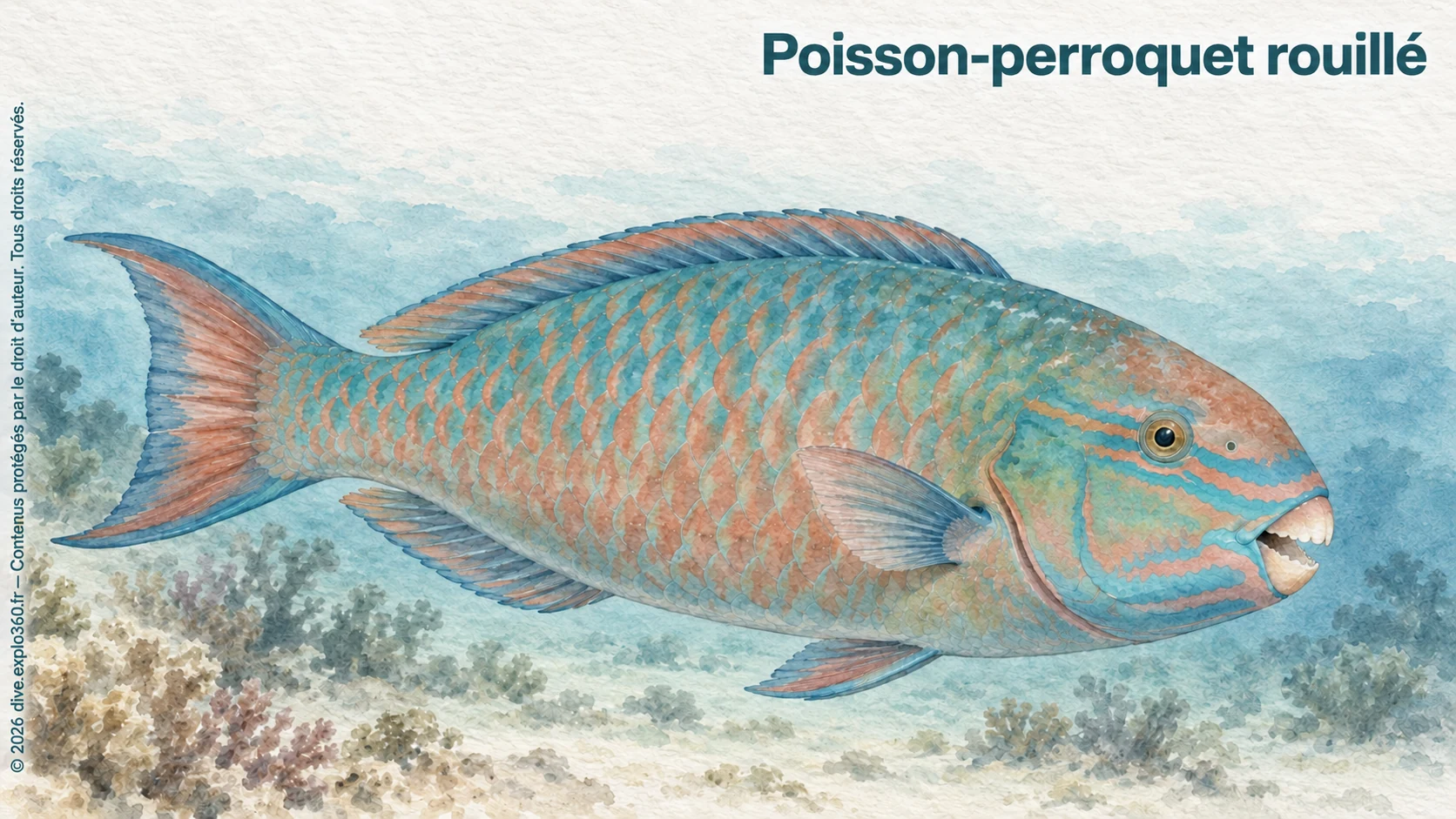
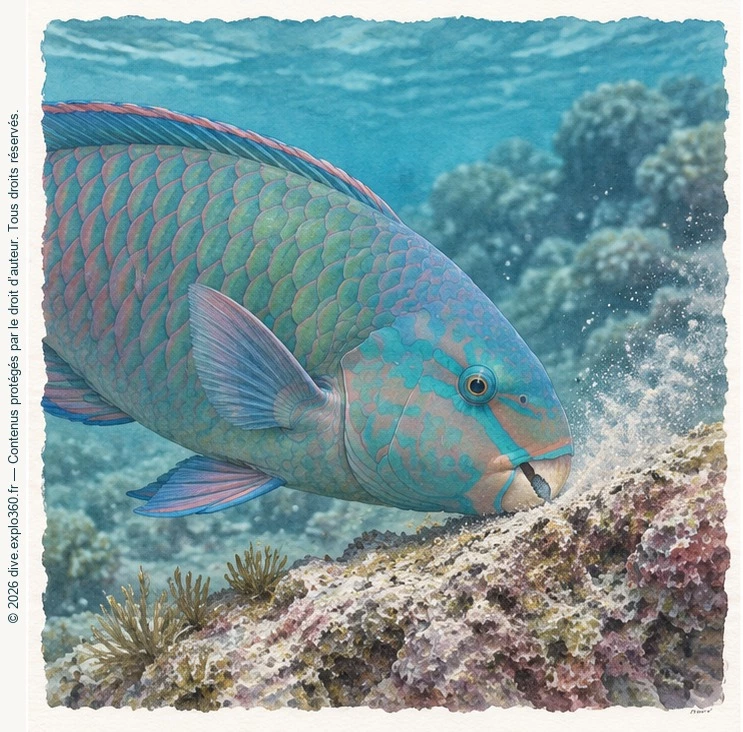
As parrotfish feed, some scrape the reef and others bite into it. They swallow limestone along with their food and release it as grains. Sea urchins also scrape bits off the reef. When a living thing wears away a hard surface this way, it is called bioerosion.
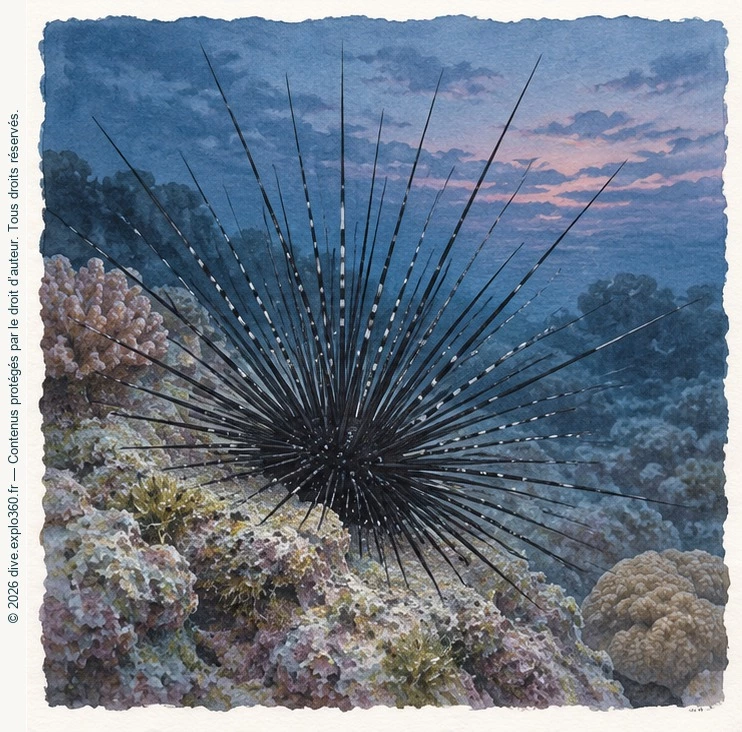
The sea urchin scrapes the reef
A sea urchin scrapes rock with five teeth. As it feeds, it removes small limestone particles.
Stars and green segments
Some beaches in Okinawa have grains shaped like stars. They are the hard shells, or tests, of single-celled organisms called foraminifera. A green alga called Halimeda also leaves hard fragments. Compare the shapes of these grains with a worn piece of coral.
Explore the same world