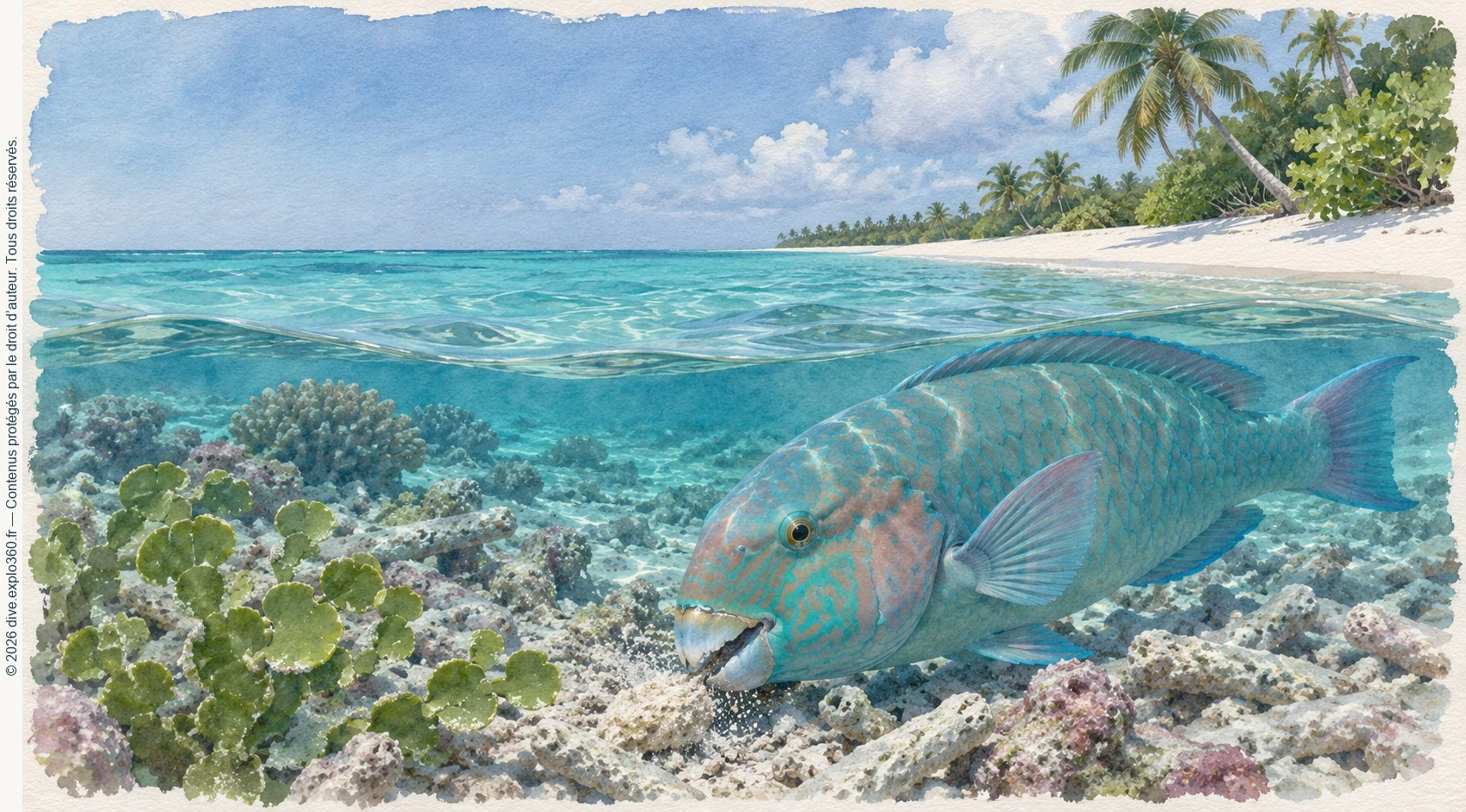
A reservoir of carbonate
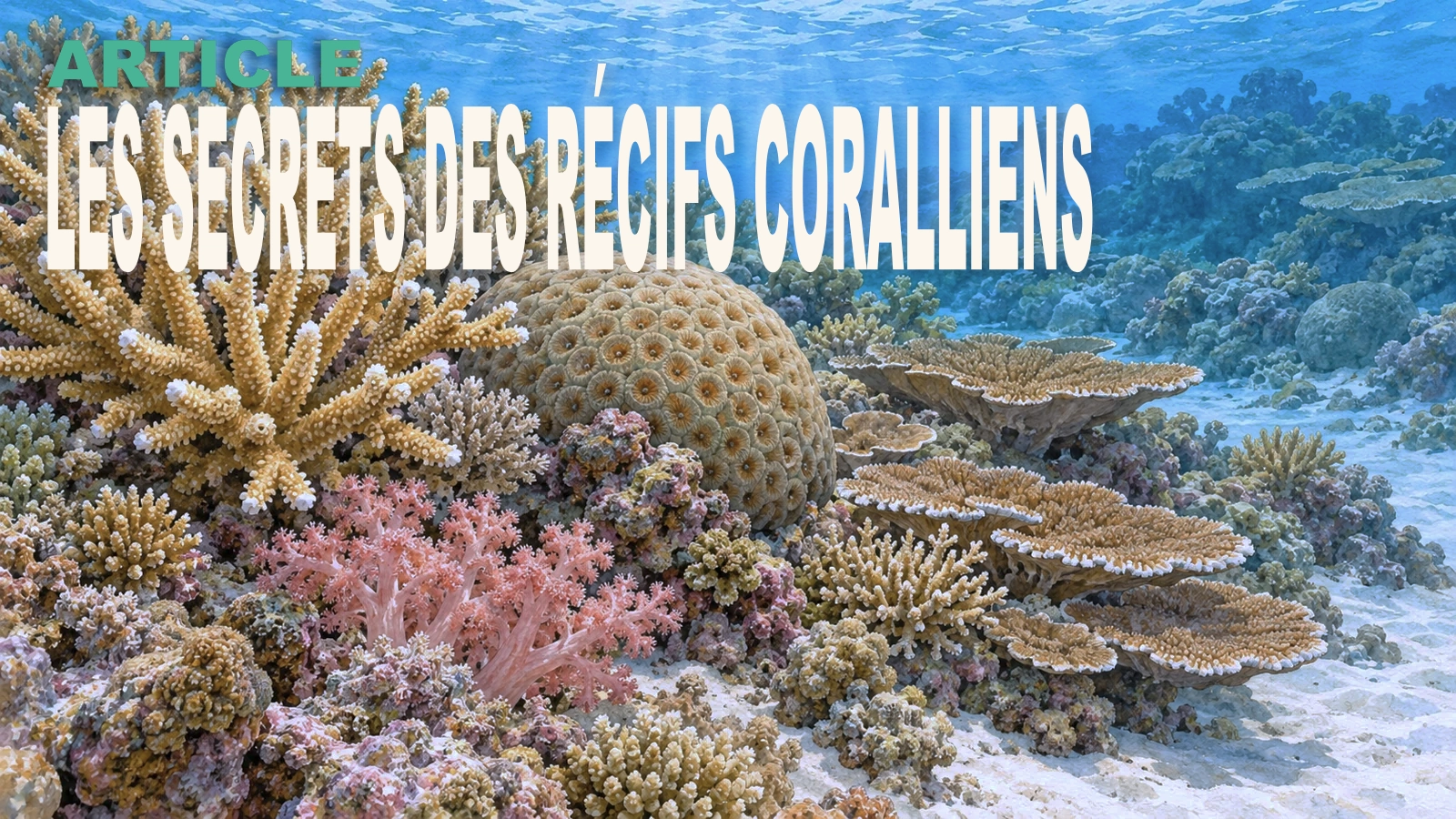
Reef-building corals form calcium carbonate skeletons. Waves and storms break off pieces, and boring organisms weaken the reef by tunnelling into it. Even a worn grain can retain features that reveal its origin.
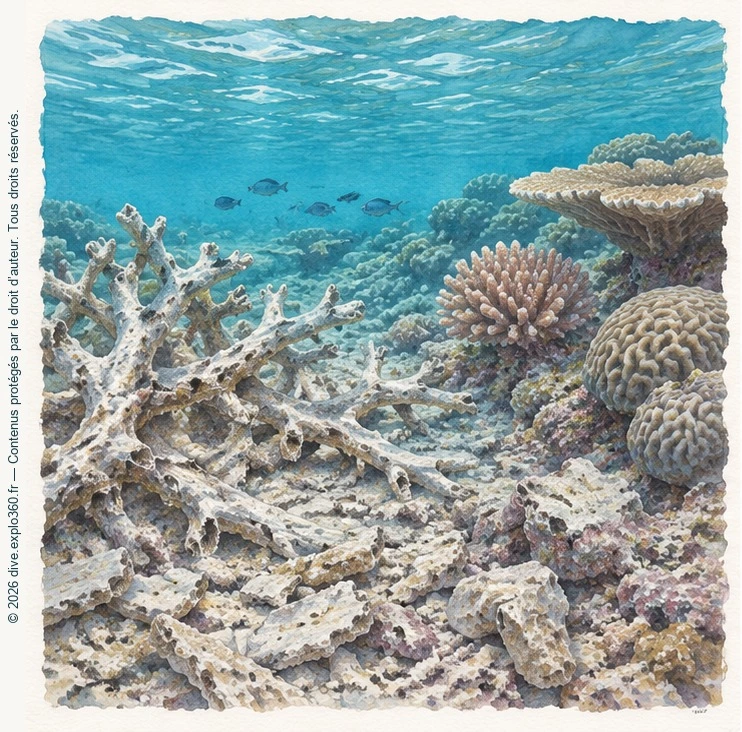
Bioerosion by fish and sea urchins
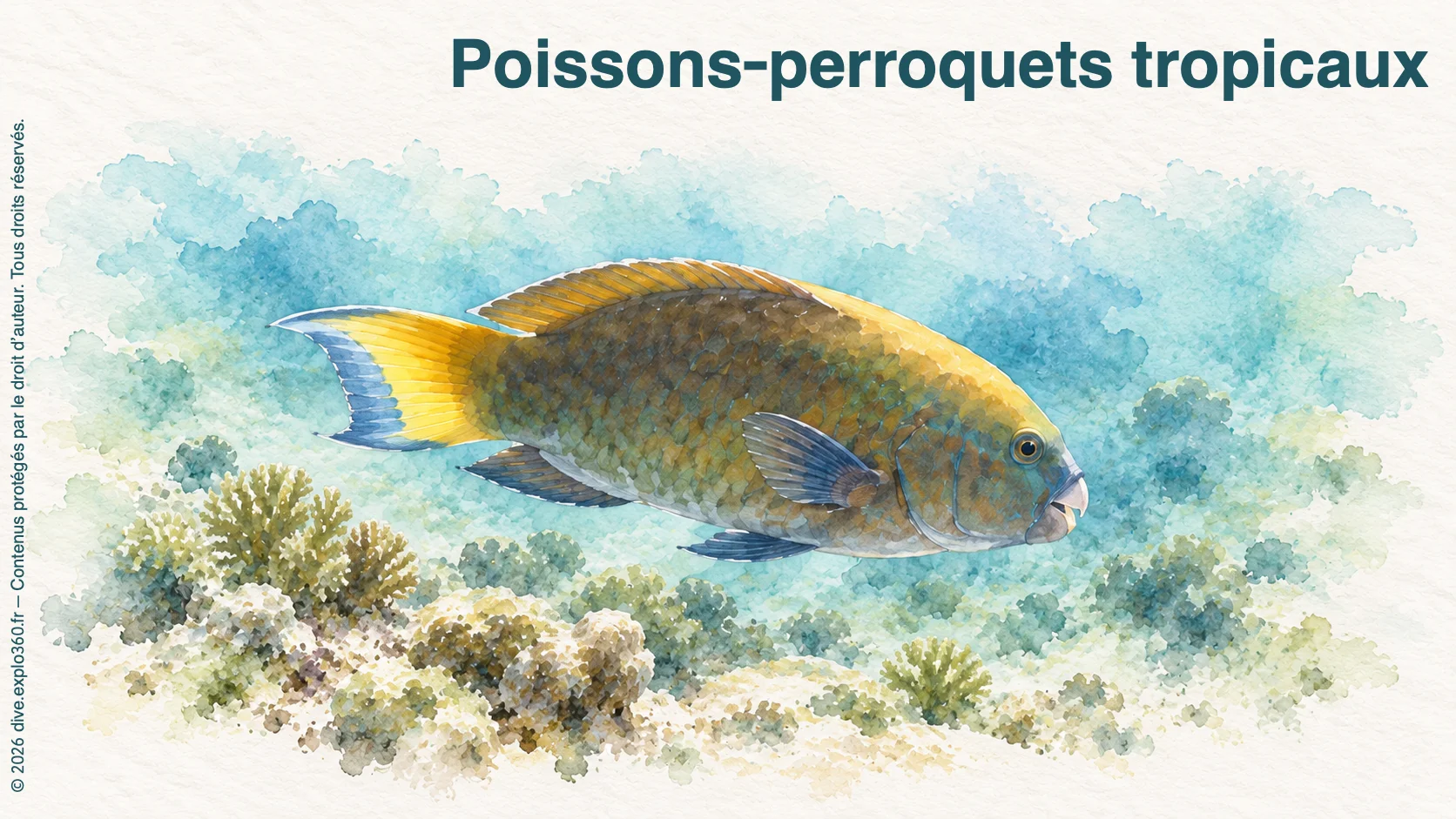
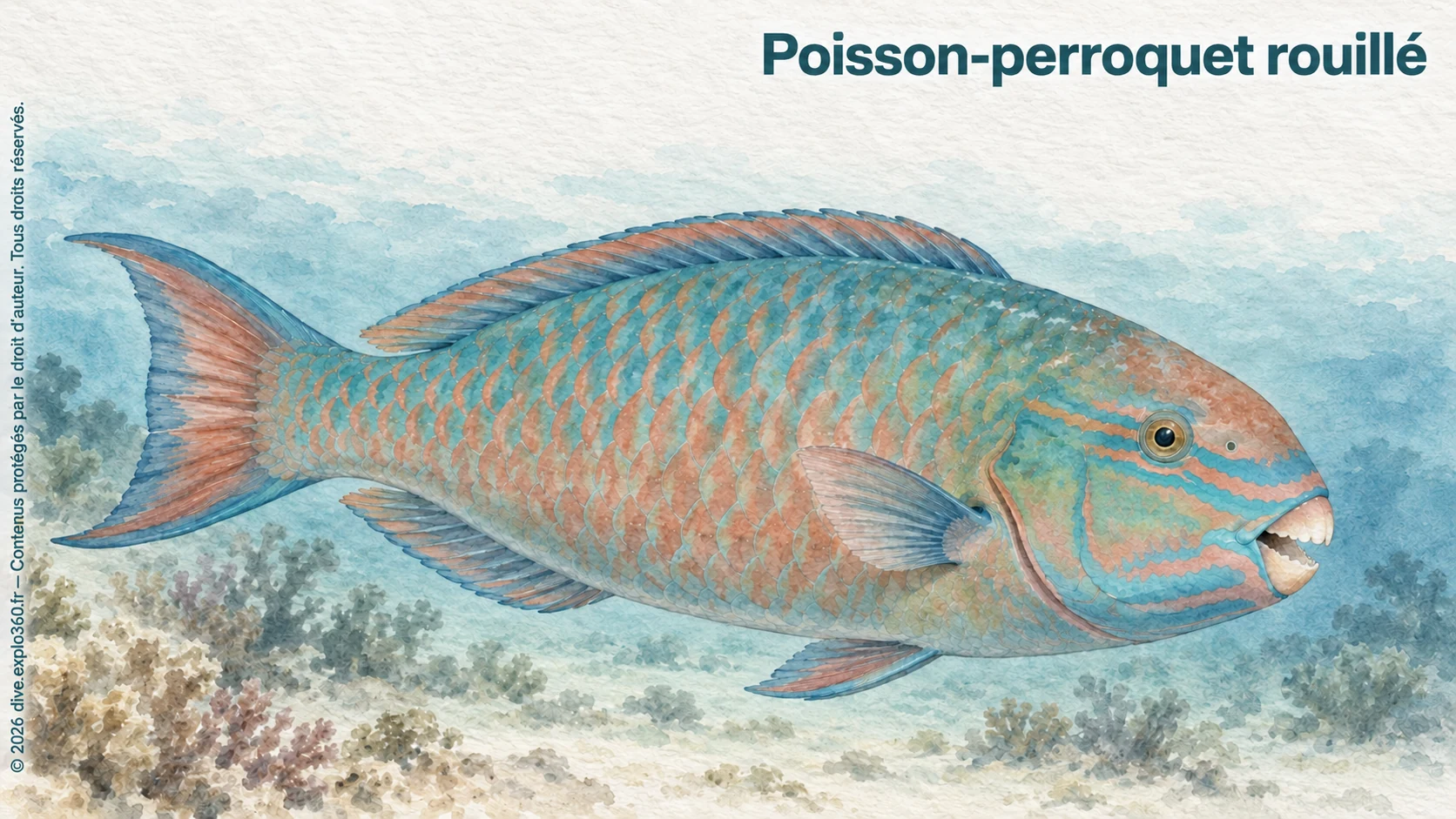
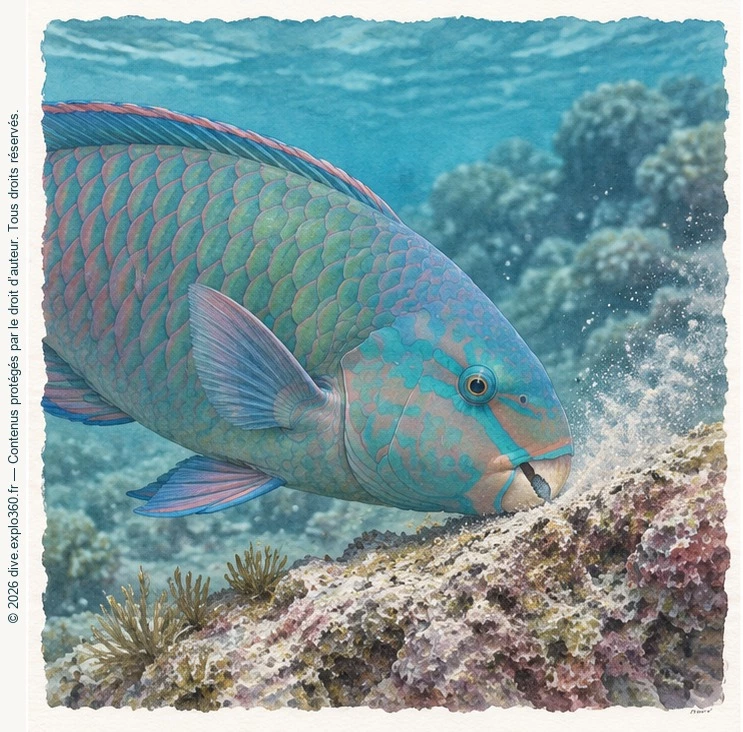
Parrotfish scrape or bite into the reef as they feed. A grinding structure in the throat, the pharyngeal mill, crushes the carbonate they swallow. The fish then release it as sediment. Sea urchins also wear away the reef with the teeth of Aristotle’s lantern. After the urchins die, their shells and spines can break up and contribute grains.
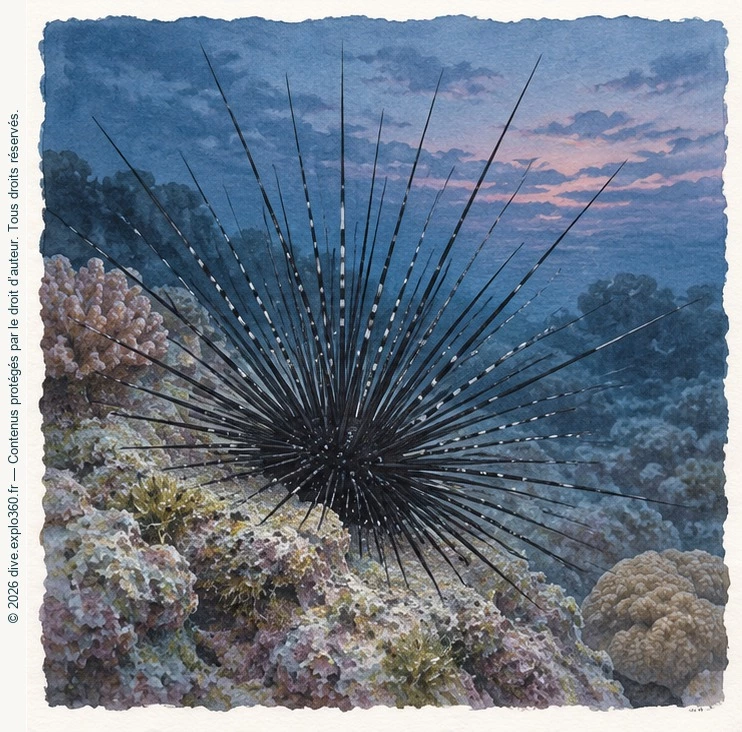
The sea urchin scrapes the reef
The sea urchin’s feeding apparatus removes carbonate as it grazes. This is one mechanism of reef bioerosion.
Grains built by organisms
Some foraminifera that live on the seabed leave distinctive calcium carbonate shells, known as tests. The tests of Baculogypsina sphaerulata contribute to some star sands in Okinawa. Other deposits contain calcified segments of Halimeda and fragments of calcareous red algae.
Explore the same world