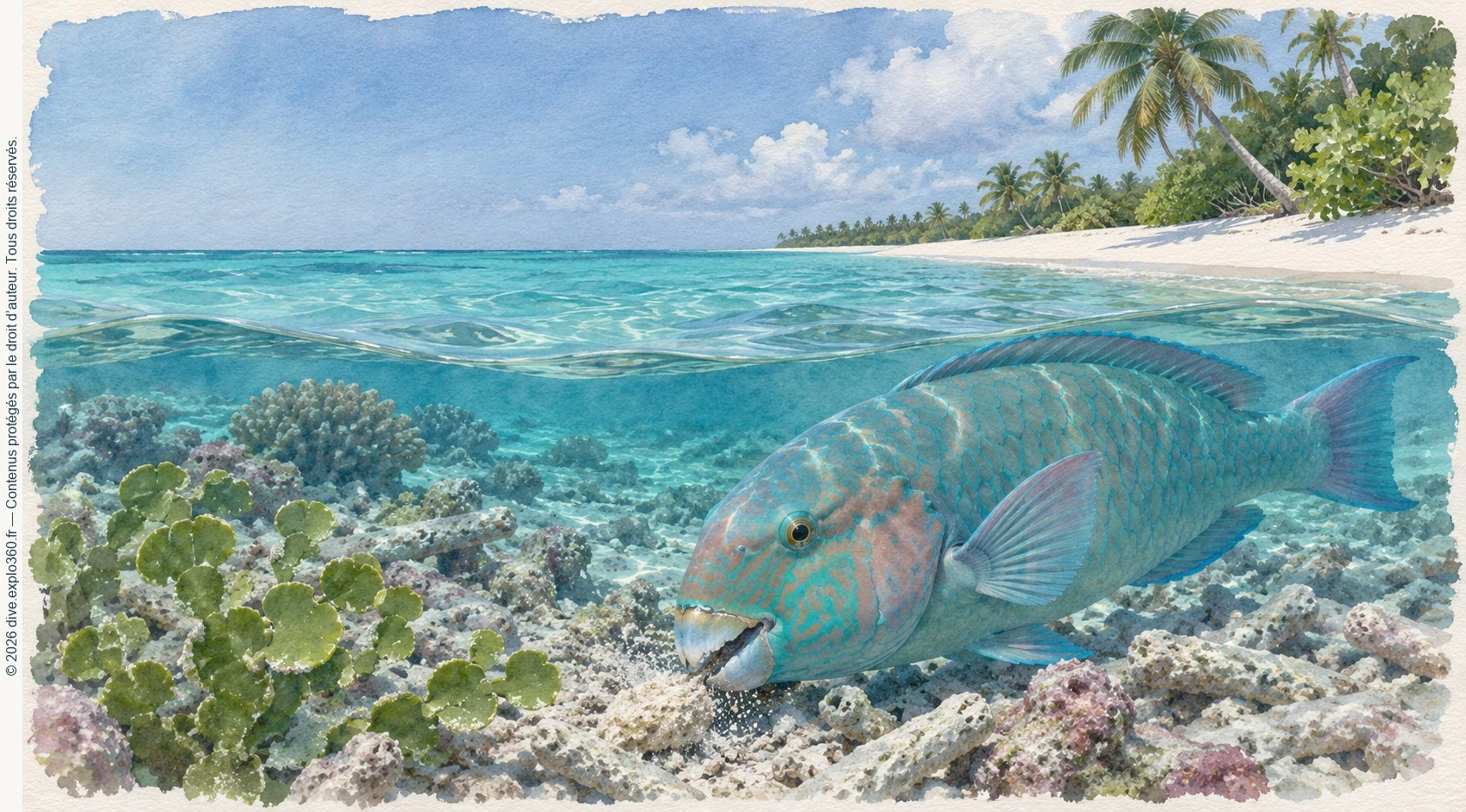
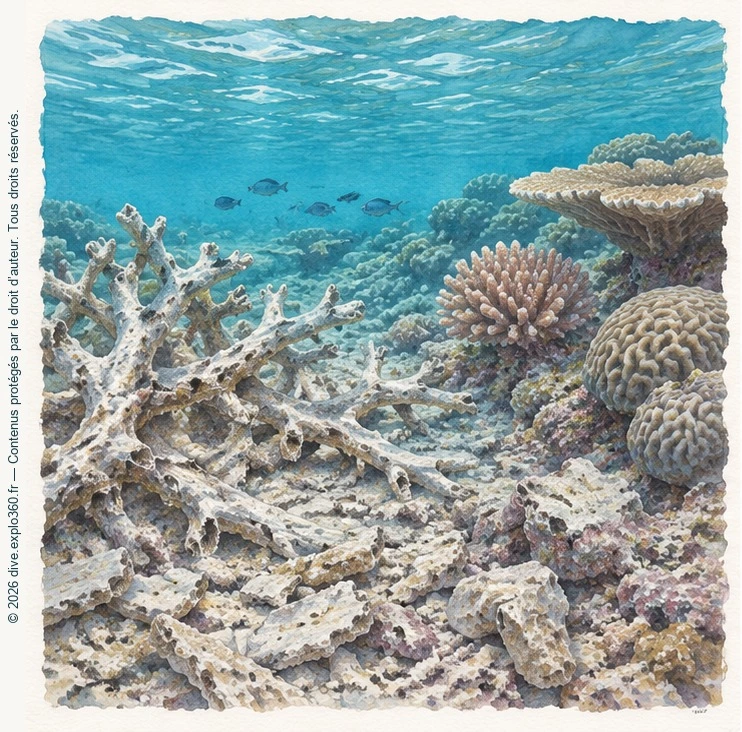
Pieces of reef
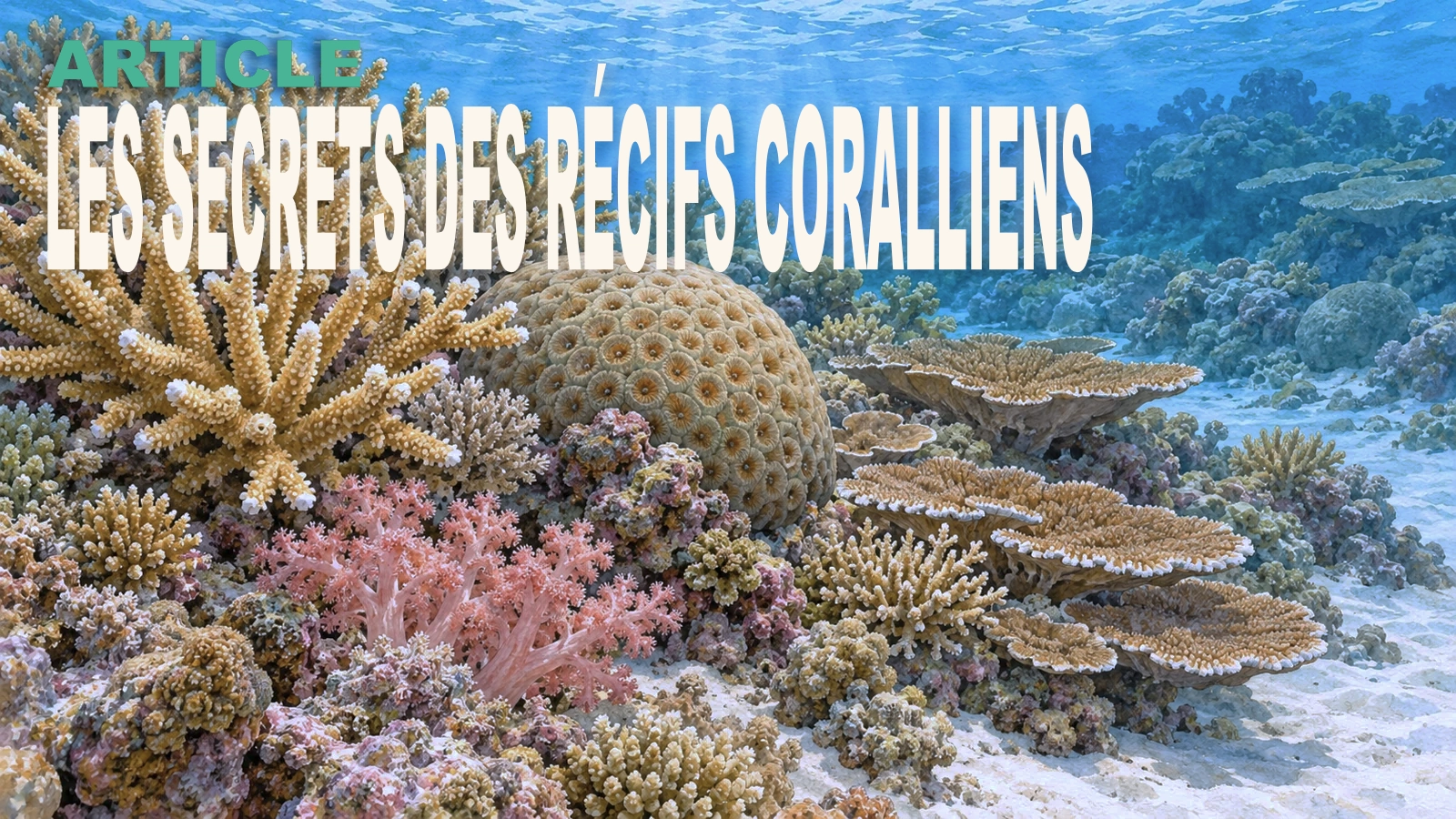
Corals make hard skeletons out of limestone. When bits break off, the waves roll them around and wear them down. Some become small enough to turn into grains of sand.
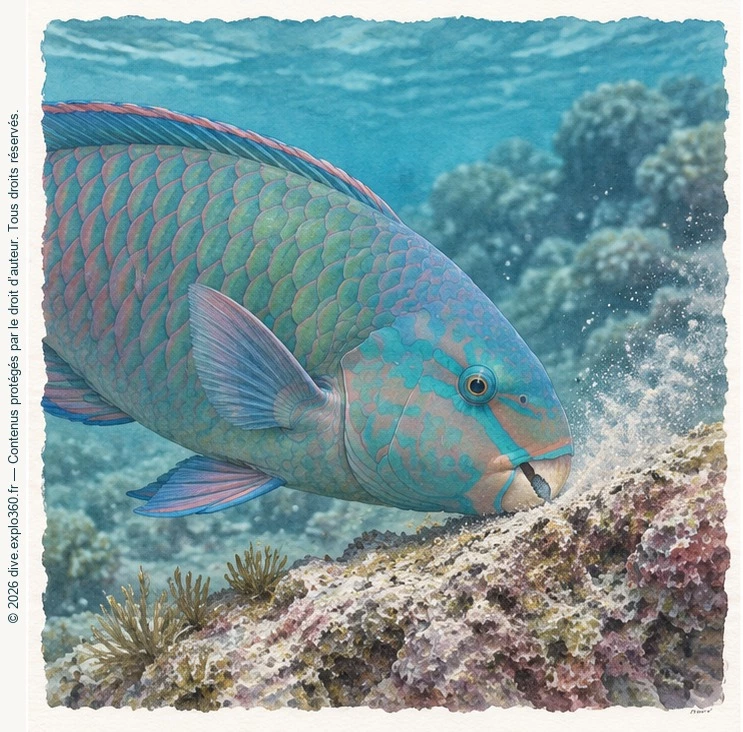
A parrotfish’s meal
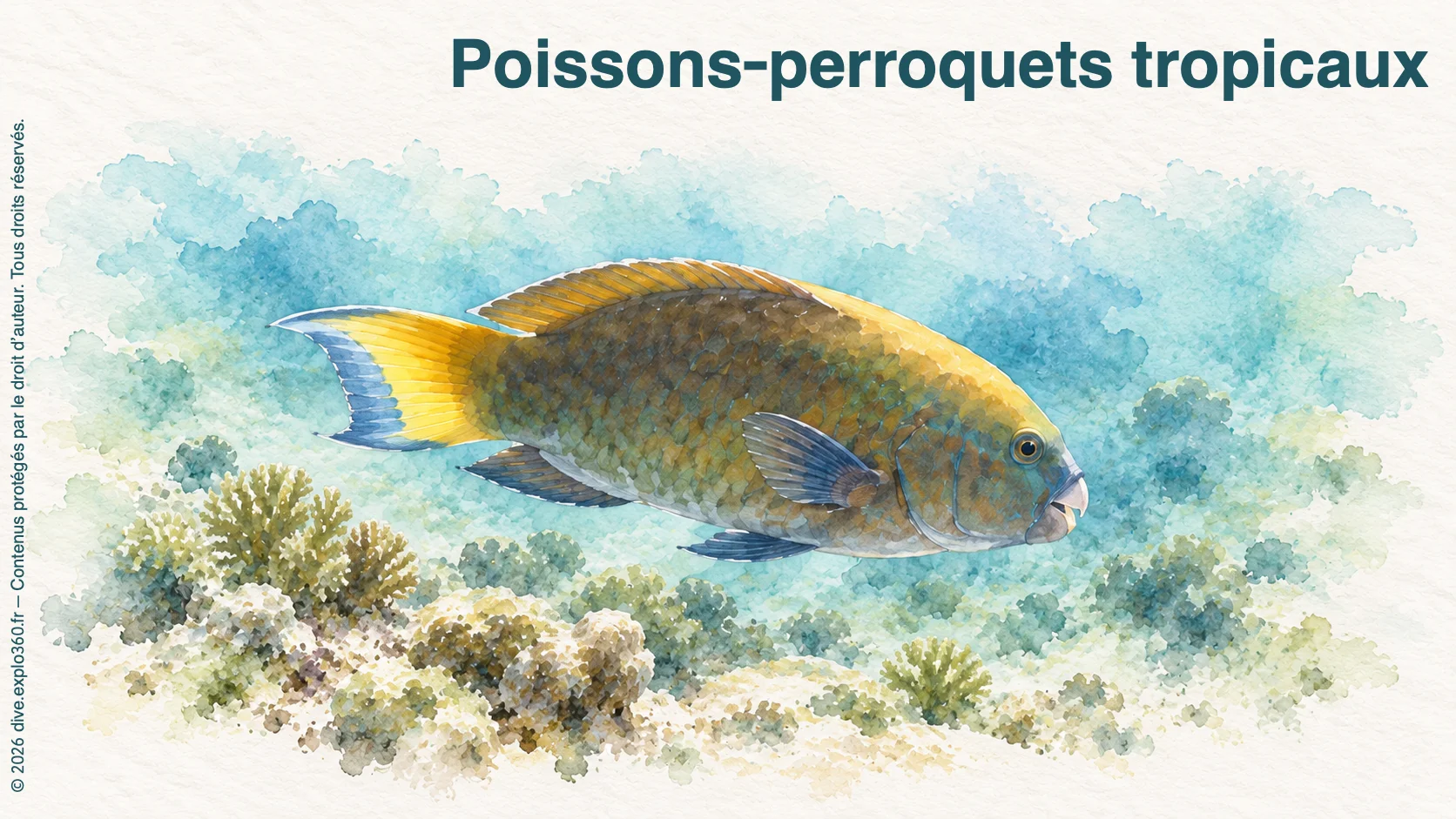
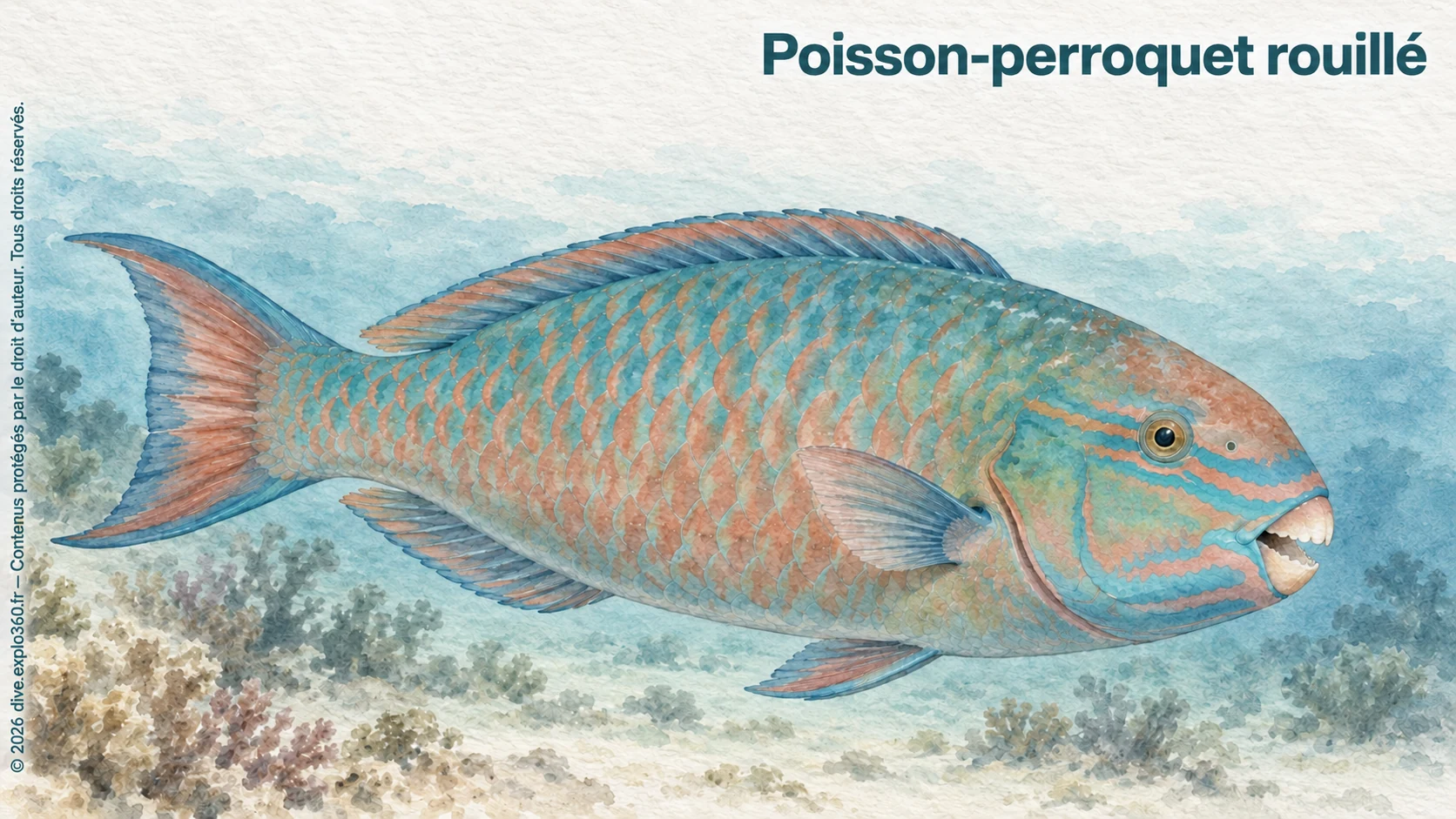
A parrotfish has teeth packed together like a beak. When it scrapes food off the reef, it swallows little bits of limestone too. Later, it can leave a pale cloud of tiny grains behind as it swims away.
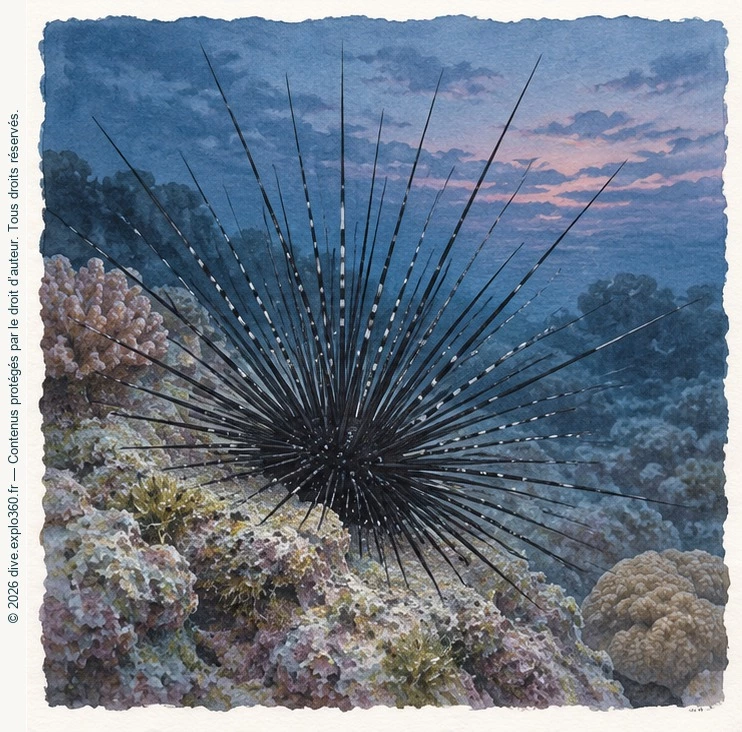
A sea urchin and its five teeth
A sea urchin’s mouth is underneath its body. Some sea urchins use five teeth to scrape food off the rocks. Little bits of limestone come loose as they scrape. Even broken sea urchin spines can end up in the sand.
Grains shaped like stars
On some beaches in Okinawa, Japan, you can find sand grains shaped like stars. Each little star was once the hard shell of a tiny living thing called a foraminifer. A green alga called Halimeda also leaves pale bits behind when its little green plates fall off.
Explore the same world