A rendezvous that lasts seconds
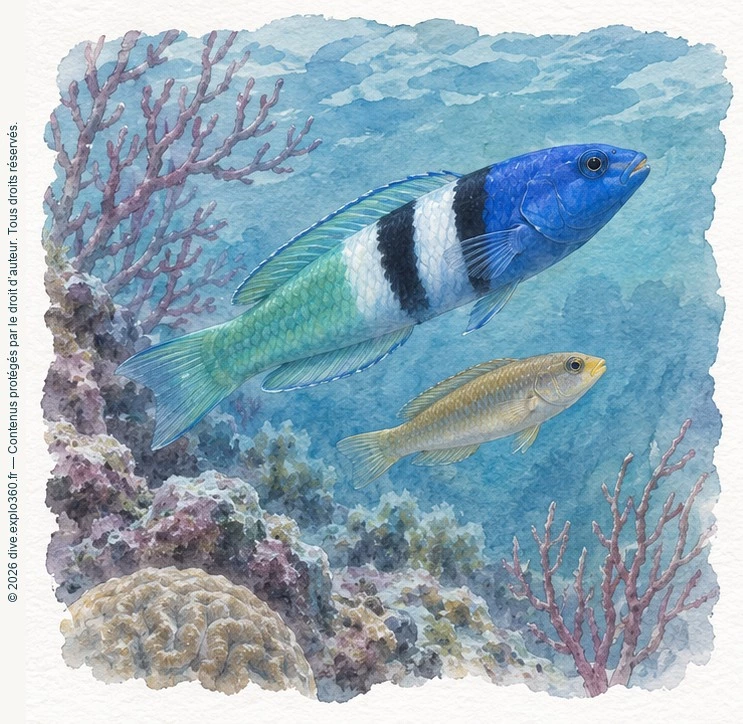
By day on Caribbean reefs, fish gather at spawning sites. Among them is the bluehead wrasse, Thalassoma bifasciatum, which may make a swift dash upwards with a partner. Bluehead wrasses can vary widely in colour. Dominant terminal-phase males have a distinctive blue head separated from the rest of the body by a dark band.
They occupy breeding territories and watch the females that pass through. When a female ready to spawn approaches, a male may leave his position and swim rapidly upward with her. The two fish rise together through the water column. At the top of the ascent, they release their gametes almost simultaneously.
Then they separate. Fertilisation takes place in the water. The fertilised eggs continue developing in the plankton. The whole sequence may last only a few seconds. In these pair spawnings, the ascent follows a series of encounters at the male’s territory. Both partners have to recognise one another and time the release of their gametes.
Bluehead wrasses can also spawn in other ways. Smaller males may take part in group spawning, while territorial males try to mate with females within their territories. Which tactic a fish uses depends partly on its size and rank and on the chances it has to spawn. A fish’s role in these encounters can change over its lifetime.
A female can become male. That shift can change which fish court and spawn together.
When the dominant male disappears
In some groups of bluehead wrasses, the disappearance of a dominant male may trigger a remarkable transformation. A large female begins to change her behaviour. She becomes more aggressive towards other fish and may start behaving like a territorial male. Behaviour can change quickly, well before the body has finished changing.
Her colour then changes as the gonads gradually reorganise. Ovarian tissues regress and functional testicular tissues develop. In a field experiment, some individuals produced mature sperm as early as the eighth day. A fish that once produced eggs can now produce sperm.
The loss of a male can give a previously subordinate female the opportunity to breed as a male. The phenomenon is called protogynous sequential hermaphroditism: the fish reproduces first as a female and can later become male. In bluehead wrasses, interactions within the group help trigger this transition. A courtship display may help a fish find a partner.
Sometimes the opportunity starts with a vacancy in the group. In the Mediterranean, another wrasse attracts females around a seaweed nest.
A nest that attracts females
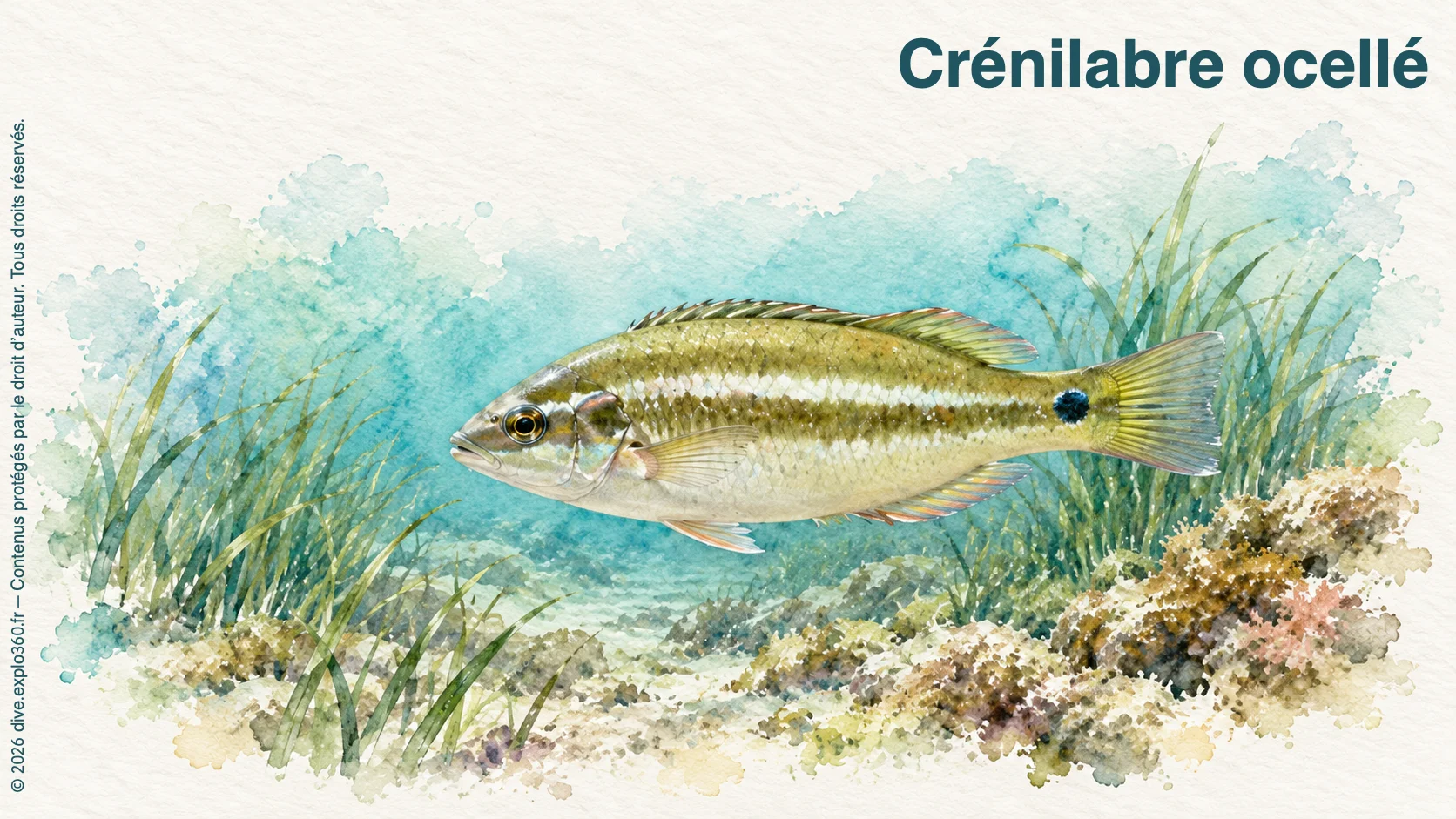
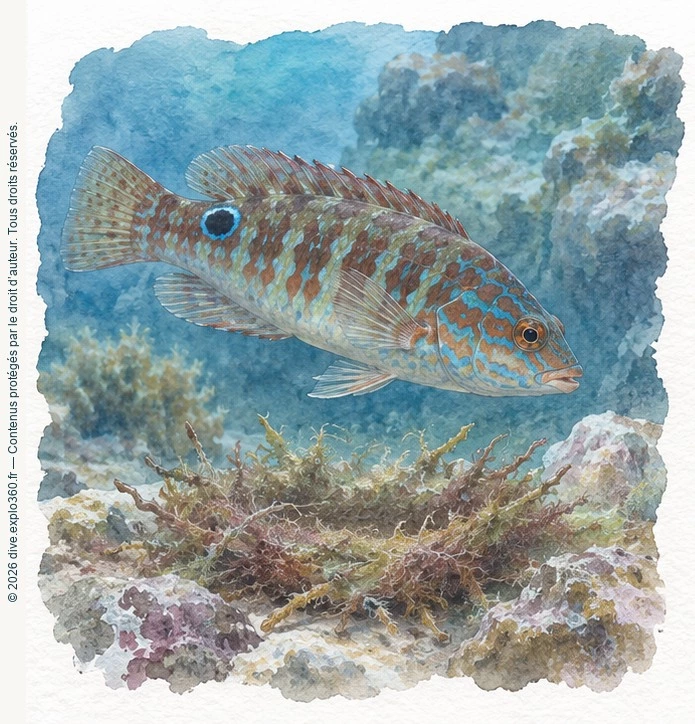
In the Mediterranean, the ocellated wrasse, Symphodus ocellatus, breeds in a nest. In spring and summer, breeding males build nests from algae. They usually build them in rocky areas or among underwater plants. A suitable site is only the beginning.
The male collects pieces of seaweed and arranges them into a nest where females can lay their eggs. The nest becomes the centre of his activity. He guards and maintains the nest and tries to attract females. When a female approaches, the male may court her to encourage her to spawn.
Spawning also gives other males a chance to get close. In this species, several breeding tactics coexist. The large territorial males build and defend nests. Smaller males, often referred to as satellites, can stay close and help to repel intruders, while sometimes seeking to fertilise some of the eggs.
Other males try to sneak in while the eggs are being laid. The male that built the nest may father only some of the young that develop there. A brief opening at the nest can give a rival a chance to fertilise some of the eggs. The territorial male has to keep competitors away as he courts.
His work continues after spawning, when the eggs need guarding. The nest is where the fish meet, where the eggs develop and what the males compete over.
What about the female?
She can inspect the sites and males before laying eggs. Her decisions influence the distribution of the eggs among the available nests. Even the most aggressive male may miss out if a female chooses to spawn at another nest. Experiments on ocellated wrasse show that a female’s choice of nest may depend on whether other females are spawning there.
The mandarinfish’s dance
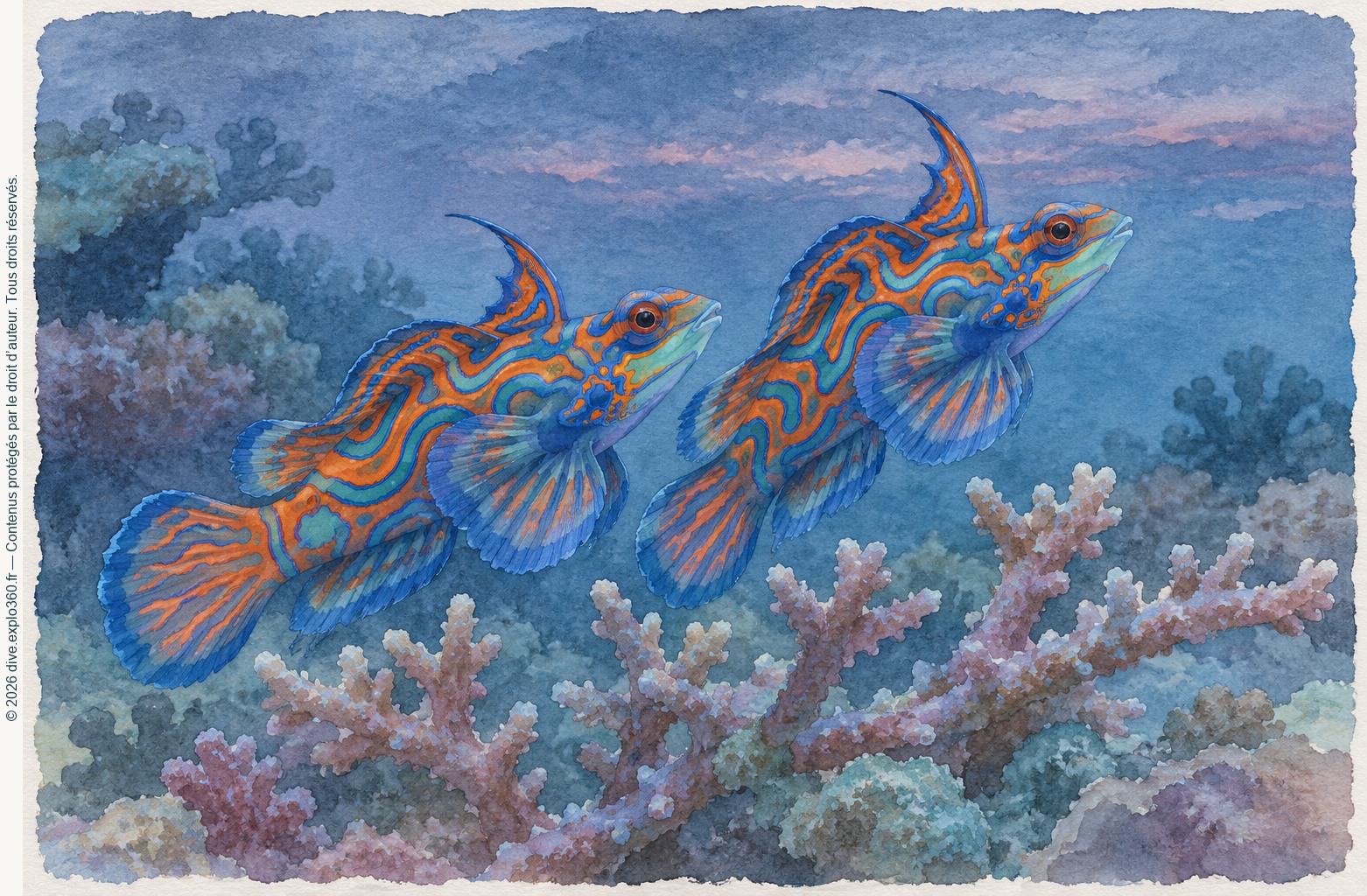
On Indo-Pacific reefs, courtship in the mandarinfish, Synchiropus splendidus, can end in a rise above the seabed. Blue, orange and green markings stand out sharply against one another. At dusk, the fish may leave their shelters and head to places where they can find a mate. A male approaches a female.
The partners position themselves side by side and may rise through the water column. Their fins spread out. Keeping their bodies in contact helps them stay aligned as they rise. At the end of this ascent, the gametes are released into the water. The ascent is brief.
But the encounter that precedes it can take time. In field and laboratory studies, the females observed spawned with males larger than themselves. Large males can mate more often, especially when they can keep other males from reaching females. The vivid colours catch our eye. How much weight females give those colours is harder to say.
Visual signals, size and behaviour can all influence an encounter. Their importance varies by species. Courtship allows the partners to coordinate their movements and the release of gametes. The timing of the display helps bring eggs and sperm together. Some marine animals pick up signals long before a partner comes into view.
Sometimes the encounter begins with a smell.
A message carried by water
In many aquatic animals, chemicals play a role in reproduction. Water carries molecules that can give an animal clues about another animal’s presence or physiological state. These signals can affect how an animal searches for a mate, approaches it or behaves during reproduction. In fish, compounds related to reproductive hormones and their metabolites can function as chemical signals.
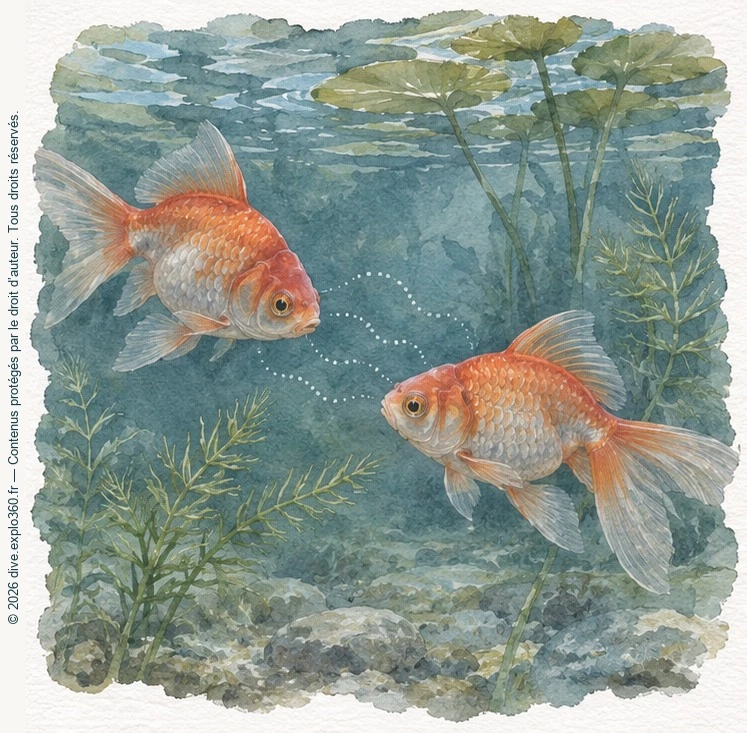
In fresh water, the goldfish, Carassius auratus, provides a particularly well-documented example. Before ovulation, females release substances associated with their reproductive status into the water. Males can detect them through their olfactory system. Some of these signals modify their physiology and promote reproductive behaviour.
These cues can reach a male before he sees the female. A male may detect that a female is nearly ready to spawn before he comes close to her. Some marine animals also detect potential mates through chemical cues. But the mechanisms vary considerably among groups.
Which cues an animal can detect depends on its sensory system. A compound that carries information for one species may mean little to another. And there are encounters where the signals are not enough. A rival may already be near the potential mate and hold its ground.
Explore the same world