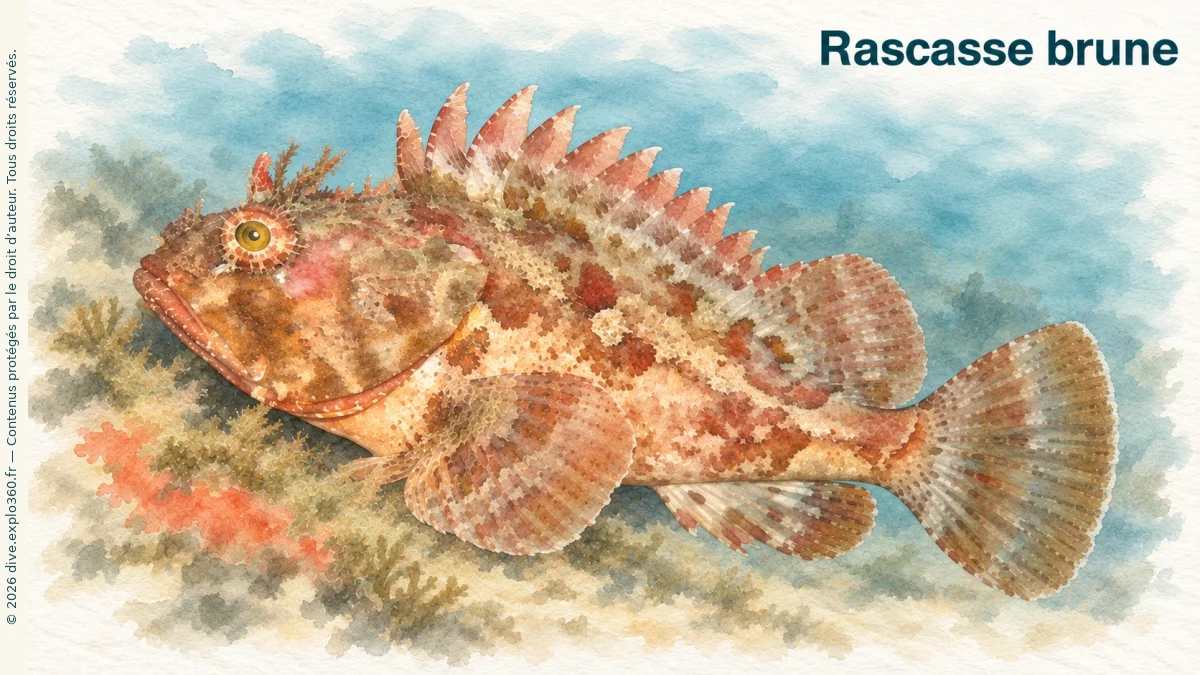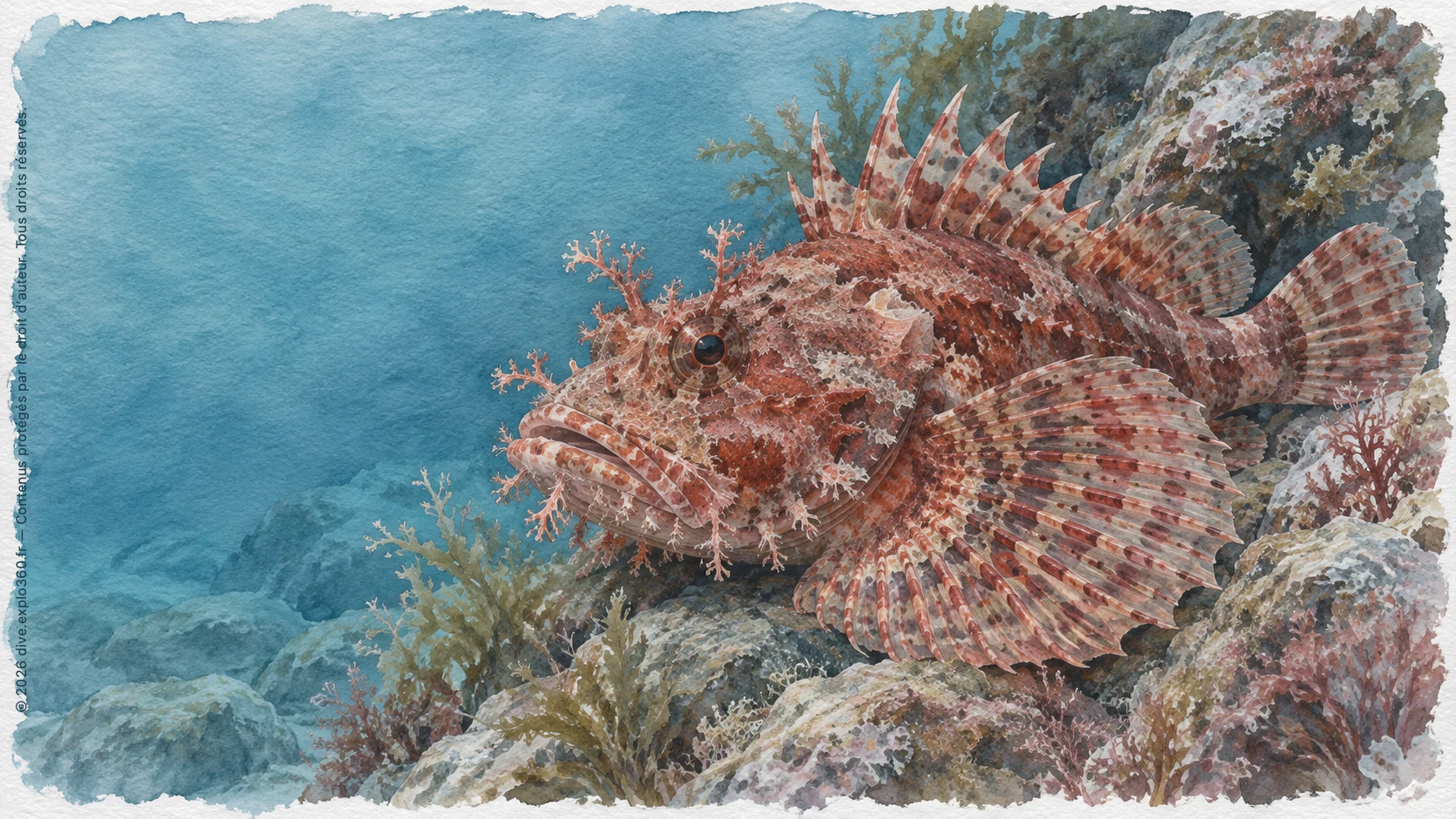
The scorpionfish in ambush

A scorpionfish blends into the rocks until prey comes within reach. Then it opens its mouth in a flash. The spines come into play if something tries to eat the scorpionfish itself. A prick can carry venom into the attacker’s tissues.
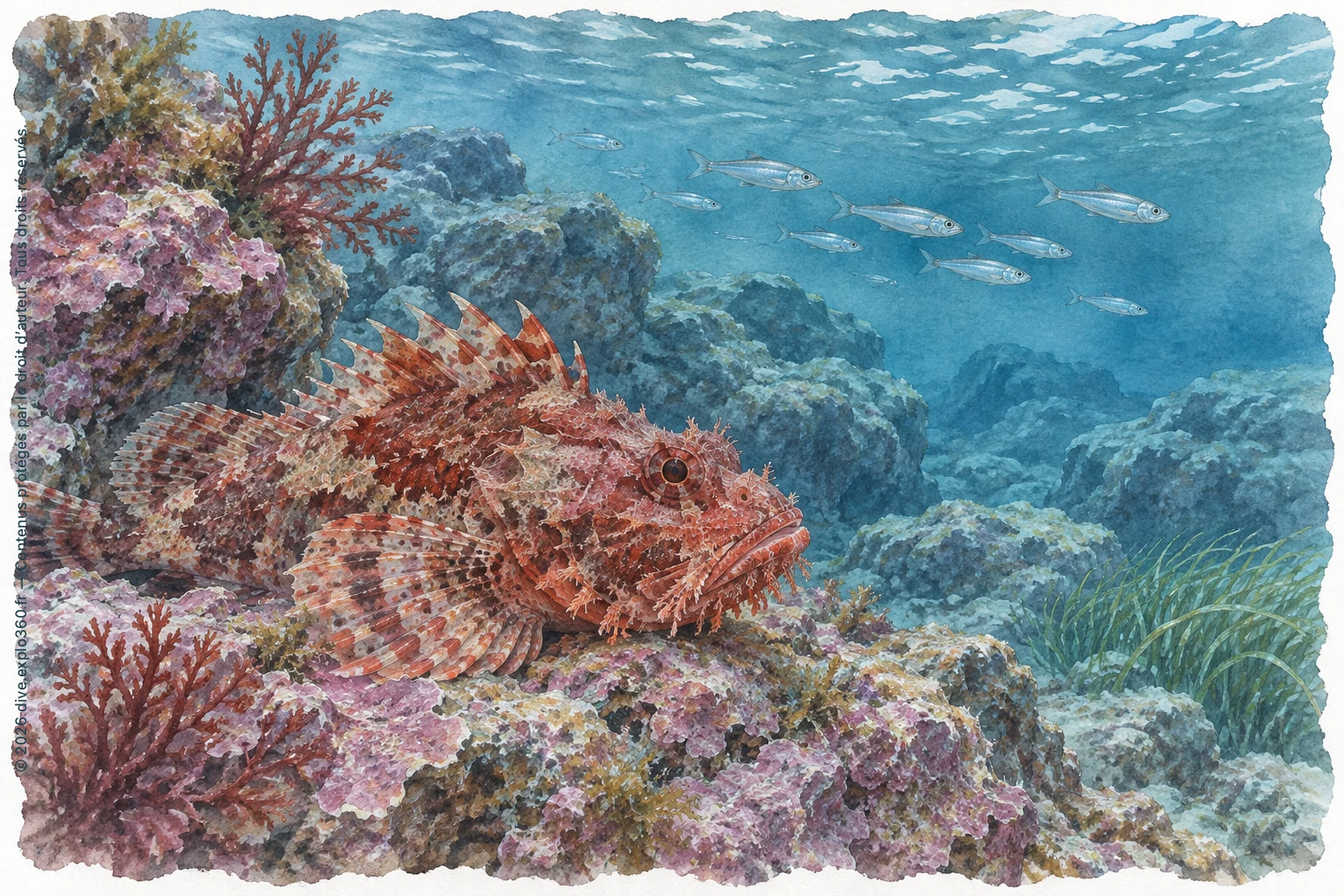
A scorpionfish lying in wait beneath small silver fish.
A motionless scorpionfish can ambush prey once it comes within reach. © dive.explo360.fr — All rights reserved. Reproduction requires permission.
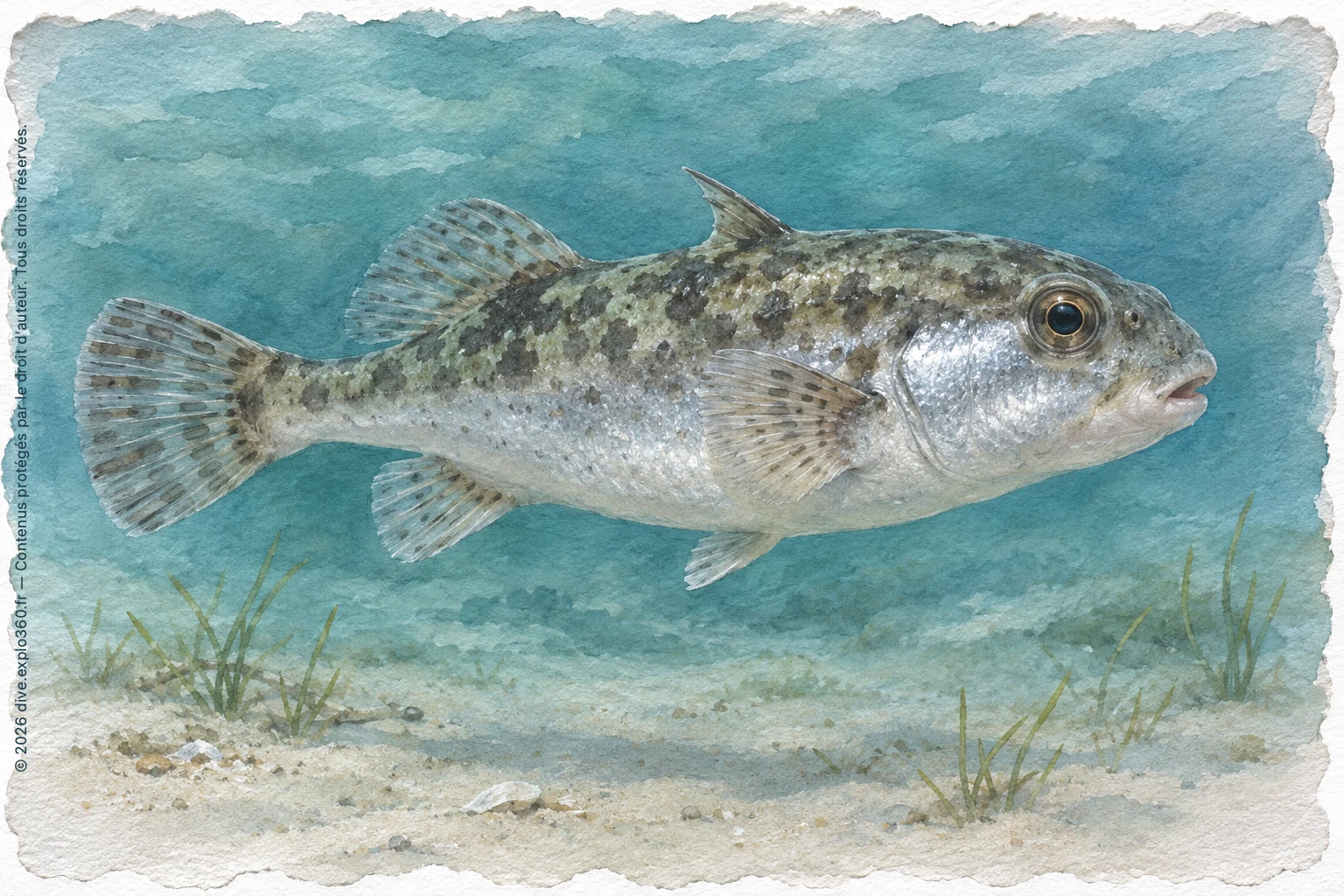
A silvery pufferfish above sand.
Some puffers contain poisonous substances that can reach a predator when swallowed. © dive.explo360.fr — All rights reserved. Reproduction requires permission.

Stinging or being swallowed

The difference between venomous and poisonous lies in how the substance gets into the other animal. A scorpionfish spine can introduce venom through a wound. Some pufferfish can poison a predator simply by being eaten.

Three ways an encounter can end

1

Defend

A scorpionfish spine can interrupt an attack.
2

Catch

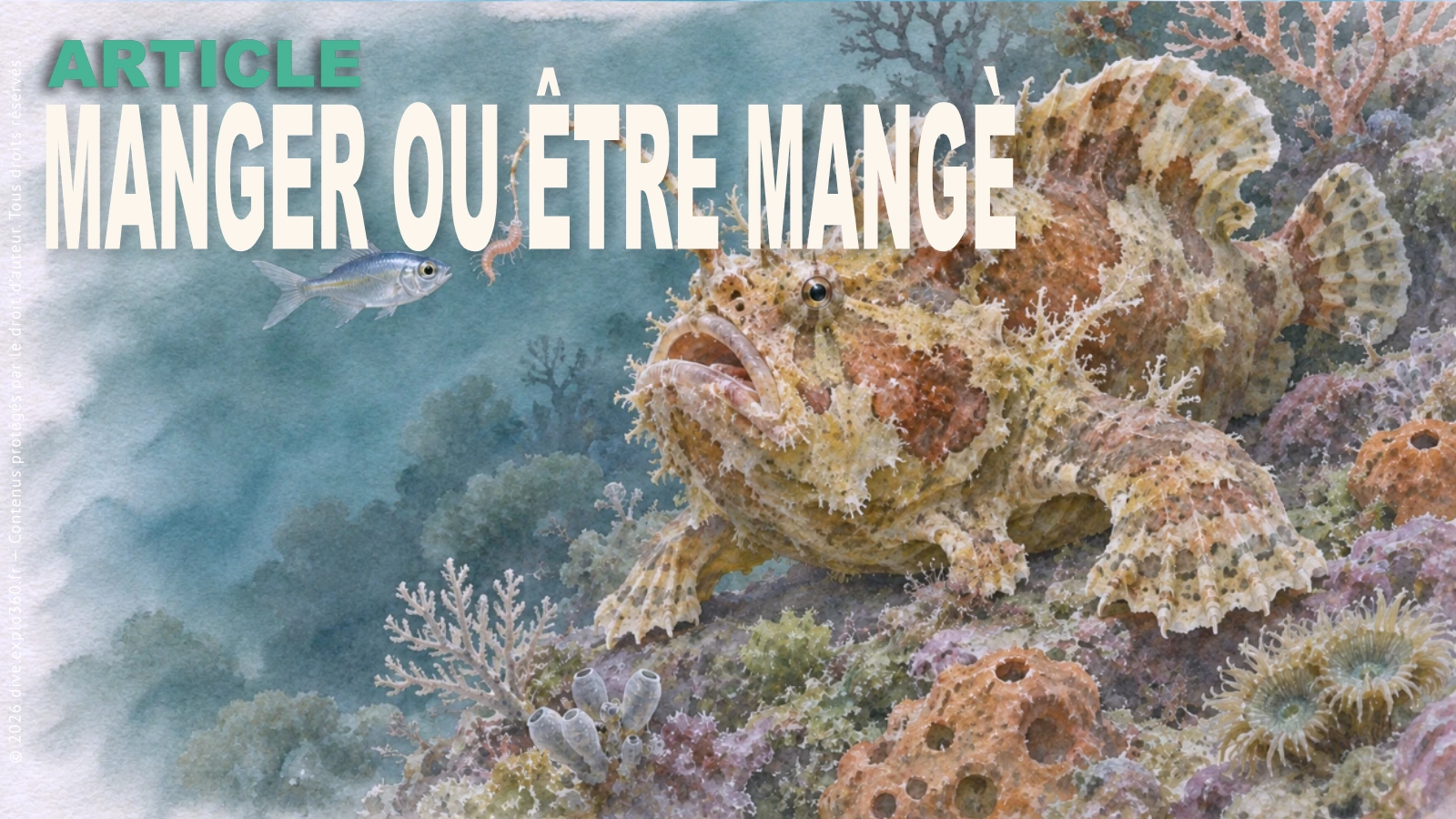
An anemone brings prey towards its mouth.
3

Deter

Unpleasant prey may be spat out.

How nudibranchs defend themselves

A nudibranch is a sea slug with no visible shell. Some keep defensive chemicals from the animals they eat, such as sponges. Others make their own. In some encounters, bright colours can warn a predator away.
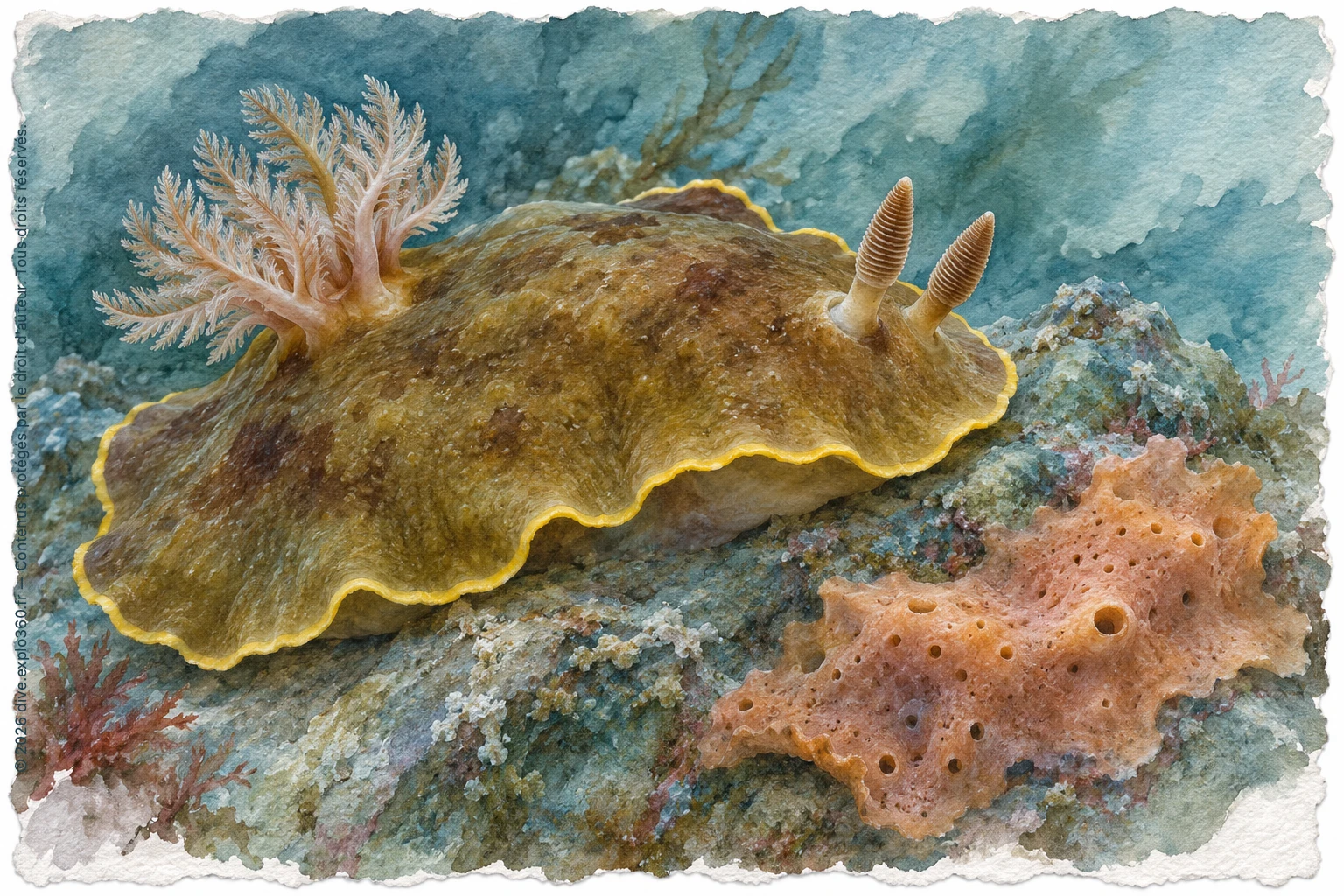
A dorid nudibranch near an encrusting sponge.
Nudibranchs differ in where they get their chemical defences. Dendrodoris limbata can make a defensive compound itself. © dive.explo360.fr — All rights reserved. Reproduction requires permission.

Continue reading

AMIGANSEAU CONTENT

The rest of this article is for subscribers

Log in with your AMIGANSEAU licence to continue reading.

All active AMIGANSEAU licences give access to the full article.