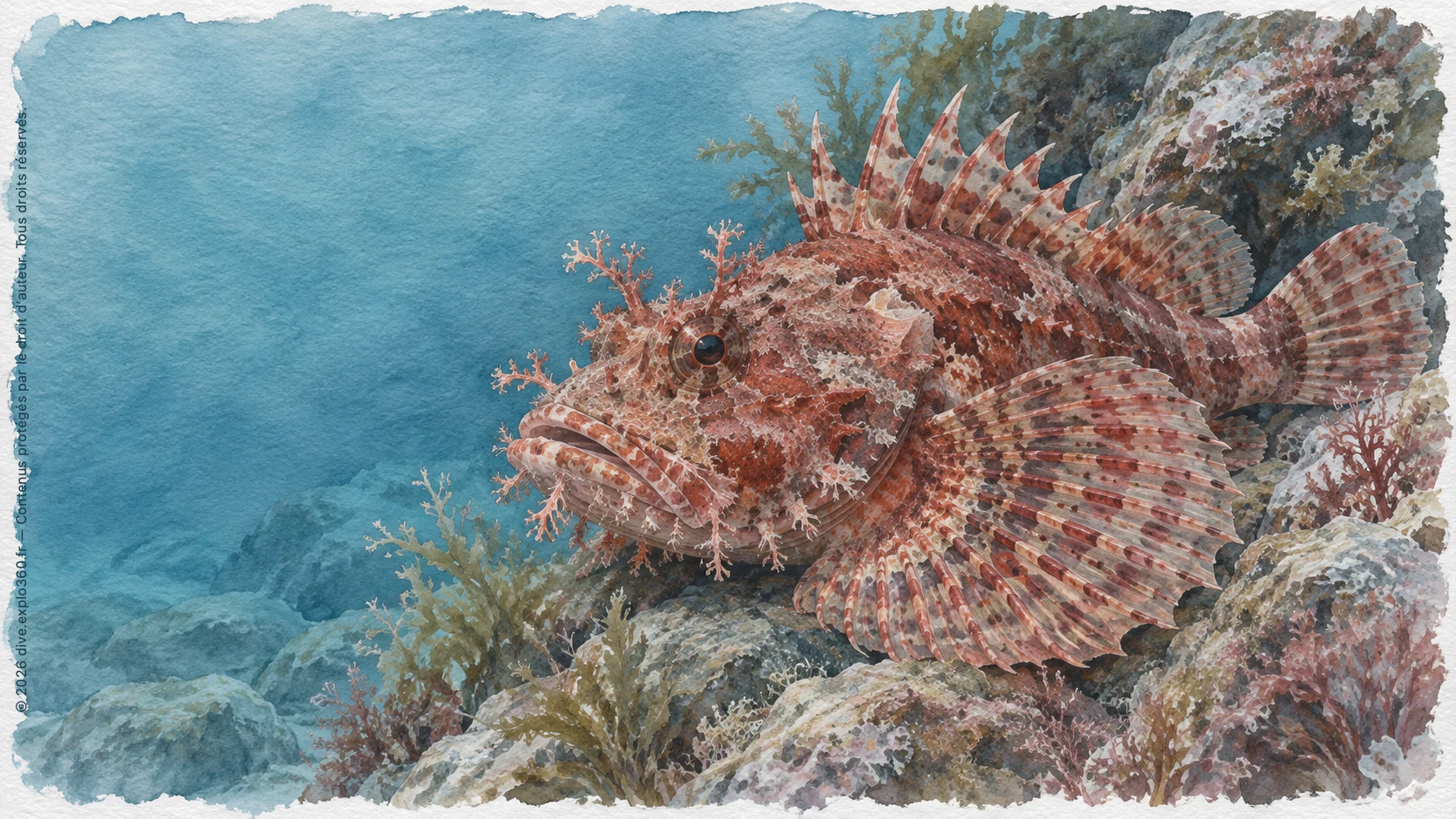
The scorpionfish in ambush
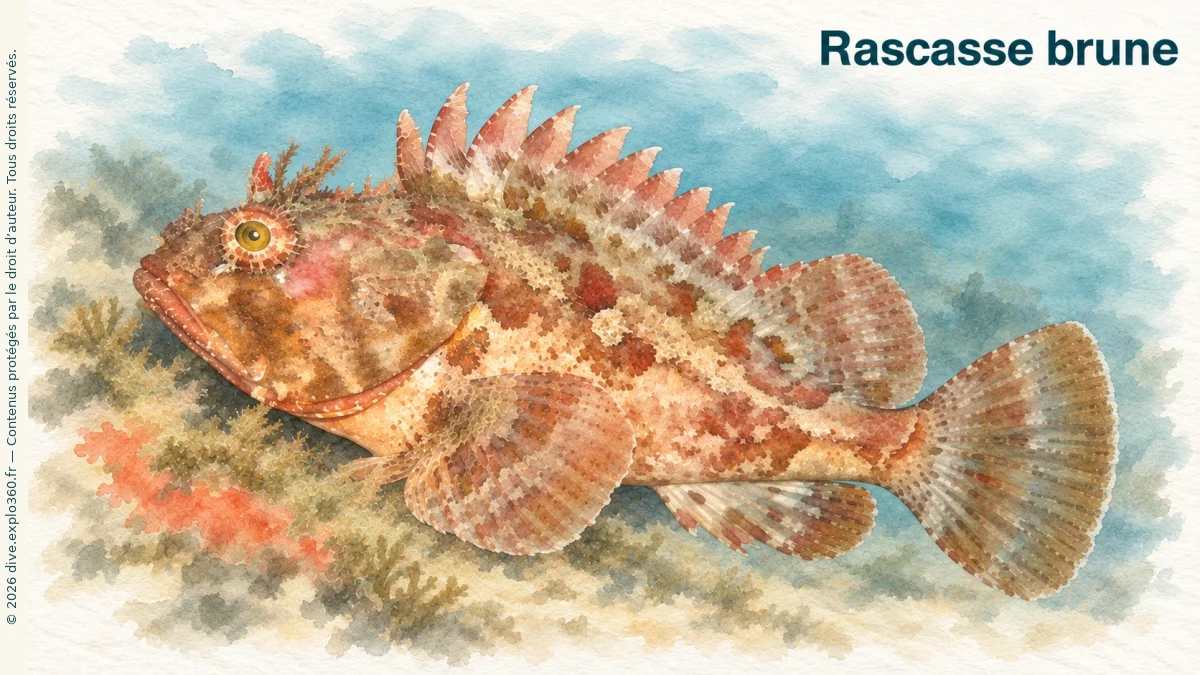
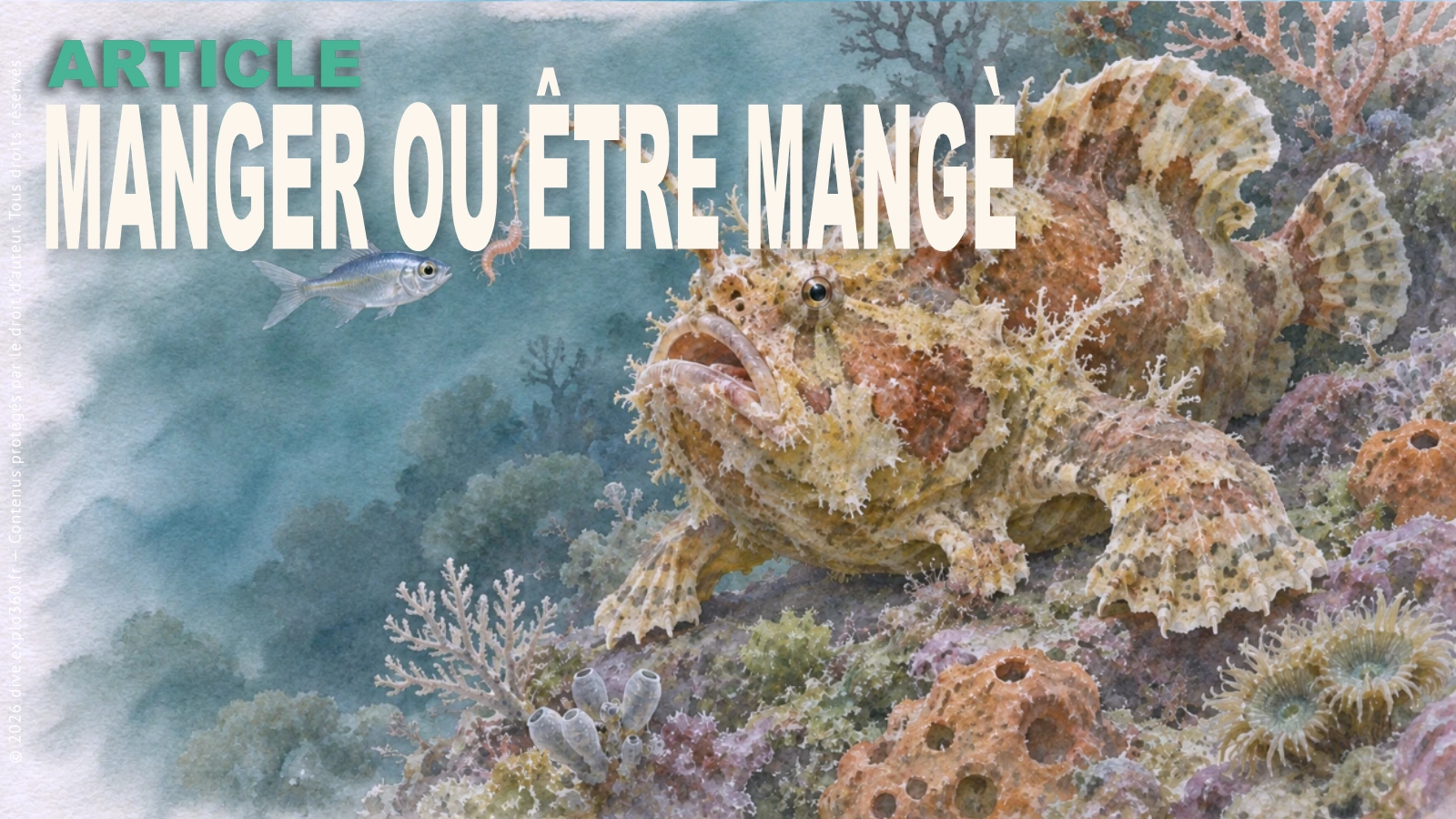
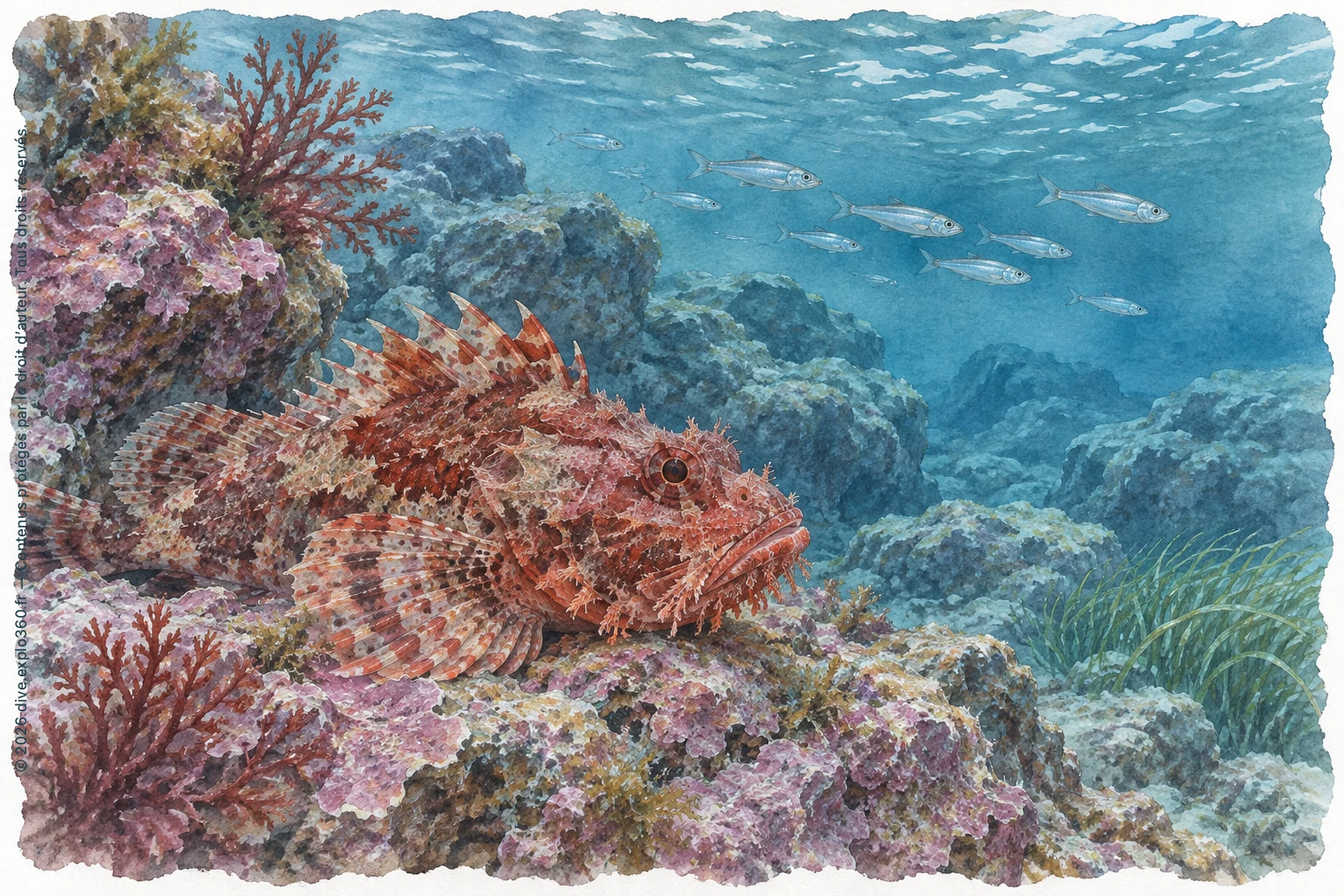
On a rocky Mediterranean seabed, mottled skin and uneven projections break up the outline of a scorpionfish. It can stay still as a smaller fish comes close, then open its mouth in an instant and draw the prey in.
Some spines in scorpionfish of the genus Scorpaena are associated with venom glands. If a predator tries to grab the fish, a spine can puncture its tissues and introduce venom. The camouflage helps it catch a meal. The spines help it avoid becoming one.
Stinging or being swallowed
The distinction between venom and poison follows the route of exposure. A specialised structure delivers venom through a sting or other wound. A poison can act after it is swallowed or through contact.
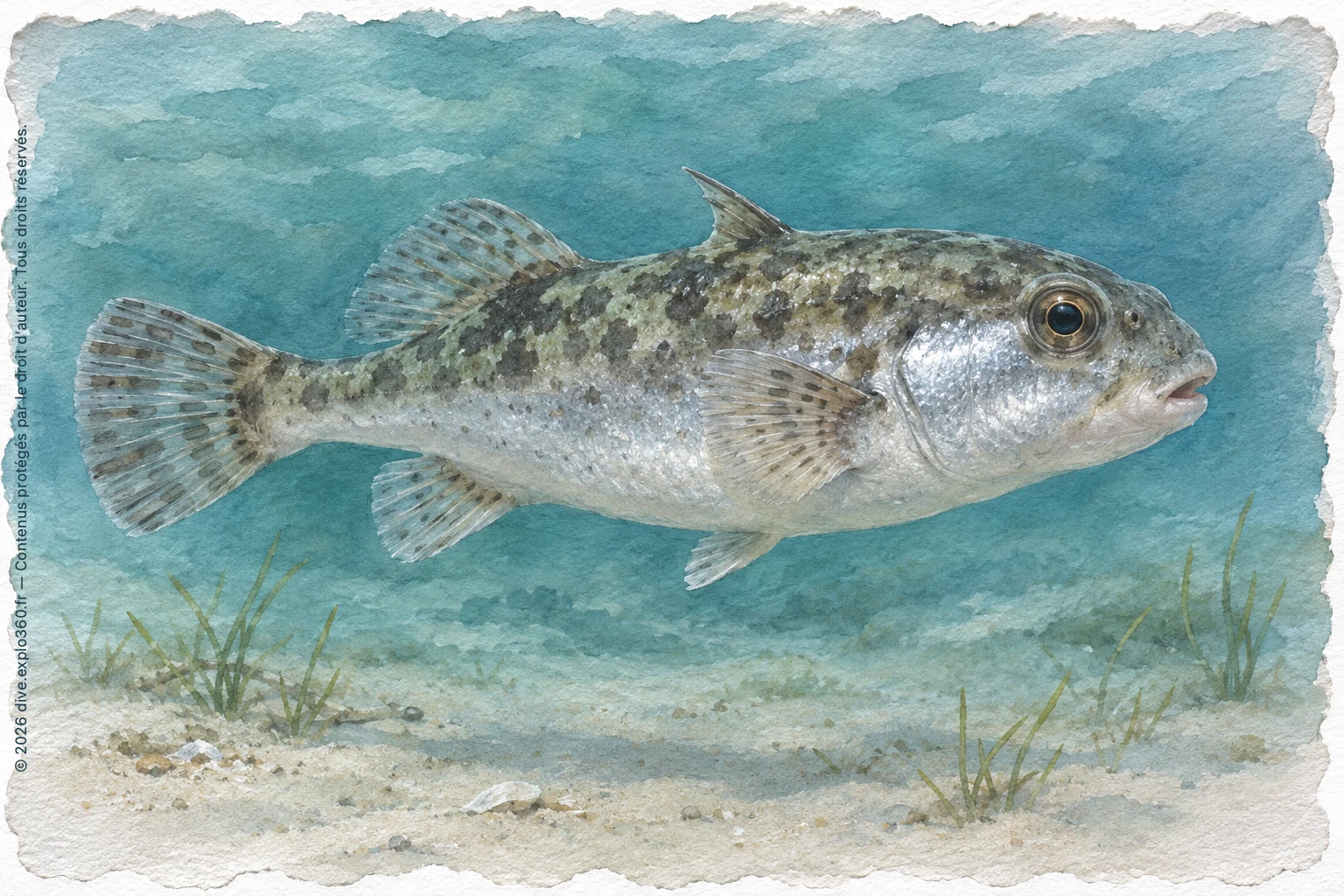
Some pufferfish contain tetrodotoxin, which blocks certain sodium channels and disrupts signalling in nerves and muscles. How much toxin a fish carries varies among species and individuals and with local conditions. In some species, diet can contribute to its accumulation. For a predator, exposure can begin with a bite.
How nudibranchs defend themselves
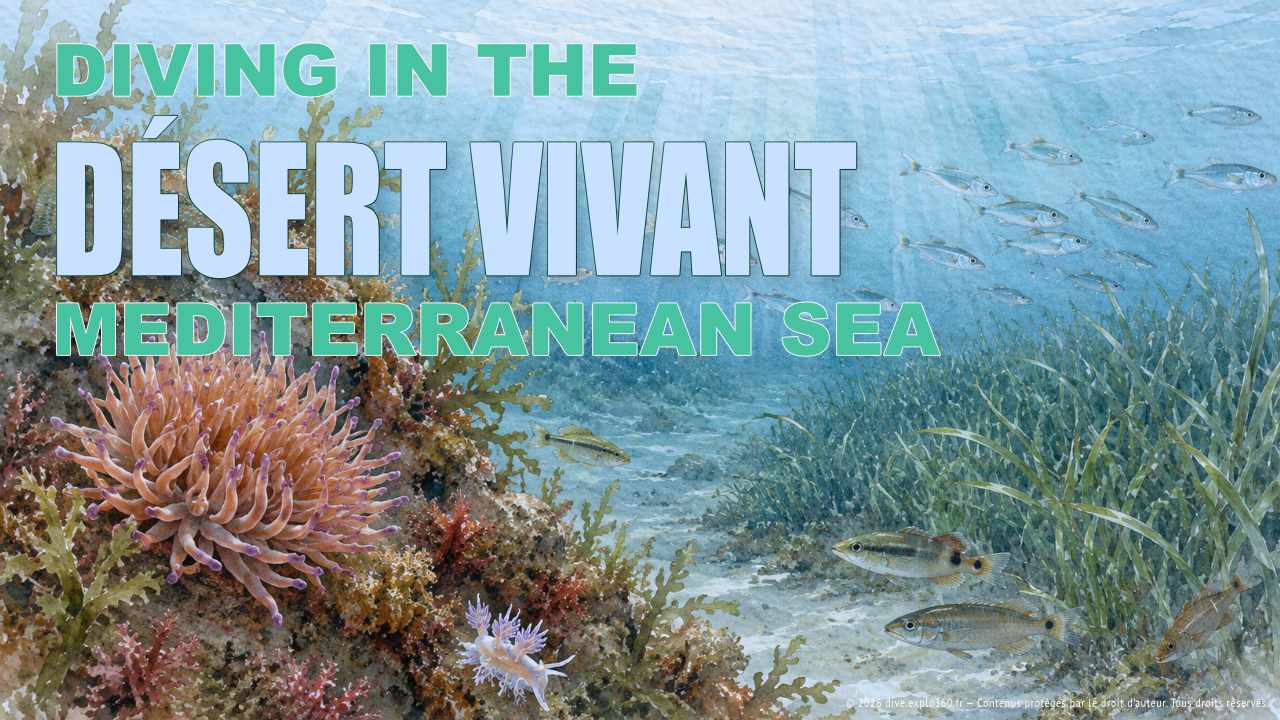
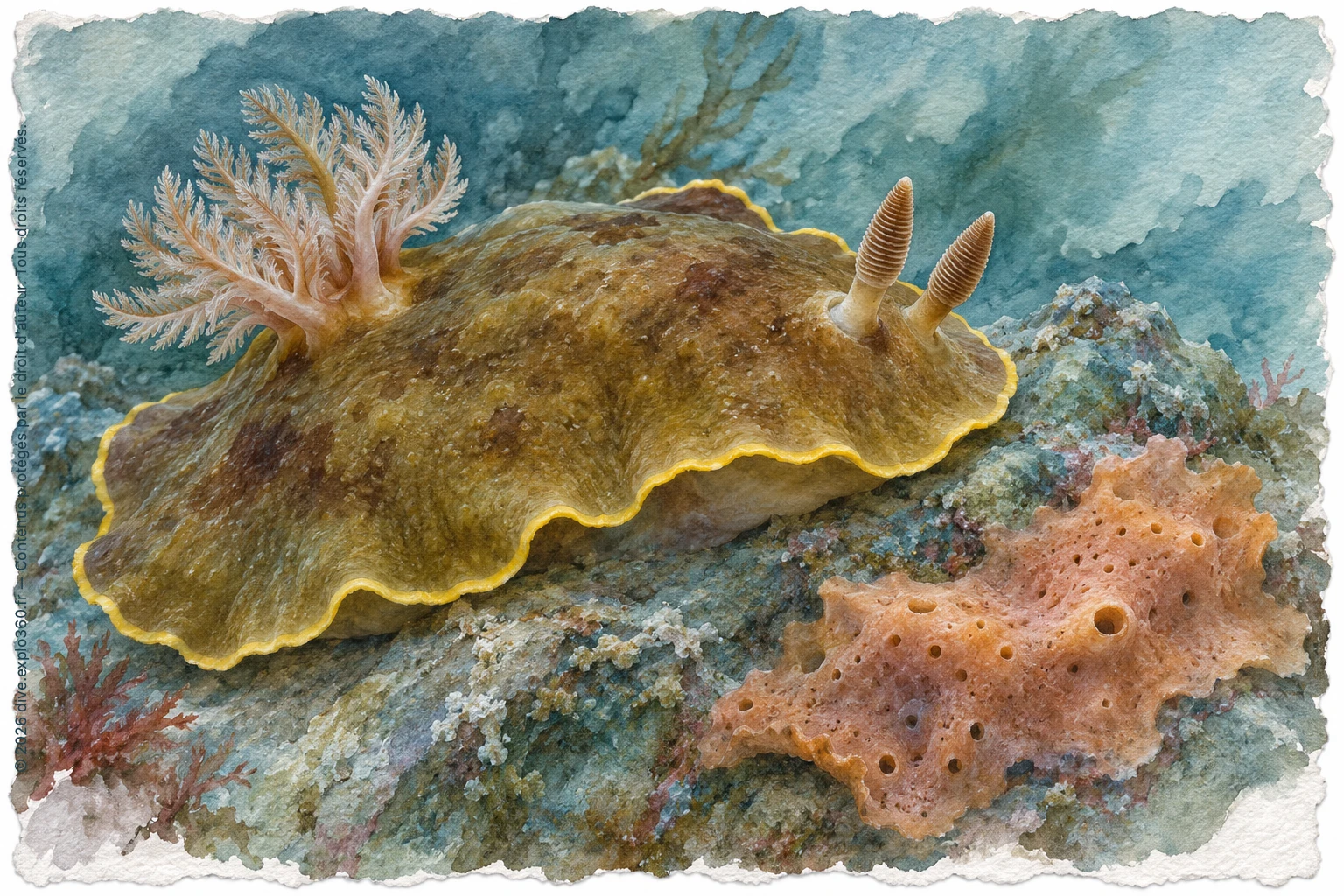
A nudibranch can crawl across the seabed in full view. Contrasting colours may warn a predator away, but the pattern alone gives little away. To establish that the colours act as a warning, researchers have to see how a predator responds to them.
Some nudibranchs retain chemicals from their food, such as sponges, while others modify compounds they eat. In 1983, researchers showed that Dendrodoris limbata could make a defensive compound of its own.
Explore the same world