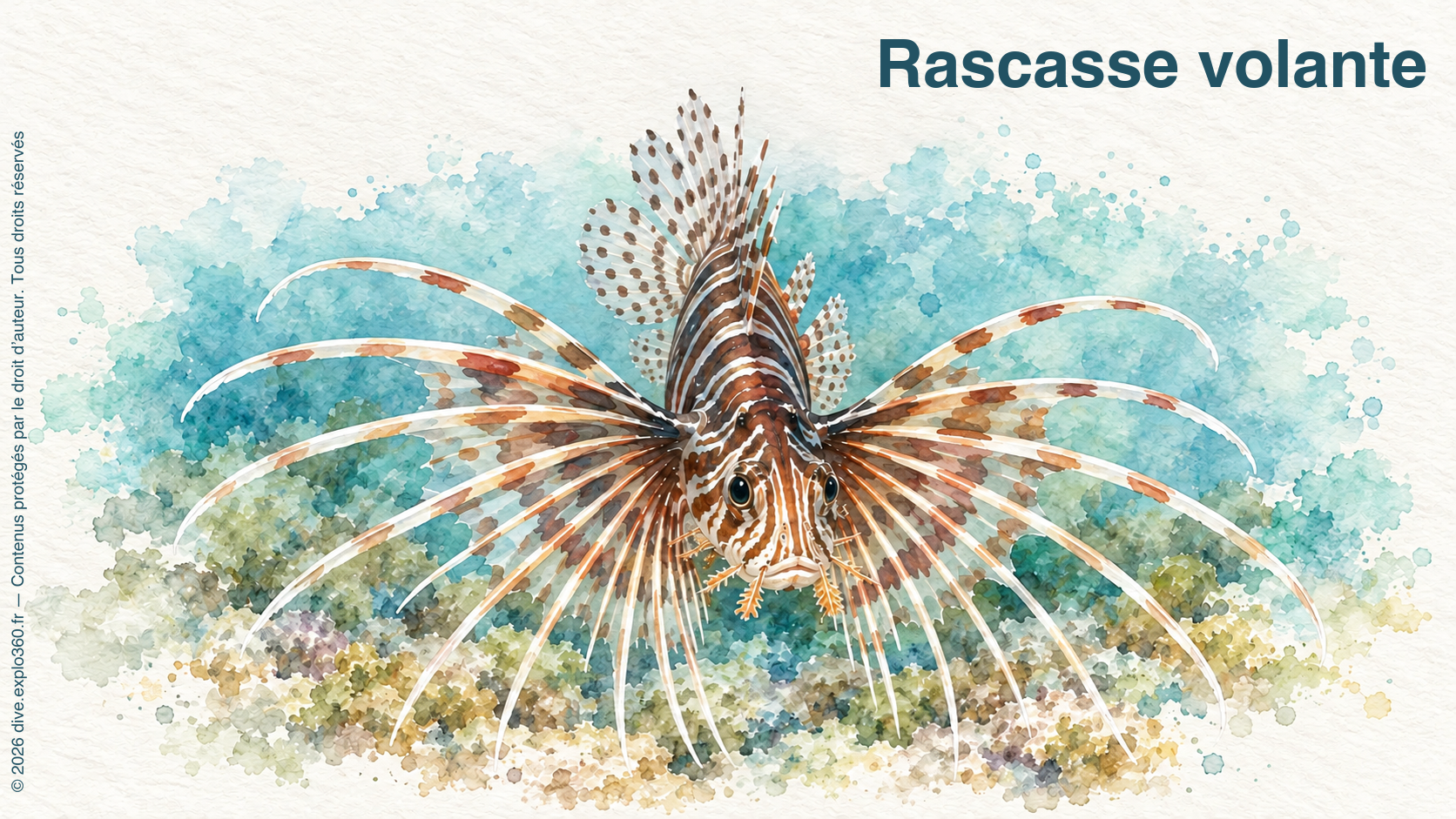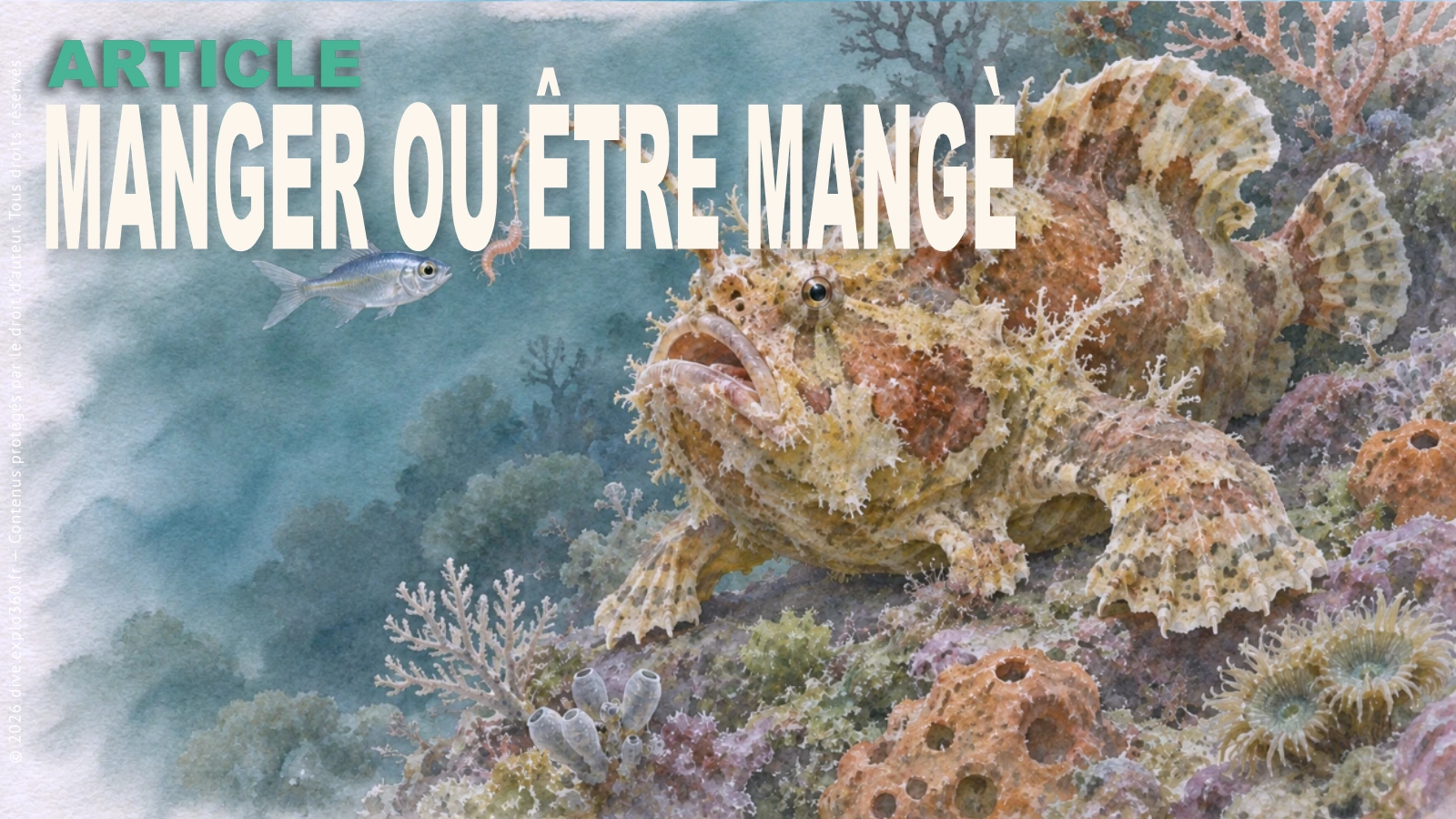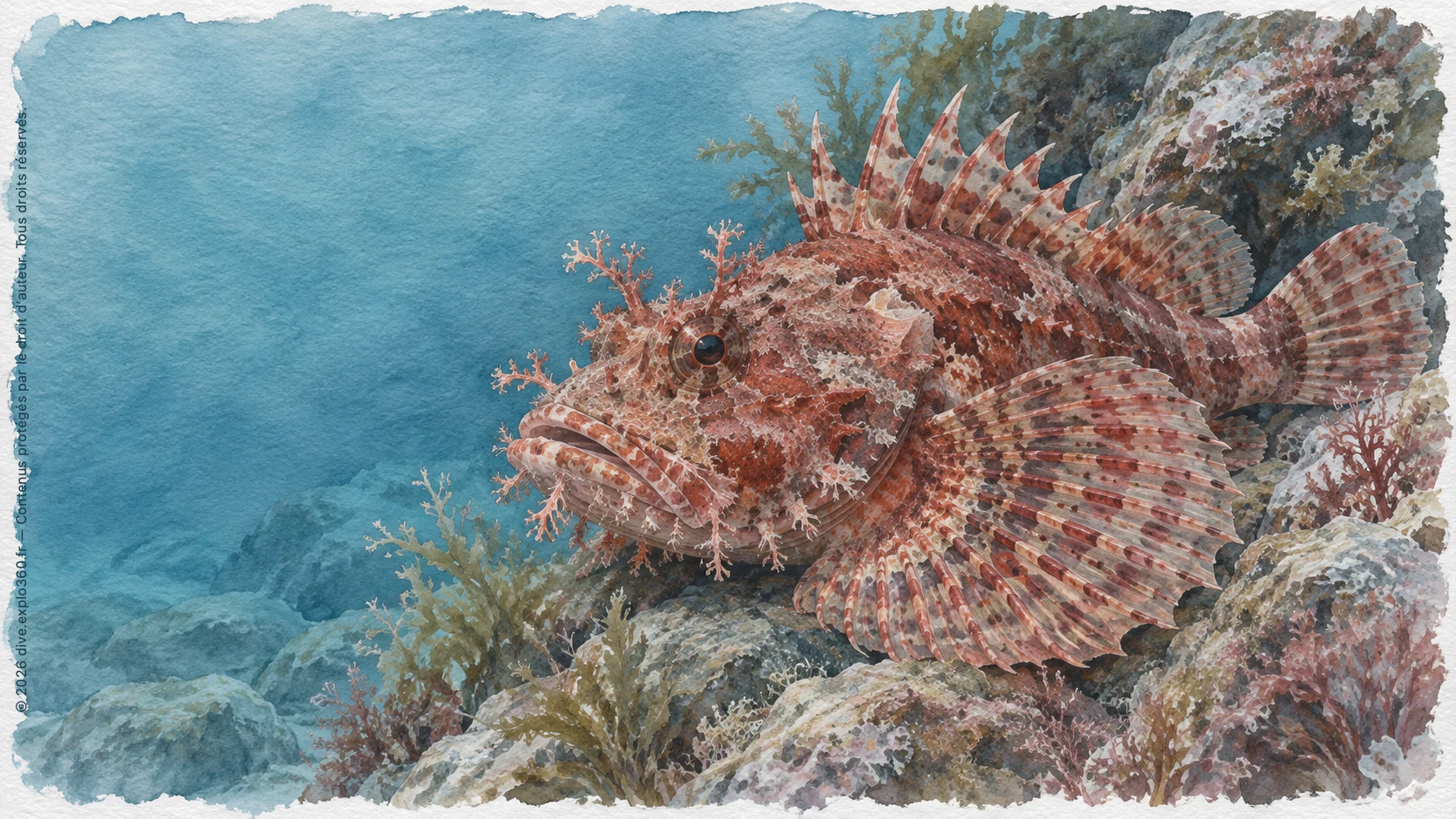
The scorpionfish in ambush
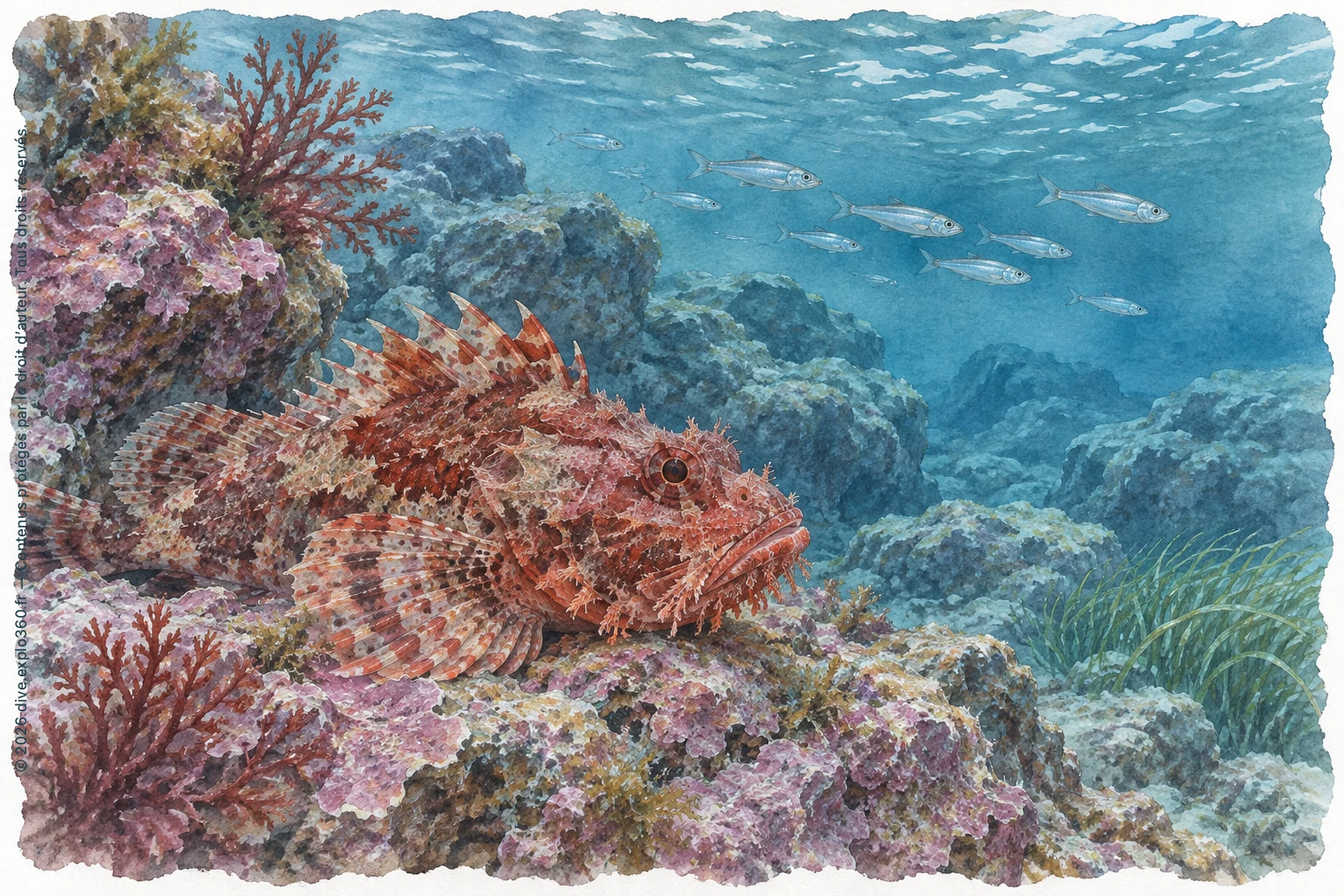
Camouflage lets a scorpionfish wait for prey without being seen. The spines associated with venom glands mainly serve in defence. If an attacker is pricked, venom can enter through the puncture.
Stinging or being swallowed
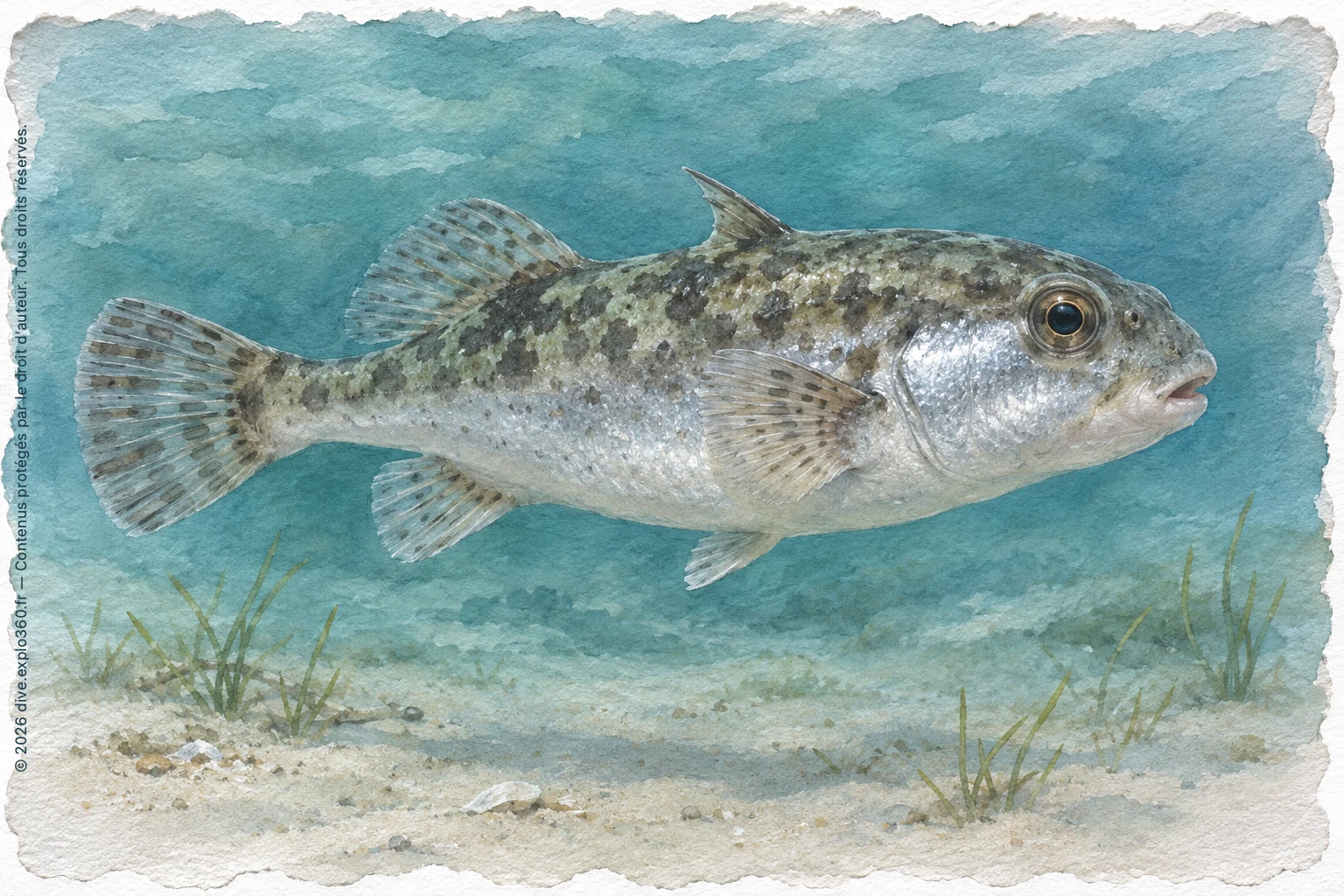
A scorpionfish spine delivers venom through a wound. In some pufferfish, tetrodotoxin can act after ingestion. It blocks certain sodium channels and disrupts signalling in nerves and muscles. Toxicity varies among species and among individuals.
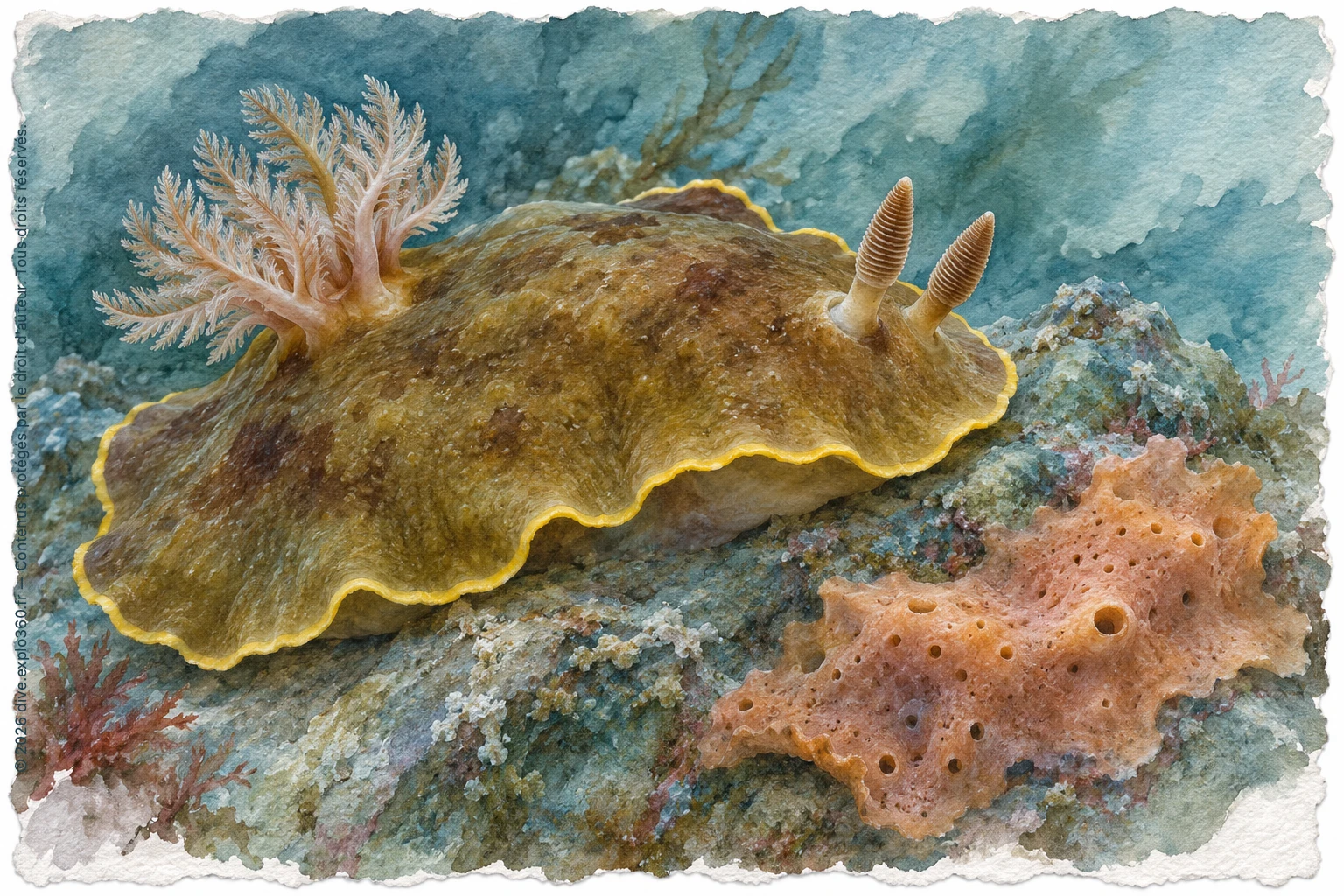
How nudibranchs defend themselves
Nudibranchs may obtain defensive molecules through food or make them themselves. Research on Dendrodoris limbata showed that this sea slug could produce a defensive compound itself. Contrasting colours sometimes act as warnings, depending on what the predator can perceive.