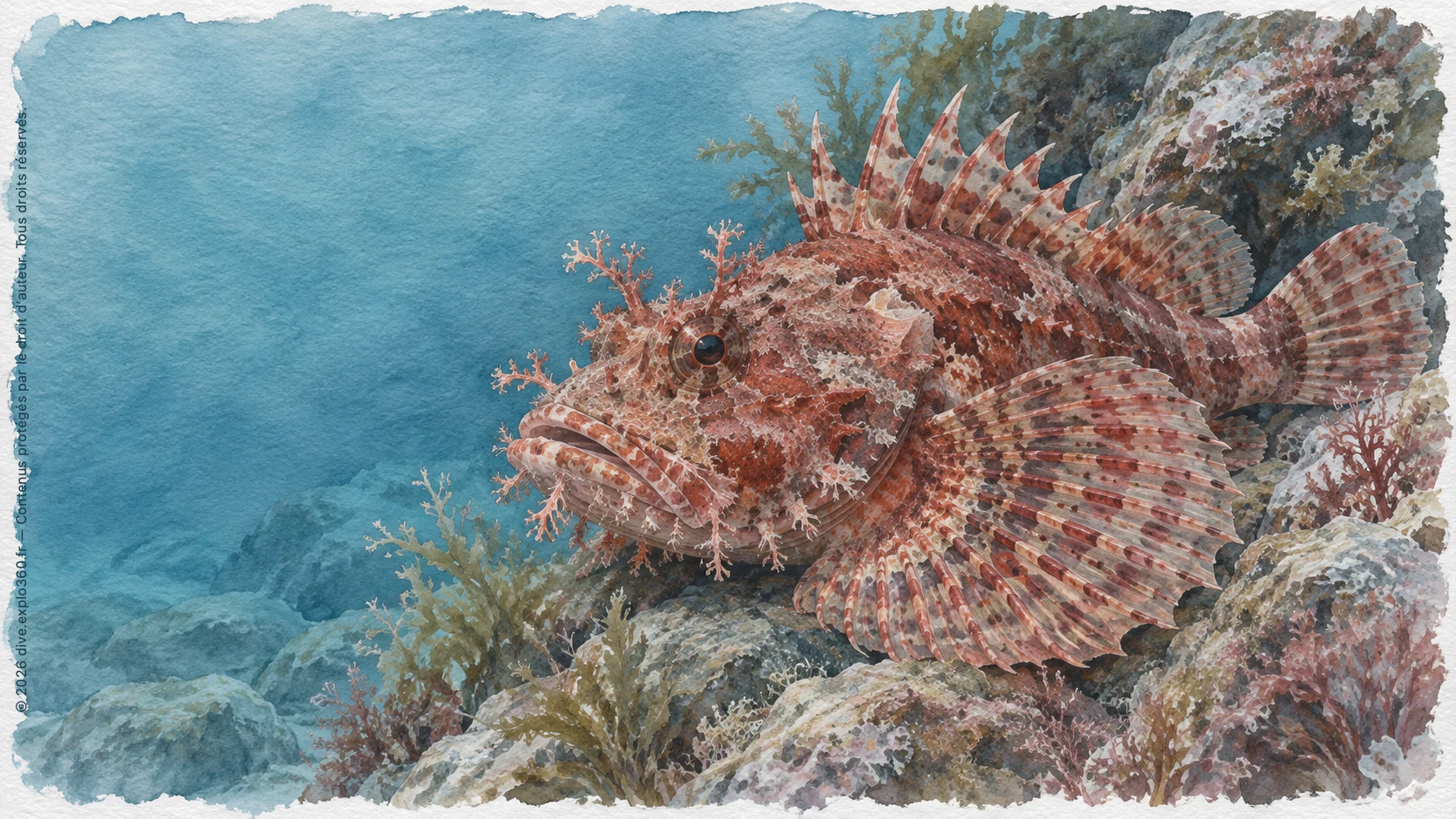
The scorpionfish in ambush

A fish with prickly spines

A scorpionfish waits for small fish to swim past. Its spines help protect it. If a bigger animal tries to swallow the scorpionfish, a spine can prick it and let venom into the wound.
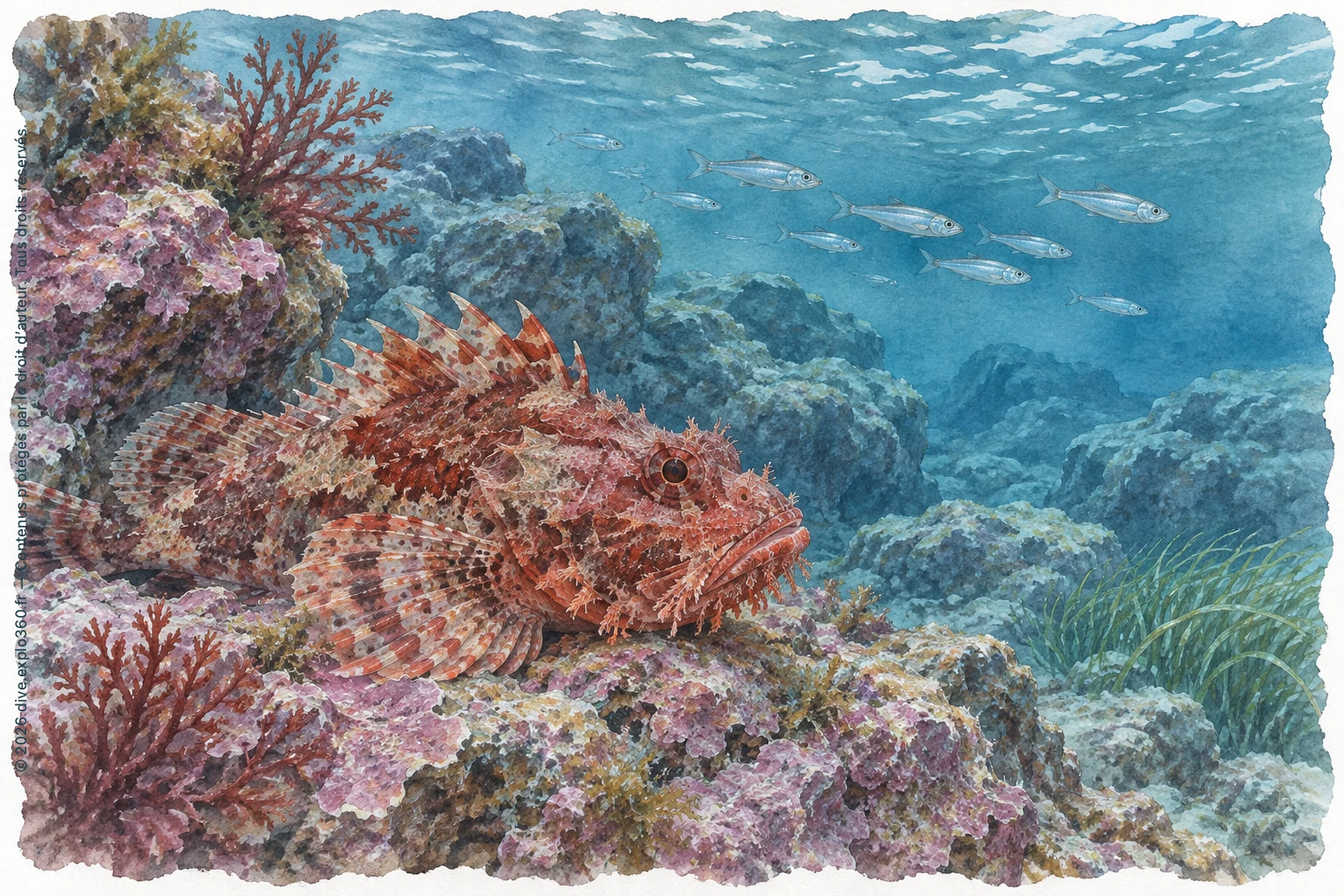
A scorpionfish lying in wait beneath small silver fish.
A motionless scorpionfish can ambush prey once it comes within reach. © dive.explo360.fr — All rights reserved. Reproduction requires permission.
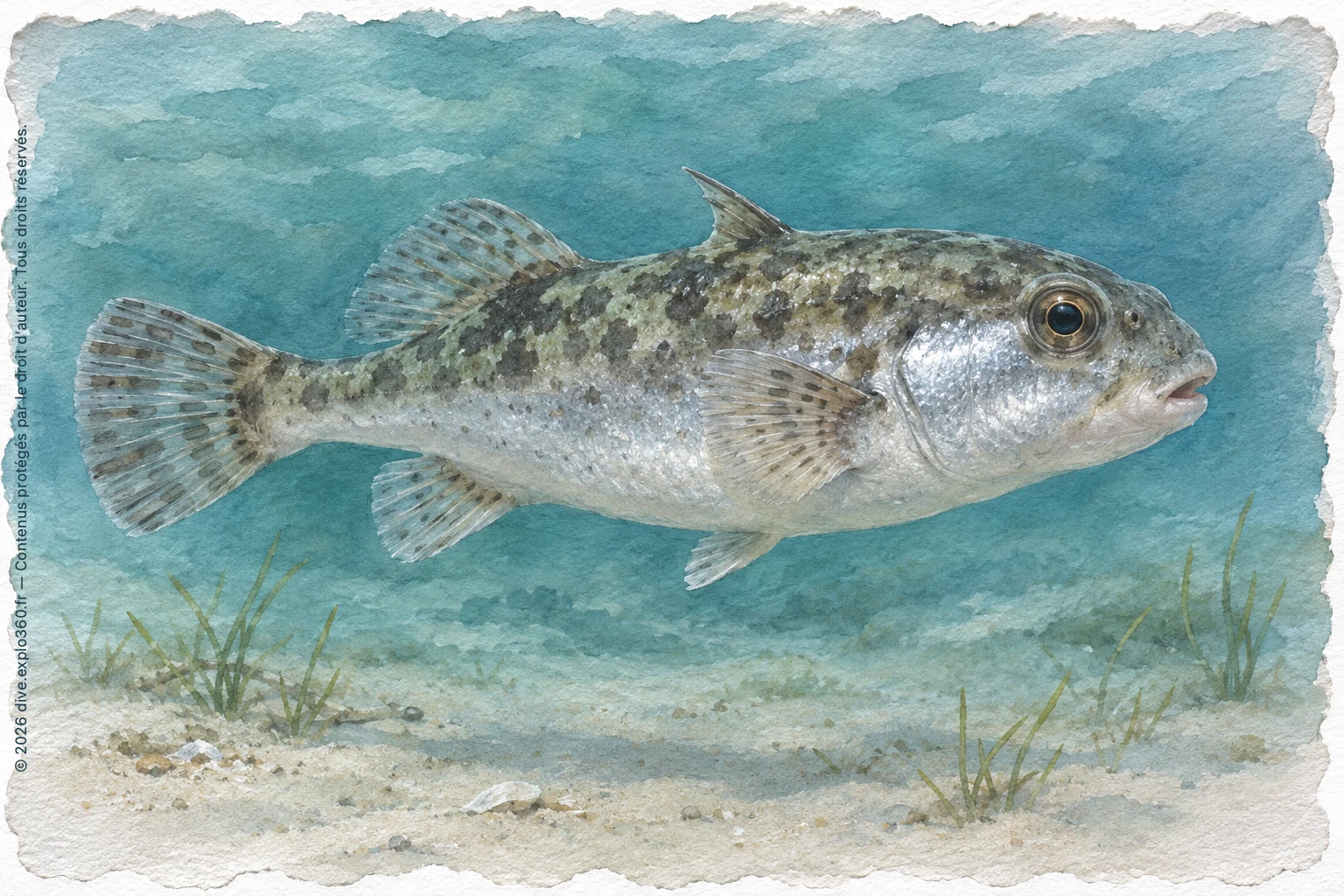
A silvery pufferfish above sand.
Some puffers contain poisonous substances that can reach a predator when swallowed. © dive.explo360.fr — All rights reserved. Reproduction requires permission.

Stinging or being swallowed

A scorpionfish can sting with a spine. Some pufferfish can make an animal sick if it eats them. Venom gets in through the prick. The pufferfish’s poison is swallowed.

Three ways an encounter can end

1

Defend

A scorpionfish spine can interrupt an attack.
2

Catch

An anemone brings prey towards its mouth.
3

Deter

Unpleasant prey may be spat out.

How nudibranchs defend themselves

A nudibranch is a sea slug. Some sea slugs keep chemicals from their food that help protect them. Others make their own. Bright colours may be easy to spot, but they tell you little on their own about how the slug stays safe.
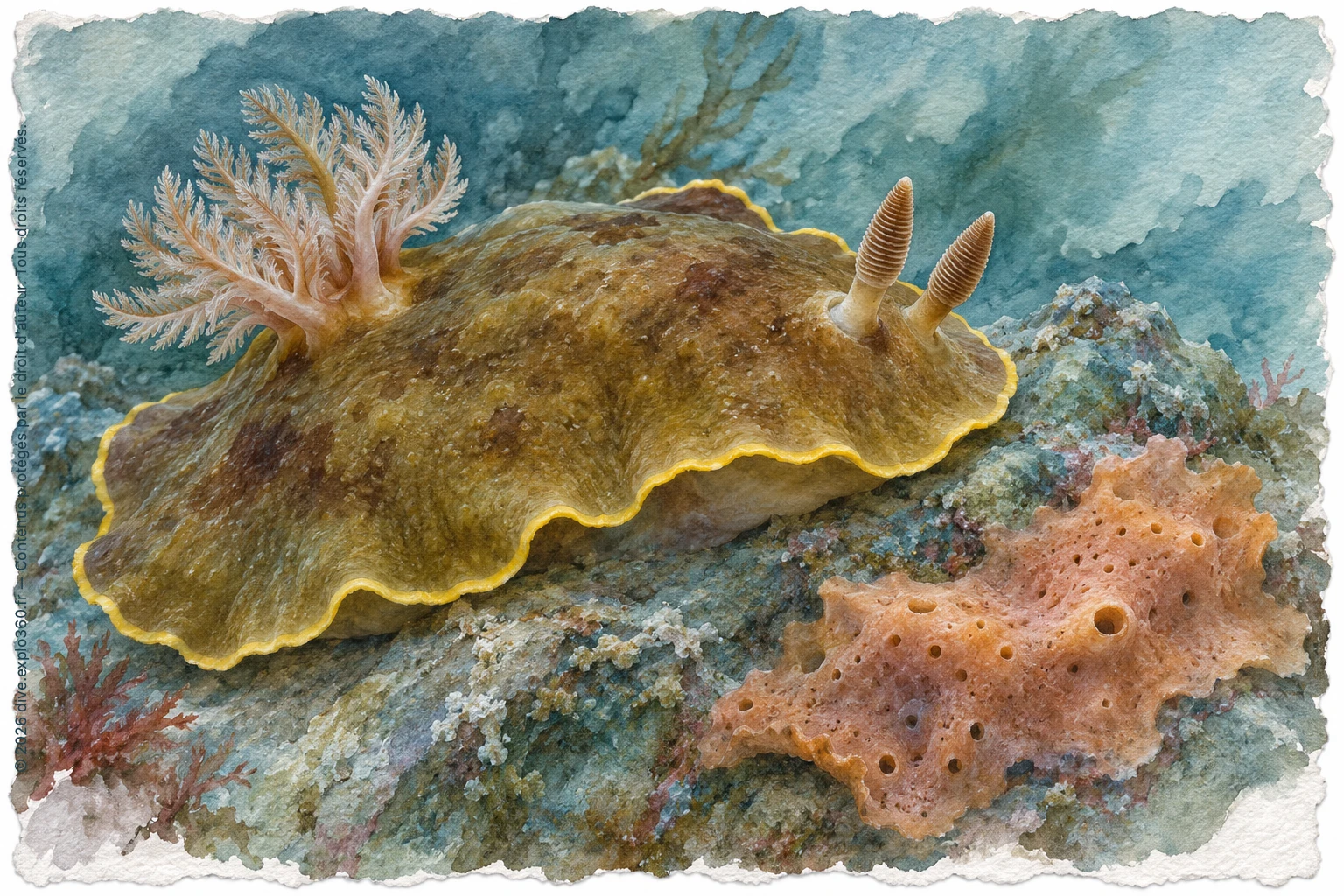
A dorid nudibranch near an encrusting sponge.
Nudibranchs differ in where they get their chemical defences. Dendrodoris limbata can make a defensive compound itself. © dive.explo360.fr — All rights reserved. Reproduction requires permission.

Continue reading

AMIGANSEAU CONTENT

The rest of this article is for subscribers

Log in with your AMIGANSEAU licence to continue reading.

Subscribing to Dive.Explo360 means supporting a different way to discover marine life.

Our independent platform is entirely self-funded and relies solely on subscriptions. Every licence helps us continue our work, create new content, and share what we know about the marine world with as many people as possible.

Starting at €80 per year, your support makes all the difference.

All active AMIGANSEAU licences give access to the full article.