Habitat
 Depth
 Group
 Role
WHAT DOES IT LOOK LIKE?
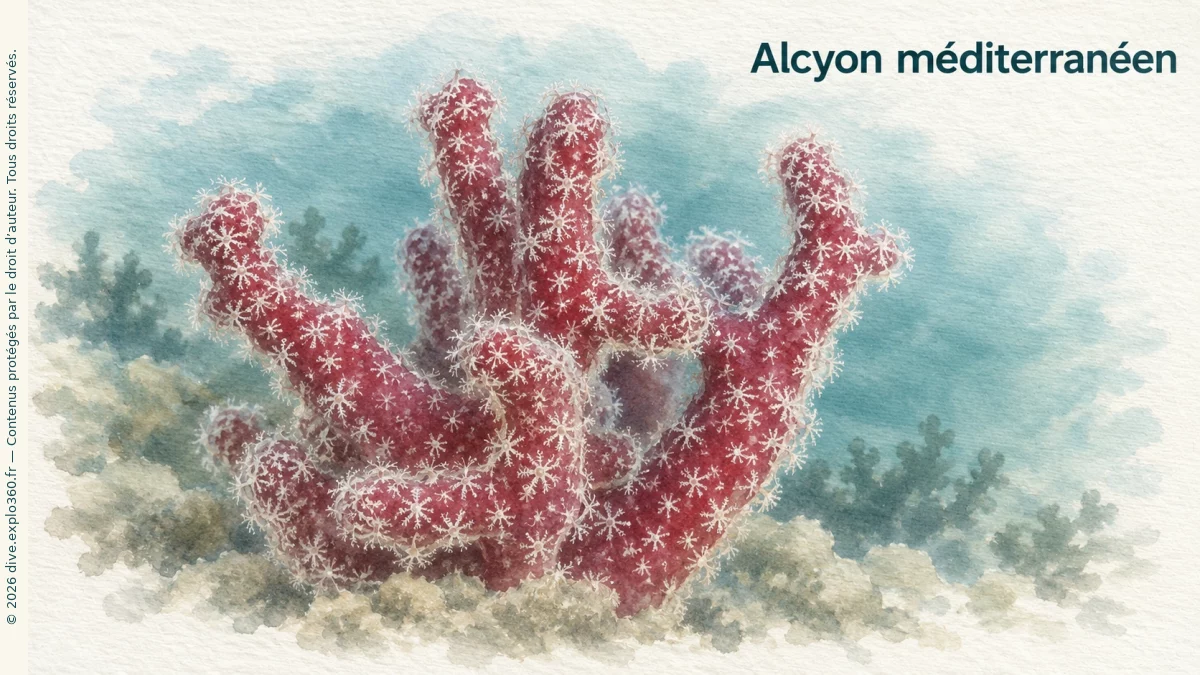
The colony, often reddish-brown to wine-red, develops thick finger-like lobes and can reach fifteen to twenty centimetres. Other colours range from pink to yellowish. This soft coral lacks the rigid branched axis of a sea fan.
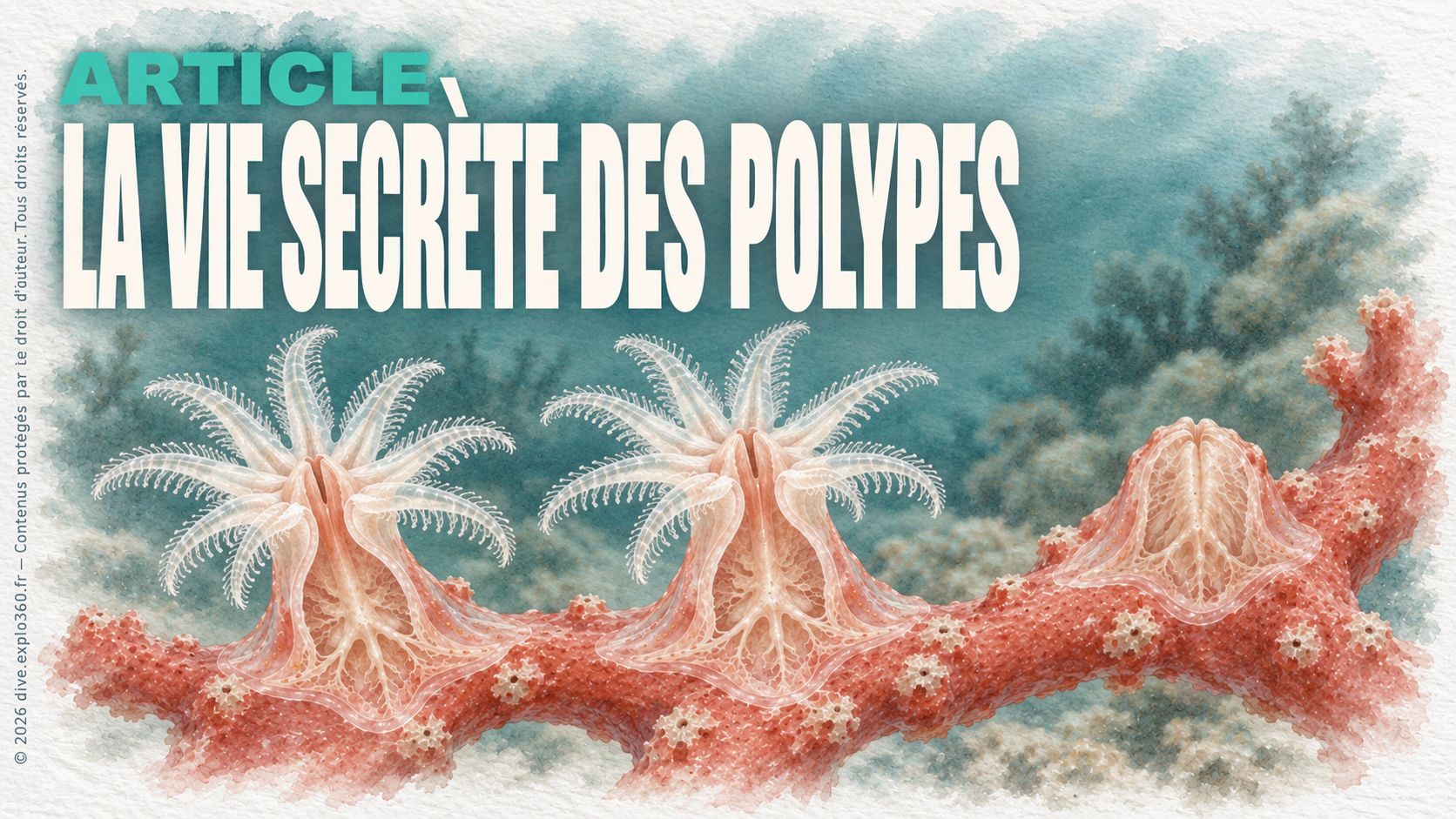
Polyps, the connected small animals forming the colony, occur on the lobes and down to the base. Each bears eight tentacles branched like little feathers. Expanded, they transform the outline; retracted, they leave a more compact surface.
WHERE DOES IT LIVE?
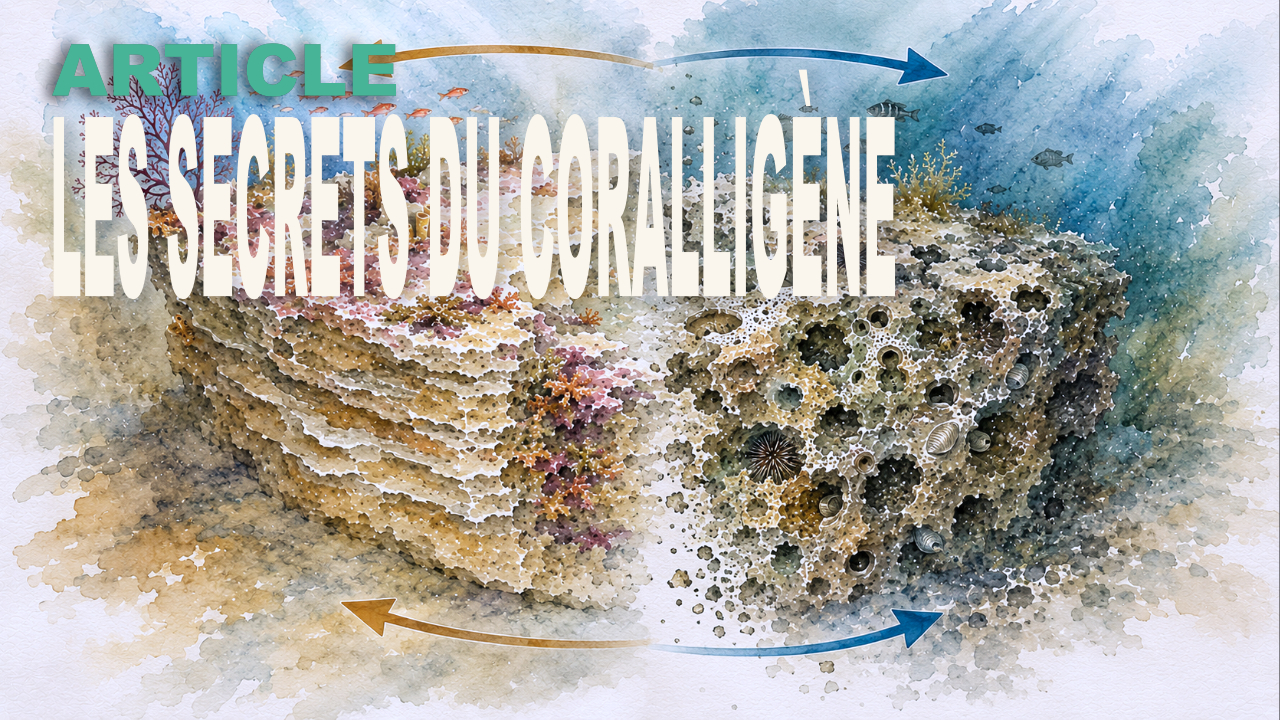
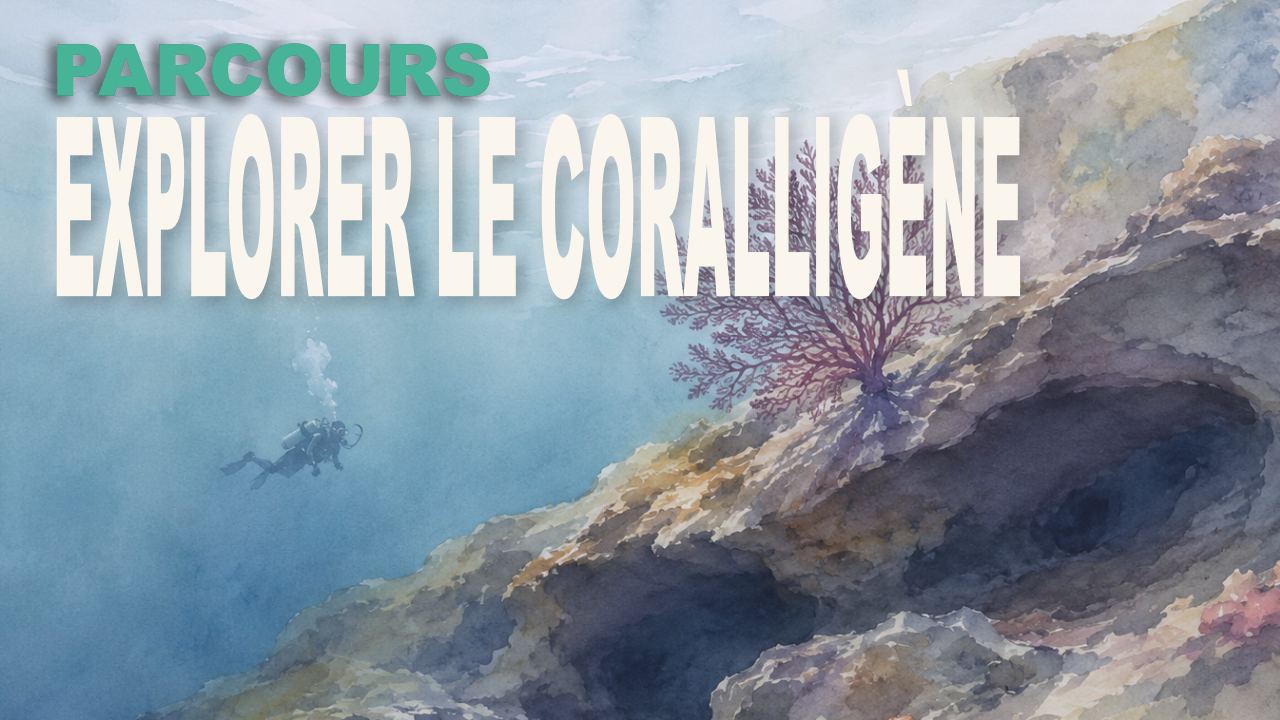
It lives on Mediterranean rocks and coralligenous habitats, often in the shade of walls and overhangs with moderate to strong water movement. Records extend from around ten metres to over one hundred metres.
French coasts provide these habitats, including in Provence. Surrounding red organisms can make a closed colony inconspicuous. It should therefore not be sought only in a “flowering fingers” appearance.
WHAT DOES IT EAT?
Polyps catch small prey suspended in water. Their stinging cells help take food. The colony therefore relies on resources delivered within reach rather than moving to pursue prey.
Water flow and polyp activity are complementary. Particles passing a closed colony do not establish that they are being consumed.
GO FURTHER WITH AMIGANSEAU
Unlock the full profile
Deepen your knowledge with the exclusive chapters and interactive resources included in an AMIGANSEAU licence.
- HOW DOES IT REPRODUCE?
- OUR OBSERVATIONS
- ARTICLE
Also included in the full profile
- Advanced navigation between description, ecological context, observations and behaviour
- Interactive food chain to explore the species’ feeding relationships