Habitat
 Depth
 Group
 Role
 Size
WHAT DOES IT LOOK LIKE?
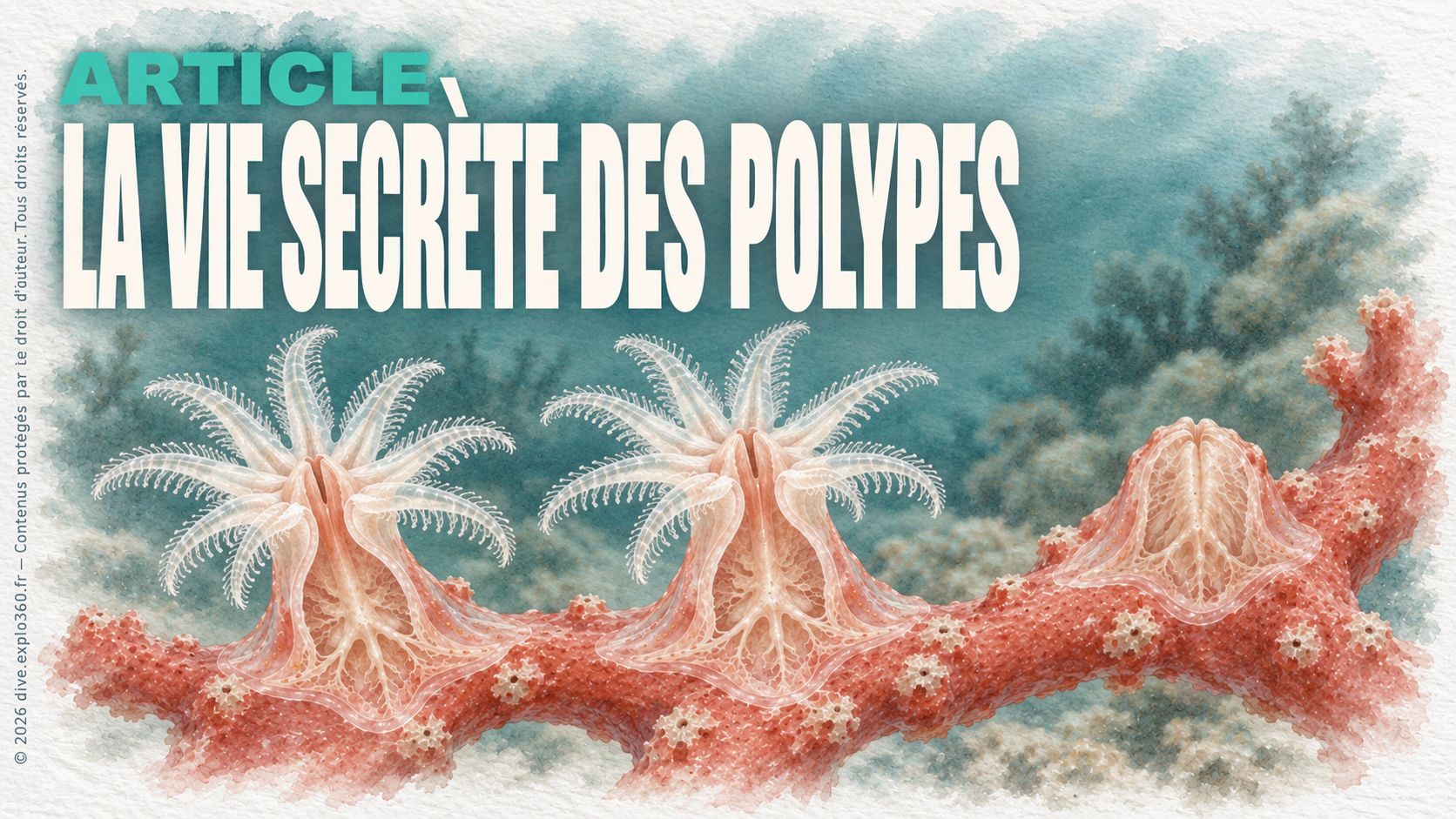
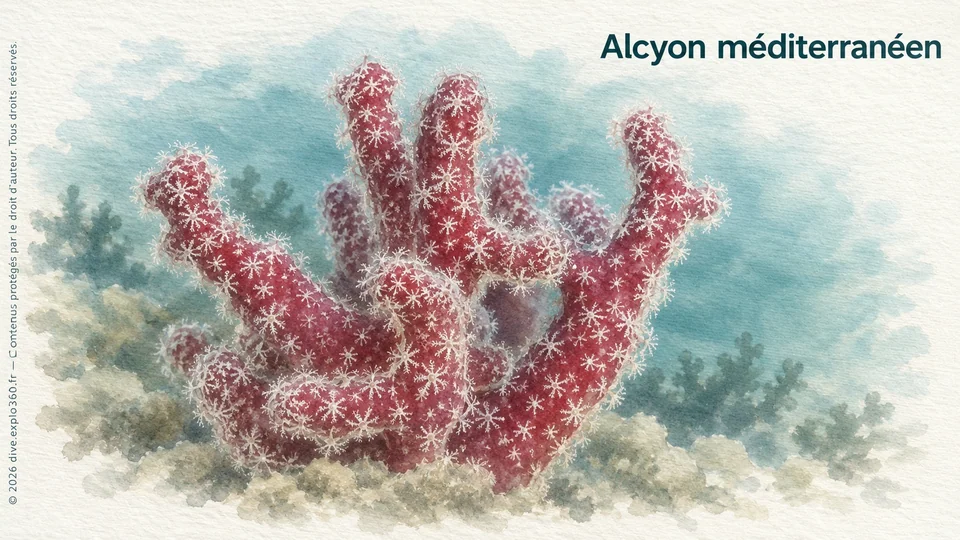
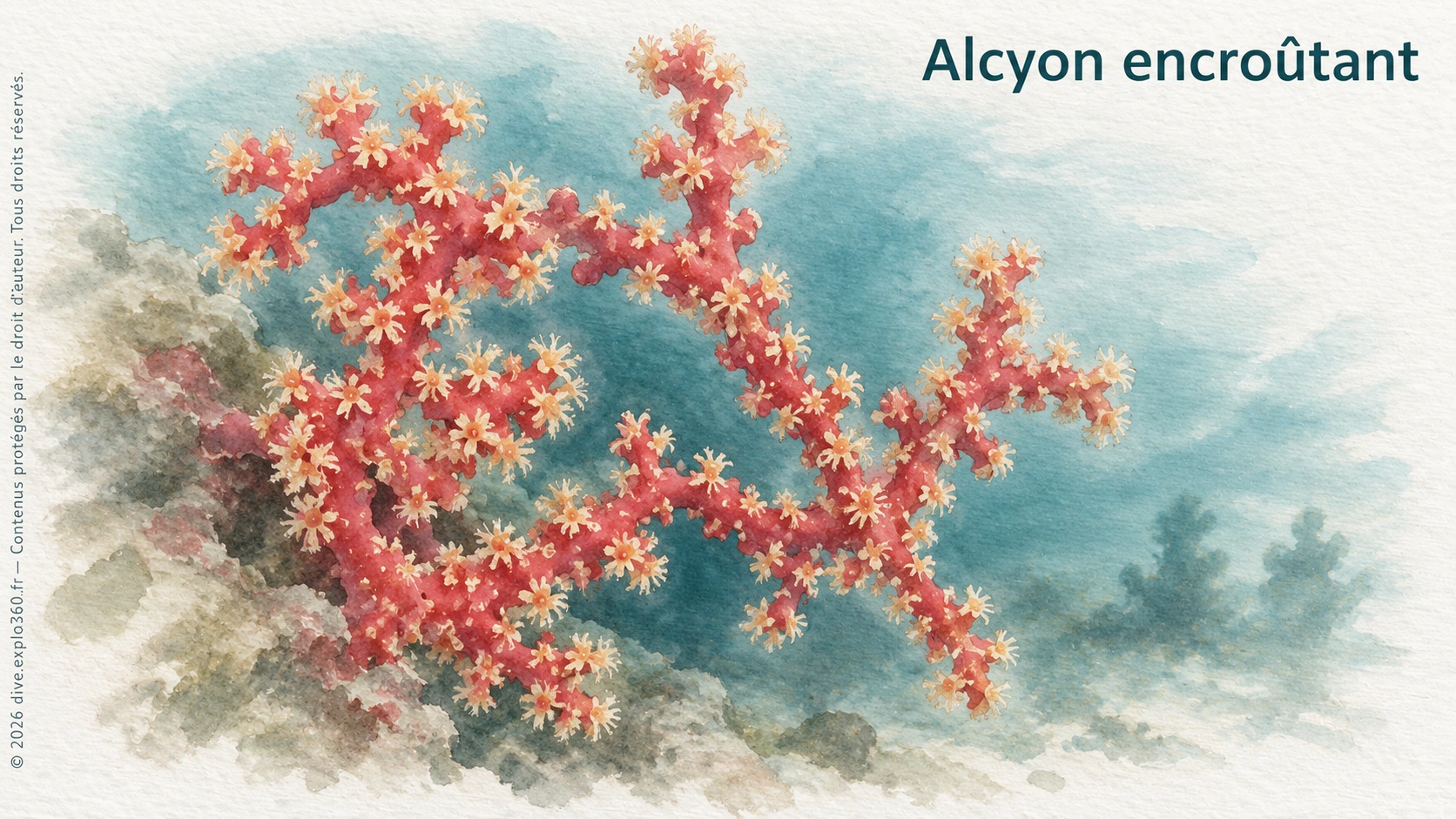
Polyps extending down to the base help distinguish the Mediterranean soft coral (Alcyonium acaule). These connected little animals form a thick-fingered colony, often reddish brown or wine-red, sometimes pink or yellowish. Their eight feather-like tentacles withdraw into the tissues, turning an open bushy surface into a more compact one.
WHERE DOES IT LIVE?
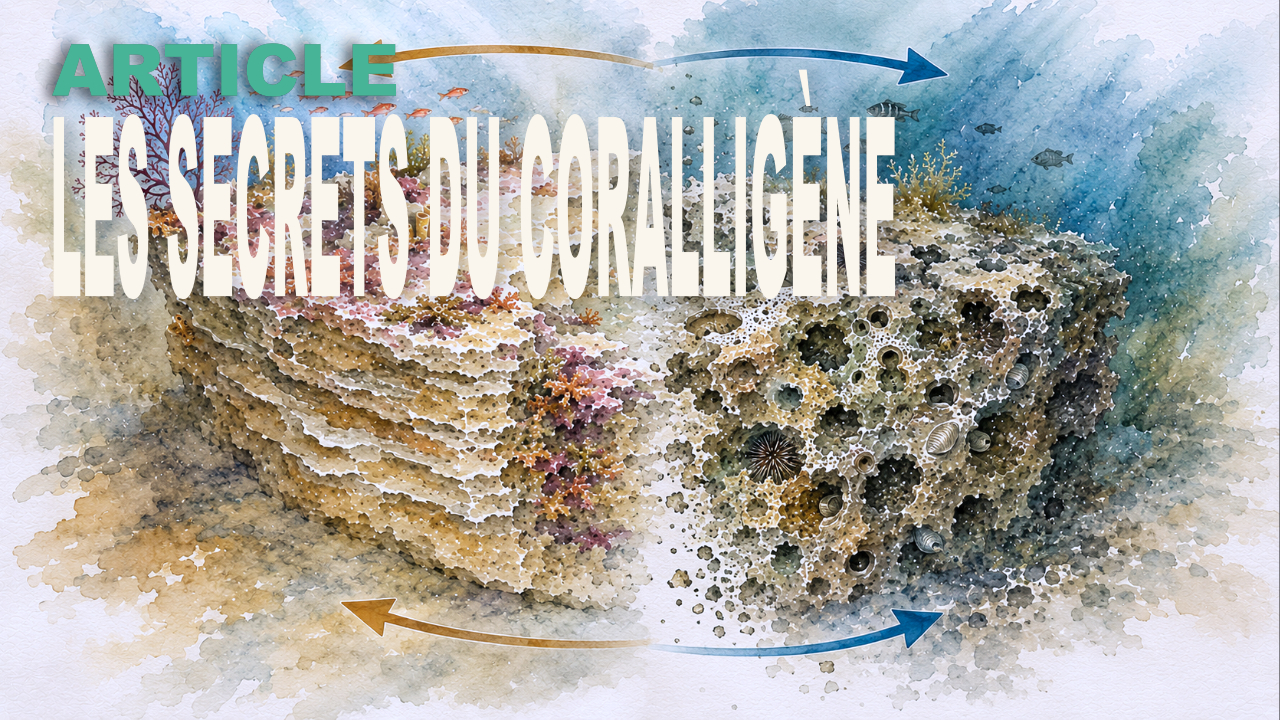
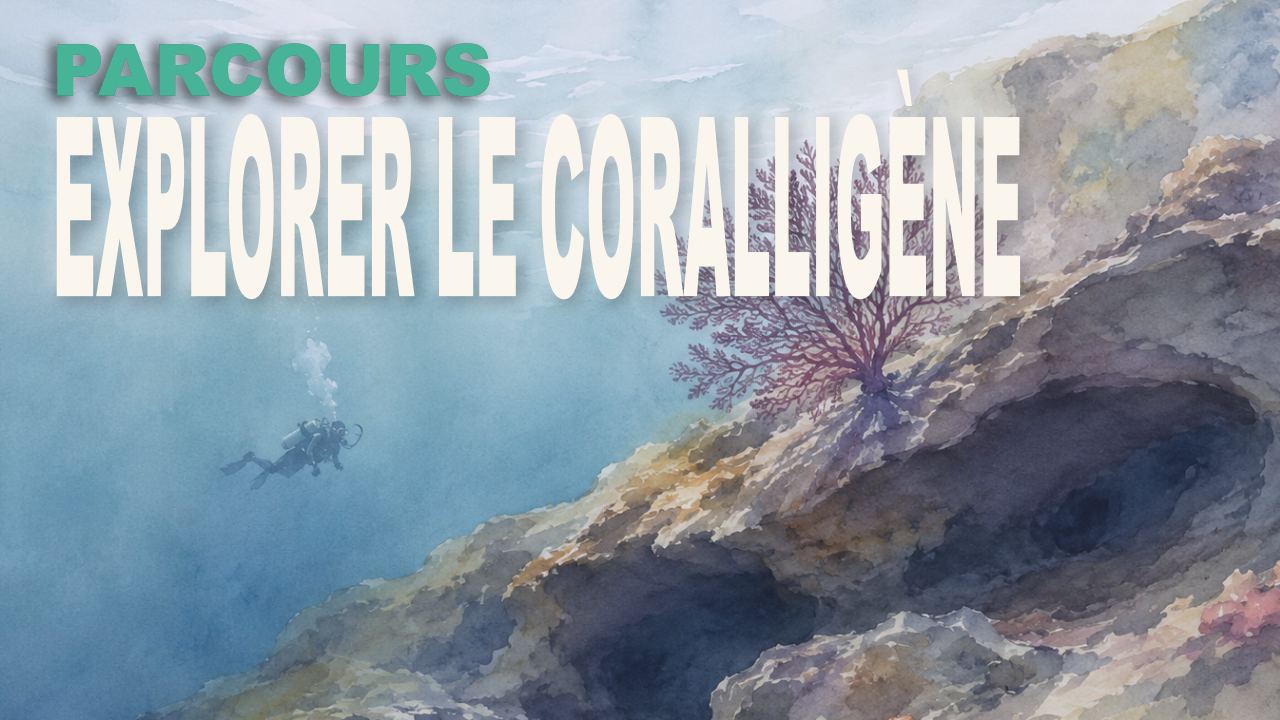
It lives on Mediterranean rocks and coralligenous habitats, often in the shade of walls and overhangs with moderate to strong water movement. Records extend from around ten metres to over one hundred metres.
French coasts provide these habitats, including in Provence. Surrounding red organisms can make a closed colony inconspicuous. It should therefore not be sought only in a “flowering fingers” appearance.
WHAT DOES IT EAT?
Expanded polyps of the Mediterranean soft coral catch waterborne resources. Tentacles meet small prey and organic particles, bringing them towards individual mouths. Currents supply the attached colony. Capture is not uniform all year: warm-season dormancy may keep polyps closed. A smooth-looking colony may therefore have stopped feeding. It can catch food again when the polyps spread their tentacles.
GO FURTHER WITH AMIGANSEAU
Unlock the full profile
Deepen your knowledge with the exclusive chapters and interactive resources included in an AMIGANSEAU licence.
Subscribing to Dive.Explo360 means supporting a different way to discover marine life.
Our independent platform is entirely self-funded and relies solely on subscriptions. Every licence helps us continue our work, create new content, and share what we know about the marine world with as many people as possible.
Starting at €80 per year, your support makes all the difference.
 Understand the species