Partners and information

Contact us

Verification code

Burrowing Anemone

Distribution : Mediterranean · Atlantic Ocean

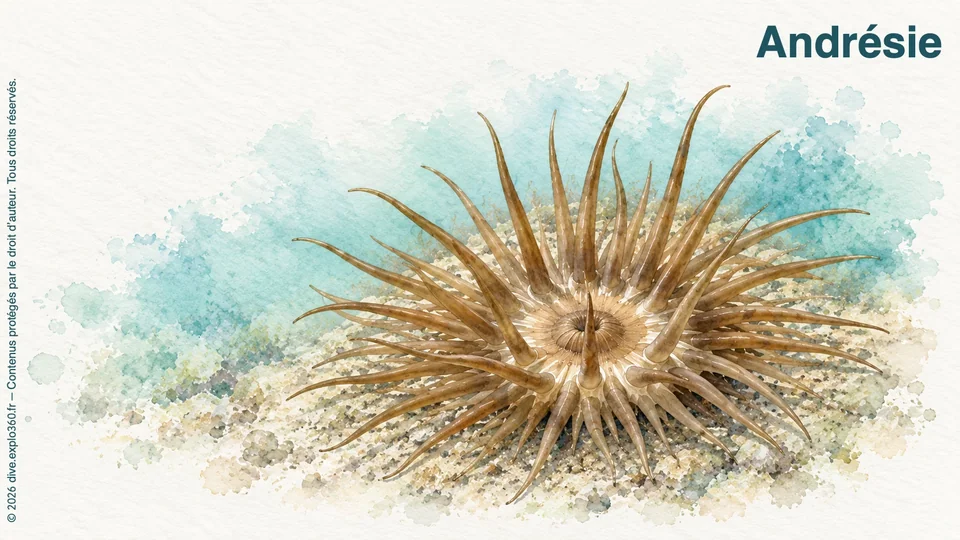
A mermaid-like creature hides in the burrowing anemone's name! Her name was Parthenope, and an ancient Greek legend links her to the founding of Naples. But this anemone has no fish tail or flowing hair. It is an anemone whose tentacles stick out above the sand.

Photos being acquired · Your photos here

Habitat of Burrowing Anemone Habitat
Detrital bottom, Gravel, Sand
Depth range of Burrowing Anemone Depth
6-60 m
Biological group of Burrowing Anemone Group
Ecological role of Burrowing Anemone Role
Predator

Average size

25 cm

WHAT DOES IT LOOK LIKE?

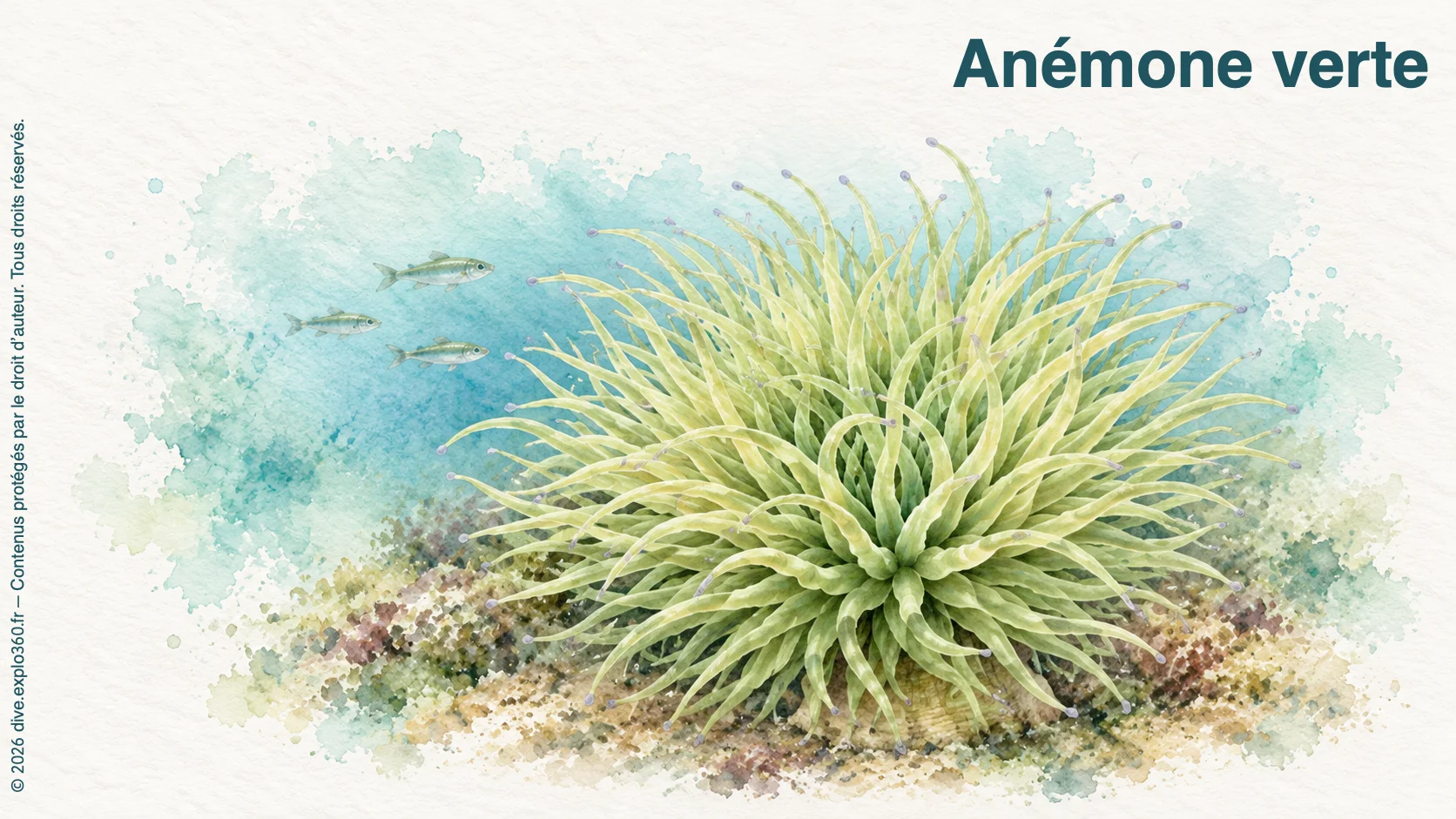
A broad ring of tentacles surrounds the burrowing anemone’s mouth. Tentacles are the flexible, arm-like parts. Those around the edge often spread out, while those near the centre stand up.

Usually only the top of this large anemone is visible. It may be pale or brown, so it does not always have the same appearance.

GO FURTHER WITH AMIGANSEAU

Unlock the full profile

Deepen your knowledge with the exclusive chapters and interactive resources included in an AMIGANSEAU licence.

Choose my licence
  • WHERE DOES IT LIVE?
  • WHAT DOES IT EAT?

Also included in the full profile

  • Advanced navigation between description, ecological context, observations and behaviour
  • Interactive food chain to explore the species’ feeding relationships
  • Natural history podcast and dive debrief
  • Infographic and illustrated summary profile
An active licence gives access to enriched profiles and AMIGANSEAU exploration tools.
Burrowing Anemone

Understand the species

What is this species’ ecological role?

AMIGANSEAU Explorer Premium

Access enriched species profiles with advanced content (audio, infographics and detailed articles).

Explore all species easily through a single interface.

Enjoy a smooth, fast learning experience suited to every level.

🔒 The full profile is available with a paid subscription only.

Discover licences

POURSUIVRE L’EXPLORATION

Articles related to this species

ArticleTHE SECRETS OF SANDRead the article →