 Habitat
 Depth
 Group
 Role
 Size
 Good to know
WHAT DOES IT LOOK LIKE?
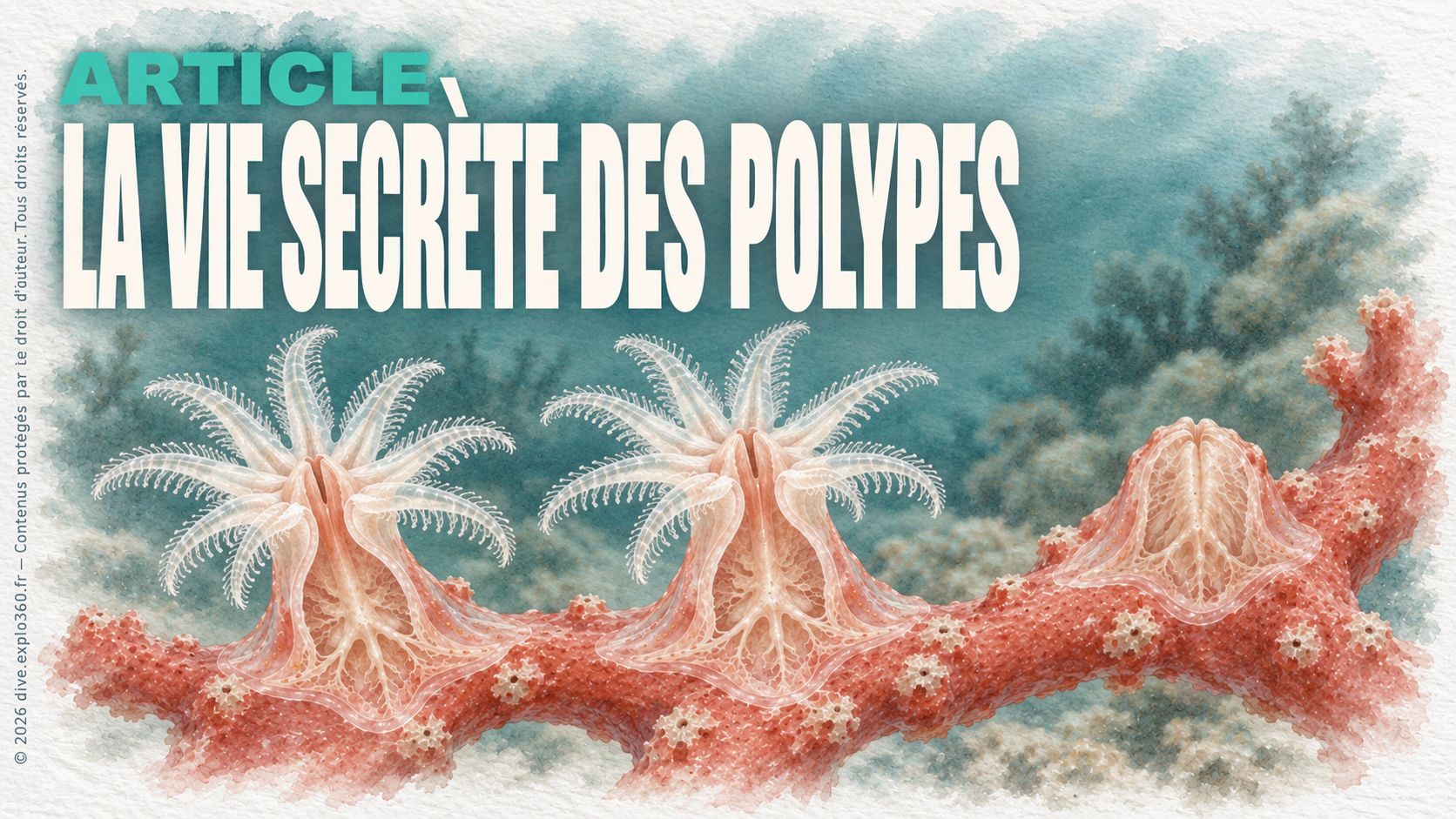
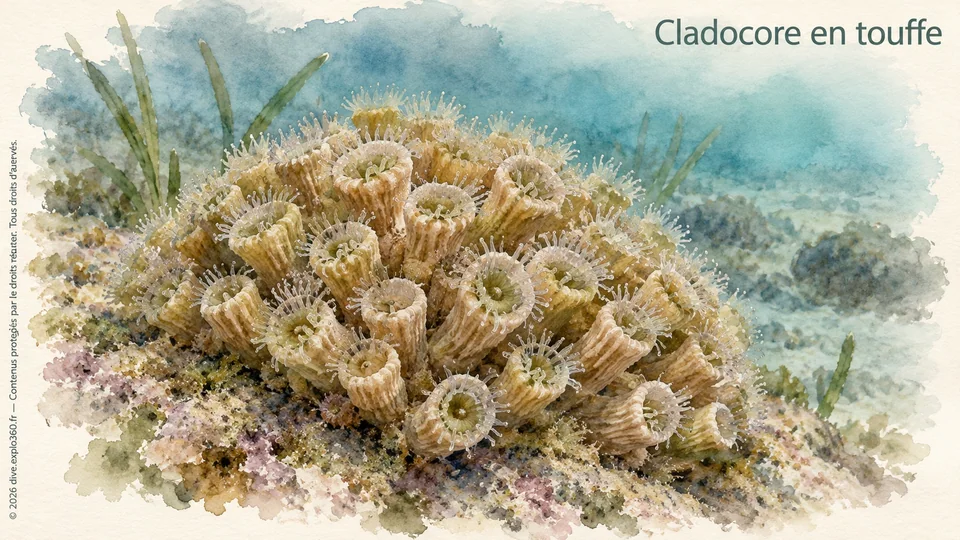
This stony coral (Cladocora caespitosa) forms a tuft or cushion, usually beige to brown and sometimes slightly greenish. Each small tube is a corallite, the hard limestone cup of a soft-bodied animal called a polyp. You can see the polyps at the tops of the tubes when they extend their tentacles.
WHERE DOES IT LIVE?
It grows in the Mediterranean on rock and other hard surfaces, sometimes among seagrass. It needs enough light to reach the colony. Water clarity and the orientation of the surface therefore matter alongside depth when a colony becomes established.
WHAT DOES IT EAT?
Each polyp of the pillow coral takes plankton from the water. Within its tissues, symbiotic algae provide a second nutritional supply: they capture light energy, produce organic compounds through photosynthesis and pass some of these products to the animal. The colony’s nutrition thus follows two complementary routes, capture of small external foods and supplies from microscopic partners.
GO FURTHER WITH AMIGANSEAU
Unlock the full profile
Deepen your knowledge with the exclusive chapters and interactive resources included in an AMIGANSEAU licence.
Subscribing to Dive.Explo360 means supporting a different way to discover marine life.
Our independent platform is entirely self-funded and relies solely on subscriptions. Every licence helps us continue our work, create new content, and share what we know about the marine world with as many people as possible.
Starting at €80 per year, your support makes all the difference.
 Understand the species