Habitat
 Depth
 Group
 Role
 Average size
 Good to know
WHAT DOES IT LOOK LIKE?
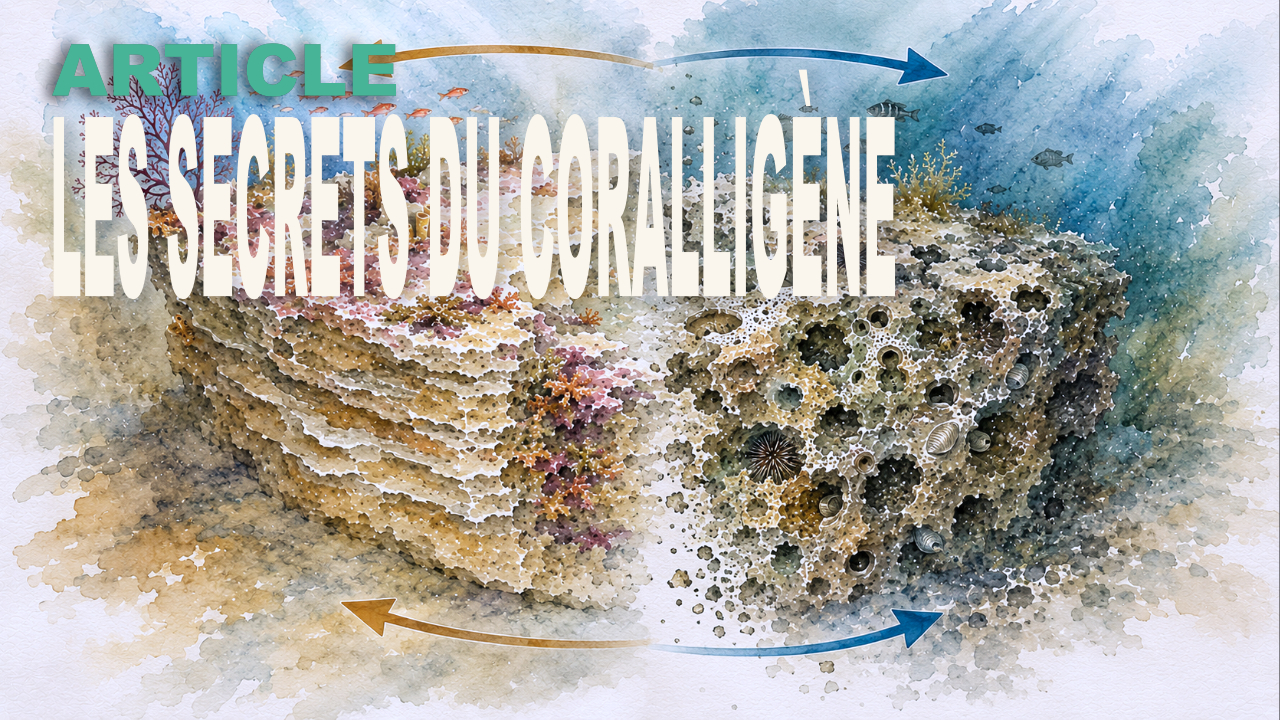
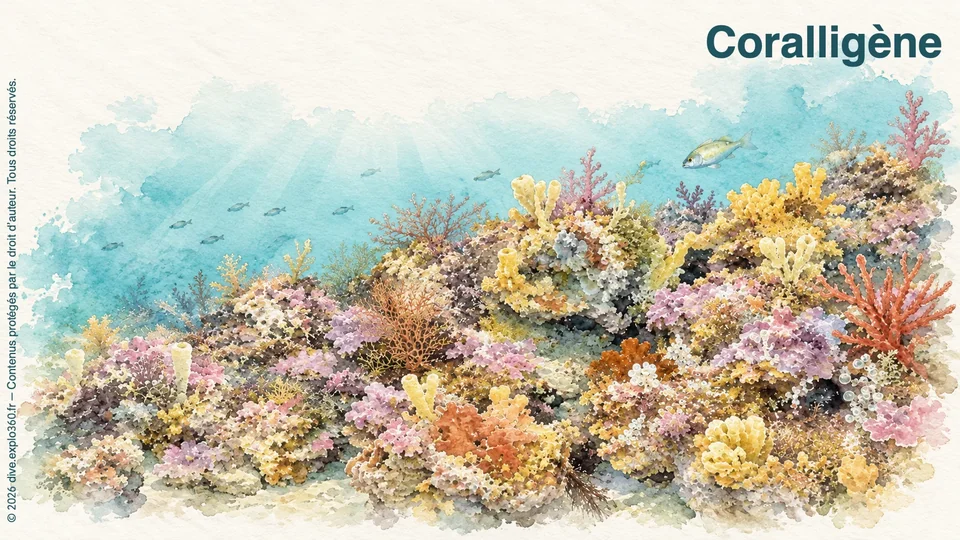
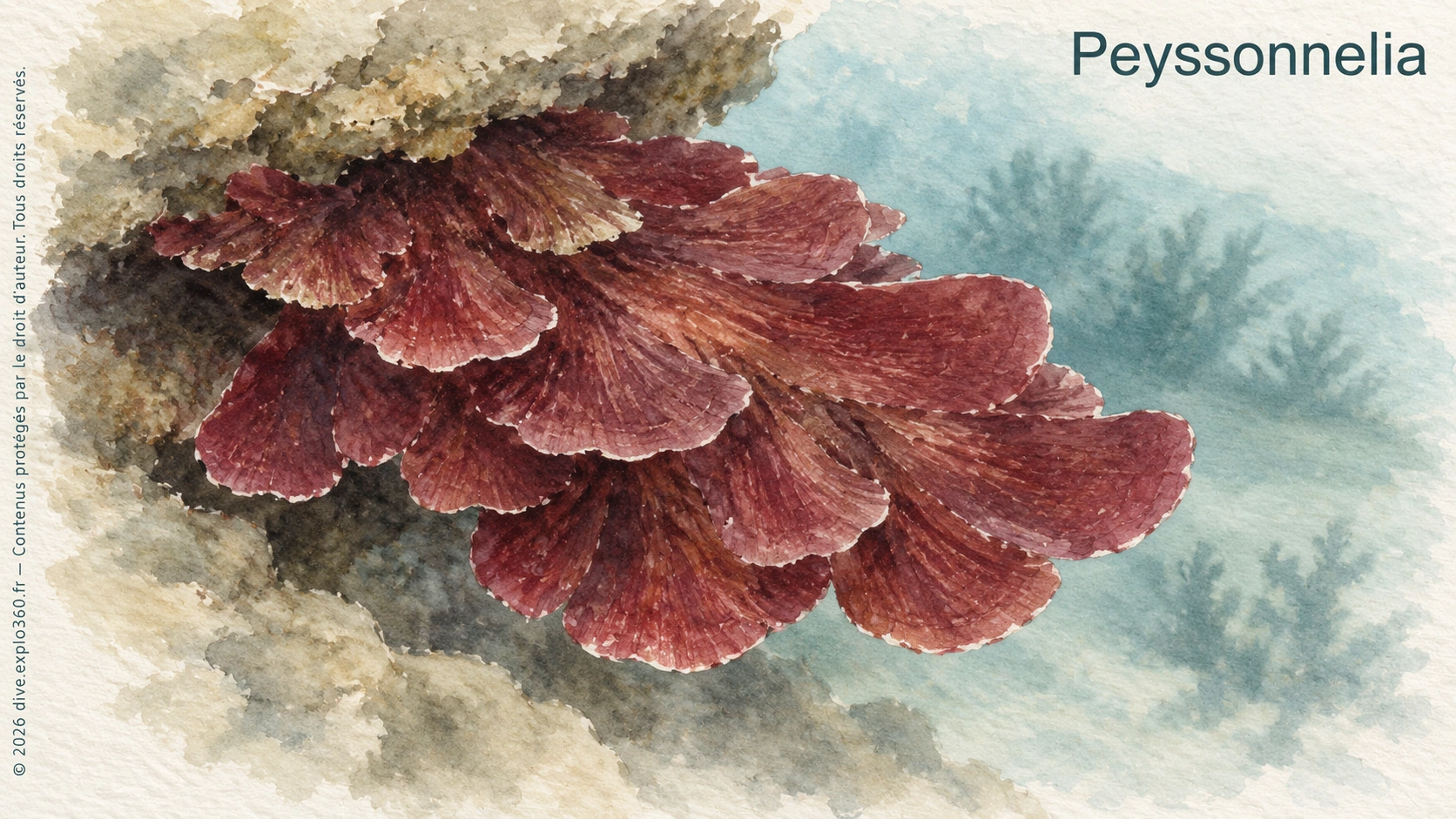
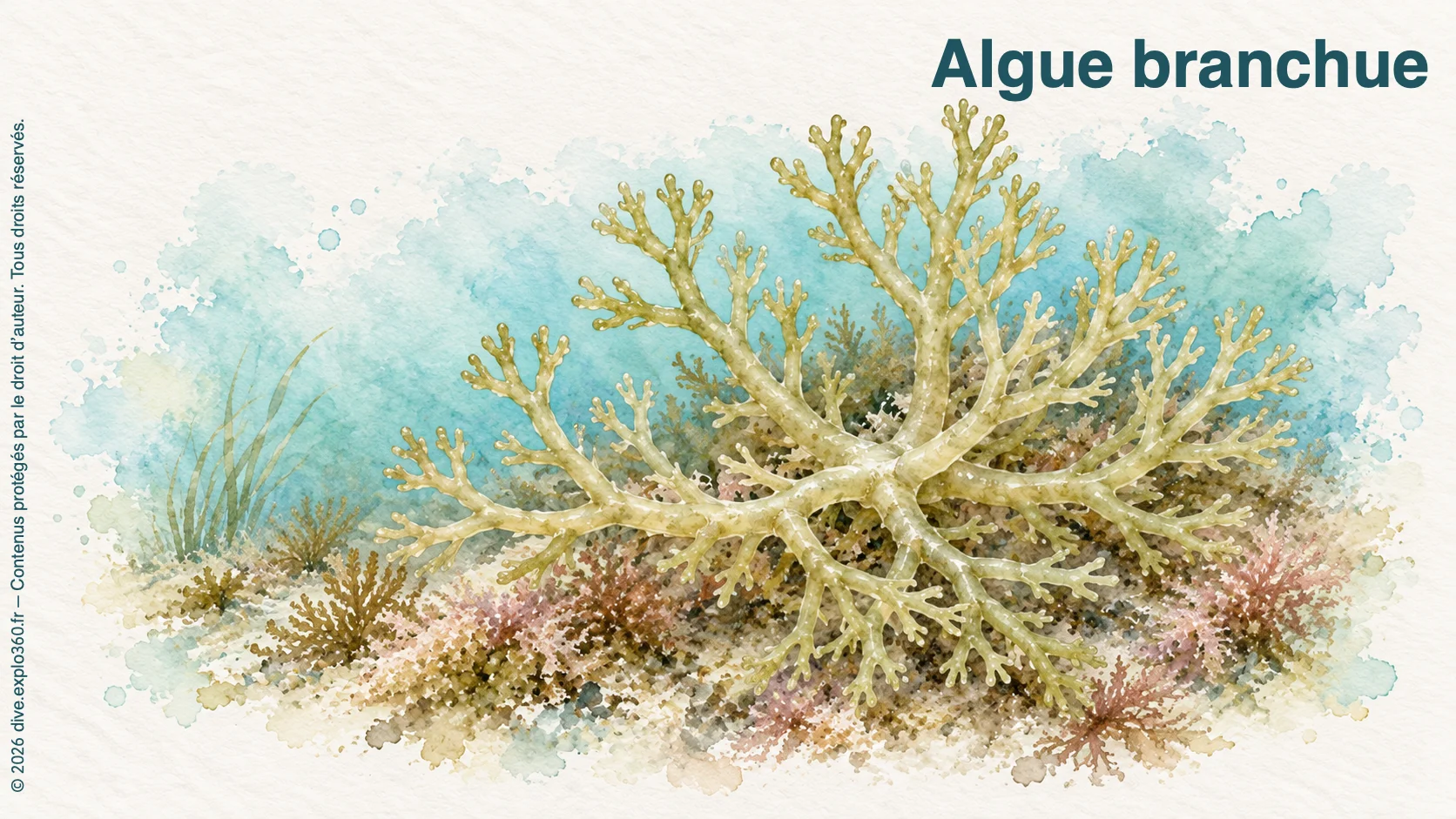
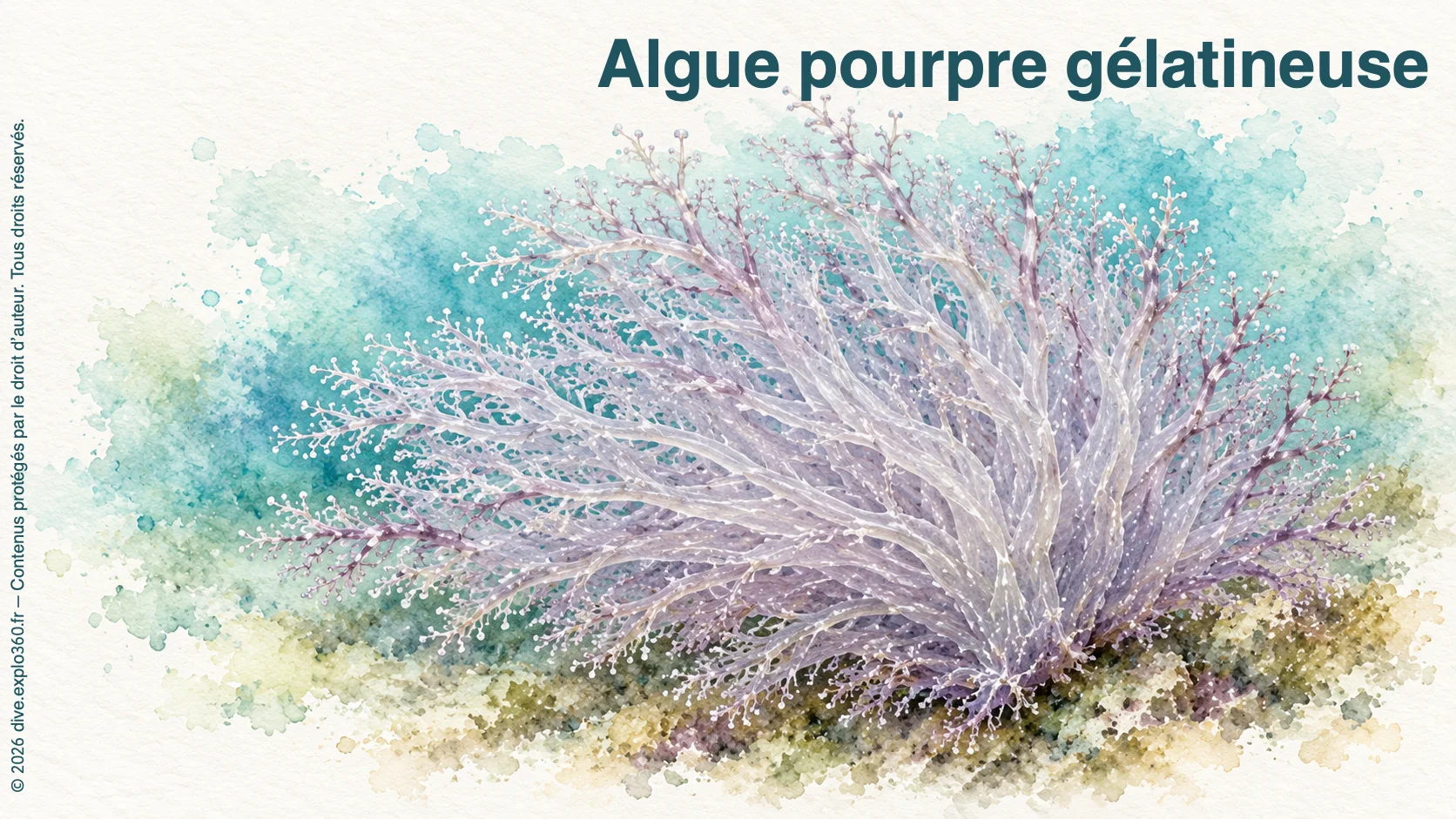
Coralligenous habitat has a hard, uneven surface that looks like rock. Algae, sponges and other animals form a mosaic across it, often growing over one another.
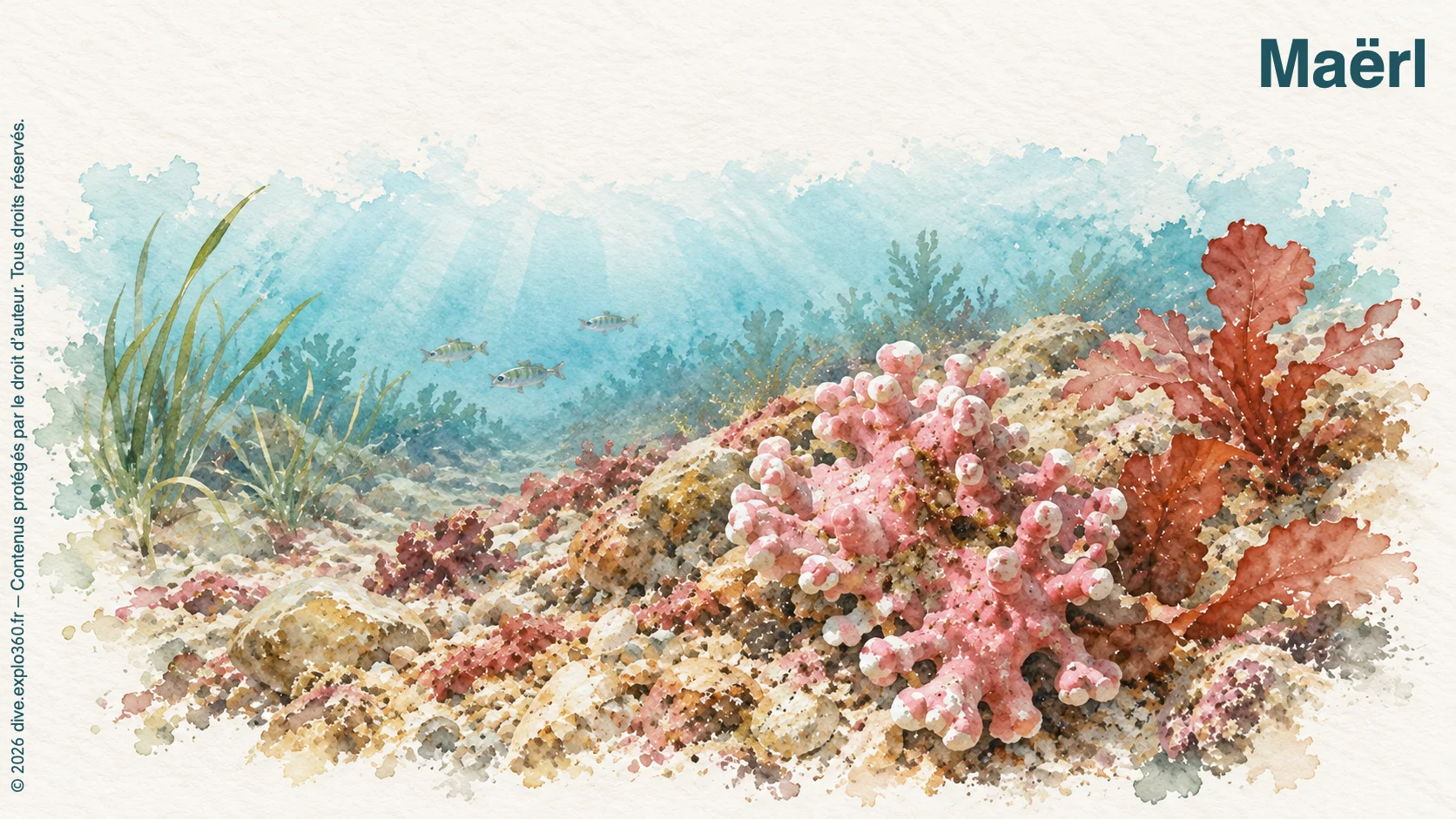
Coralligenous habitat is a bioconstruction: its relief forms in particular as calcareous algae deposit calcium carbonate. Other organisms settle on this structure, while some bore cavities into areas that have already formed. The result is a network of uneven surfaces, small crevices and overhangs inhabited by many species.
WHERE DOES IT LIVE?
Coralligenous habitat mainly develops on rocky seabeds or hard underwater features in low-light areas. It generally occurs from a few tens of metres deep and can extend well below a hundred metres.
It takes different forms: on vertical walls, beneath overhangs or as thick structures on more horizontal seabeds.
WHAT DOES IT EAT?
Feeding must be considered separately for the organisms making up coralligenous growth. Calcareous algae produce organic compounds through photosynthesis, using light energy and taking carbon and minerals from the water. Many attached animals collect suspended particles, some through internal filtration and others through tentacular interception. Predators and grazers add further nutritional modes.
GO FURTHER WITH AMIGANSEAU
Unlock the full profile
Deepen your knowledge with the exclusive chapters and interactive resources included in an AMIGANSEAU licence.
- HOW DOES IT REPRODUCE?
- OUR OBSERVATIONS
- ARTICLE
Also included in the full profile
- Advanced navigation between description, ecological context, observations and behaviour
- Interactive food chain to explore the species’ feeding relationships
- Infographic and illustrated summary profile
- Additional photographic observations

 Understand the species