Partners and information

Contact us

Verification code

Jewel anemone

Distribution : Mediterranean and northeast Atlantic; shaded rock. DORIS reports Mediterranean records to 100 m.

The Anna Graebe no longer sails. Its wreck rests on the North Sea floor, where scientific divers found two colonies of jewel anemones in 2013. These tiny, colourful animals had settled on a human-made structure left beneath the waves.

Images being acquired · Your video or photos here

Habitat of Jewel anemone Habitat
Rocky habitat
Depth range of Jewel anemone Depth
0-100 m
Biological group of Jewel anemone Group
Ecological role of Jewel anemone Role
Predator

Size

Oral disc about 10–15 mm

WHAT DOES IT LOOK LIKE?

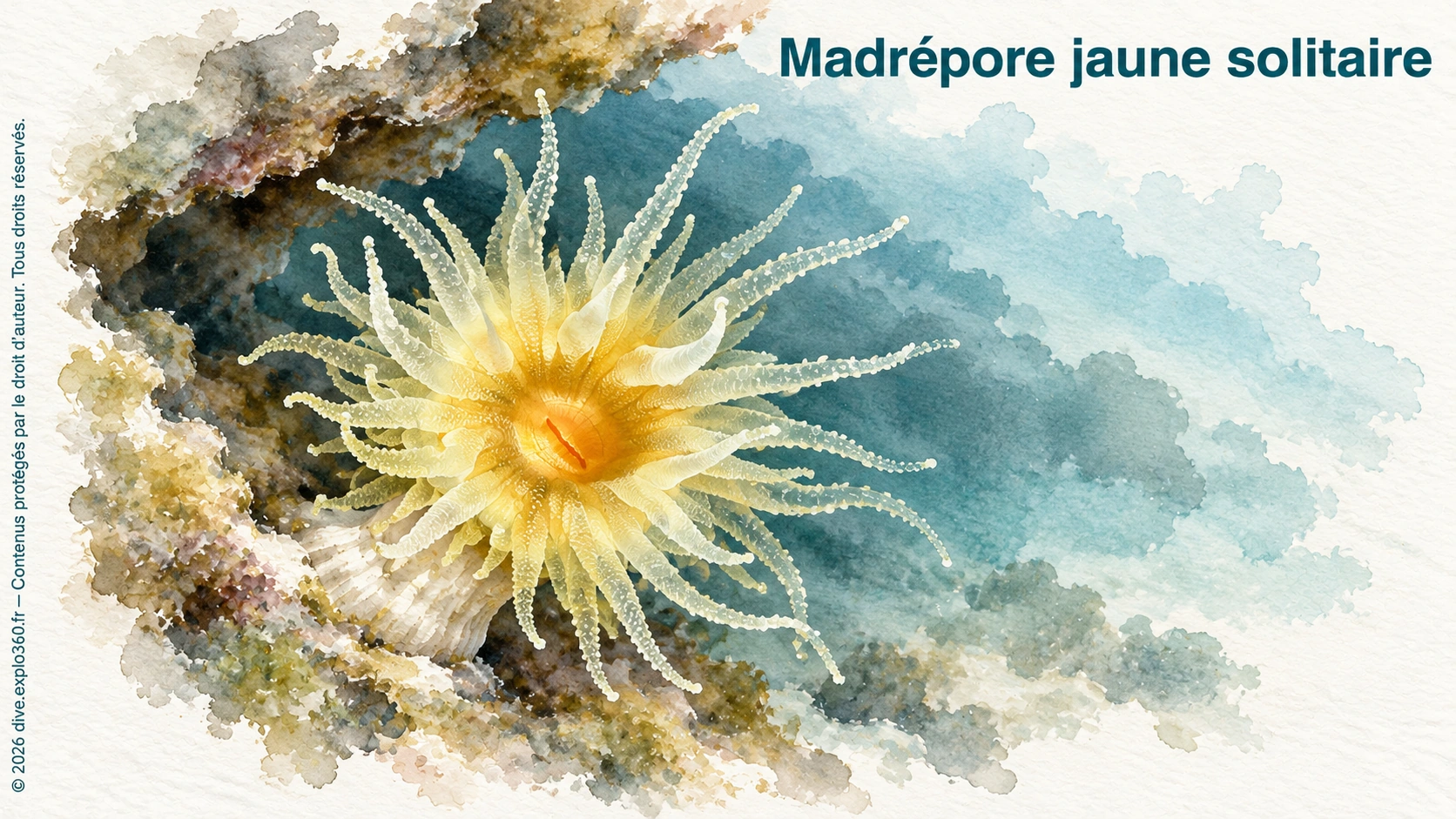
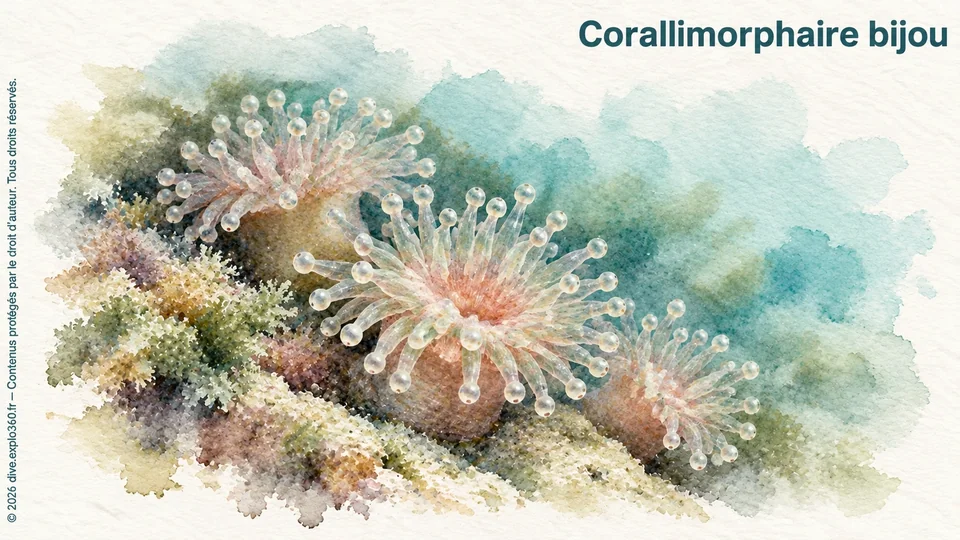
The little balls at the tentacle tips give the jewel anemone its appearance. They surround a mouth on a disc around one centimetre across. The short body is soft and its colour varies greatly, including pink, orange or green.

GO FURTHER WITH AMIGANSEAU

Unlock the full profile

Deepen your knowledge with the exclusive chapters and interactive resources included in an AMIGANSEAU licence.

Choose my licence
  • WHERE DOES IT LIVE?
  • WHAT DOES IT EAT?
  • HOW DOES IT REPRODUCE?
  • OUR OBSERVATIONS

Also included in the full profile

  • Advanced navigation between description, ecological context, observations and behaviour
  • Interactive food chain to explore the species’ feeding relationships
An active licence gives access to enriched profiles and AMIGANSEAU exploration tools.
Jewel anemone

Understand the species

What is this species’ ecological role?

AMIGANSEAU Explorer Premium

Access enriched species profiles with advanced content (audio, infographics and detailed articles).

Explore all species easily through a single interface.

Enjoy a smooth, fast learning experience suited to every level.

🔒 The full profile is available with a paid subscription only.

Discover licences

POURSUIVRE L’EXPLORATION

Explore further

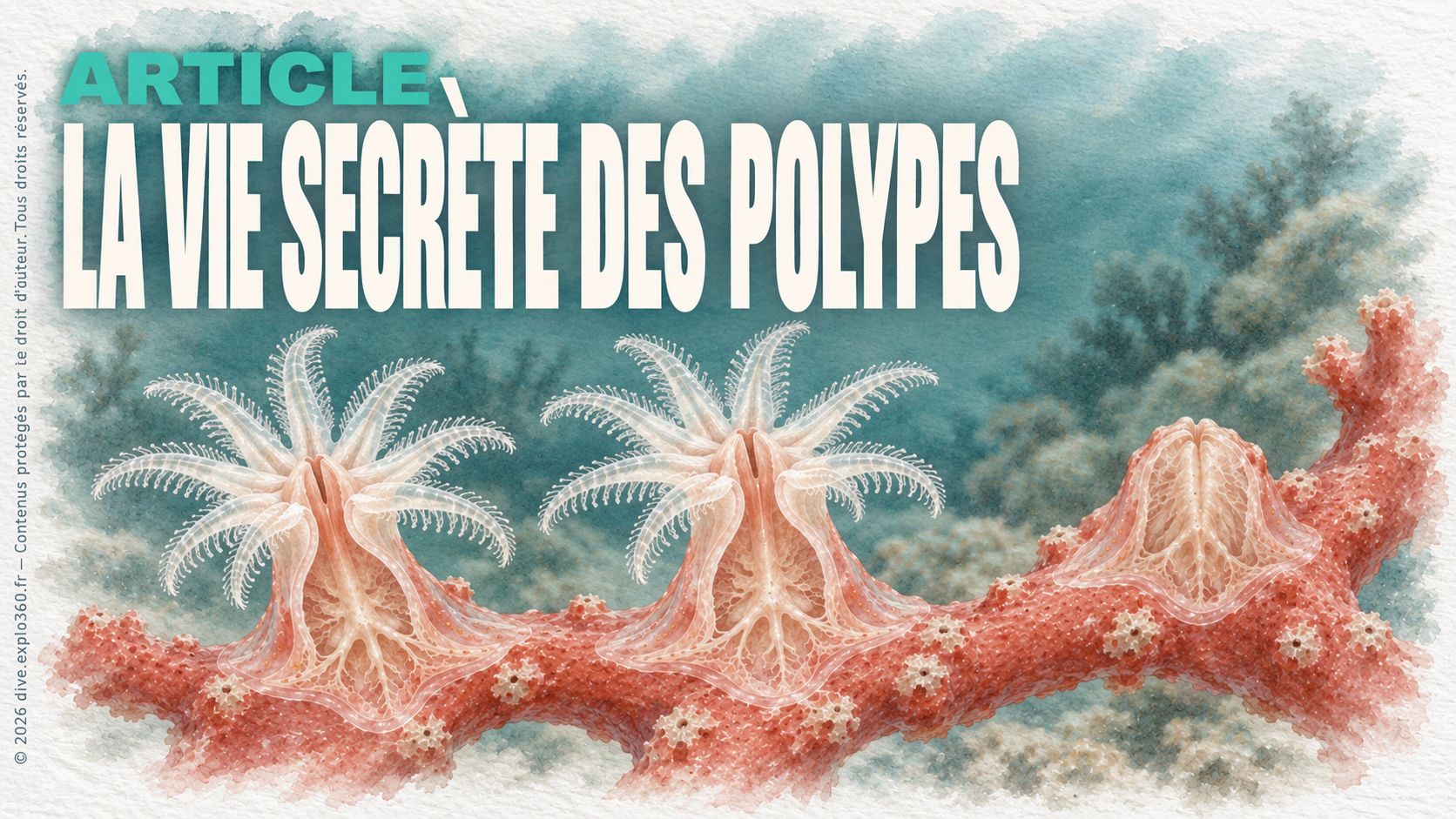
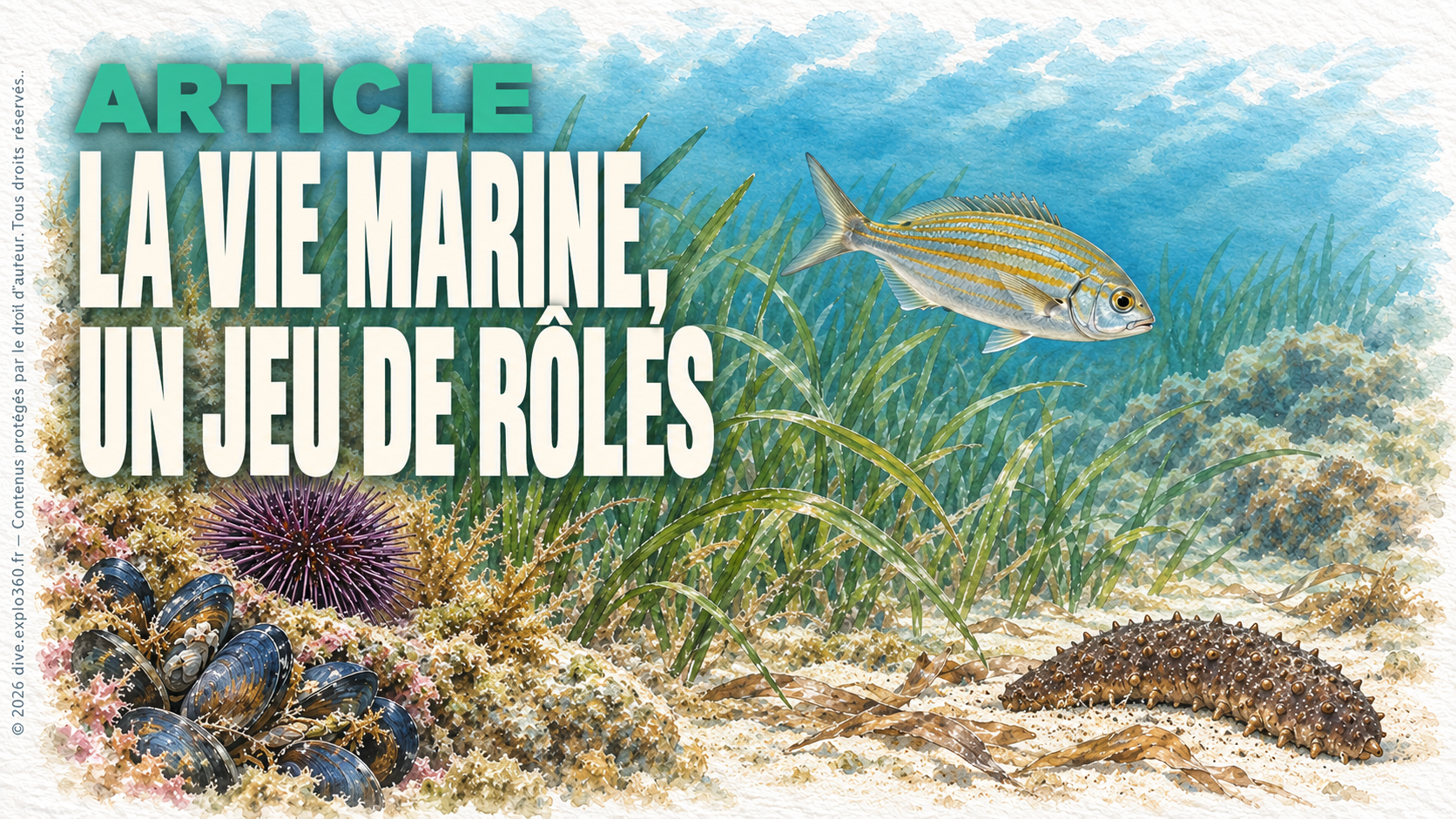
ArticleThe Hidden Life of Polyps: How Does a Colony Work?Read the article →ArticleWhat marine animals do and why it mattersRead the article →ArticlePHYLA WITHOUT THE FUSSRead the article →