 Habitat
 Depth
 Group
 Role
 Size
 Good to know
WHAT DOES IT LOOK LIKE?
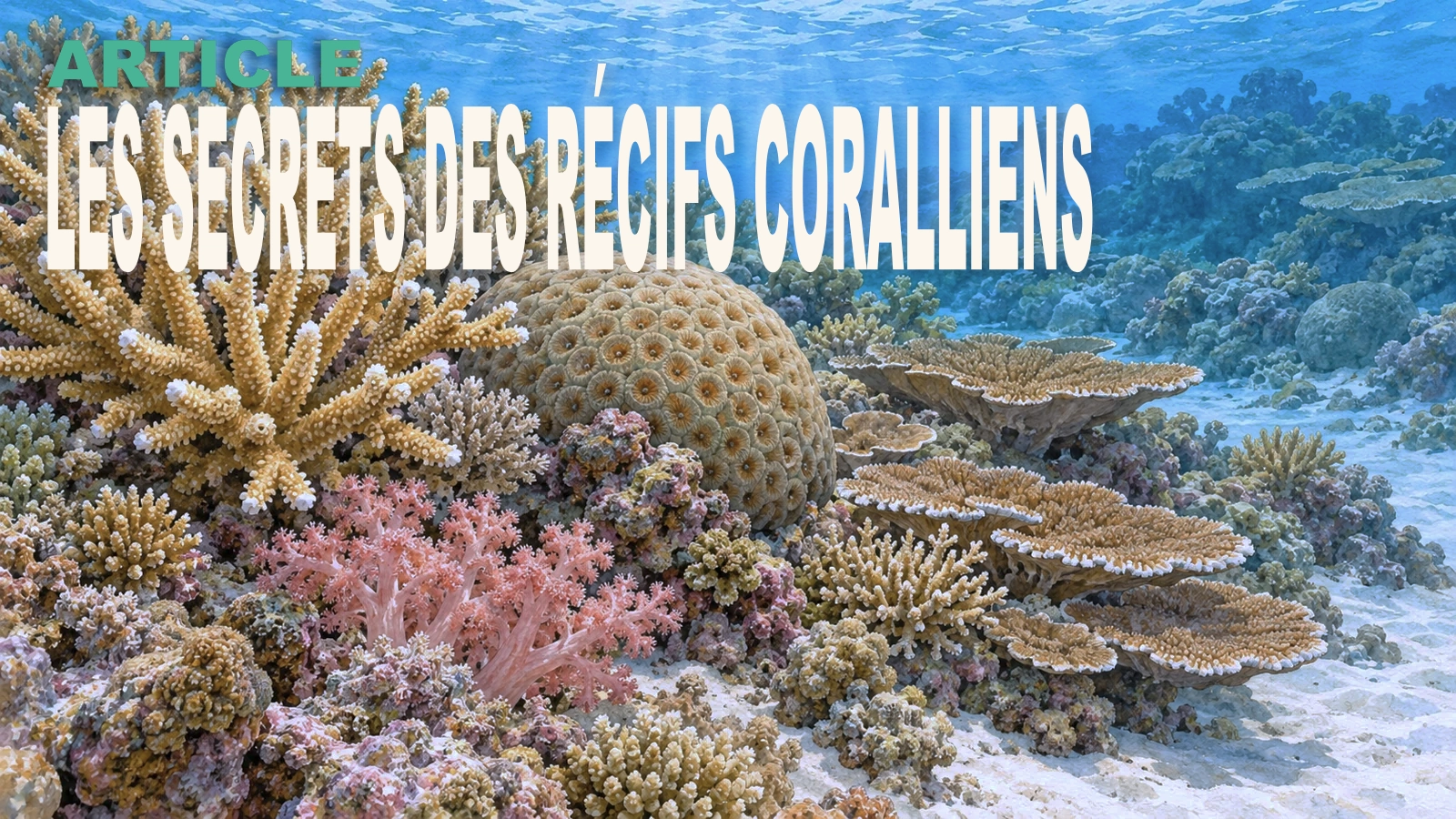
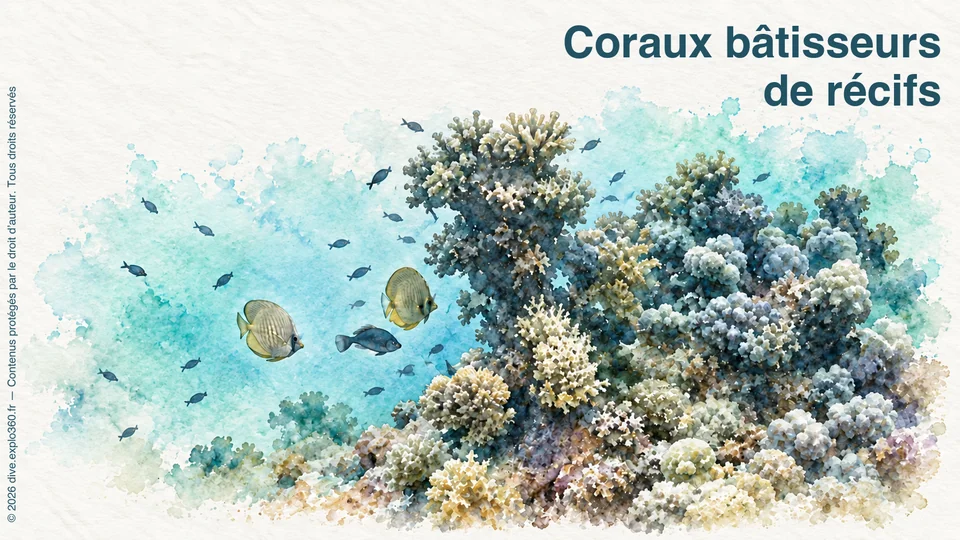
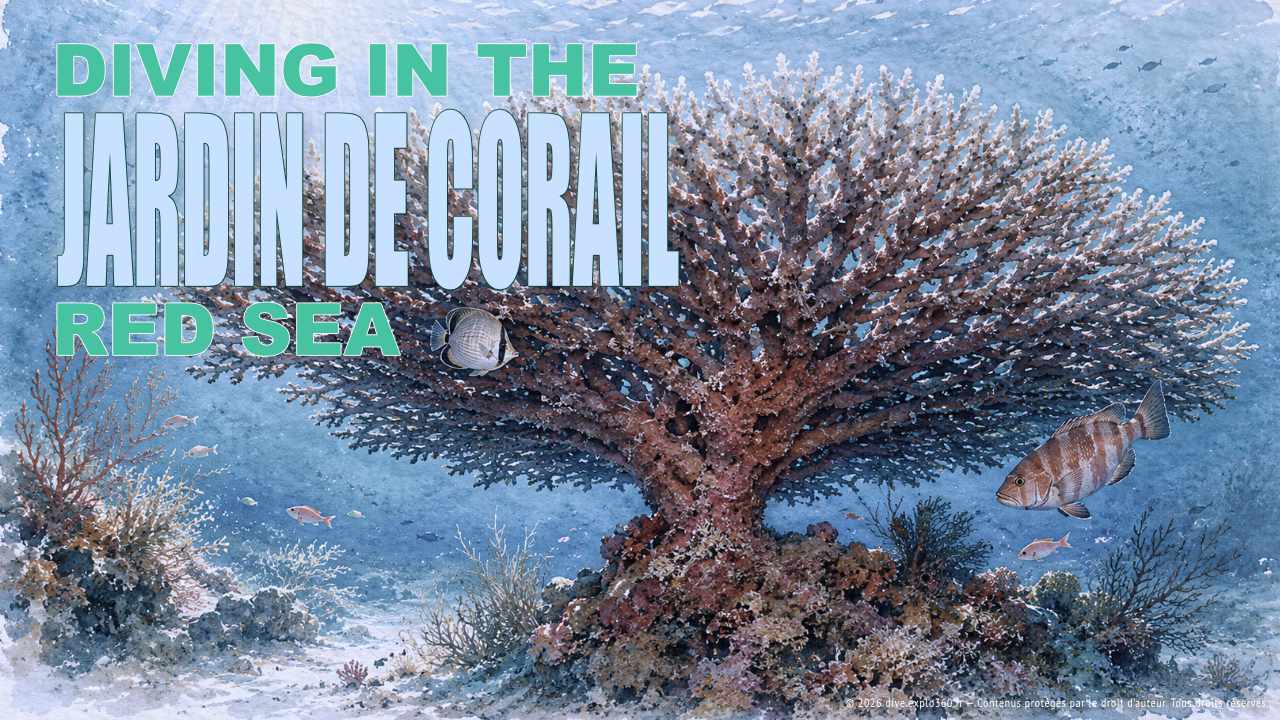
Reef-building corals (Scleractinia) can form broad plates, bushy clusters of branches or more rounded colonies. Their hard skeletons support polyps, the small animals that live together in a colony. Colony shapes vary widely, and different species can look alike from a distance.
WHERE DOES IT LIVE?
Reef-building corals associated with algae grow where sufficient light remains. Their distribution varies with water clarity, temperature, sediment and local conditions. Some communities occupy deeper water, so no common maximum depth describes all reef corals.
WHAT DOES IT EAT?
Many reef-building corals obtain nourishment both from prey caught by their polyps and from nutrients supplied by microalgae living in their tissues. Tentacles catch small planktonic animals and bring them to the mouth. The microalgae use light to produce organic matter through photosynthesis and pass some of it to the coral. This partnership is common among tropical reef-building corals but is not found in all stony corals.
GO FURTHER WITH AMIGANSEAU
Unlock the full profile
Deepen your knowledge with the exclusive chapters and interactive resources included in an AMIGANSEAU licence.
Subscribing to Dive.Explo360 means supporting a different way to discover marine life.
Our independent platform is entirely self-funded and relies solely on subscriptions. Every licence helps us continue our work, create new content, and share what we know about the marine world with as many people as possible.
Starting at €80 per year, your support makes all the difference.
 Understand the species