Partners and information

Contact us

Verification code

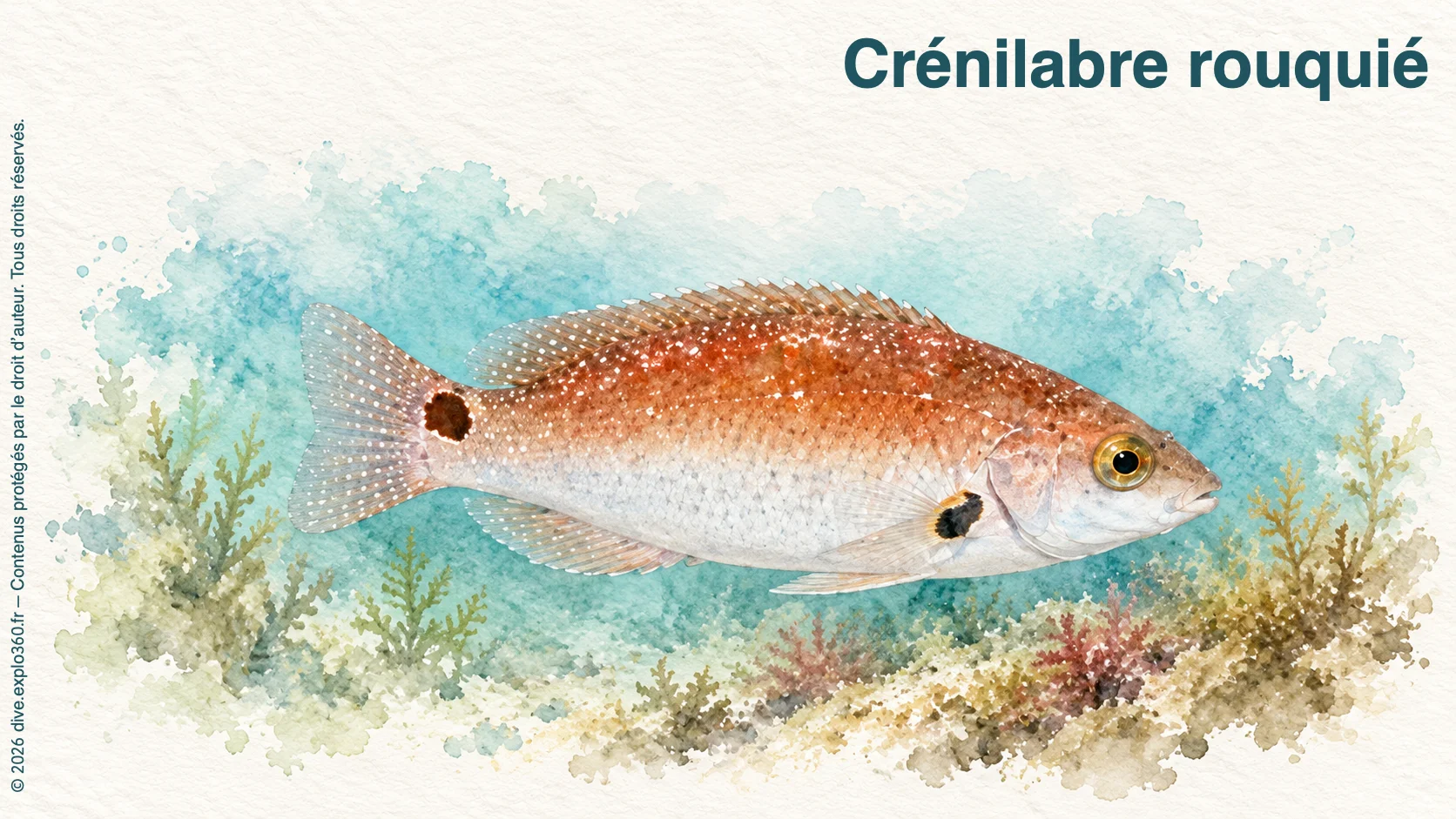
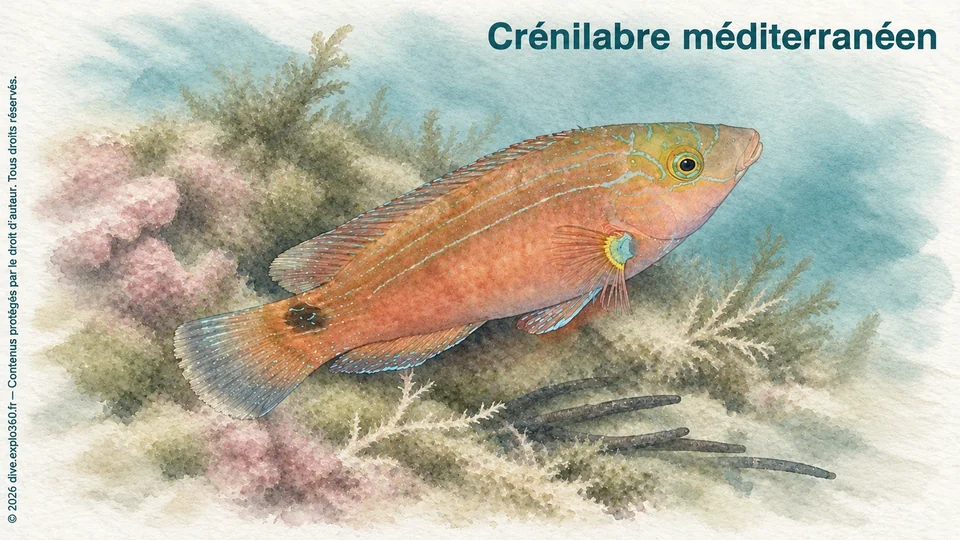
Axillary wrasse

Distribution : Mediterranean

Twenty metres is a long way for a fish about fifteen centimetres long to go for a piece of seaweed. Yet researchers watched axillary wrasses make trips like these while building their nests. Seaweed, sand and small bits of debris gradually pile up in a sheltered spot among the rocks.

Images being acquired · Your video or photos here

Habitat of Axillary wrasse Habitat
Rocky habitat, Seagrass meadow
Depth range of Axillary wrasse Depth
0-20 m
Biological group of Axillary wrasse Group
Ecological role of Axillary wrasse Role
Predator

Size

Up to 18 cm

WHAT DOES IT LOOK LIKE?

The axillary wrasse’s two spots lie high on the tail base and at the start of the fin behind the head. The latter is brown in females and blue edged with yellow in males. Whitish lips mark a reddish brown to brown, sometimes greenish body.

GO FURTHER WITH AMIGANSEAU

Unlock the full profile

Deepen your knowledge with the exclusive chapters and interactive resources included in an AMIGANSEAU licence.

Choose my licence
  • WHERE DOES IT LIVE?
  • WHAT DOES IT EAT?
  • HOW DOES IT REPRODUCE?
  • OUR OBSERVATIONS

Also included in the full profile

  • Advanced navigation between description, ecological context, observations and behaviour
  • Interactive food chain to explore the species’ feeding relationships
An active licence gives access to enriched profiles and AMIGANSEAU exploration tools.
Axillary wrasse

Understand the species

What is this species’ ecological role?

AMIGANSEAU Explorer Premium

Access enriched species profiles with advanced content (audio, infographics and detailed articles).

Explore all species easily through a single interface.

Enjoy a smooth, fast learning experience suited to every level.

🔒 The full profile is available with a paid subscription only.

Discover licences

POURSUIVRE L’EXPLORATION

Explore further

ArticleTHE SECRETS OF THE SEAGRASS MEADOWRead the article →ArticleWHAT IF IT ALL HAPPENED UNDERWATER?Read the article →ArticleWhat marine animals do and why it mattersRead the article →