Partners and information

Contact us

Verification code

Black-tailed wrasse

Distribution : Mediterranean species, notably along rock–seagrass boundaries. Formerly Symphodus melanocercus: the same species, not a second catalogue entry.

A fish suddenly stops swimming and spreads its fins. A much smaller fish approaches and begins picking at its skin. Instead of chasing the visitor away, the larger fish stays remarkably still. Something unusual is happening beneath the waves.

Images being acquired · Your video or photos here

Habitat of Black-tailed wrasse Habitat
Rocky habitat, Seagrass meadow
Depth range of Black-tailed wrasse Depth
0-25 m
Biological group of Black-tailed wrasse Group
Ecological role of Black-tailed wrasse Role
Predator

Size

Up to 14 cm according to DORIS

WHAT DOES IT LOOK LIKE?

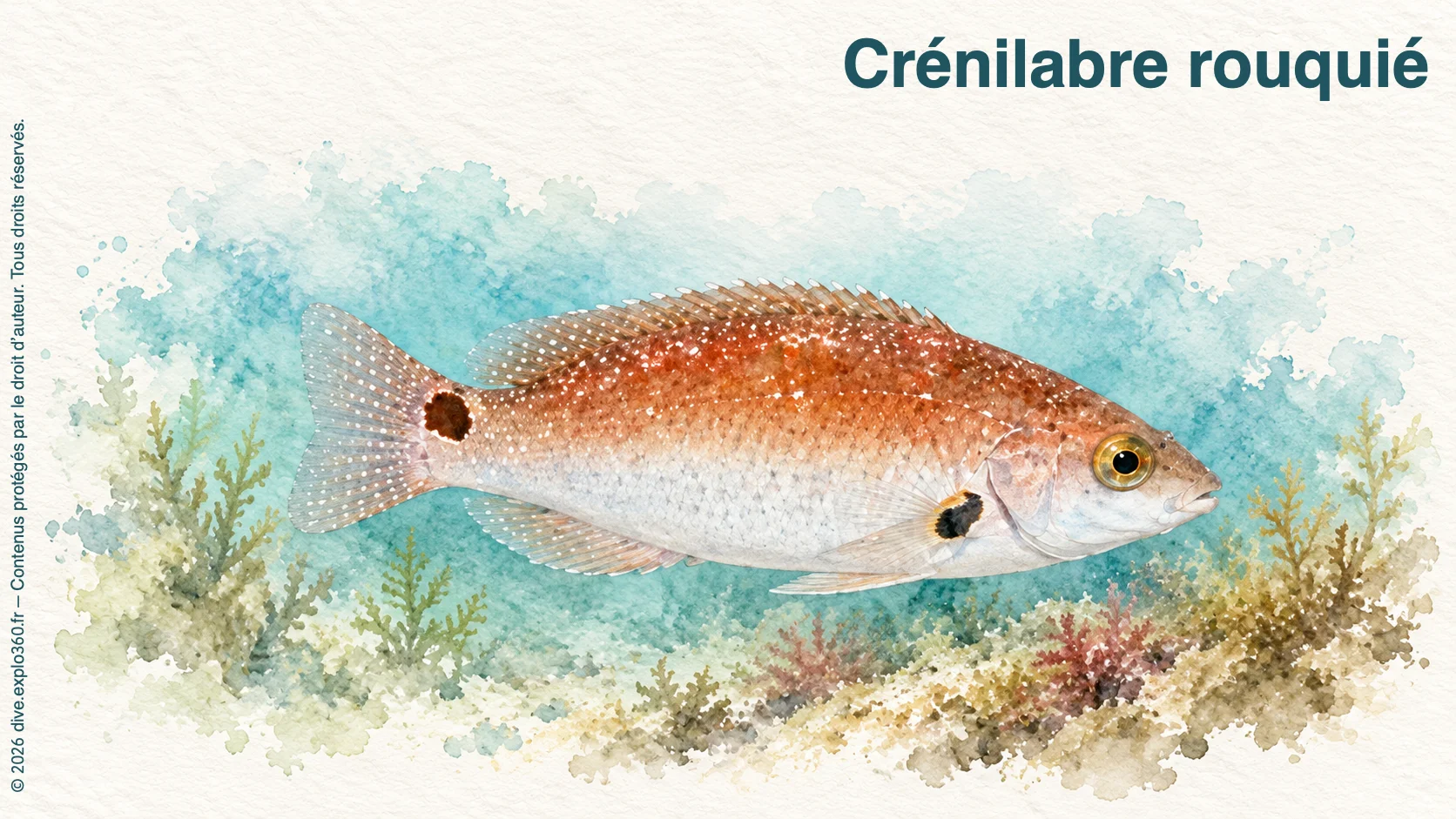
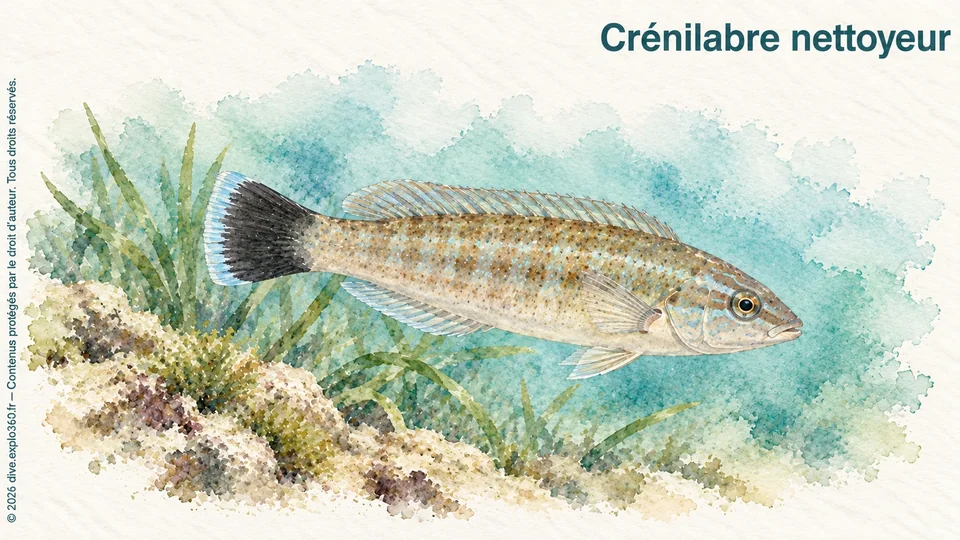
The blacktailed wrasse is beige, with varying amounts of blue. The rear of its tail is black, narrowly edged in pale colour. It has a small mouth and a long fin on the back.

GO FURTHER WITH AMIGANSEAU

Unlock the full profile

Deepen your knowledge with the exclusive chapters and interactive resources included in an AMIGANSEAU licence.

Choose my licence
  • WHERE DOES IT LIVE?
  • WHAT DOES IT EAT?

Also included in the full profile

  • Advanced navigation between description, ecological context, observations and behaviour
  • Interactive food chain to explore the species’ feeding relationships
An active licence gives access to enriched profiles and AMIGANSEAU exploration tools.
Black-tailed wrasse

Understand the species

What is this species’ ecological role?

AMIGANSEAU Explorer Premium

Access enriched species profiles with advanced content (audio, infographics and detailed articles).

Explore all species easily through a single interface.

Enjoy a smooth, fast learning experience suited to every level.

🔒 The full profile is available with a paid subscription only.

Discover licences

POURSUIVRE L’EXPLORATION

Explore further

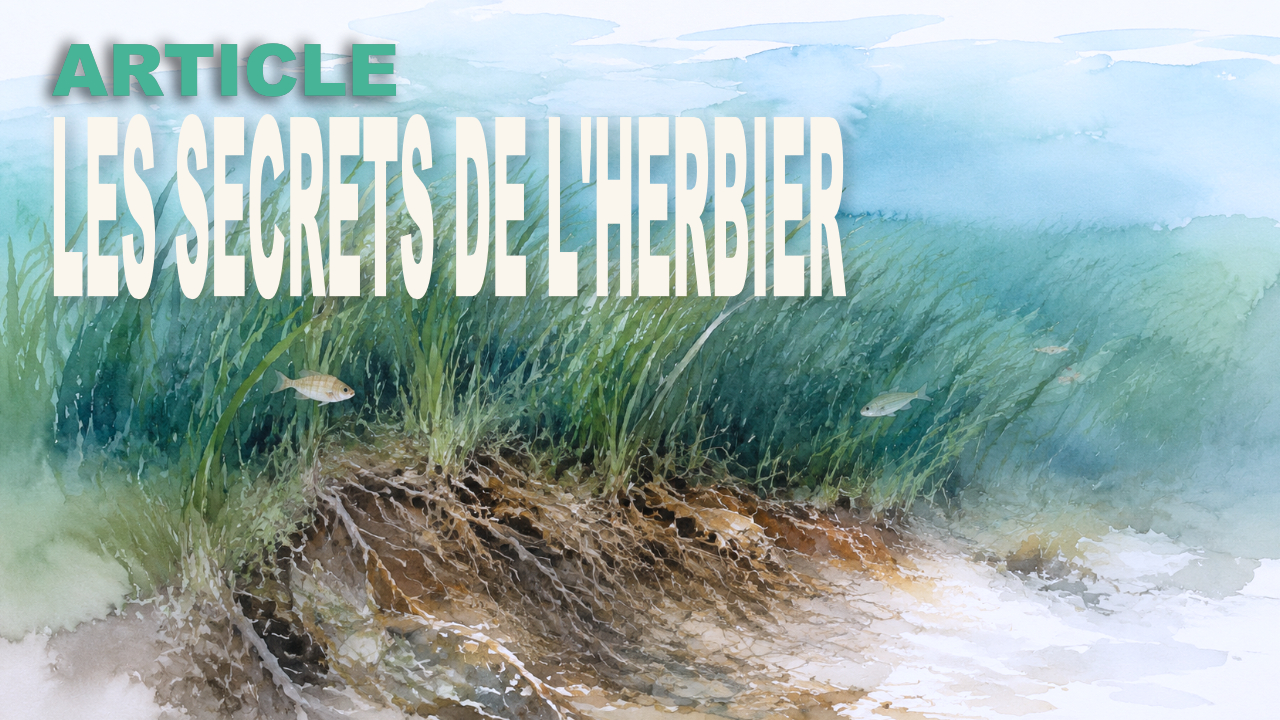
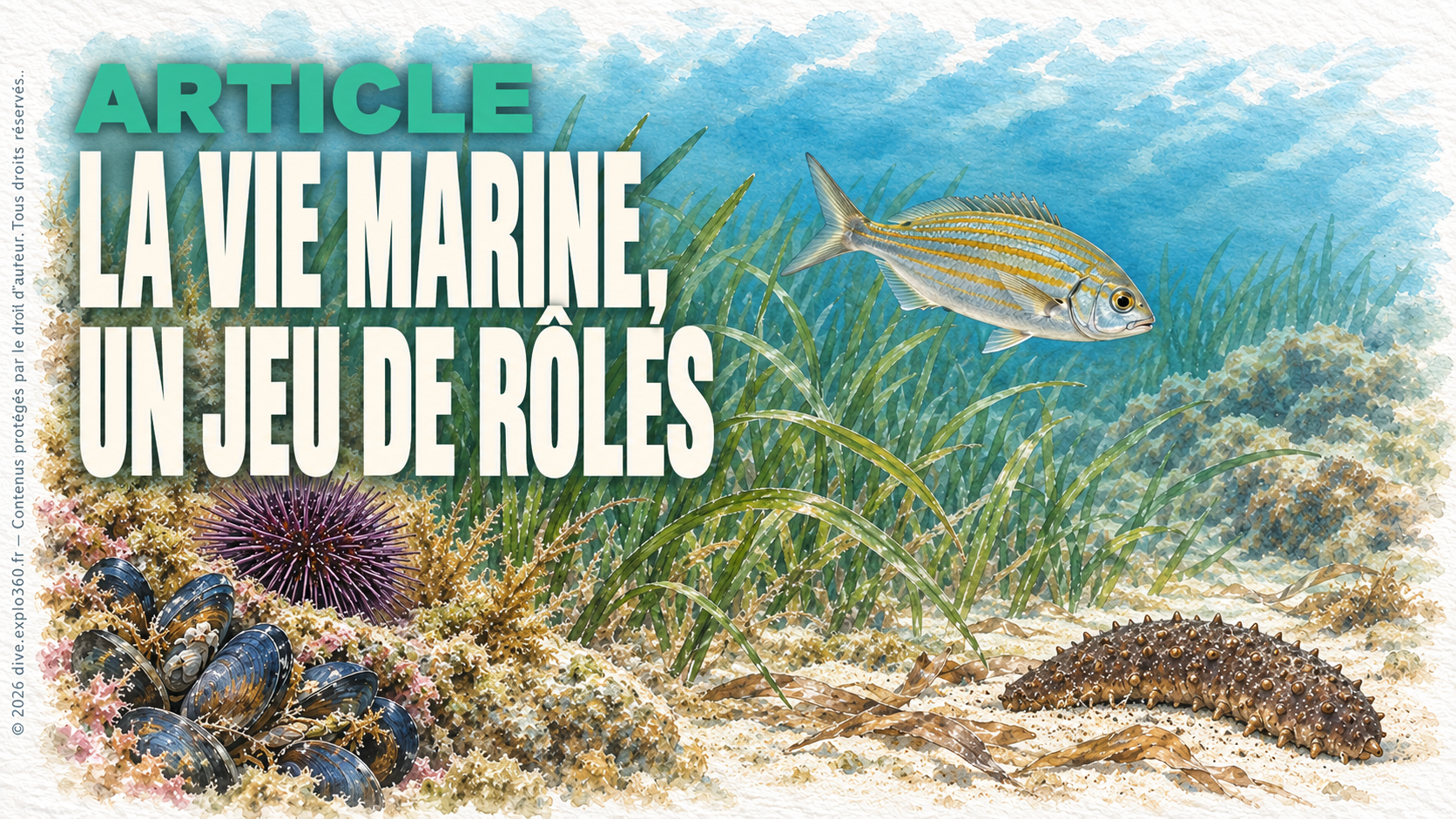
ArticleTHE SECRETS OF THE SEAGRASS MEADOWRead the article →ArticleWhat marine animals do and why it mattersRead the article →