Habitat
 Depth
 Group
 Role
WHAT DOES IT LOOK LIKE?
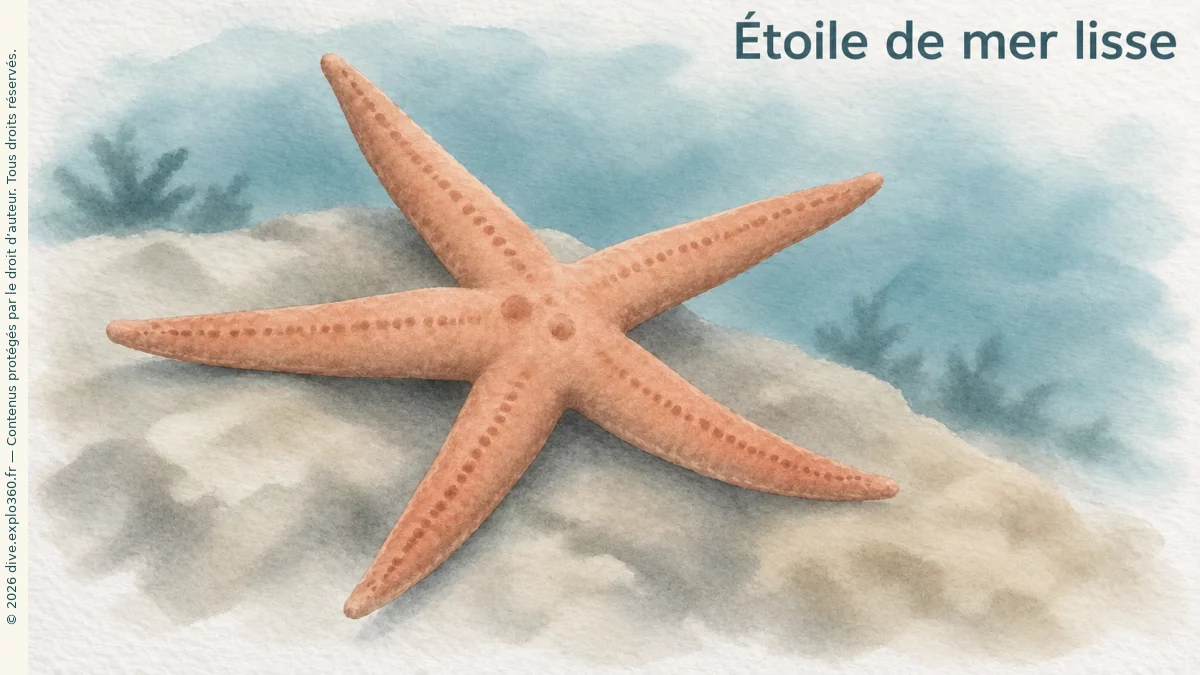
The smooth starfish has a small central disc and five conical arms tapering towards their tips. The orange to red upper surface looks smooth and satin-like. Rows of darker depressions run along the arms; the underside is paler.
The body is supported by calcium carbonate plates beneath the tissues. Tube feet, small extendable tubes, help with movement and attachment. Smoothness is a visual feature that can be observed without running a hand over the animal.
WHERE DOES IT LIVE?
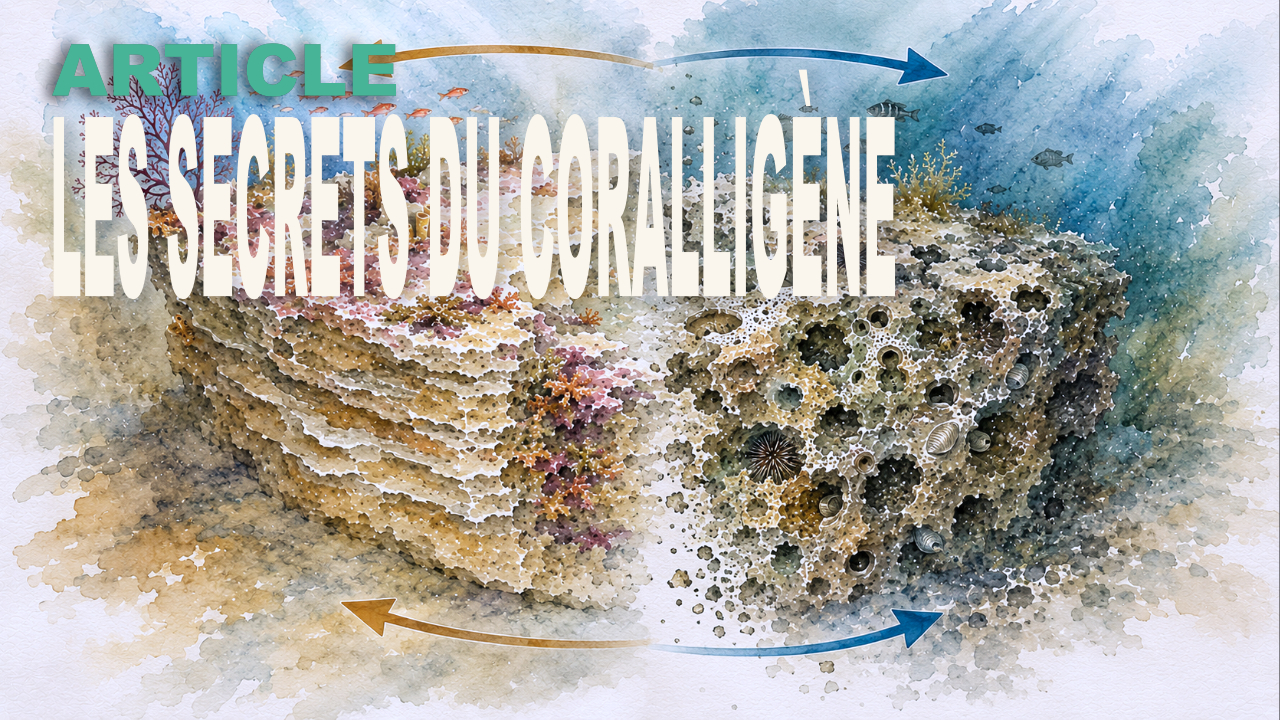
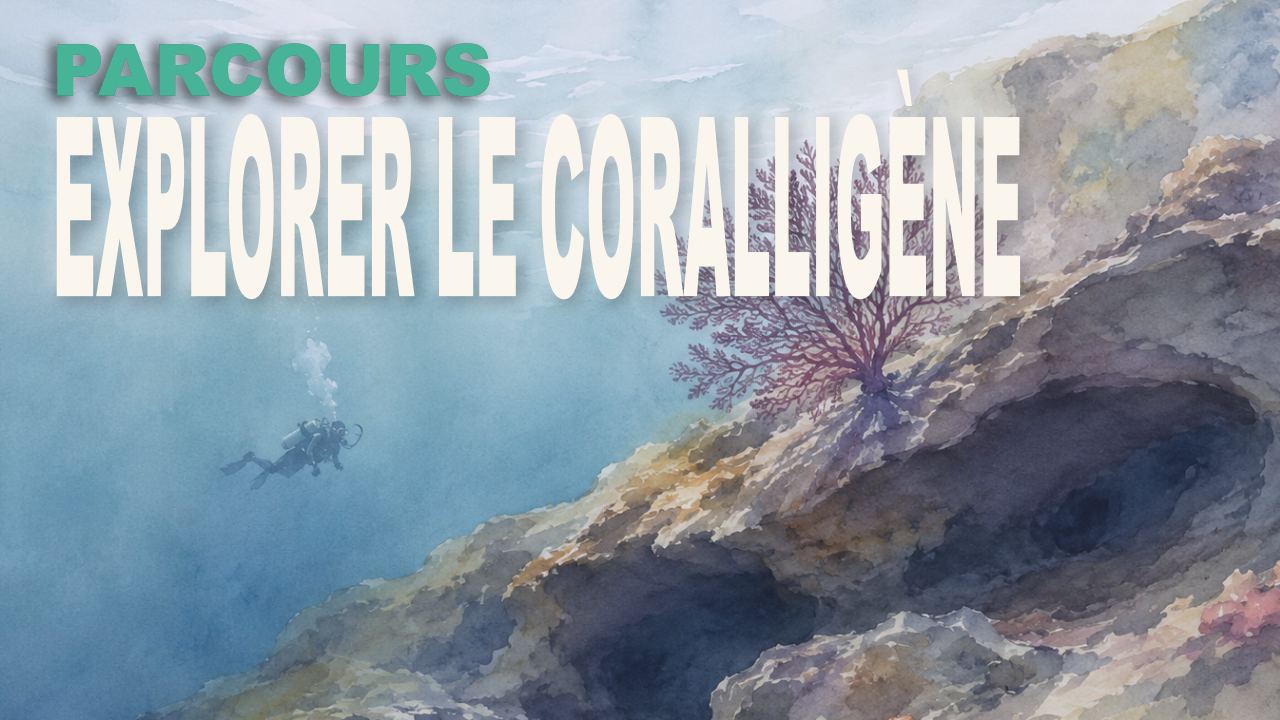
It occurs on rocks and coralligenous formations, relief built in part by calcifying algae. Overhangs and caves provide dim areas. It inhabits French Mediterranean coasts at varied depths.
A record benefits from noting whether the animal is on an open wall, beneath a ledge or at a cavity entrance. Depth alone poorly describes light and the shape of the site.
WHAT DOES IT EAT?
Sponges are listed among its main food resources. They attach to the surfaces the starfish crosses and are animal food despite their sometimes plant-like appearance.
An observed meal differs from simple overlap in a photograph. Following mouth position, changing contact and the supporting surface provides stronger evidence than a single encounter.
GO FURTHER WITH AMIGANSEAU
Unlock the full profile
Deepen your knowledge with the exclusive chapters and interactive resources included in an AMIGANSEAU licence.
- HOW DOES IT REPRODUCE?
- OUR OBSERVATIONS
- ARTICLE
Also included in the full profile
- Advanced navigation between description, ecological context, observations and behaviour
- Interactive food chain to explore the species’ feeding relationships