Partners and information

Contact us

Verification code

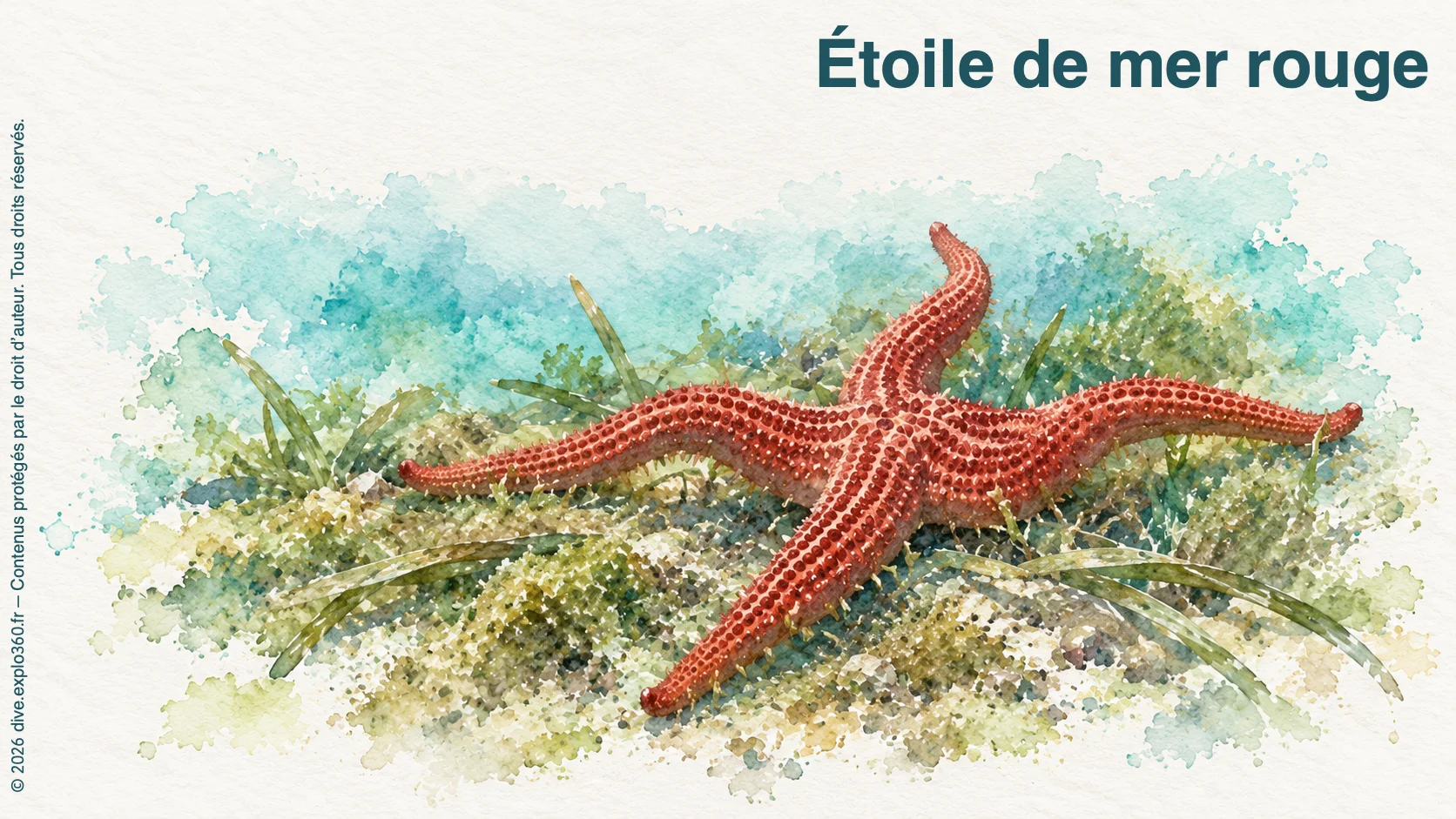
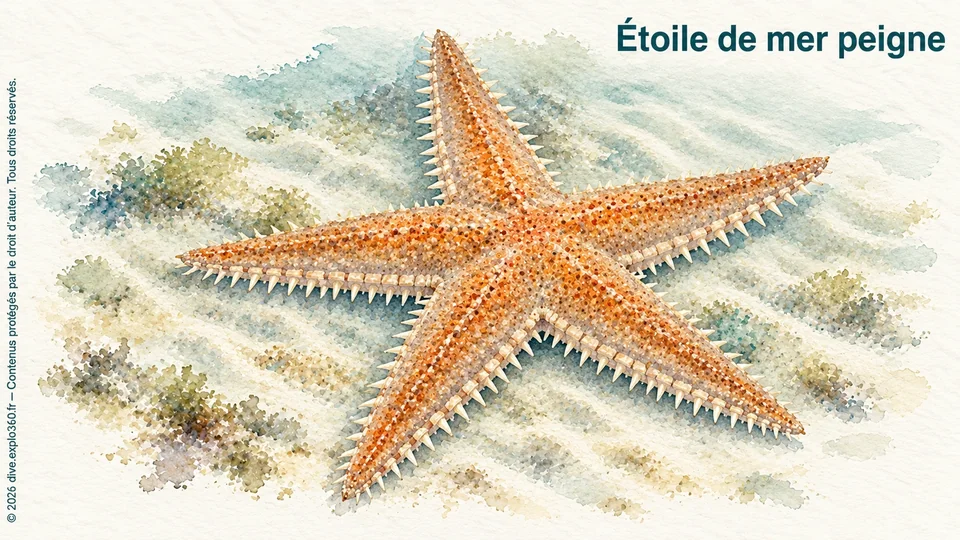
Red comb star

Distribution : Mediterranean basin and nearby Atlantic from Portugal to western Africa. Documented on the French Mediterranean coast.

In a German museum, a large starfish is kept among old collections. It measures 27 centimetres across and has five arms edged with spines. It is not a sculpture but a real red comb starfish that was dried and preserved. Why did collectors want to keep an animal like this?

Images being acquired · Your video or photos here

Habitat of Red comb star Habitat
Sand, Seagrass meadow
Depth range of Red comb star Depth
0-100 m
Biological group of Red comb star Group
Ecological role of Red comb star Role
Predator

Size

Up to 60 cm across according to DORIS

WHAT DOES IT LOOK LIKE?

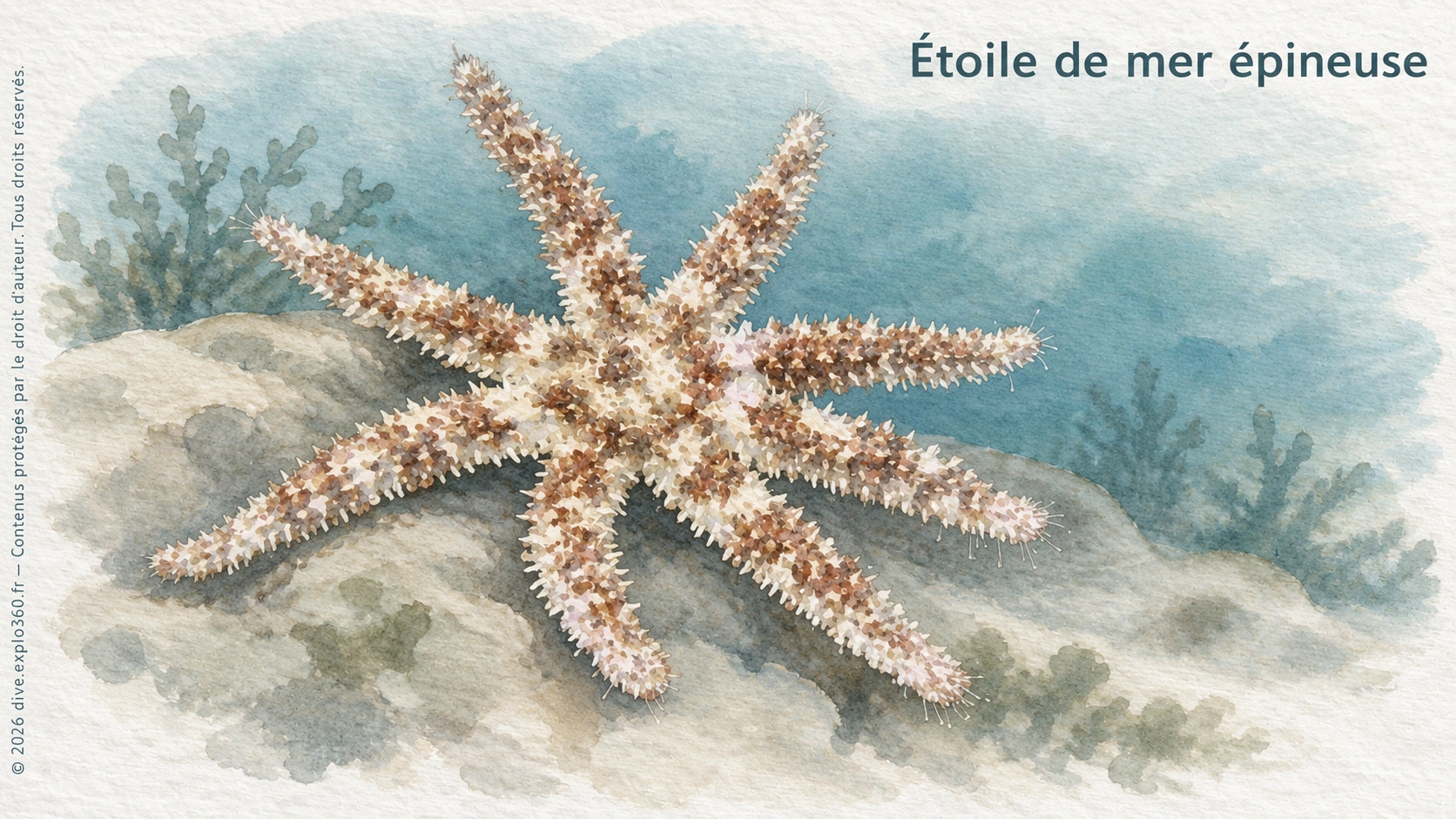
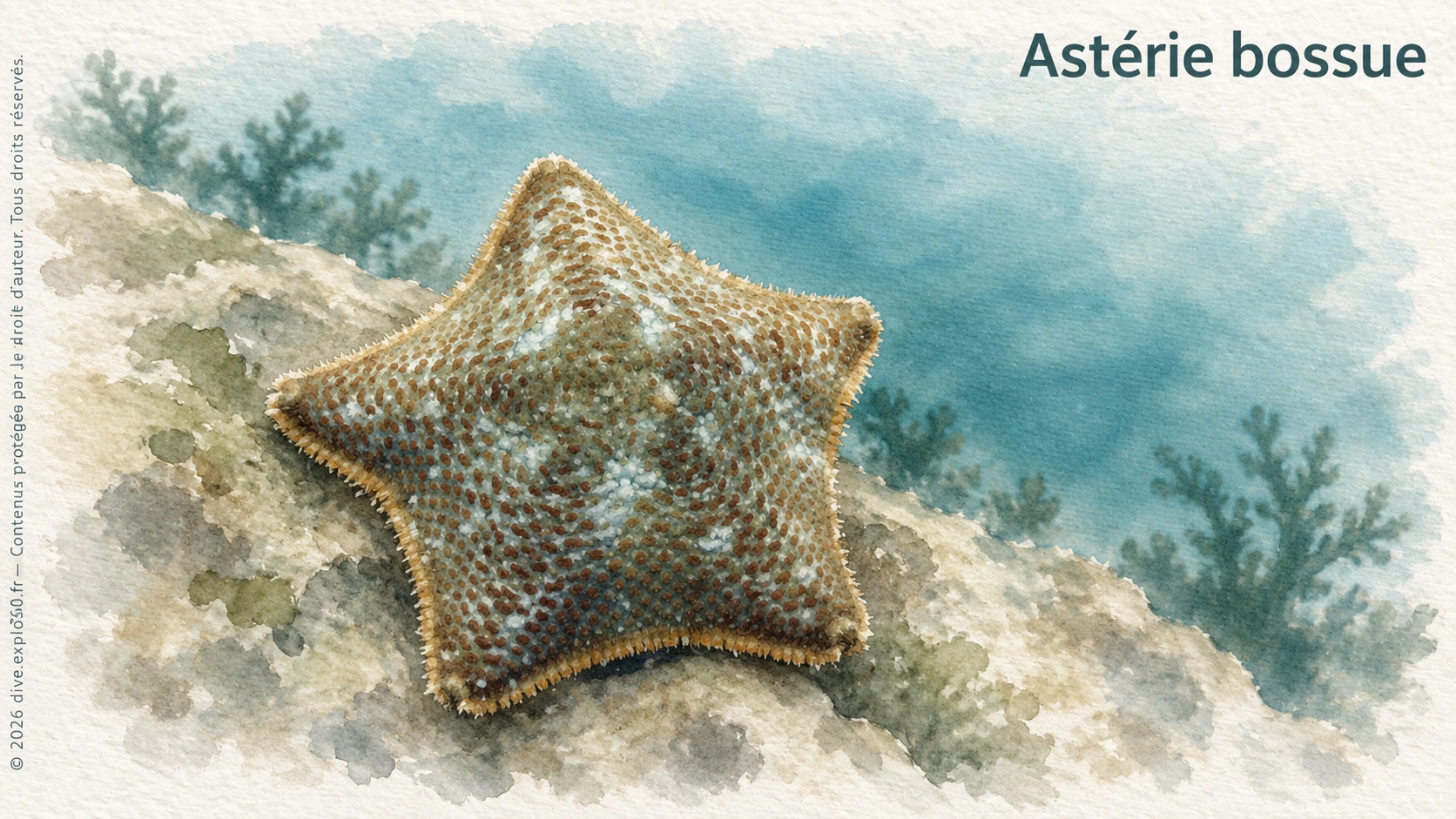
The red comb star has five thick arms ending in points. Large pale spines line their edges like the teeth of a comb. The upper side is orange to light brown.

GO FURTHER WITH AMIGANSEAU

Unlock the full profile

Deepen your knowledge with the exclusive chapters and interactive resources included in an AMIGANSEAU licence.

Choose my licence
  • WHERE DOES IT LIVE?
  • WHAT DOES IT EAT?

Also included in the full profile

  • Advanced navigation between description, ecological context, observations and behaviour
  • Interactive food chain to explore the species’ feeding relationships
An active licence gives access to enriched profiles and AMIGANSEAU exploration tools.
Red comb star

Understand the species

What is this species’ ecological role?

AMIGANSEAU Explorer Premium

Access enriched species profiles with advanced content (audio, infographics and detailed articles).

Explore all species easily through a single interface.

Enjoy a smooth, fast learning experience suited to every level.

🔒 The full profile is available with a paid subscription only.

Discover licences

POURSUIVRE L’EXPLORATION

Explore further

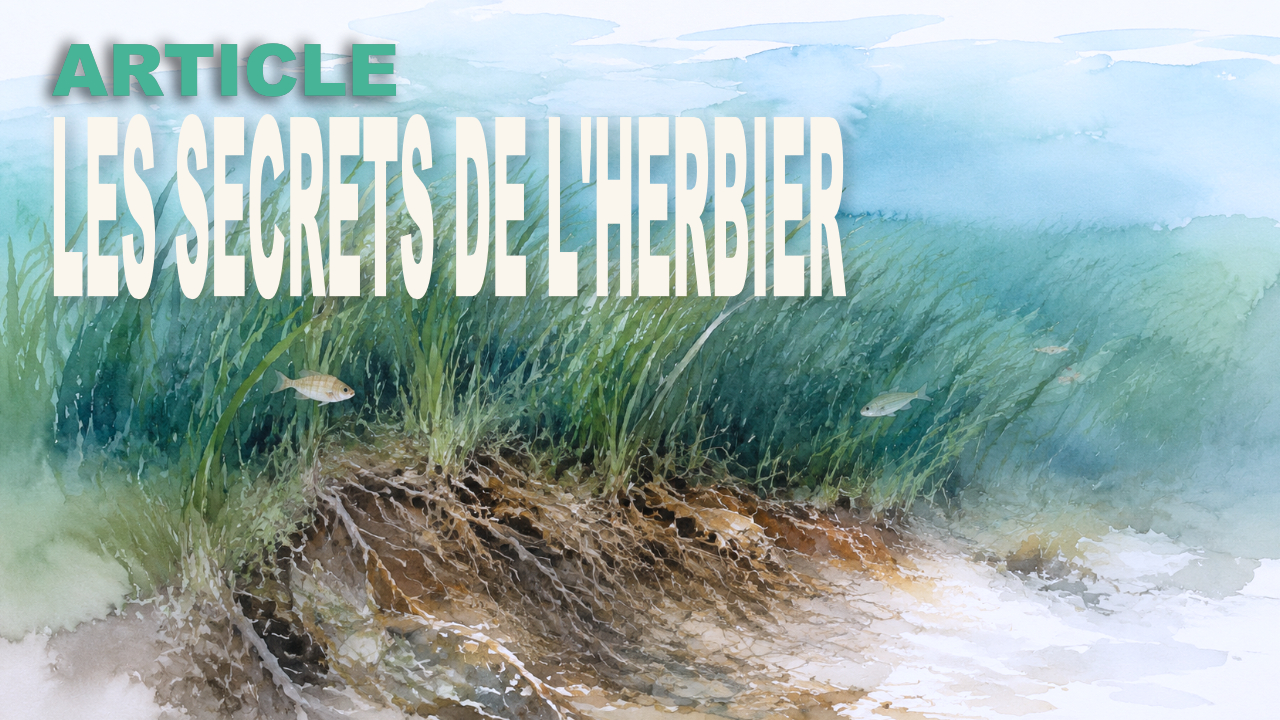
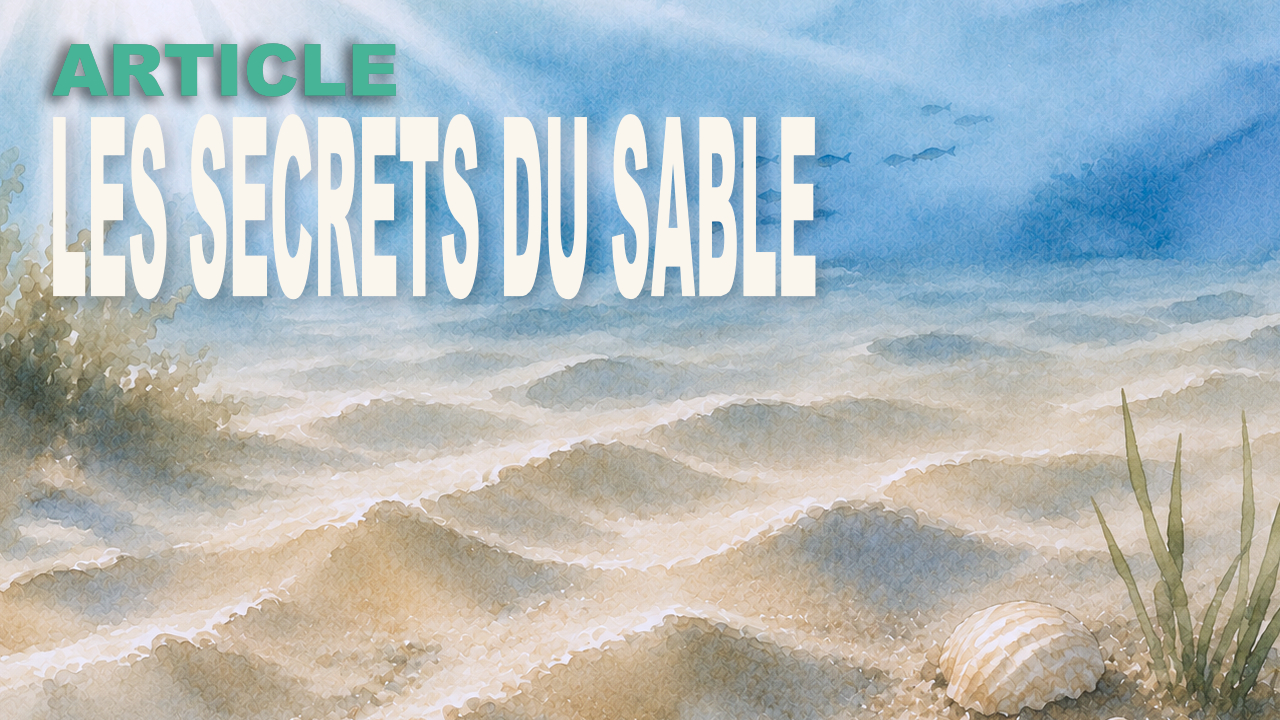
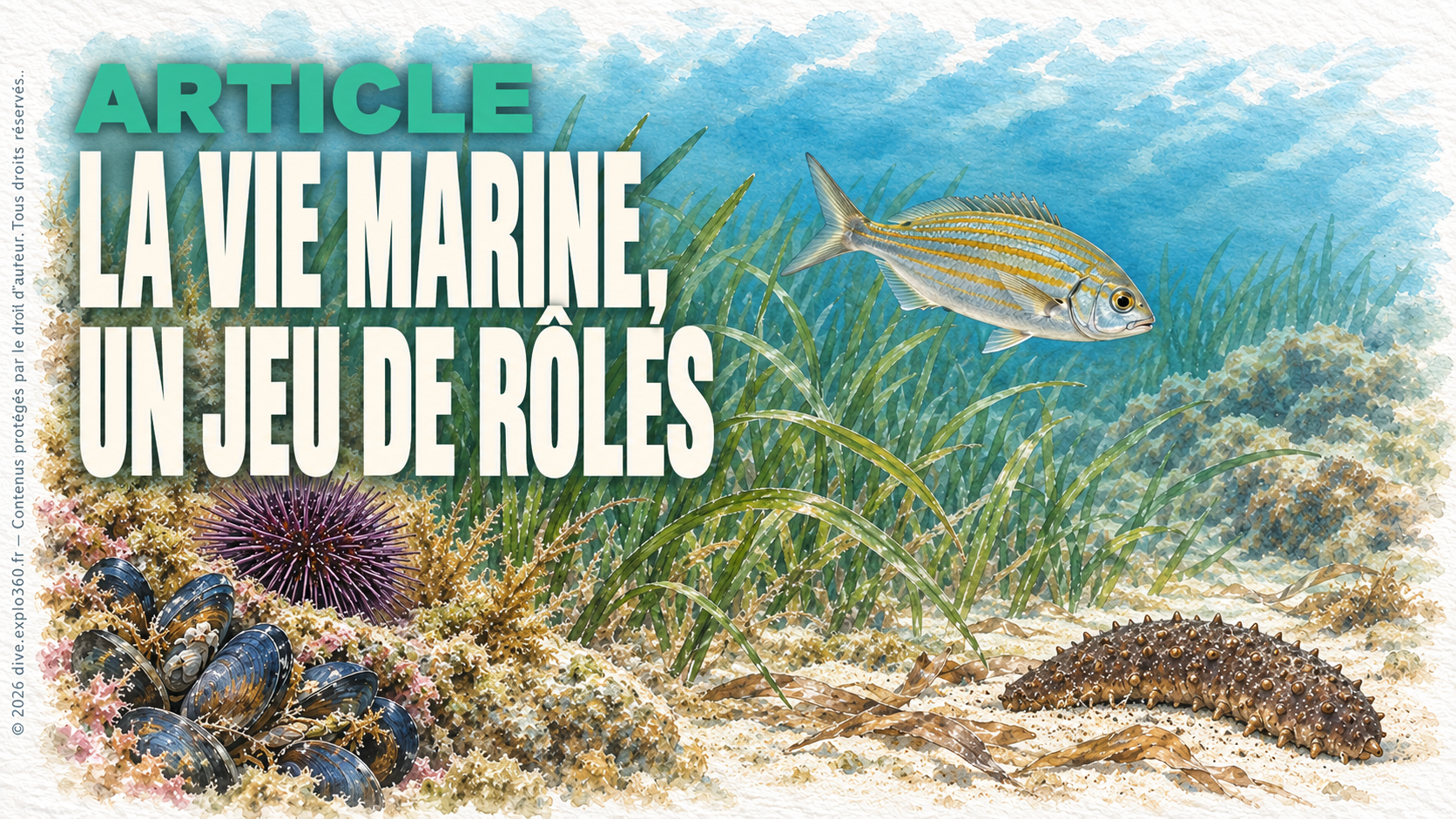
ArticleTHE SECRETS OF THE SEAGRASS MEADOWRead the article →ArticleTHE SECRETS OF SANDRead the article →ArticleWhat marine animals do and why it mattersRead the article →