Partners and information

Contact us

Verification code

Red gorgonian

Distribution : Mediterranean · Atlantic Ocean

Long before underwater cameras, natural history enthusiasts brought branching animal colonies ashore and dried them for preservation. In Nice, such objects gradually entered the museum's collections. A study published in 2016 traces this history and recalls that the red gorgonian had been described by Antoine Risso in 1826. Today, you can encounter living colonies with those remarkable branching forms on Mediterranean rocky walls.

Habitat of Red gorgonian Habitat
Wreck, Rocky habitat, Coralligenous habitat
Depth range of Red gorgonian Depth
8-110 m
Biological group of Red gorgonian Group
Ecological role of Red gorgonian Role
Filter feeder, Ecosystem engineer

Average size

65 cm

WHAT DOES IT LOOK LIKE?

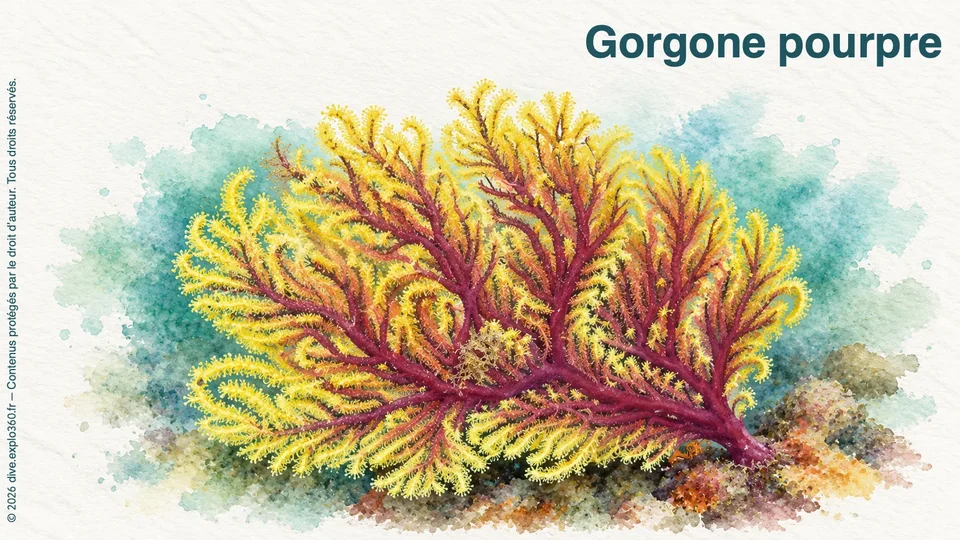
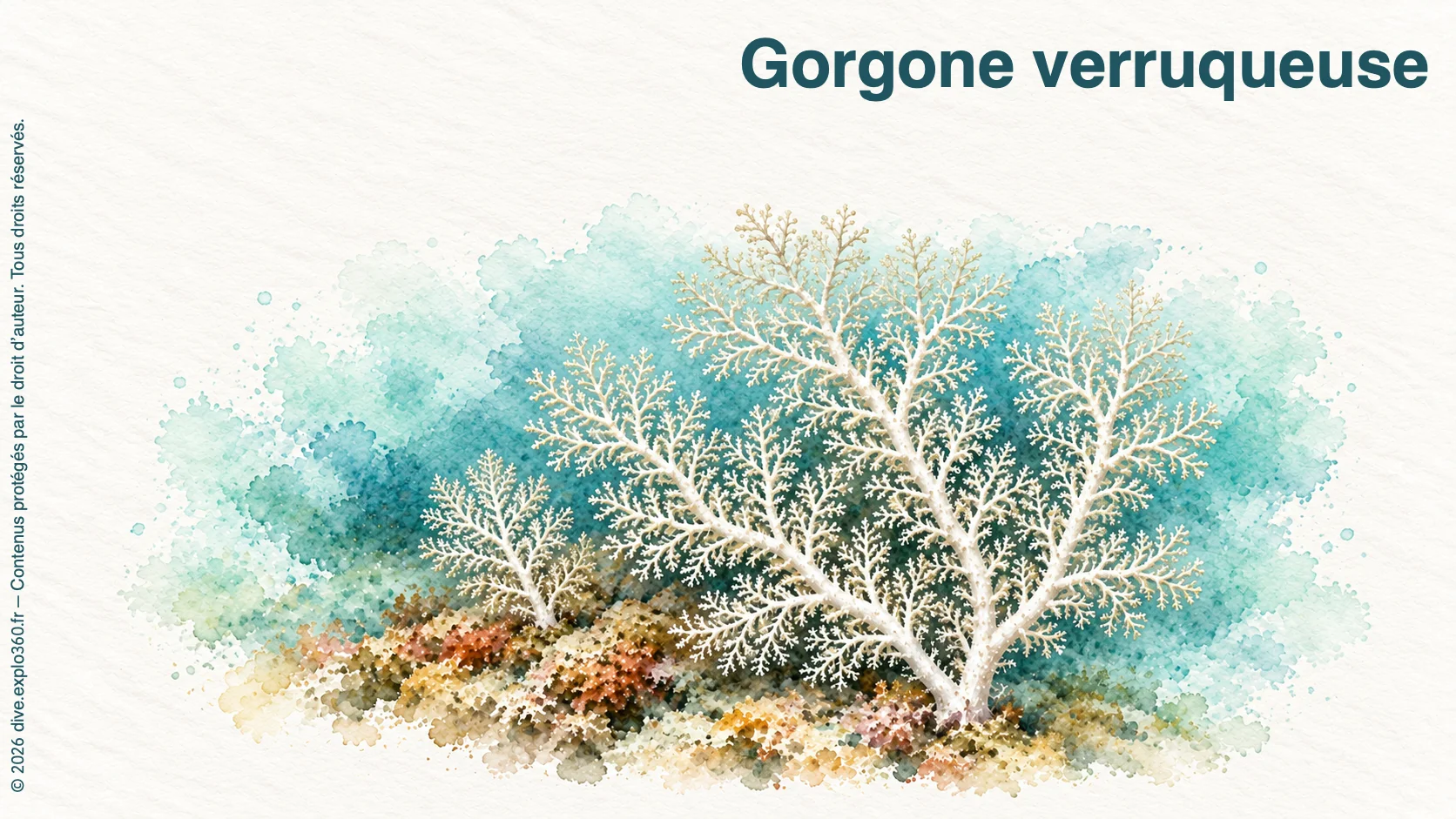
The purple gorgonian (Paramuricea clavata) forms a dense, highly branched fan, generally in one plane. Tones range from red to purple; yellow portions may be part of the natural colouring.

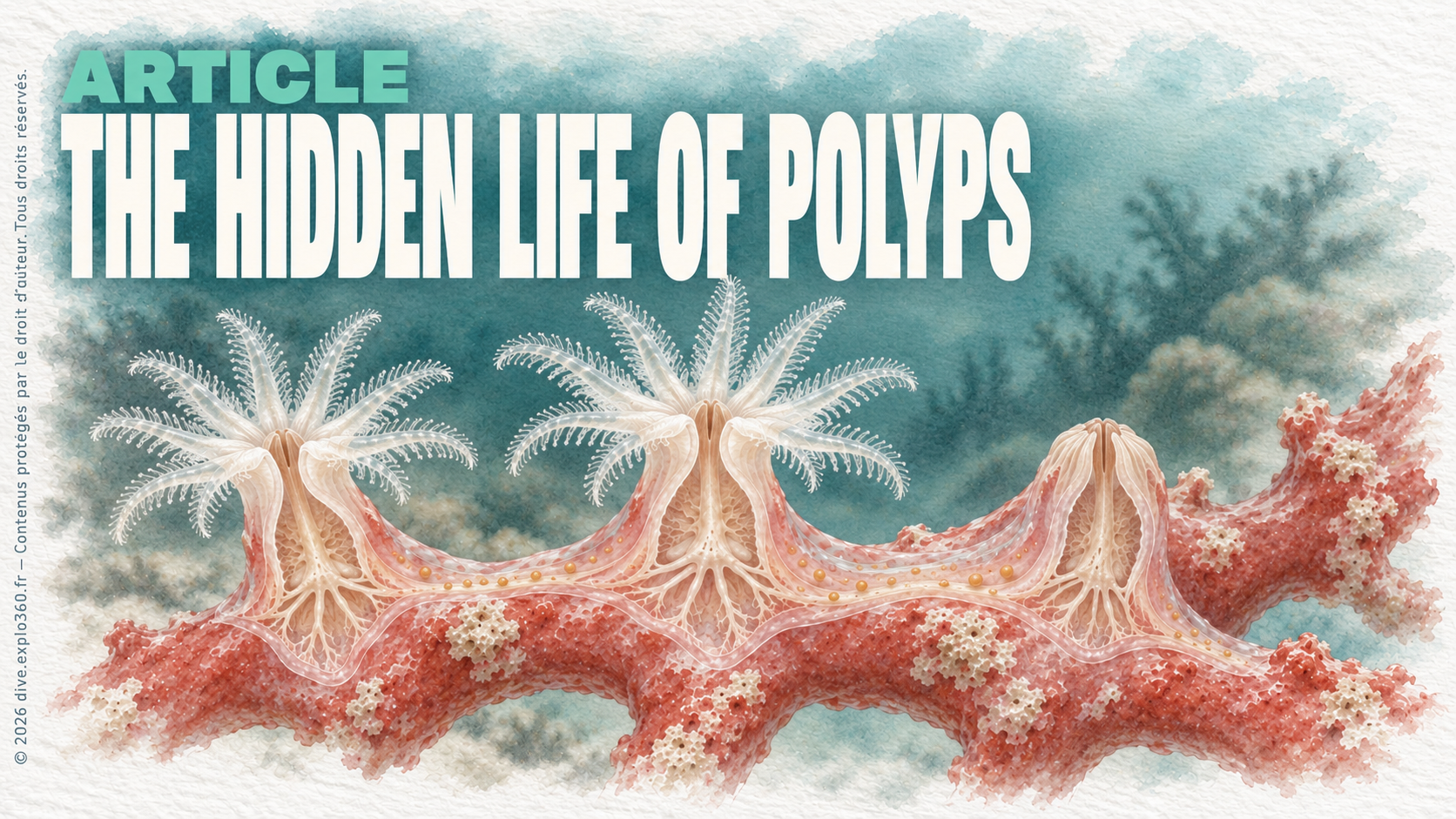
The polyps, the small animals distributed along the twigs, are retractile, able to withdraw into the branch. Their extension or withdrawal changes how bushy the framework looks.

GO FURTHER WITH AMIGANSEAU

Unlock the full profile

Deepen your knowledge with the exclusive chapters and interactive resources included in an AMIGANSEAU licence.

Choose my licence
  • WHERE DOES IT LIVE?
  • WHAT DOES IT EAT?
  • HOW DOES IT REPRODUCE?
  • OUR OBSERVATIONS
  • ARTICLE

Also included in the full profile

  • Advanced navigation between description, ecological context, observations and behaviour
  • Interactive food chain to explore the species’ feeding relationships
  • Infographic and illustrated summary profile
  • Additional photographic observations
An active licence gives access to enriched profiles and AMIGANSEAU exploration tools.
Red gorgonian

Understand the species

What is this species’ ecological role?

AMIGANSEAU Explorer Premium

Access enriched species profiles with advanced content (audio, infographics and detailed articles).

Explore all species easily through a single interface.

Enjoy a smooth, fast learning experience suited to every level.

🔒 The full profile is available with a paid subscription only.

Discover licences

POURSUIVRE L’EXPLORATION

Articles related to this species

ArticleThe Hidden Life of Polyps: How Does a Colony Work?Read the article →ArticleNaturalist diving and marine biologyRead the article →