Partners and information

Contact us

Verification code

Red gorgonian

Distribution : Mediterranean · Atlantic Ocean

Long ago, people collected nature's most curious treasures: shells, stones and dried sea creatures. They displayed them in cabinets of curiosities. In Nice, gorgonians became part of natural history collections. One of the species studied along this coast was the red gorgonian, with branches that look like those of a little tree.

Habitat of Red gorgonian Habitat
Wreck, Rocky habitat, Coralligenous habitat
Depth range of Red gorgonian Depth
8-110 m
Biological group of Red gorgonian Group
Ecological role of Red gorgonian Role
Filter feeder, Ecosystem engineer

Average size

65 cm

WHAT DOES IT LOOK LIKE?

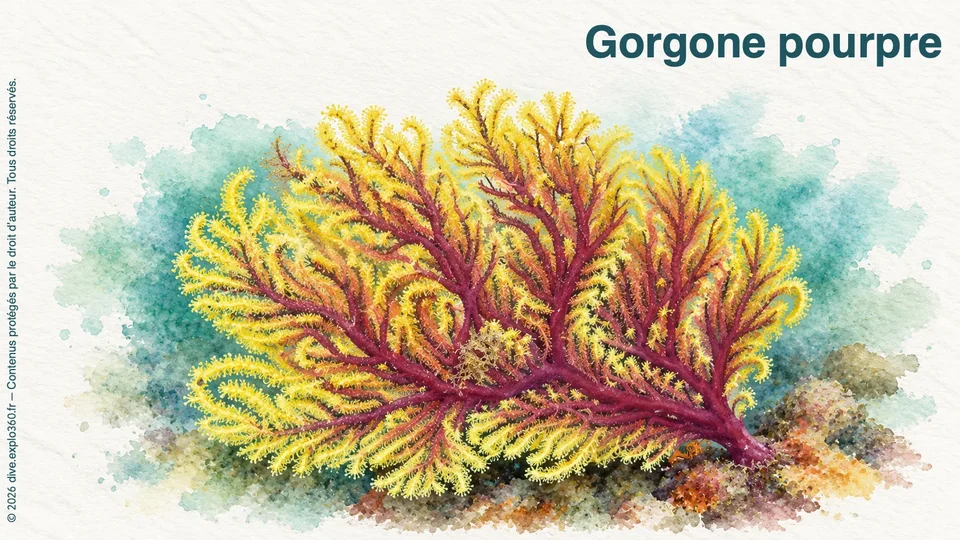
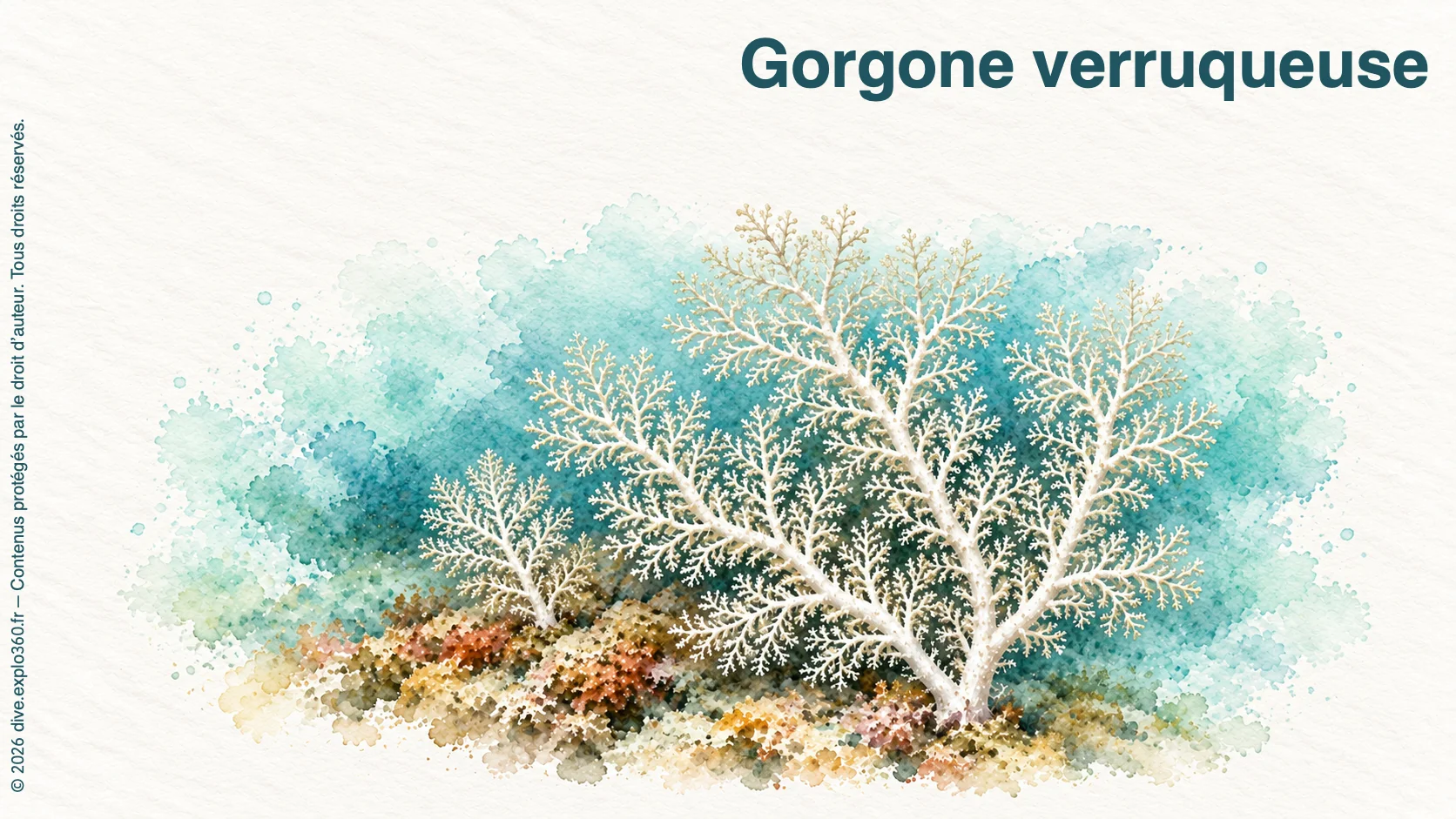
The purple gorgonian spreads a densely branched fan in red to purple. Some branches may also be yellow. Small animals living together, the polyps, cover the twigs and give them a bushy appearance when open.

GO FURTHER WITH AMIGANSEAU

Unlock the full profile

Deepen your knowledge with the exclusive chapters and interactive resources included in an AMIGANSEAU licence.

Choose my licence
  • WHERE DOES IT LIVE?
  • WHAT DOES IT EAT?

Also included in the full profile

  • Advanced navigation between description, ecological context, observations and behaviour
  • Interactive food chain to explore the species’ feeding relationships
  • Infographic and illustrated summary profile
  • Additional photographic observations
An active licence gives access to enriched profiles and AMIGANSEAU exploration tools.
Red gorgonian

Understand the species

What is this species’ ecological role?

AMIGANSEAU Explorer Premium

Access enriched species profiles with advanced content (audio, infographics and detailed articles).

Explore all species easily through a single interface.

Enjoy a smooth, fast learning experience suited to every level.

🔒 The full profile is available with a paid subscription only.

Discover licences

POURSUIVRE L’EXPLORATION

Articles related to this species

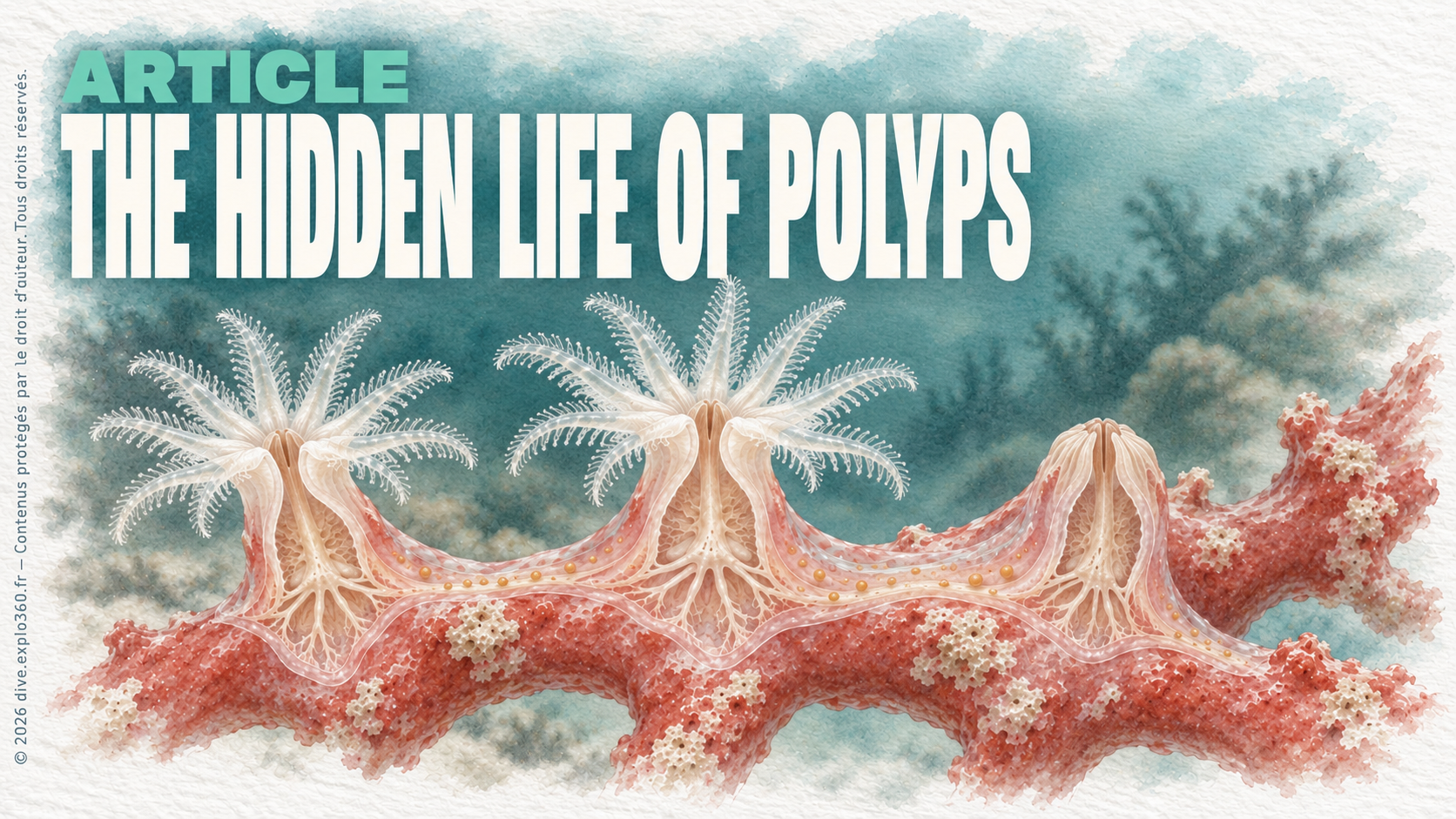
ArticleThe Hidden Life of Polyps: How Does a Colony Work?Read the article →