


Partners and information

Contact us

Verification code

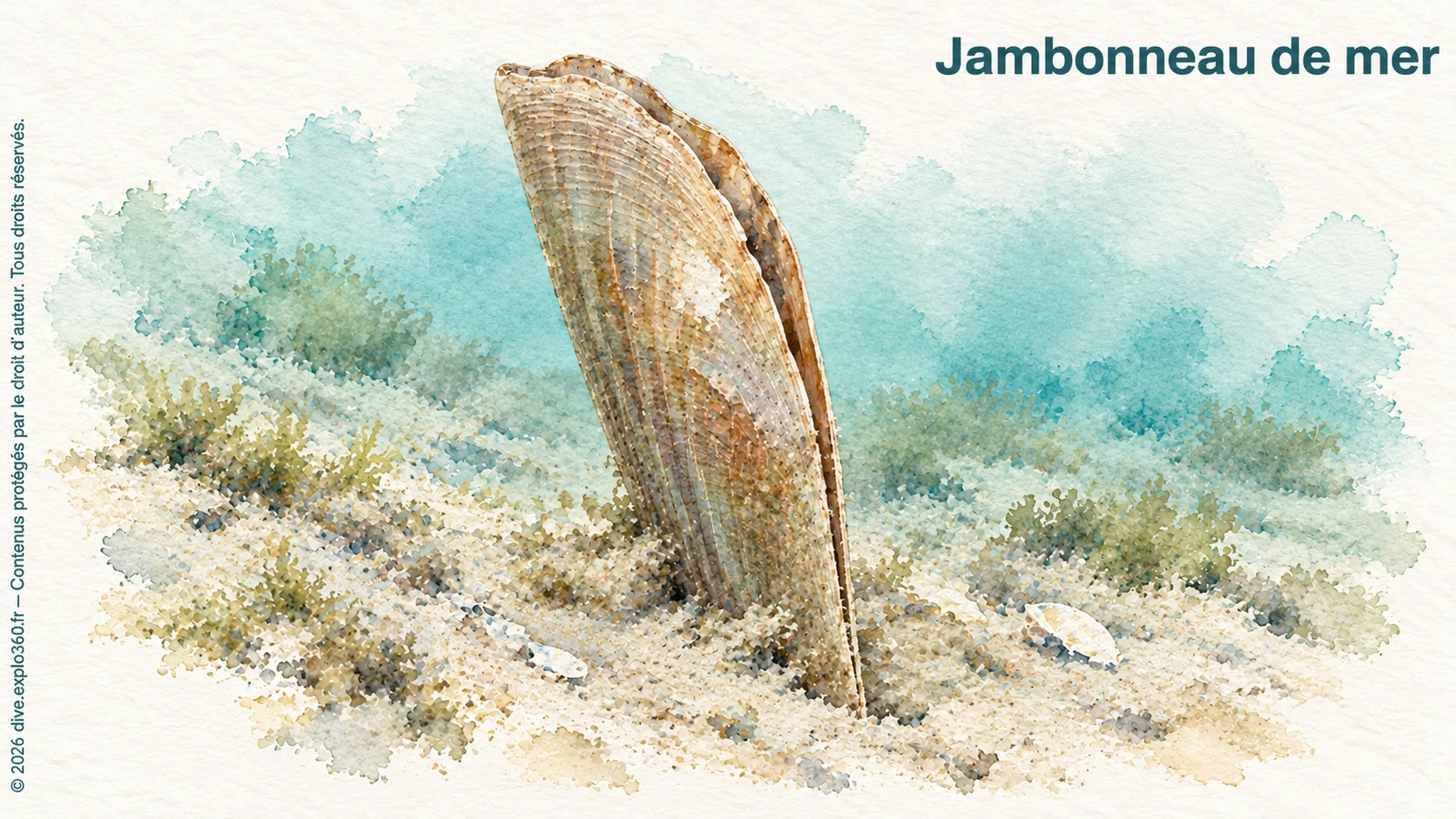
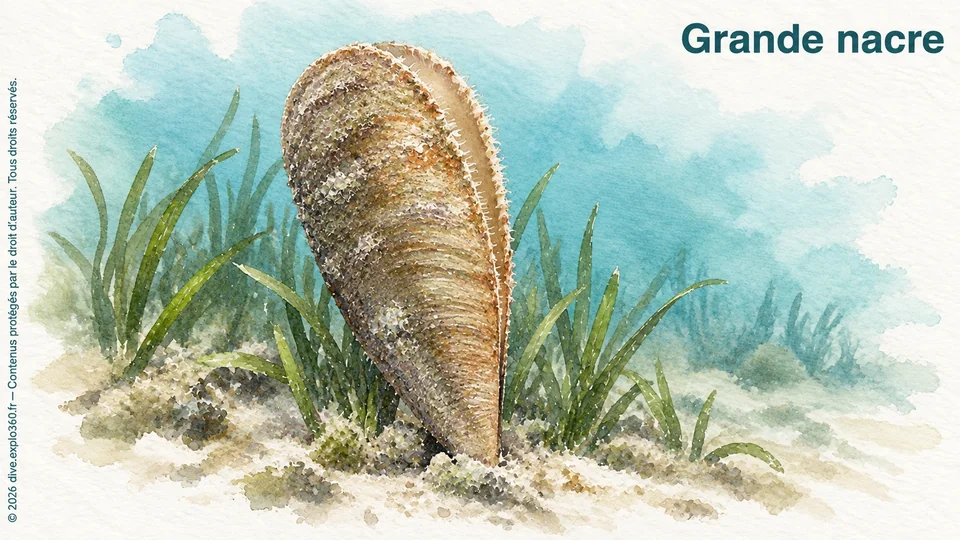
Fan musselProtected

Distribution : Mediterranean

In Taranto and Sardinia, craftspeople once turned the noble pen shell's anchoring threads into a shimmering golden fabric. The fibres had to be cleaned, combed and spun before they could be worked. The rare material was called sea silk. It came neither from sheep nor silkworms, but from a large Mediterranean shellfish.

Images being acquired · Your video or photos here

Habitat of Fan mussel Habitat
Sand, Seagrass meadow
Depth range of Fan mussel Depth
0.5-60 m
Biological group of Fan mussel Group
Ecological role of Fan mussel Role
Filter feeder

Size

Can exceed 1 m

WHAT DOES IT LOOK LIKE?

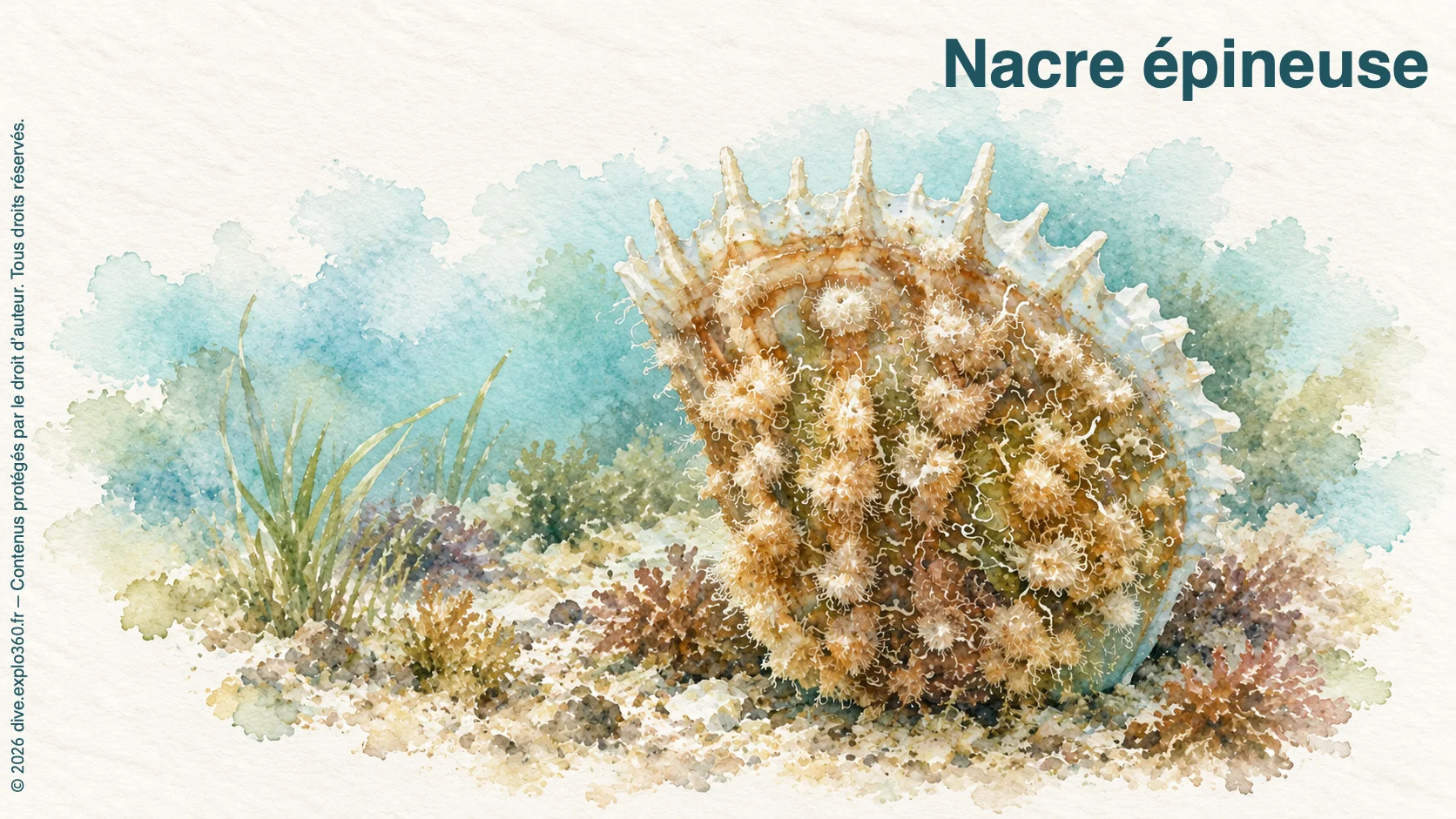
The noble pen shell widens from a narrow point towards a rounded edge. Its two brown valves form a long triangle. Little gutter-shaped projections mark young shells and become less distinct with age.

GO FURTHER WITH AMIGANSEAU

Unlock the full profile

Deepen your knowledge with the exclusive chapters and interactive resources included in an AMIGANSEAU licence.

Choose my licence
  • WHERE DOES IT LIVE?
  • WHAT DOES IT EAT?
  • HOW DOES IT REPRODUCE?
  • OUR OBSERVATIONS

Also included in the full profile

  • Advanced navigation between description, ecological context, observations and behaviour
  • Interactive food chain to explore the species’ feeding relationships
An active licence gives access to enriched profiles and AMIGANSEAU exploration tools.
Fan mussel

Understand the species

What is this species’ ecological role?

AMIGANSEAU Explorer Premium

Access enriched species profiles with advanced content (audio, infographics and detailed articles).

Explore all species easily through a single interface.

Enjoy a smooth, fast learning experience suited to every level.

🔒 The full profile is available with a paid subscription only.

Discover licences

POURSUIVRE L’EXPLORATION

Explore further

ArticleTHE SECRETS OF THE SEAGRASS MEADOWRead the article →ArticleTHE SECRETS OF SANDRead the article →ArticleWhat marine animals do and why it mattersRead the article →