Partners

Contact us

Verification code

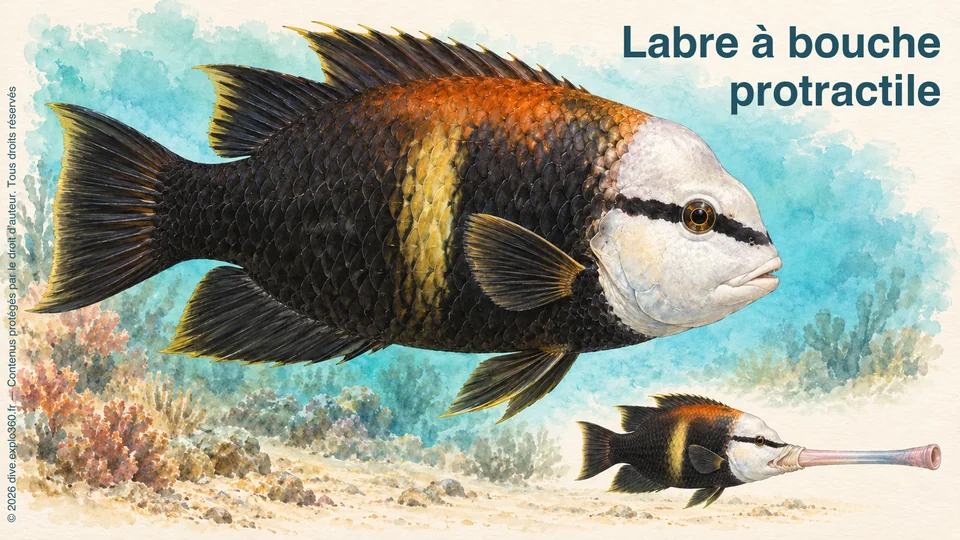
Slingjaw wrasse

Distribution : In the Maldives and Indian Ocean. Also found in the Red Sea. Also found in the tropical Pacific. Also recorded at Raja Ampat.

This reef fish can shoot its mouth forward like a long tube to swallow small prey. Males with dark bodies and white heads look very different from females, which may be bright yellow.

Images being acquired · Your video or photos here

Habitat of Slingjaw wrasse Habitat
Coral reef, Rocky habitat
Depth range of Slingjaw wrasse Depth
1-42 m
Biological group of Slingjaw wrasse Group
Ecological role of Slingjaw wrasse Role
Predator

Size

Up to 54 cm

Good to know

Observe without touching or feeding animals and keep clear of the coral.

WHAT DOES IT LOOK LIKE?

Large males have white heads, orange backs and dark bodies. Females may be yellow or brown, while young fish have pale stripes. A dark line crosses the eye. Its mouth folds under the head but can suddenly stretch forward.

GO FURTHER WITH AMIGANSEAU

Unlock the full profile

Deepen your knowledge with the exclusive chapters and interactive resources included in an AMIGANSEAU licence.

Subscribing to Dive.Explo360 means supporting a different way to discover marine life.

Our independent platform is entirely self-funded and relies solely on subscriptions. Every licence helps us continue our work, create new content, and share what we know about the marine world with as many people as possible.

Starting at €80 per year, your support makes all the difference.
Choose my licence
An active licence gives access to enriched profiles and AMIGANSEAU exploration tools.
Slingjaw wrasse

Understand the species

What is this species’ ecological role?

AMIGANSEAU Explorer Premium

Access enriched species profiles with advanced content (audio, infographics and detailed articles).

Explore all species easily through a single interface.

Enjoy a smooth, fast learning experience suited to every level.

🔒 The full profile is available with a paid subscription only.

Discover licences

POURSUIVRE L’EXPLORATION

Explore further

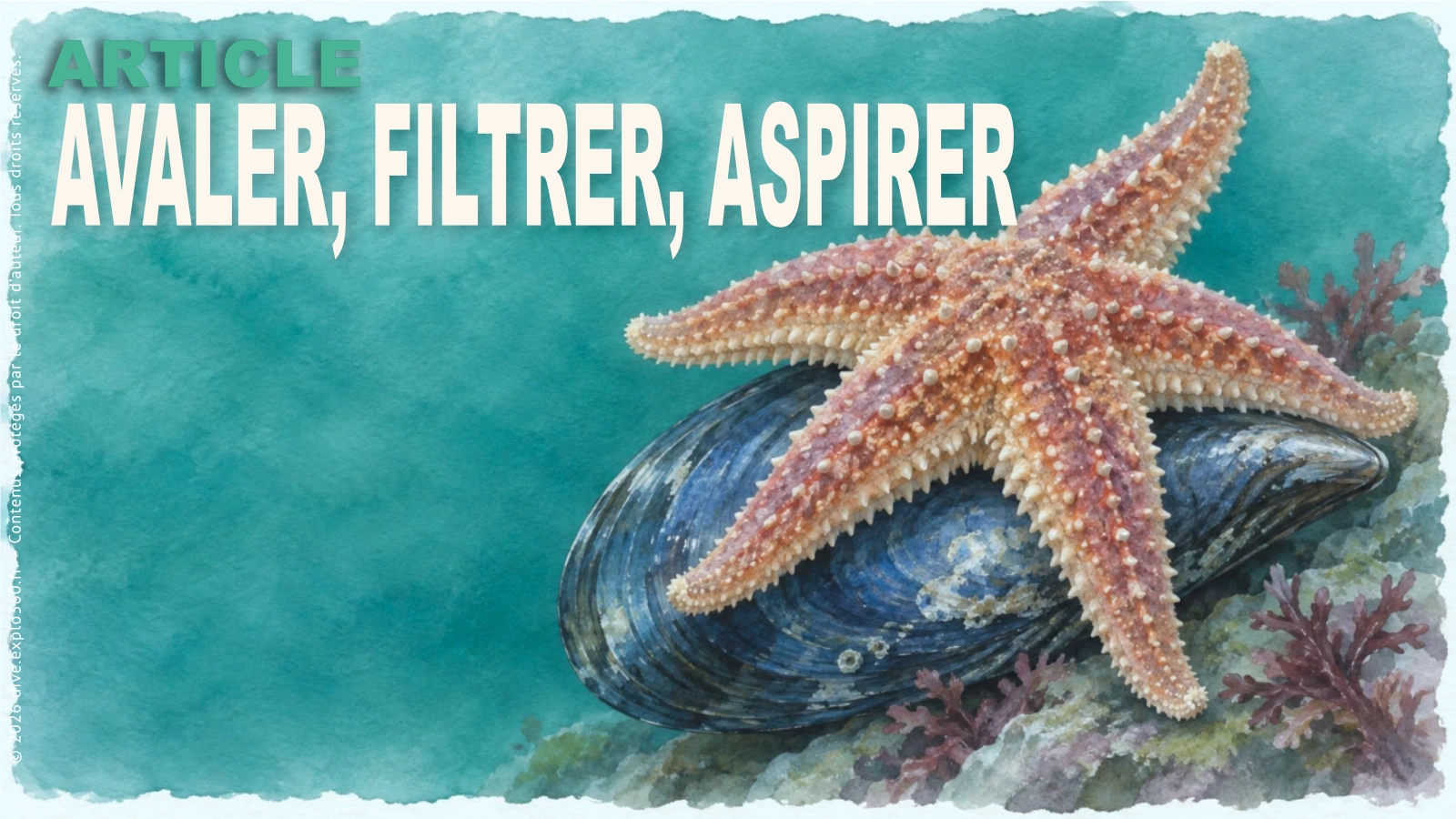
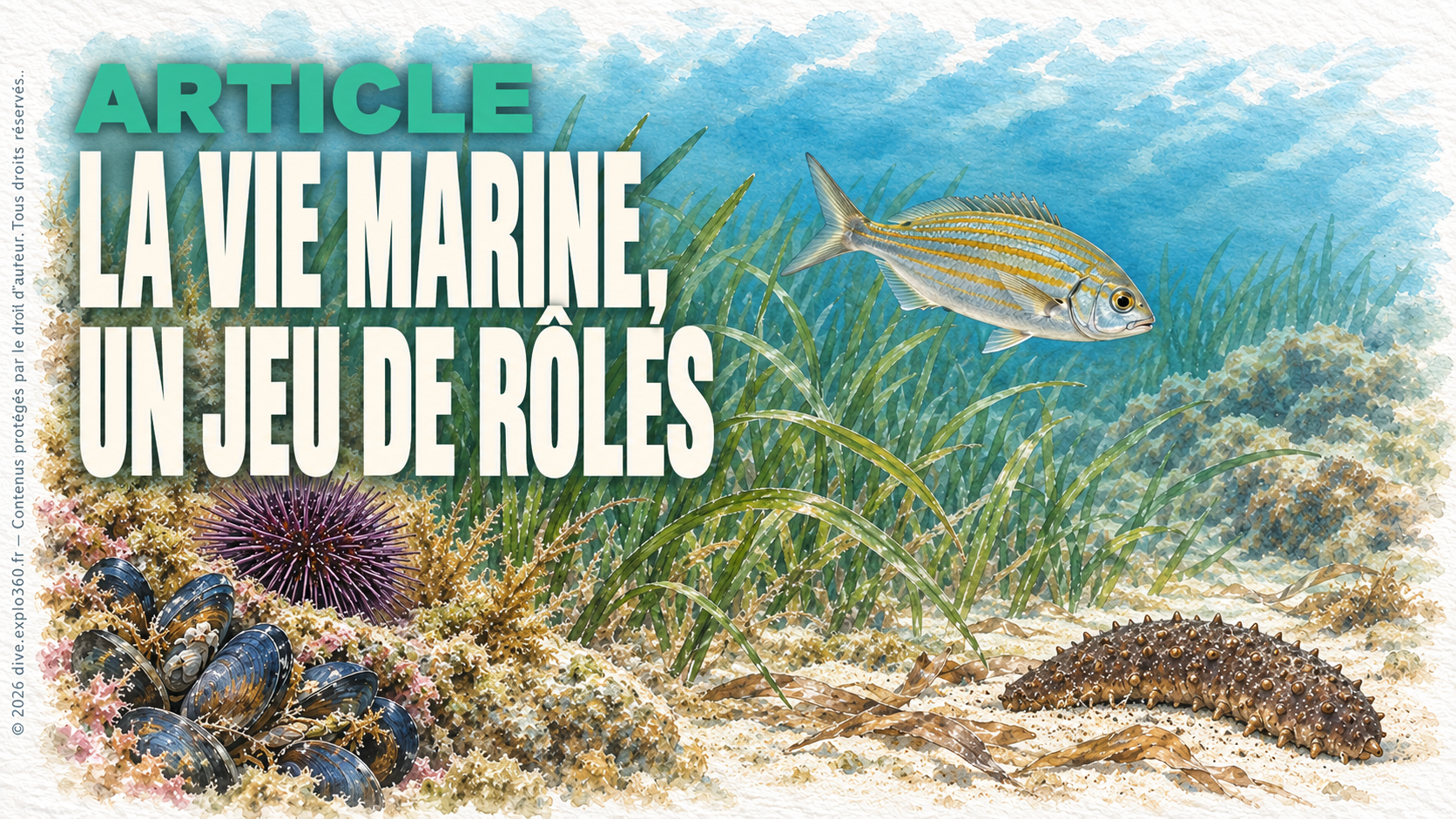
ArticleSwallow, filter, suck in: surprising ways to feedRead the article →ArticleWhat marine animals do and why it mattersRead the article →ArticlePHYLA WITHOUT THE FUSSRead the article →