Partners and information

Contact us

Verification code

Maerl beds

Distribution : Mediterranean · Atlantic Ocean

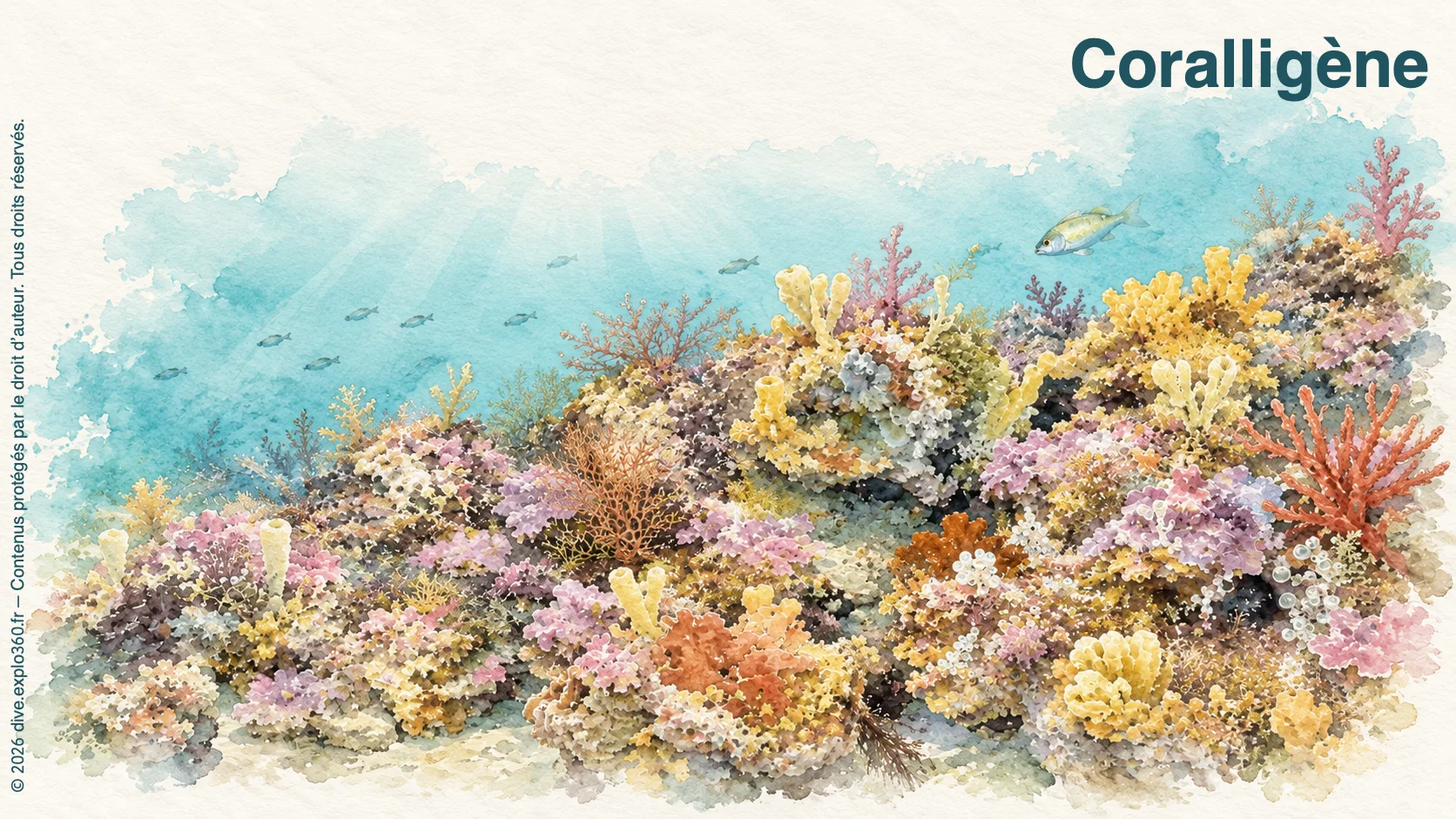
In the 1840s, maerl caused a serious dispute in the Bay of Brest. Farmers wanted to dredge these calcareous algae to improve Brittany’s farmland. The French Navy was concerned about possible damage to already depleted oyster beds. In 1847, the government appointed a commission to examine the competing interests. A marine alga had become the centre of an economic conflict.

Photos being acquired · Your photos here

Habitat of Maerl beds Habitat
Sand, Gravel, Maerl
Depth range of Maerl beds Depth
30-60 m
Biological group of Maerl beds Group
Ecological role of Maerl beds Role
Primary producer, Ecosystem engineer

WHAT DOES IT LOOK LIKE?

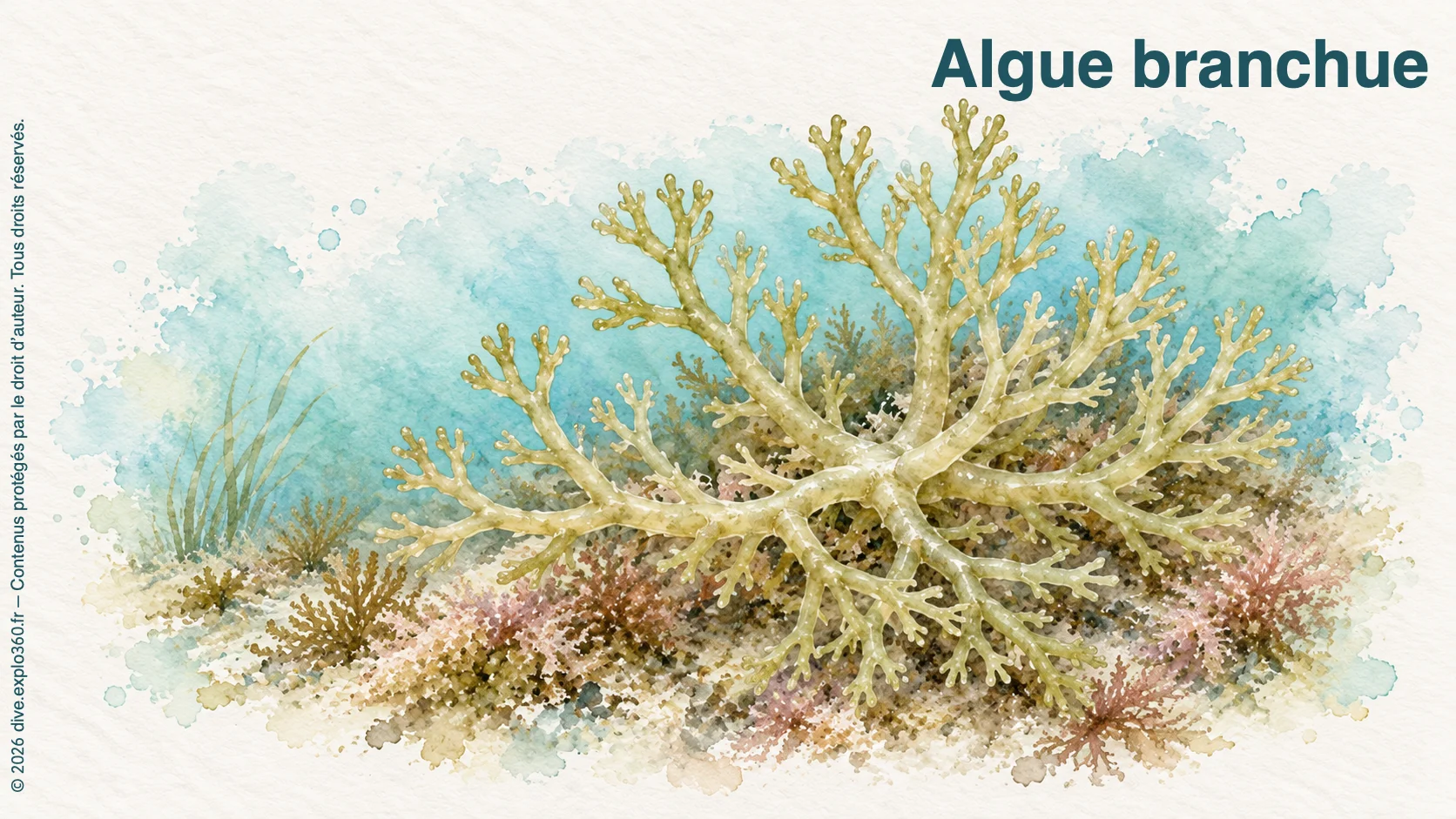
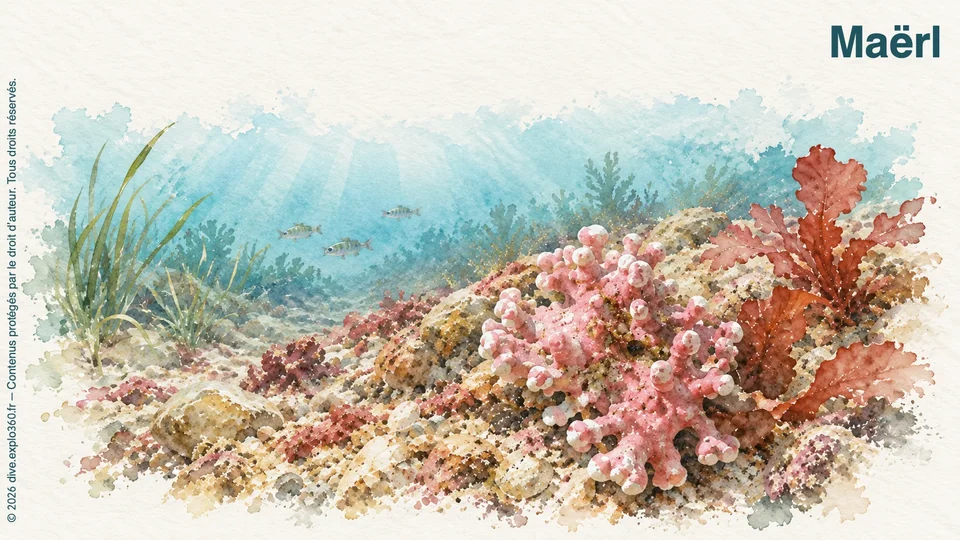
Maerl’s little branches look like pink to violet stones. Their hardness comes from limestone-like mineral material present in these algae.

They remain loose, with no base attached to a support. Maerl includes several similar-looking algae; dead pieces turn white.

GO FURTHER WITH AMIGANSEAU

Unlock the full profile

Deepen your knowledge with the exclusive chapters and interactive resources included in an AMIGANSEAU licence.

Choose my licence
  • WHERE DOES IT LIVE?
  • WHAT DOES IT EAT?
  • HOW DOES IT REPRODUCE?
  • OUR OBSERVATIONS

Also included in the full profile

  • Advanced navigation between description, ecological context, observations and behaviour
  • Interactive food chain to explore the species’ feeding relationships
  • Infographic and illustrated summary profile
An active licence gives access to enriched profiles and AMIGANSEAU exploration tools.
Maerl beds

Understand the species

What is this species’ ecological role?

AMIGANSEAU Explorer Premium

Access enriched species profiles with advanced content (audio, infographics and detailed articles).

Explore all species easily through a single interface.

Enjoy a smooth, fast learning experience suited to every level.

🔒 The full profile is available with a paid subscription only.

Discover licences

POURSUIVRE L’EXPLORATION

Articles related to this species

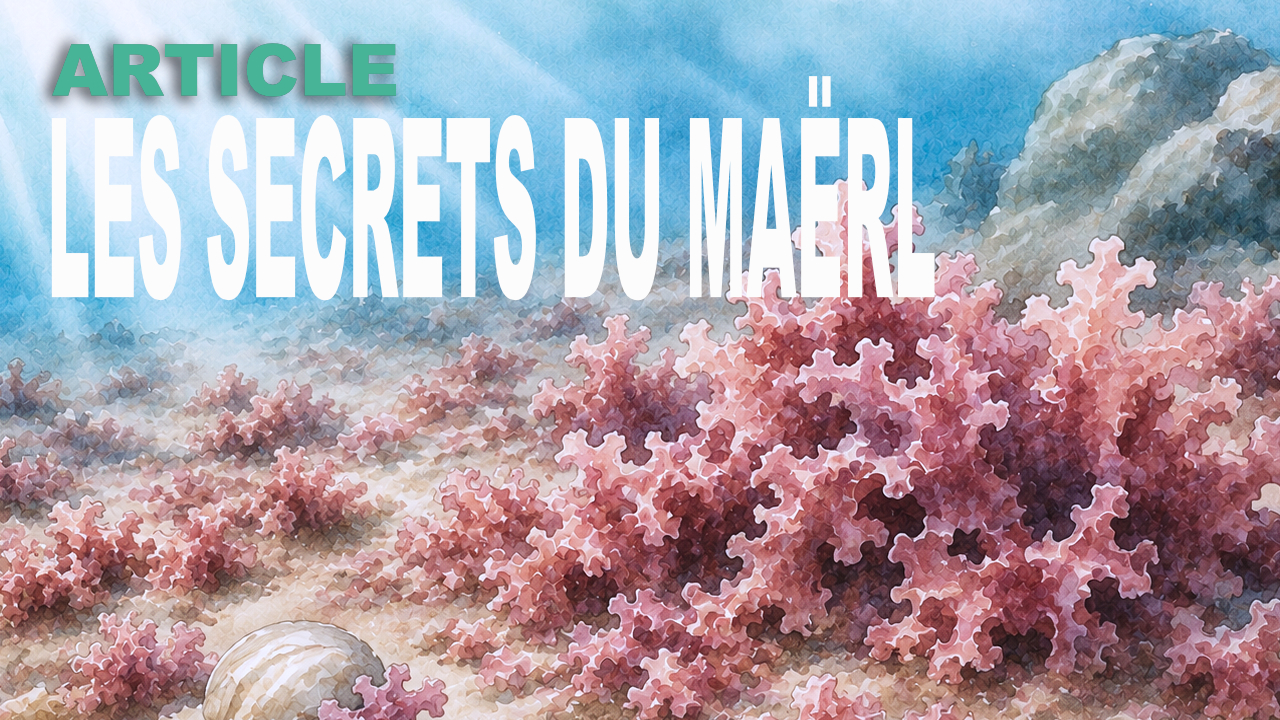
ArticleTHE SECRETS OF MAERLRead the article →