Partners and information

Contact us

Verification code

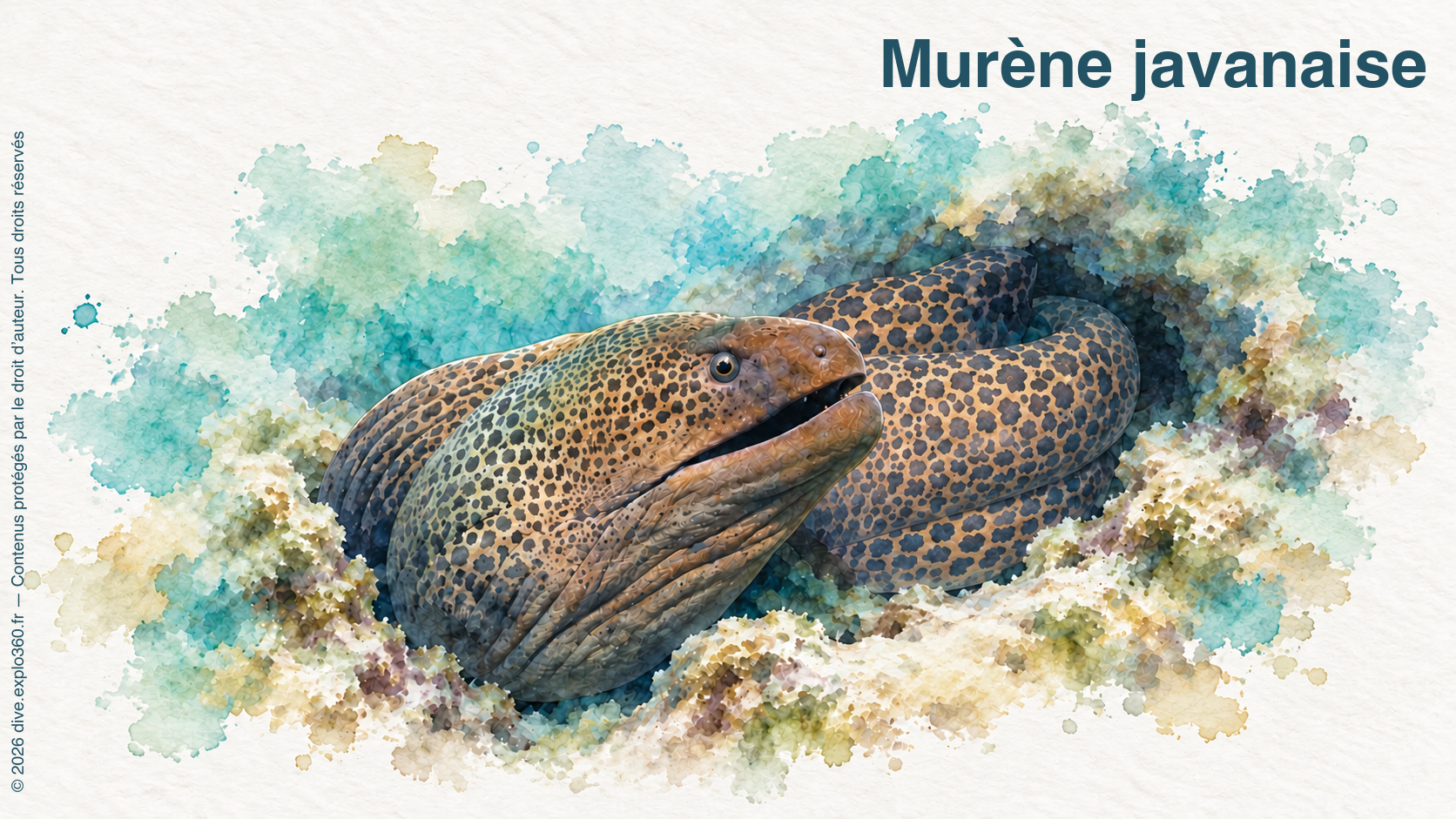
Tessellate moray

Distribution : Indian Ocean and tropical western Pacific.

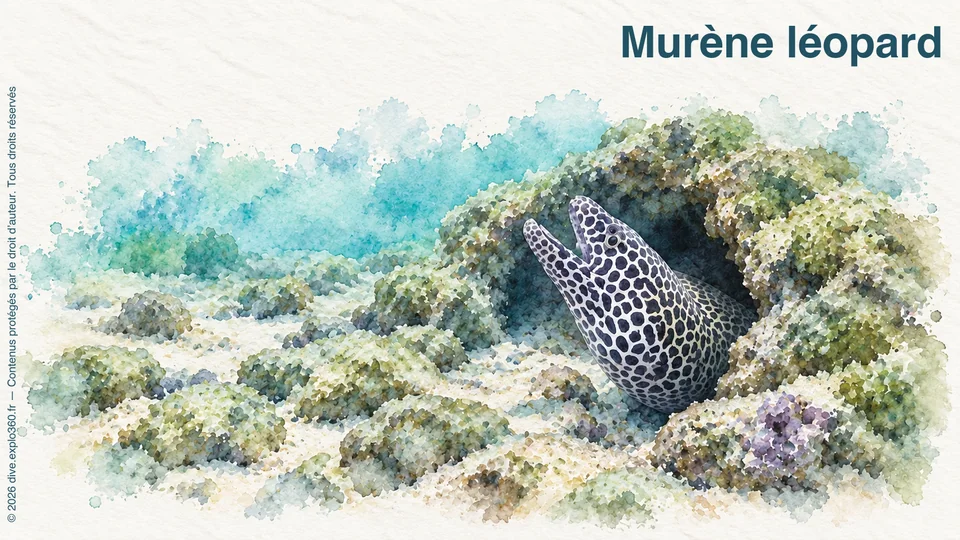
The FAO's guide to Kenya's marine fishes records “mkunga chui” as a local name for the laced moray. The Swahili word “chui” means “leopard”. English common names favour other comparisons, particularly honeycomb and lace. Each name picks out a different resemblance in the same patterned skin.

Photos being acquired · Your photos here

Habitat of Tessellate moray Habitat
Coral reef, Rocky habitat
Depth range of Tessellate moray Depth
1-50 m
Biological group of Tessellate moray Group
Ecological role of Tessellate moray Role
Large predator

Size

Up to about 1.8 m in museum references

Precautions

Its teeth can cause a serious bite if it is handled, hand-fed or disturbed inside a cavity. Keep the entrance to its shelter clear and hands out of cracks.

WHAT DOES IT LOOK LIKE?

The laced moray (“Gymnothorax favagineus”) has large brown-to-black patches on a pale body. Markings differ between individuals, and spots may become more numerous as the fish grows. Its elongated body lacks pectoral fins, the side fins found on many other fishes. It can reach three metres in length.

GO FURTHER WITH AMIGANSEAU

Unlock the full profile

Deepen your knowledge with the exclusive chapters and interactive resources included in an AMIGANSEAU licence.

Choose my licence
  • WHERE DOES IT LIVE?
  • WHAT DOES IT EAT?
  • HOW DOES IT REPRODUCE?
  • OUR OBSERVATIONS
  • ARTICLE

Also included in the full profile

  • Advanced navigation between description, ecological context, observations and behaviour
  • Interactive food chain to explore the species’ feeding relationships
  • Infographic and illustrated summary profile
An active licence gives access to enriched profiles and AMIGANSEAU exploration tools.
Tessellate moray

Understand the species

What is this species’ ecological role?

AMIGANSEAU Explorer Premium

Access enriched species profiles with advanced content (audio, infographics and detailed articles).

Explore all species easily through a single interface.

Enjoy a smooth, fast learning experience suited to every level.

🔒 The full profile is available with a paid subscription only.

Discover licences

POURSUIVRE L’EXPLORATION

Articles related to this species

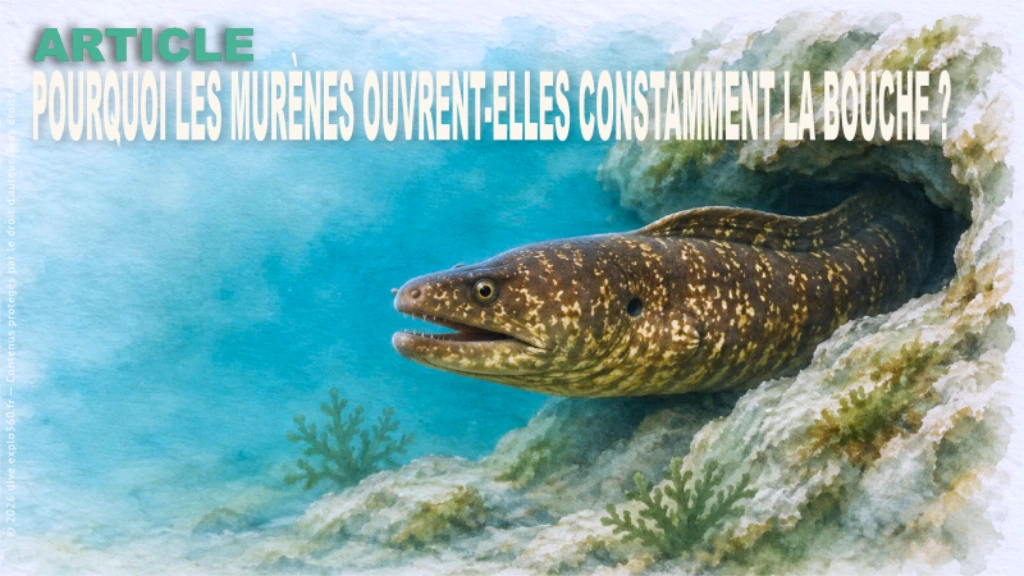
ArticleWhy do morays keep opening their mouths?Read the article →