Partners and information

Contact us

Verification code

Purple sea urchin

Distribution : Mediterranean

Archaeologists found the remains of purple sea urchins in a Roman town buried by a volcano. They were mixed with food scraps in an ancient sewer. This happened almost two thousand years ago in Herculaneum, near Naples. People were already eating the same kind of sea urchin that still lives in the Mediterranean today.

Images being acquired · Your video or photos here

Habitat of Purple sea urchin Habitat
Rocky habitat, Seagrass meadow, Sand, Coralligenous habitat
Depth range of Purple sea urchin Depth
0-80 m
Biological group of Purple sea urchin Group
Ecological role of Purple sea urchin Role
Herbivore

Size

Test 5–7 cm; spines up to 3 cm

WHAT DOES IT LOOK LIKE?

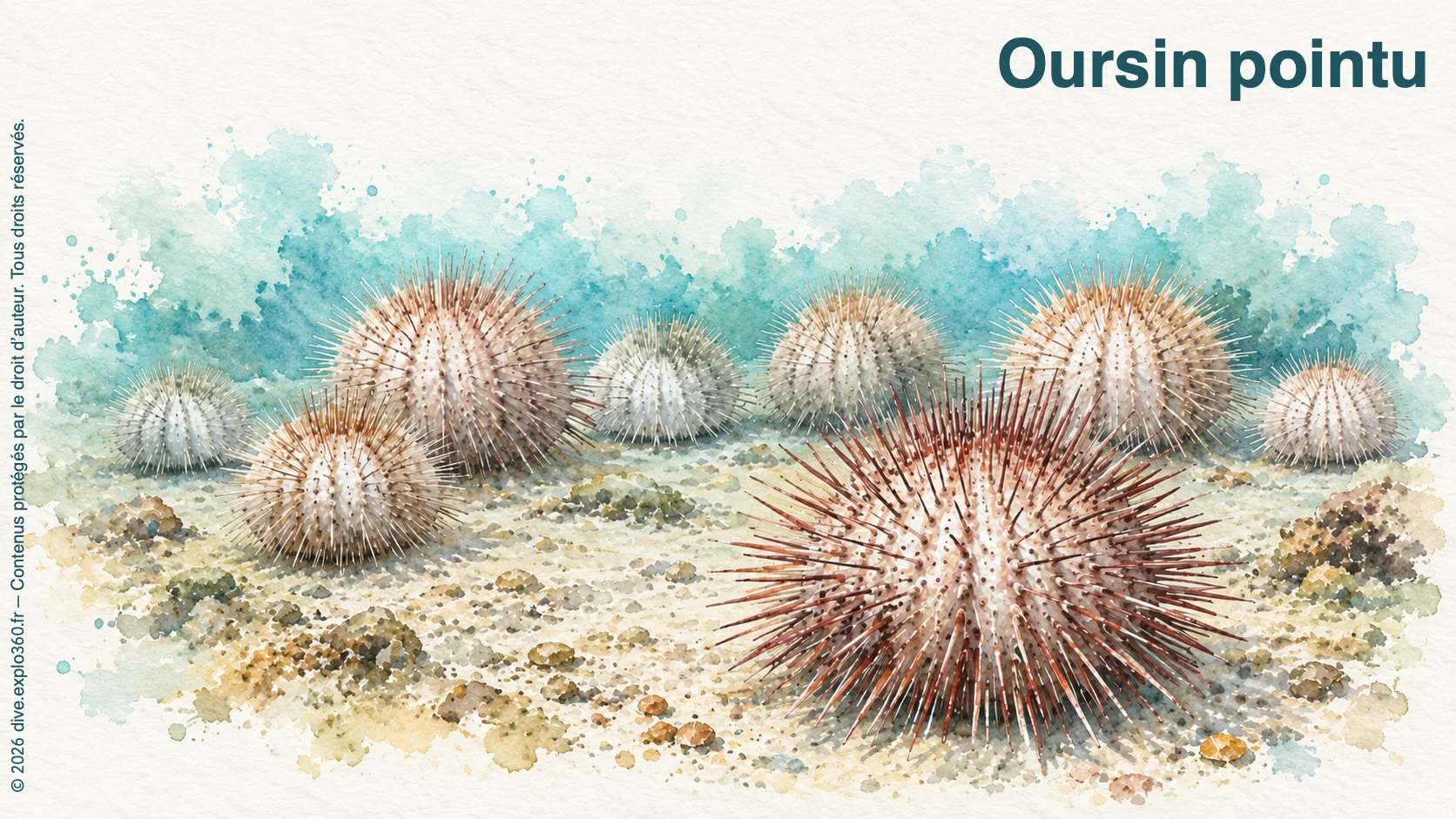
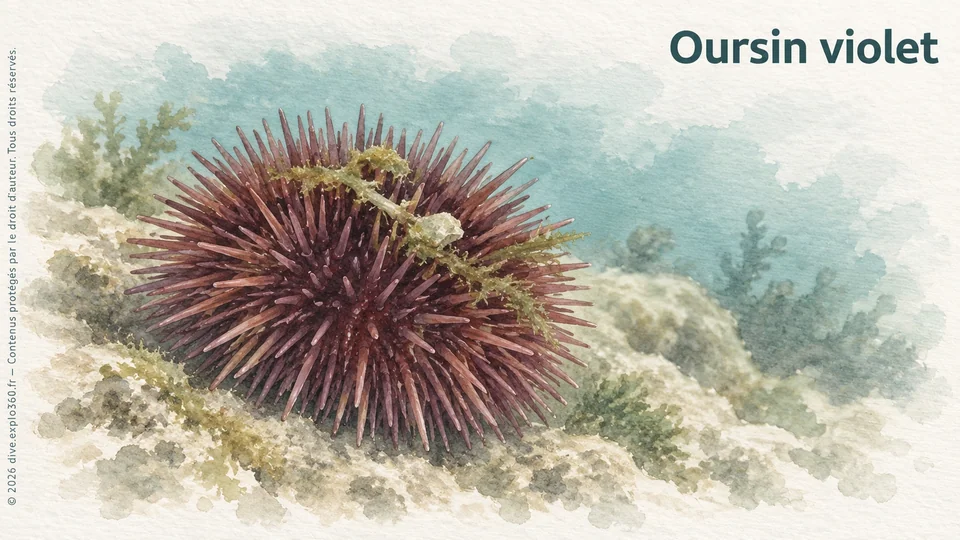
The purple sea urchin is not always purple: it can be brown or olive green. Movable spines cover its rounded body. Its mouth is underneath.

GO FURTHER WITH AMIGANSEAU

Unlock the full profile

Deepen your knowledge with the exclusive chapters and interactive resources included in an AMIGANSEAU licence.

Choose my licence
  • WHERE DOES IT LIVE?
  • WHAT DOES IT EAT?

Also included in the full profile

  • Advanced navigation between description, ecological context, observations and behaviour
  • Interactive food chain to explore the species’ feeding relationships
An active licence gives access to enriched profiles and AMIGANSEAU exploration tools.
Purple sea urchin

Understand the species

What is this species’ ecological role?

AMIGANSEAU Explorer Premium

Access enriched species profiles with advanced content (audio, infographics and detailed articles).

Explore all species easily through a single interface.

Enjoy a smooth, fast learning experience suited to every level.

🔒 The full profile is available with a paid subscription only.

Discover licences

POURSUIVRE L’EXPLORATION

Explore further

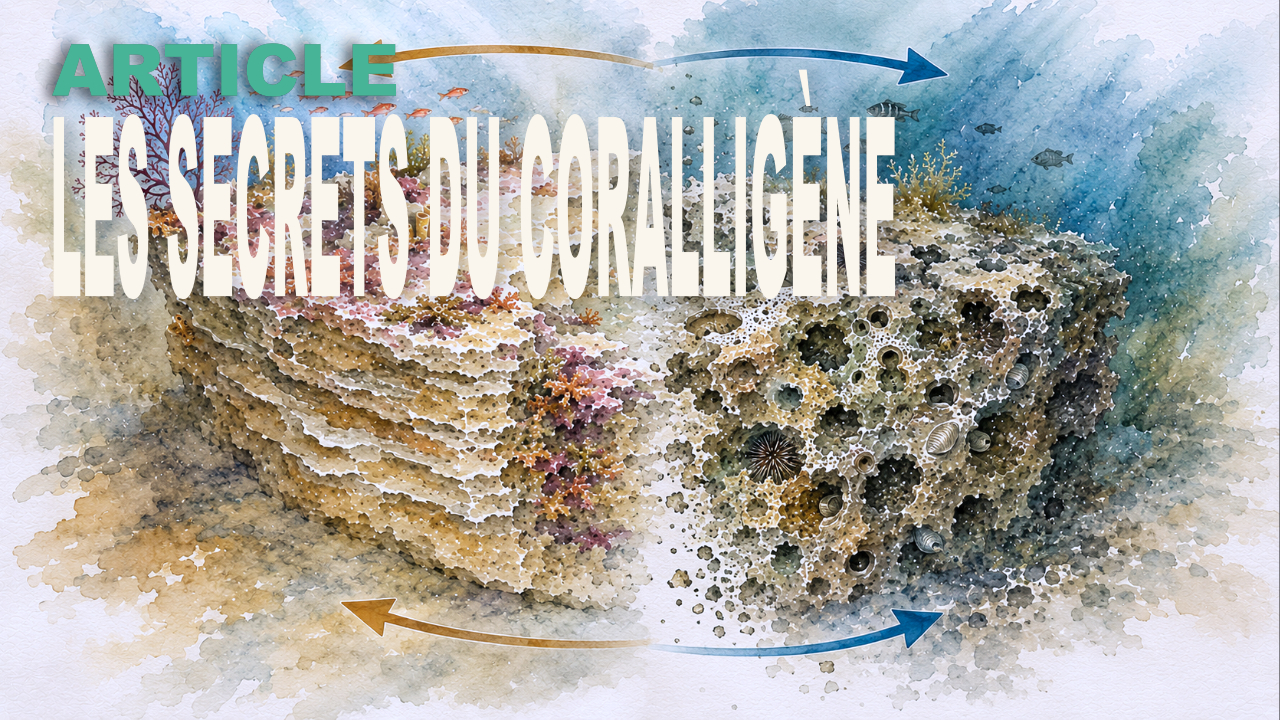
ArticleTHE SECRETS OF THE SEAGRASS MEADOWRead the article →ArticleTHE SECRETS OF SANDRead the article →ArticleTHE SECRETS OF CORALLIGENOUS HABITATSRead the article →