AMIGANSEAU Explorer – Personal
Strictly for private and family use.
This profile is available under the personal licence. Any professional, commercial, association, institutional or training use requires an appropriate licence.
Distribution : Mediterranean, Black Sea and north-eastern Atlantic. Records include French Mediterranean shores and Marseille. Described at 5–200 m in the Mediterranean and down to 300 m in the Atlantic, often encountered at 20–100 m.
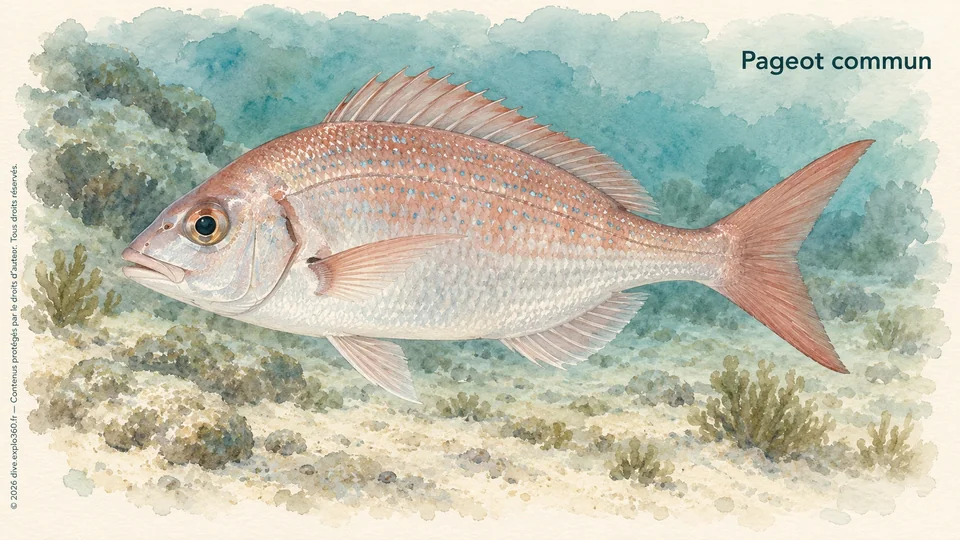
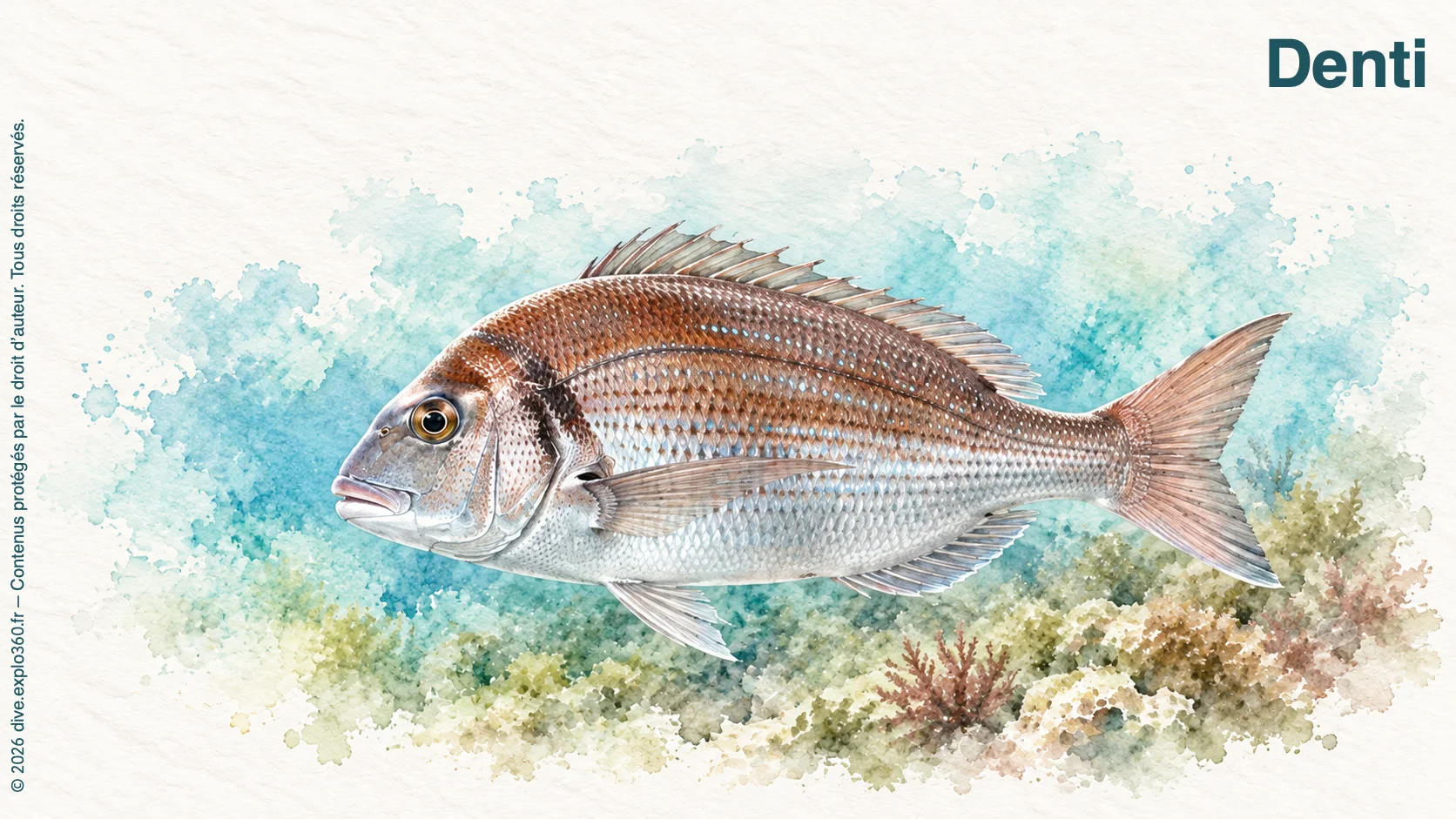
A common pandora can begin life as a female and become a male as it grows. It sounds surprising, but this really happens in this pink Mediterranean fish! Not every common pandora changes sex. It is one of the remarkable ways fish can develop.
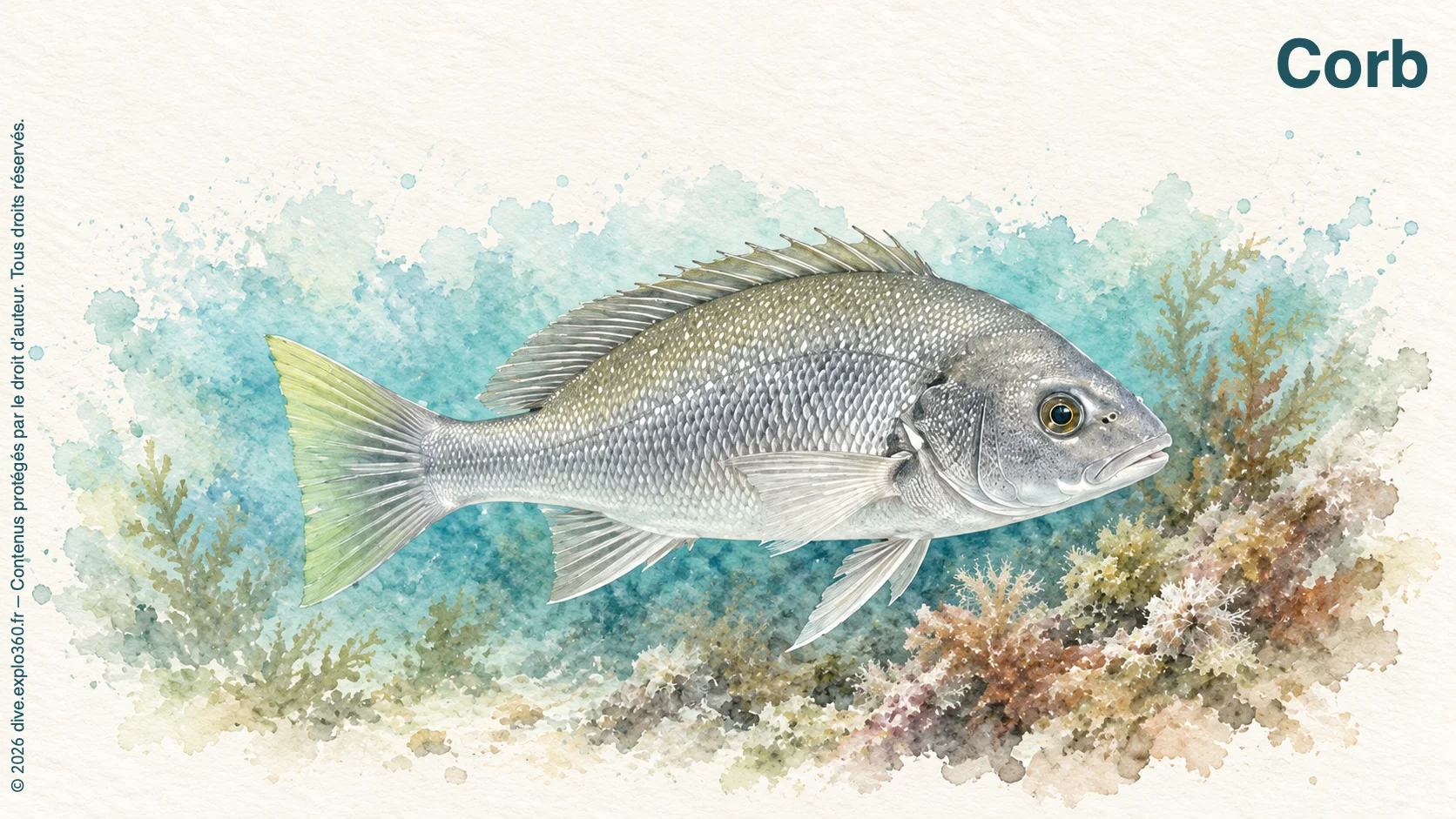
The common pandora is silver with pink reflections. Its snout is pointed and little blue spots sometimes mark the upper body. Its forked tail has no white tips.
GO FURTHER WITH AMIGANSEAU
Unlock the full profile
Deepen your knowledge with the exclusive chapters and interactive resources included in an AMIGANSEAU licence.



 Habitat
 Depth
 Group
 Role
 Size
 Understand the species