Habitat
 Depth
 Group
 Role
 Size
WHAT DOES IT LOOK LIKE?
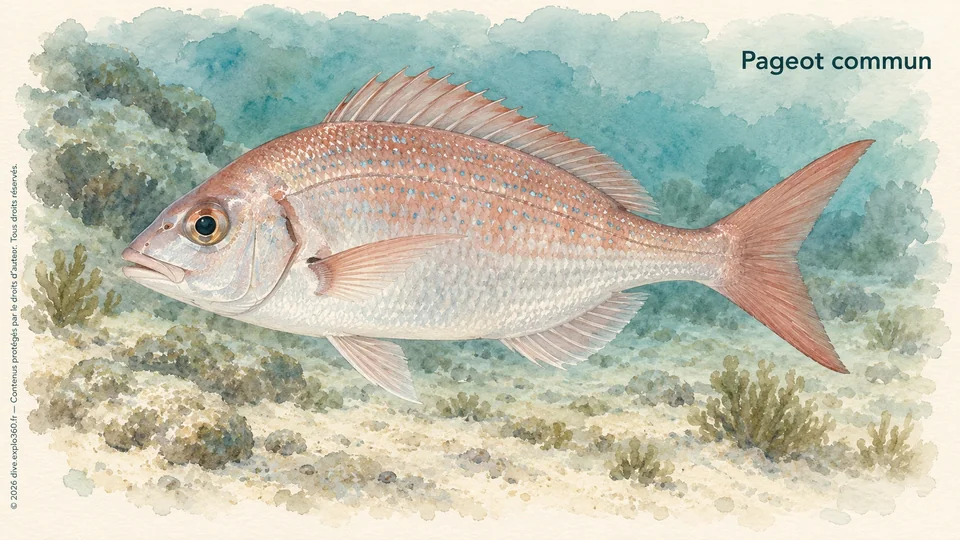
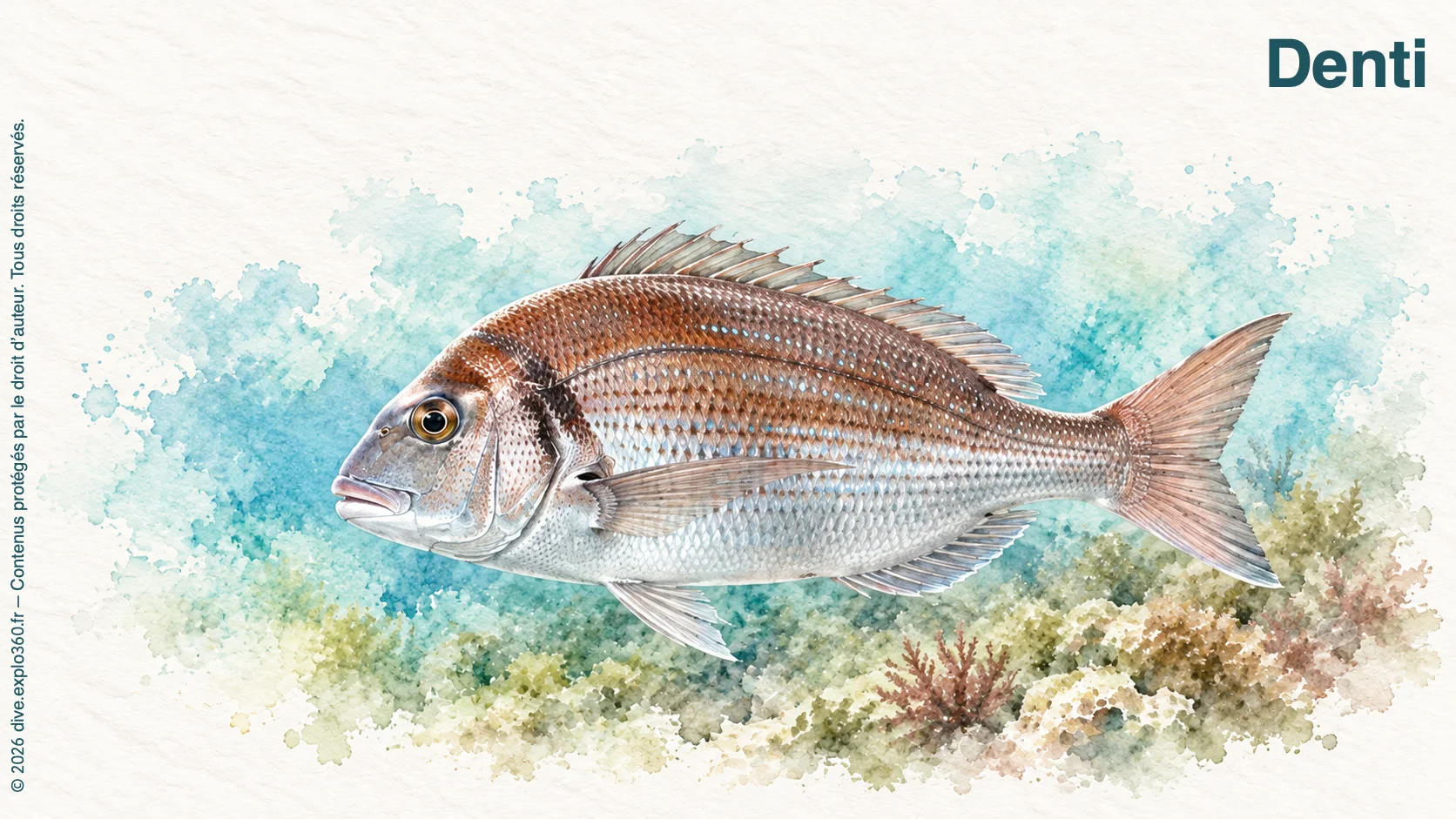
A tapered snout and small eye shape the profile of the common pandora (Pagellus erythrinus). The pinkish-silver body may be dotted with blue on its upper part. A red mark sometimes borders the top of the operculum, the plate covering the gills, and the base of the side fins may be reddish. It commonly measures 15 to 30 cm.
WHERE DOES IT LIVE?
Habitats include rock, gravel, sand and mud, with an affinity for loose ground. It swims near the substrate without necessarily resting on it. It lives at depths of 5–200 metres in the Mediterranean and down to 300 metres in the Atlantic. Young fish generally occur closer to shore than adults, while deeper movement can take place during colder periods. This depth range covers several depths at which to look for the fish.
WHAT DOES IT EAT?
Worms, crustaceans and molluscs are important foods for the common pandora. It takes animals living on or within the seabed and also consumes small fish. Stomach-content studies show that prey importance varies among populations: in some Adriatic areas, invertebrates strongly dominate. Its mouth combines pointed front teeth and molars farther back. The varied diet remains predominantly animal-based.
GO FURTHER WITH AMIGANSEAU
Unlock the full profile
Deepen your knowledge with the exclusive chapters and interactive resources included in an AMIGANSEAU licence.
Subscribing to Dive.Explo360 means supporting a different way to discover marine life.
Our independent platform is entirely self-funded and relies solely on subscriptions. Every licence helps us continue our work, create new content, and share what we know about the marine world with as many people as possible.
Starting at €80 per year, your support makes all the difference.
 Understand the species