Partners and information

Contact us

Verification code

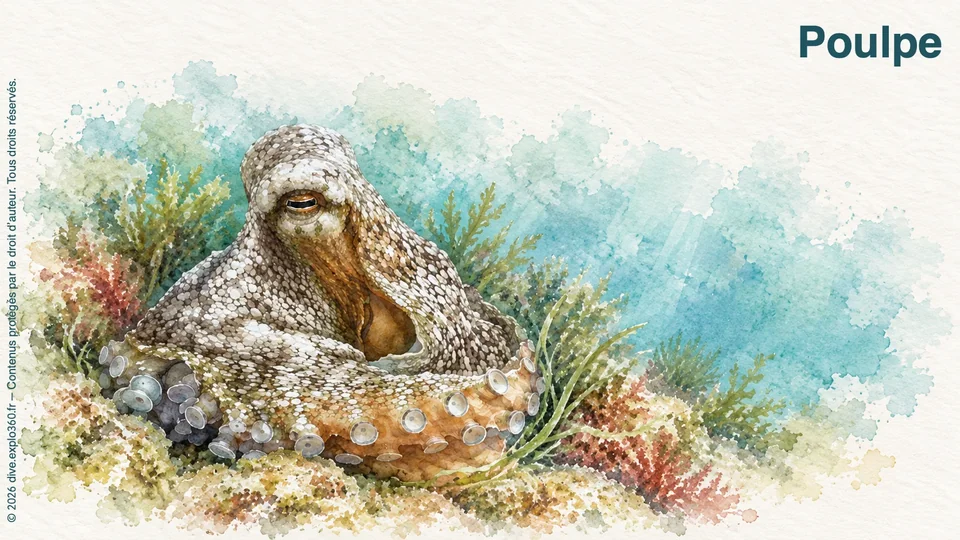
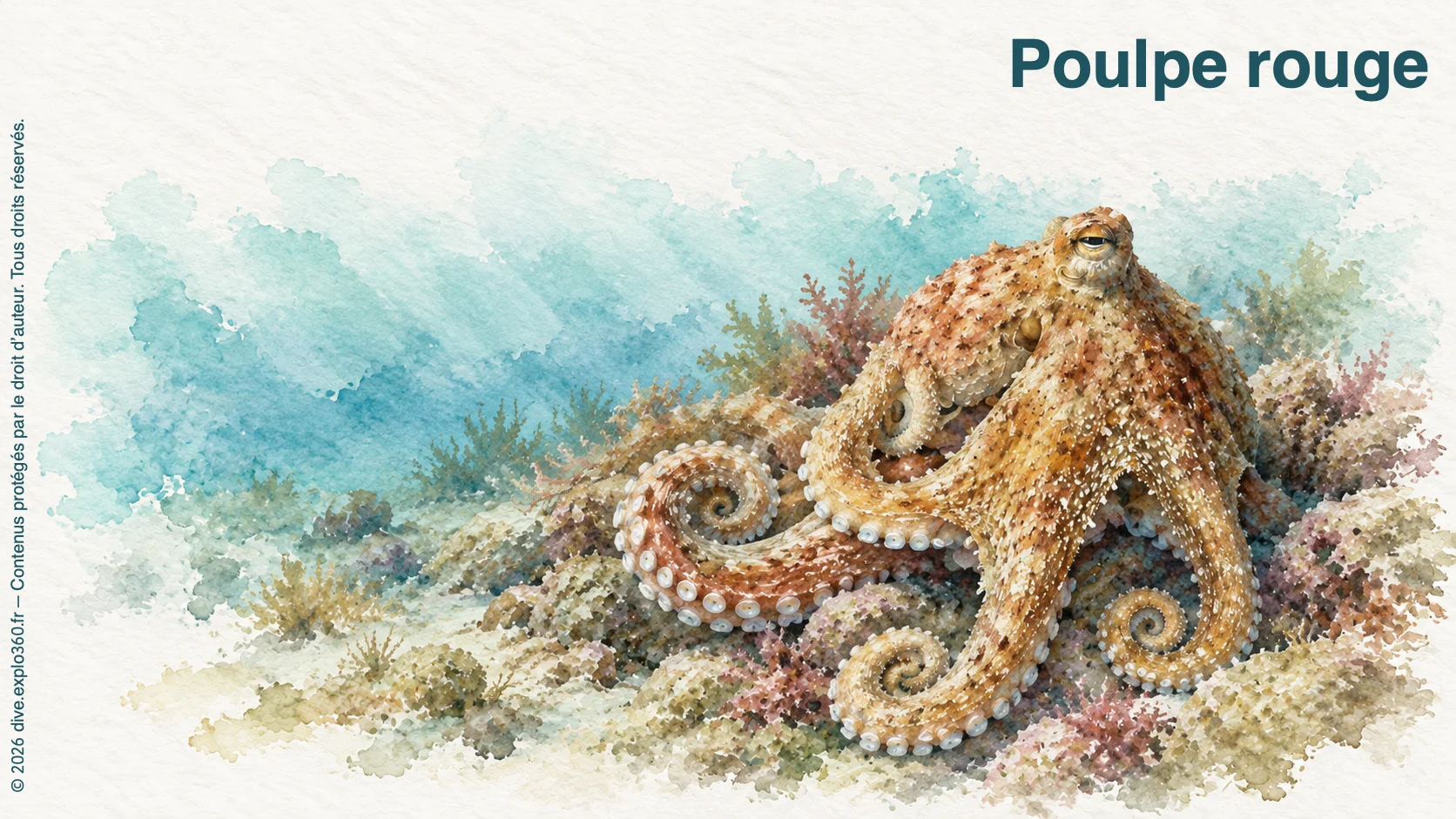
Common octopus

Distribution : Mediterranean · Atlantic Ocean

On a large vase from the palace of Knossos in Crete, an octopus spreads six arms instead of eight. Made around 1450–1400 BCE, the pottery shows how ancient artists adapted marine animals to decorate their objects. The jar, about 75 cm tall, is now kept at the Ashmolean Museum in Oxford.

Habitat of Common octopus Habitat
Sand, Rocky habitat, Coralligenous habitat
Depth range of Common octopus Depth
5-150 m
Biological group of Common octopus Group
Ecological role of Common octopus Role
Predator

Average size

60 cm

Precautions

Its bite can be painful and lead to infection if not properly cleaned.

WHAT DOES IT LOOK LIKE?

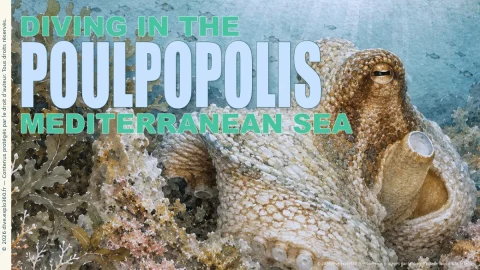
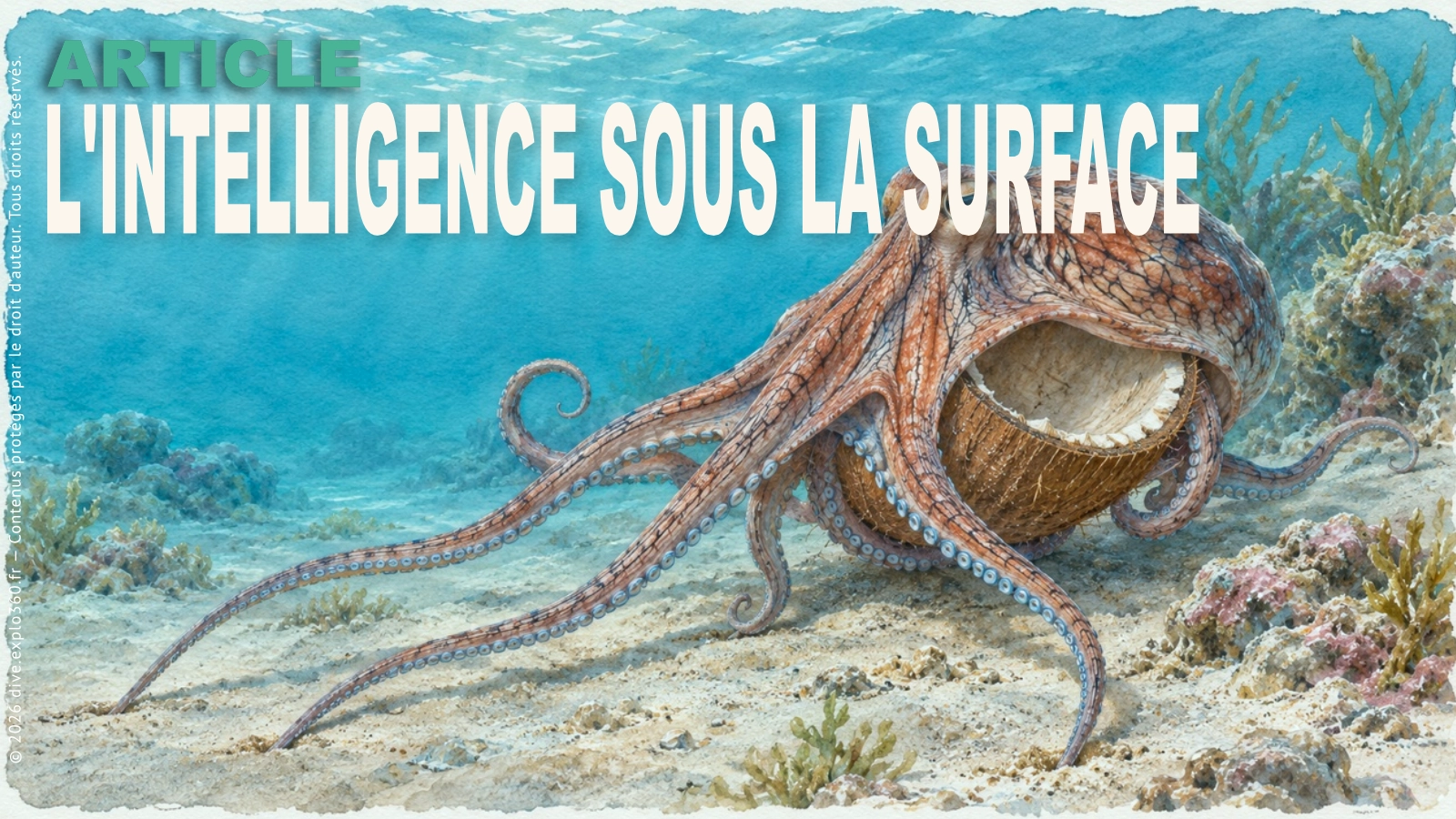
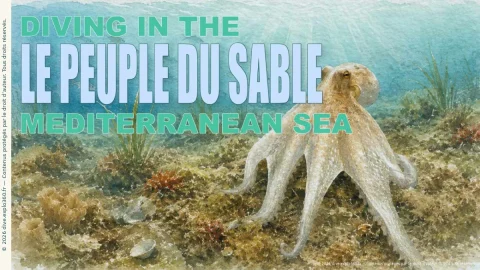
The common octopus spreads eight arms, each lined with two rows of suckers. Behind the head, the body forms a rounded sac.

The skin has no fixed colour. Its shade and surface can change rapidly, appearing smooth or rougher.

GO FURTHER WITH AMIGANSEAU

Unlock the full profile

Deepen your knowledge with the exclusive chapters and interactive resources included in an AMIGANSEAU licence.

Choose my licence
  • WHERE DOES IT LIVE?
  • WHAT DOES IT EAT?
  • HOW DOES IT REPRODUCE?
  • OUR OBSERVATIONS

Also included in the full profile

  • Advanced navigation between description, ecological context, observations and behaviour
  • Interactive food chain to explore the species’ feeding relationships
  • Infographic and illustrated summary profile
  • Additional photographic observations
An active licence gives access to enriched profiles and AMIGANSEAU exploration tools.
Common octopus

Understand the species

What is this species’ ecological role?

AMIGANSEAU Explorer Premium

Access enriched species profiles with advanced content (audio, infographics and detailed articles).

Explore all species easily through a single interface.

Enjoy a smooth, fast learning experience suited to every level.

🔒 The full profile is available with a paid subscription only.

Discover licences

POURSUIVRE L’EXPLORATION

Articles related to this species

ArticlePHYLA WITHOUT THE FUSSRead the article →ArticleLearning and solving problems underwaterRead the article →ArticleMasters of camouflageRead the article →ArticleNaturalist diving and marine biologyRead the article →ArticleWhen the Sea Comes Alive at NightRead the article →