Partners and information

Contact us

Verification code

White-spotted octopus

Distribution : Mediterranean

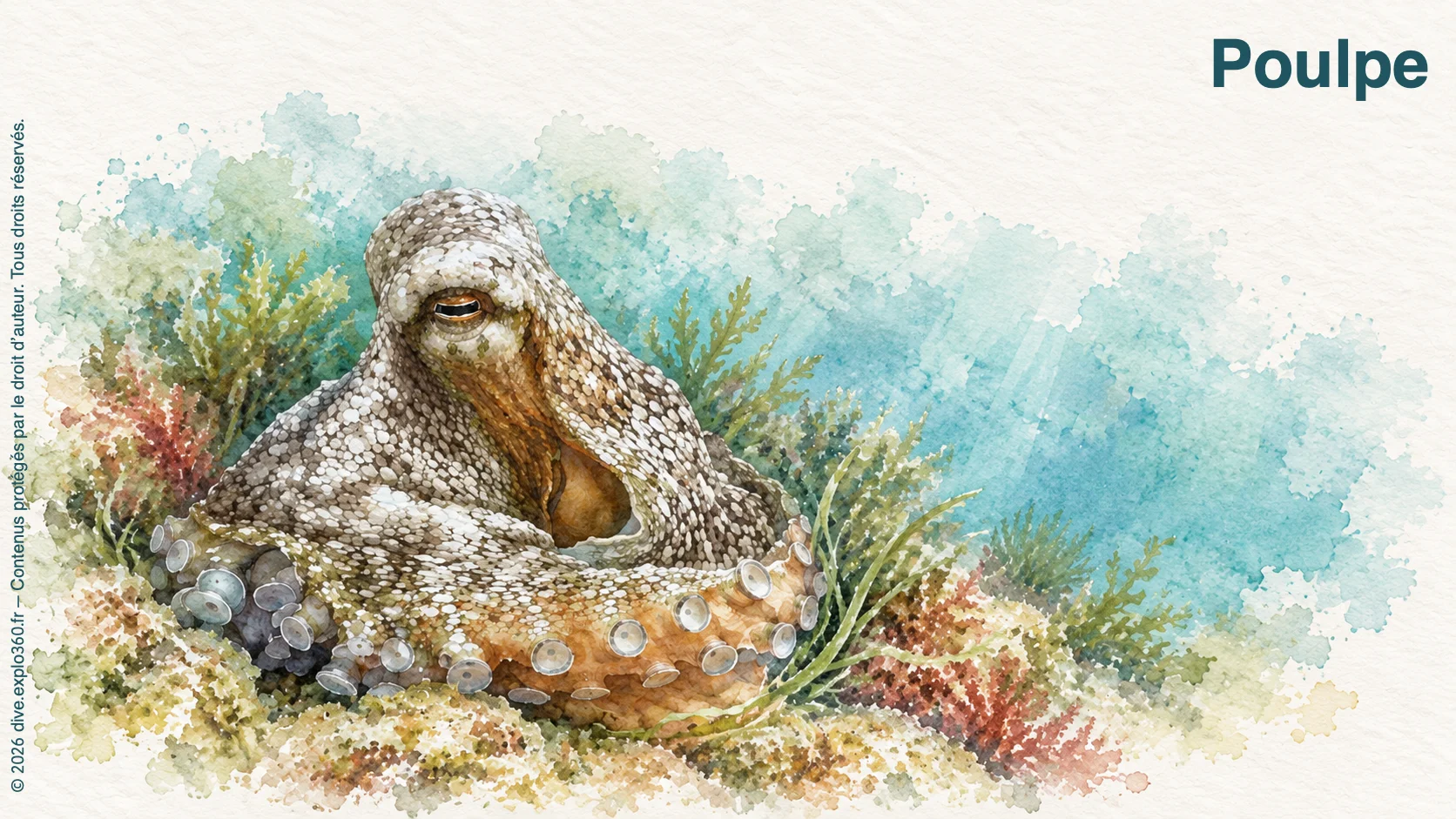
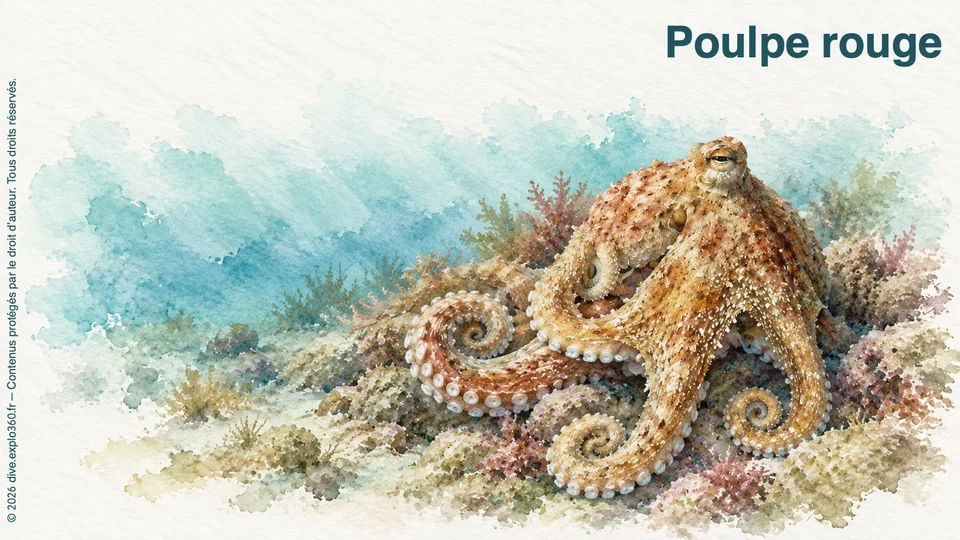
How can scientists discover what a seal has eaten without watching it hunt? By studying its droppings! They found traces of the white-spotted octopus, an animal with very long arms and pale spots. Mediterranean monk seals can eat this octopus, which is mostly active at night.

Photos being acquired · Your photos here

Habitat of White-spotted octopus Habitat
Sand, Rocky habitat, Coralligenous habitat
Depth range of White-spotted octopus Depth
5-50 m
Biological group of White-spotted octopus Group
Ecological role of White-spotted octopus Role
Predator

Average size

13 cm

WHAT DOES IT LOOK LIKE?

Small white spots cover the white-spotted octopus’s red body. Its very long, thin arms stretch far around it. Its colouring can also become reddish brown.

GO FURTHER WITH AMIGANSEAU

Unlock the full profile

Deepen your knowledge with the exclusive chapters and interactive resources included in an AMIGANSEAU licence.

Choose my licence
  • WHERE DOES IT LIVE?
  • WHAT DOES IT EAT?

Also included in the full profile

  • Advanced navigation between description, ecological context, observations and behaviour
  • Interactive food chain to explore the species’ feeding relationships
  • Infographic and illustrated summary profile
An active licence gives access to enriched profiles and AMIGANSEAU exploration tools.
White-spotted octopus

Understand the species

What is this species’ ecological role?

AMIGANSEAU Explorer Premium

Access enriched species profiles with advanced content (audio, infographics and detailed articles).

Explore all species easily through a single interface.

Enjoy a smooth, fast learning experience suited to every level.

🔒 The full profile is available with a paid subscription only.

Discover licences

POURSUIVRE L’EXPLORATION

Articles related to this species

ArticleMasters of camouflageRead the article →