Habitat
 Depth
 Group
 Role
 Size
WHAT DOES IT LOOK LIKE?
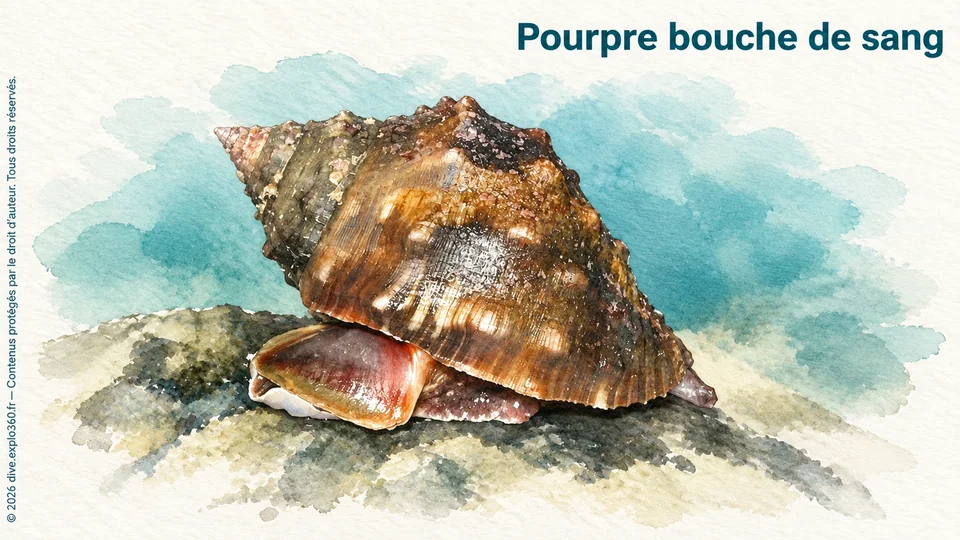
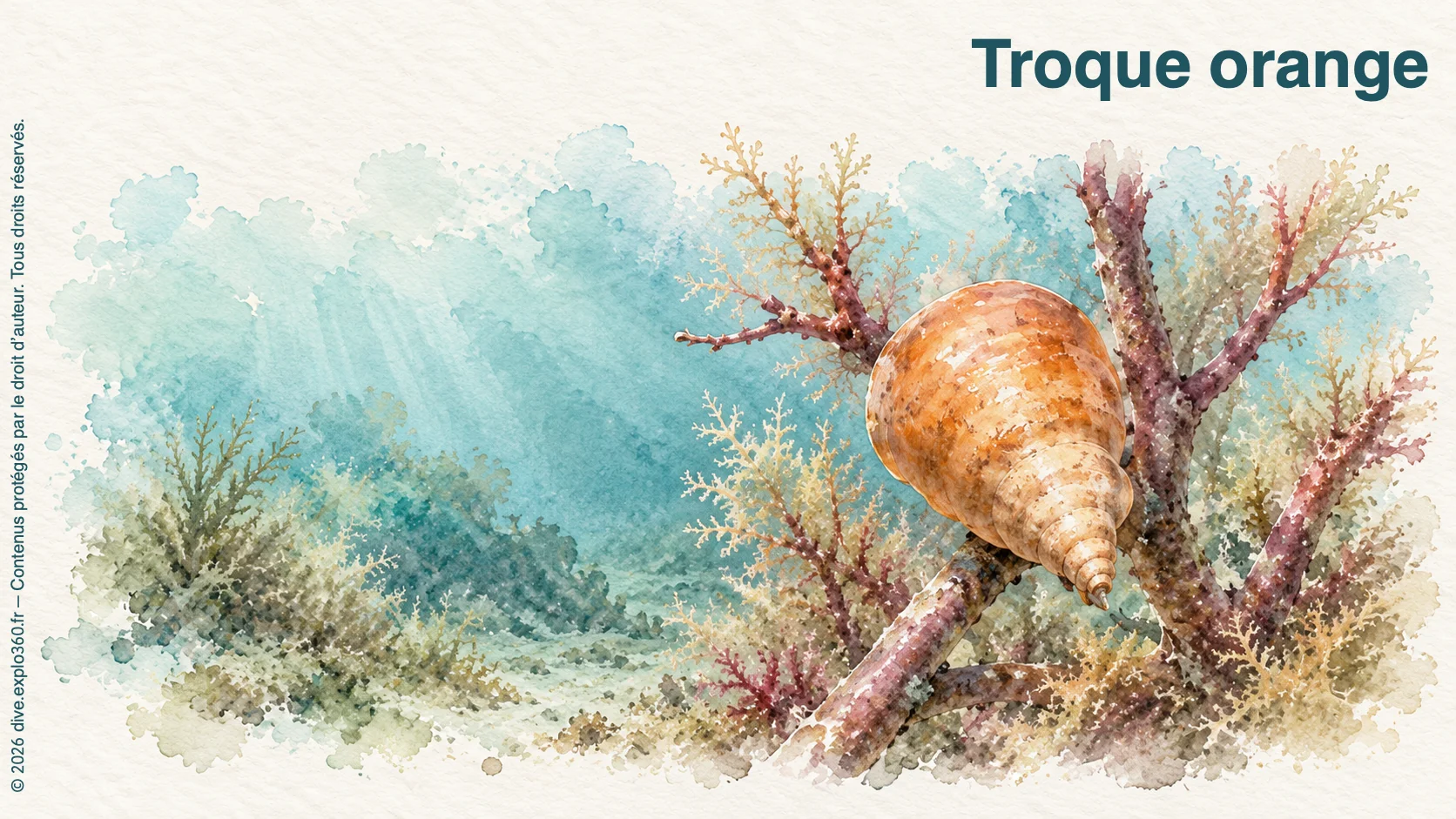
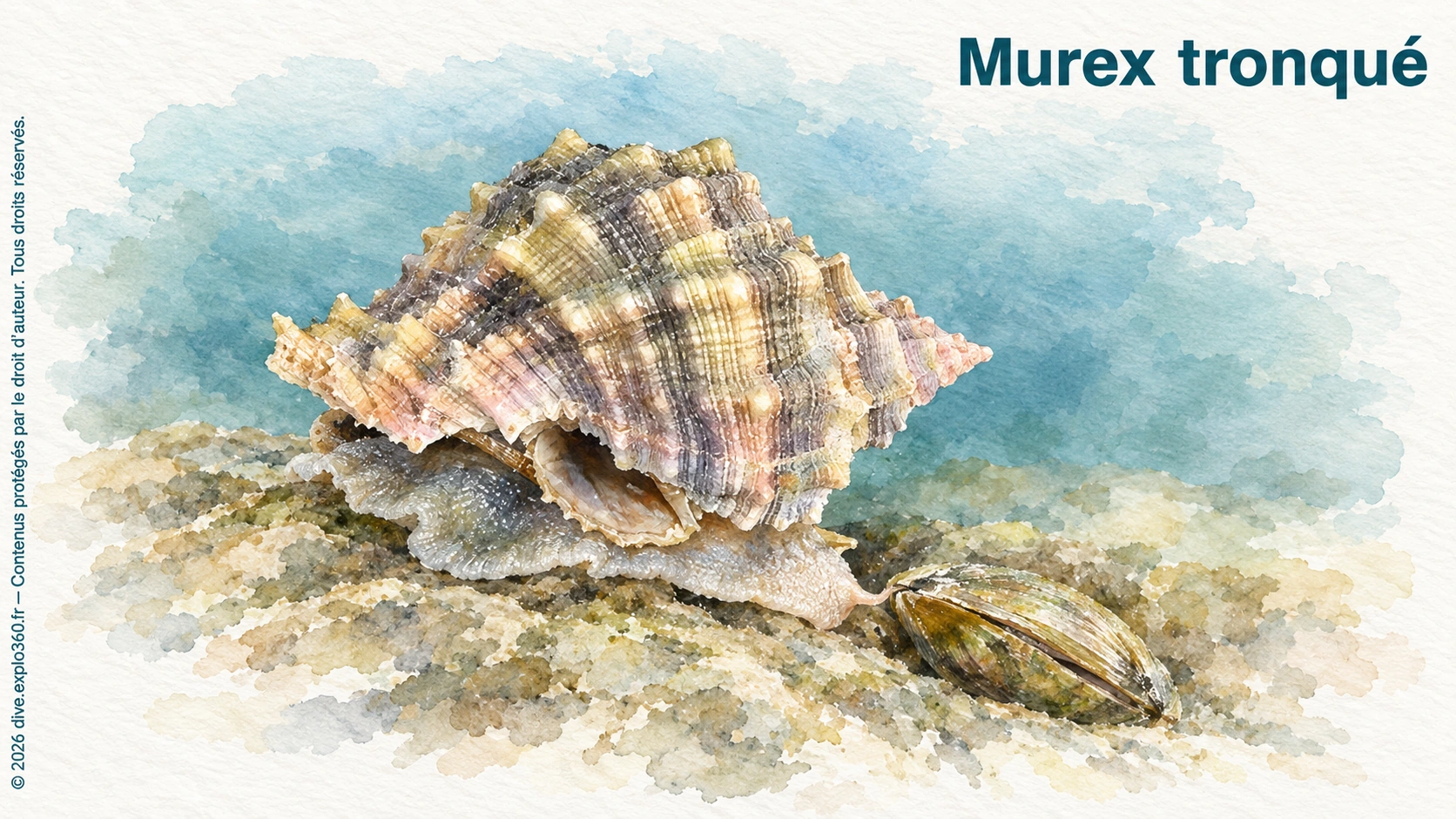
A broad orange-red shell opening draws attention to the red-mouthed rock shell (Stramonita haemastoma). Most volume lies in the swollen last whorl beneath a fairly low spiral. Nodules, little knobs, dot the surface without long spines. The operculum is the lid fitted to the oval opening.
WHERE DOES IT LIVE?
It mainly inhabits coastal rock, often in the first few metres, at wave-exposed sites. Deeper populations are also known.
Shelter availability and water movement influence its activity conditions alongside prey abundance.
WHAT DOES IT EAT?
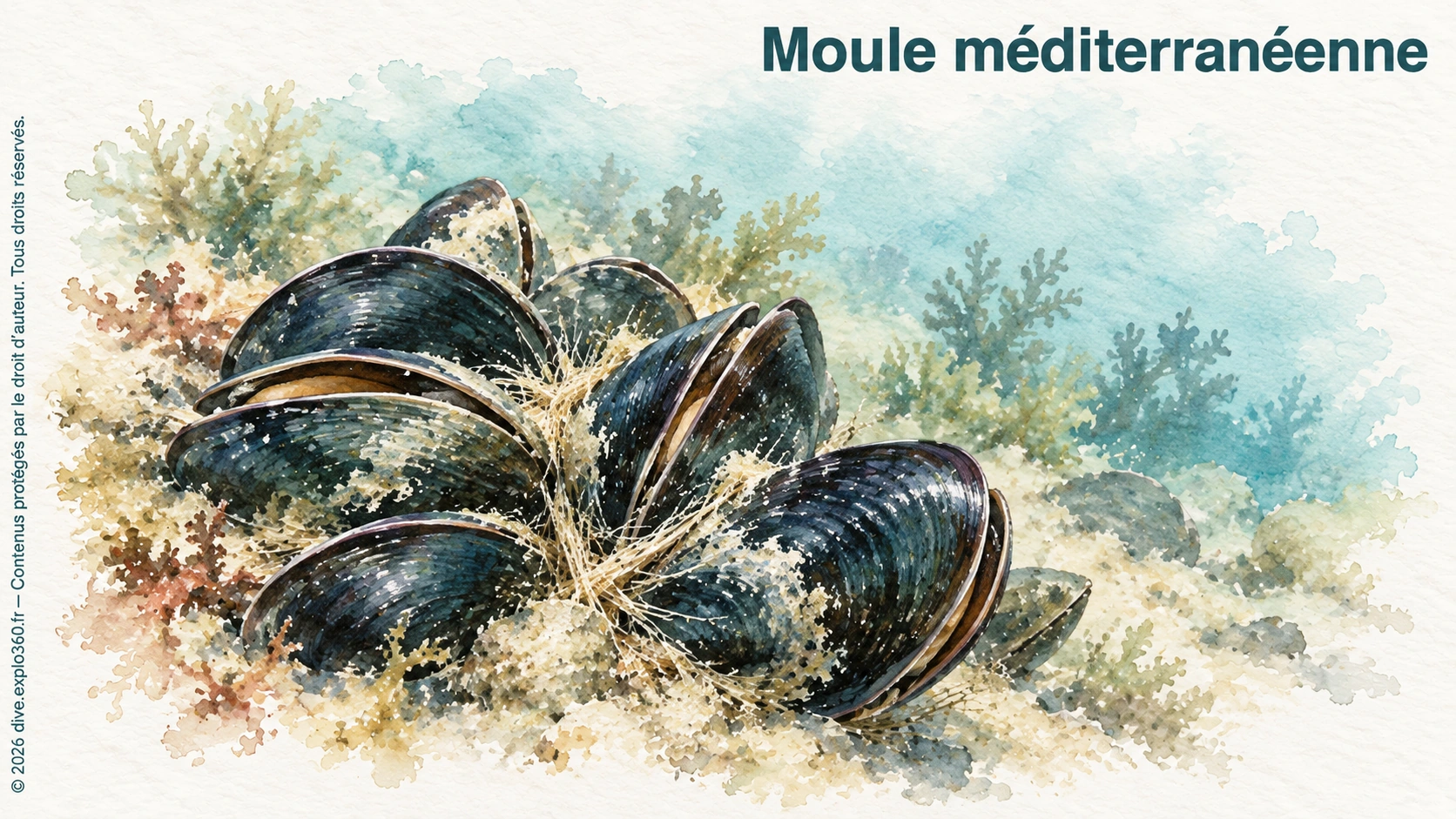
The red-mouthed rock shell feeds mainly on bivalves and other attached animals protected by shells. It crosses the covering by combining radular work with acidic and enzymatic secretions. Tiny teeth and chemical action contribute to boring before flesh becomes accessible. Remaining on a prey animal may therefore be active feeding. It may remain on the same prey for a long time while boring through its shell and feeding on the soft tissues inside.
GO FURTHER WITH AMIGANSEAU
Unlock the full profile
Deepen your knowledge with the exclusive chapters and interactive resources included in an AMIGANSEAU licence.
- HOW DOES IT REPRODUCE?
- OUR OBSERVATIONS
- ARTICLE
Also included in the full profile
- Advanced navigation between description, ecological context, observations and behaviour
- Interactive food chain to explore the species’ feeding relationships
 Understand the species