Partners and information

Contact us

Verification code

European sardine

Distribution : Northeastern Atlantic, Mediterranean and Black Sea; shoals documented along the French Mediterranean coast.

Lisbon's famous sardine began with a graphic designer's gesture. In 2003, the Silvadesigners studio transformed a photograph of a fish into a high-contrast silhouette, with an aesthetic reminiscent of Andy Warhol's imagery. Adopted by the city's festivities, it soon moved from posters onto trams, fans and everyday objects. The sardine design competition extended the idea, inviting people to dress the fish in almost any pattern. At sea, however, the sardine needs no painted decoration to produce its metallic reflections.

Images being acquired · Your video or photos here

Habitat of European sardine Habitat
Open water
Depth range of European sardine Depth
0-100 m
Biological group of European sardine Group
Ecological role of European sardine Role
Predator, Filter feeder

Size

Often around 20 cm; maximum 28 cm in Fishipedia

WHAT DOES IT LOOK LIKE?

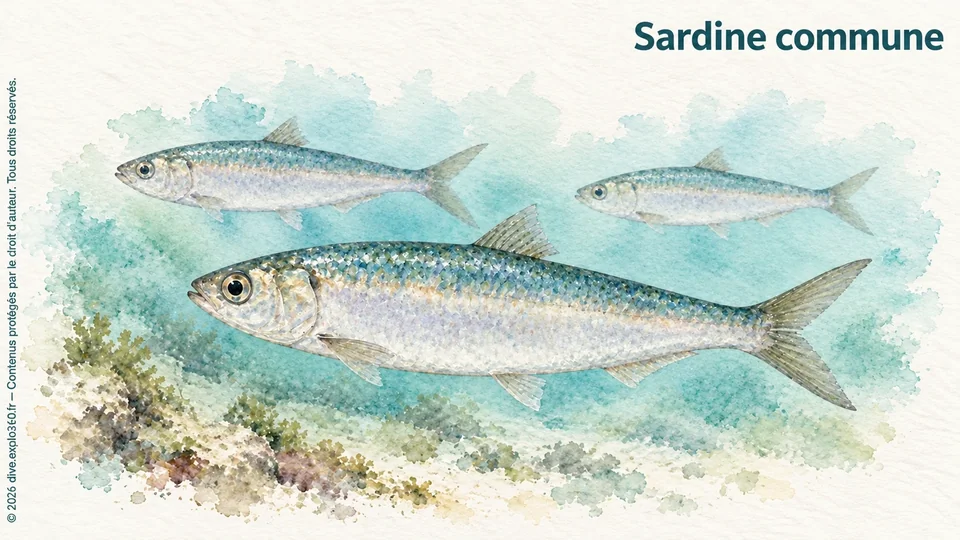
The green or blue back and silver flanks outline the European pilchard (Sardina pilchardus), often around twenty centimetres long. A single dorsal fin, on the back, begins slightly ahead of the belly fins. The streaked operculum, the gill cover, and the last two elongated rays of the fin beneath the rear body add to its features.

WHERE DOES IT LIVE?

The range includes the northeastern Atlantic, Mediterranean and Black Sea. Open-water movements connect coastal and offshore settings. It lives down to about a hundred metres and may change depth during the day.

WHAT DOES IT EAT?

In water containing small food particles, the European sardine can swim with its mouth open and filter plankton. With larger prey, it can switch to individual captures. Its menu includes copepods and other planktonic animals, with a variable phytoplankton contribution. Field studies also show that the most numerous prey do not necessarily supply the most nutritional material: their size affects that contribution.

GO FURTHER WITH AMIGANSEAU

Unlock the full profile

Deepen your knowledge with the exclusive chapters and interactive resources included in an AMIGANSEAU licence.

Choose my licence
  • HOW DOES IT REPRODUCE?
  • OUR OBSERVATIONS
  • ARTICLE

Also included in the full profile

  • Advanced navigation between description, ecological context, observations and behaviour
  • Interactive food chain to explore the species’ feeding relationships
An active licence gives access to enriched profiles and AMIGANSEAU exploration tools.
European sardine

Understand the species

What is this species’ ecological role?

AMIGANSEAU Explorer Premium

Access enriched species profiles with advanced content (audio, infographics and detailed articles).

Explore all species easily through a single interface.

Enjoy a smooth, fast learning experience suited to every level.

🔒 The full profile is available with a paid subscription only.

Discover licences

POURSUIVRE L’EXPLORATION

Explore further

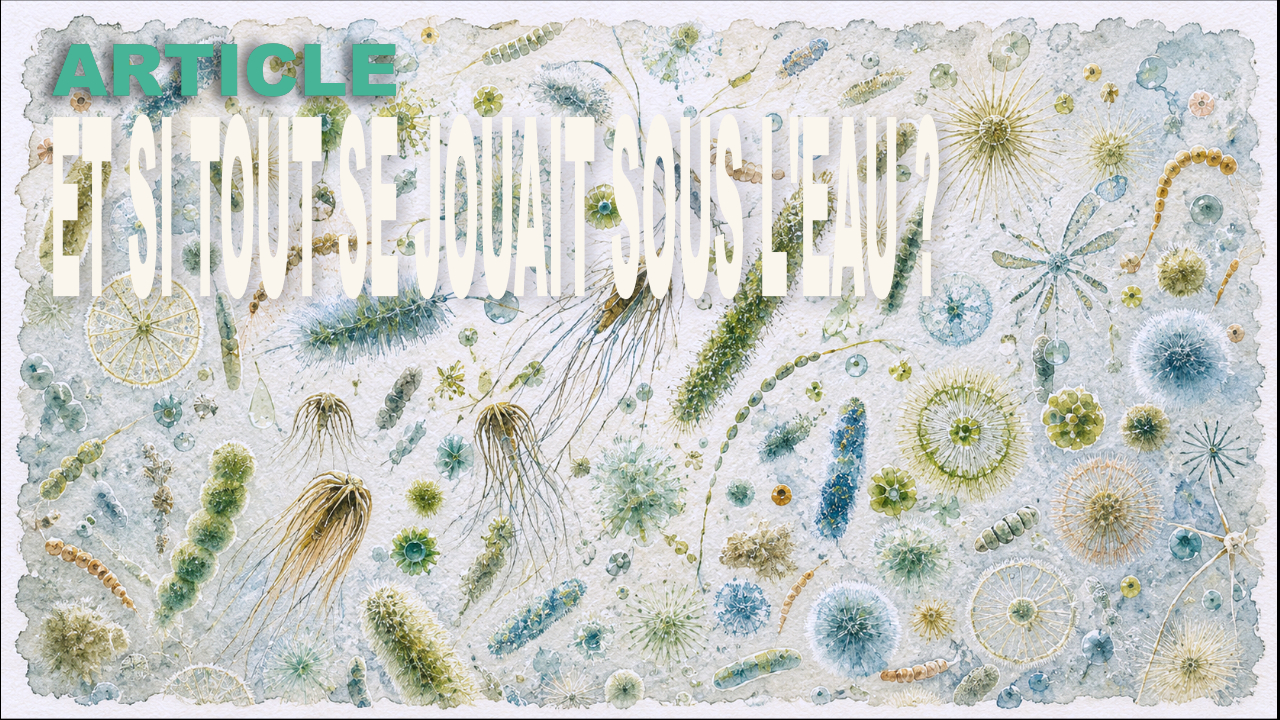
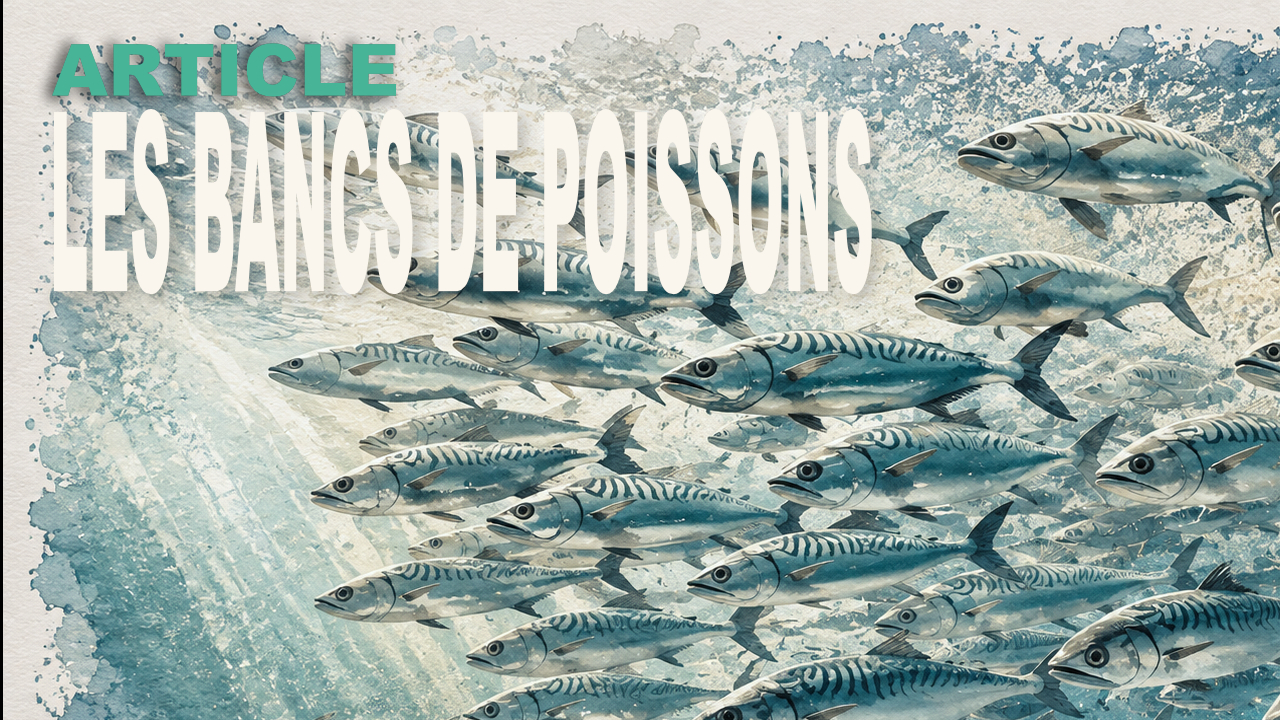
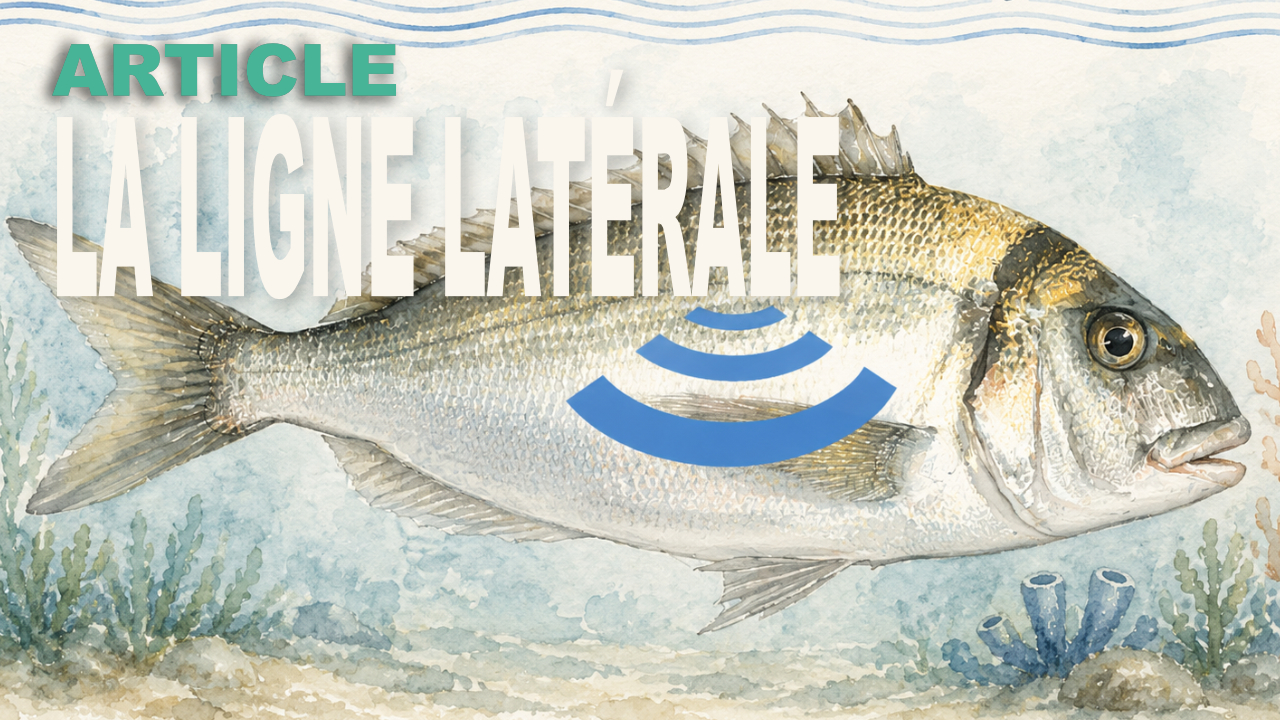
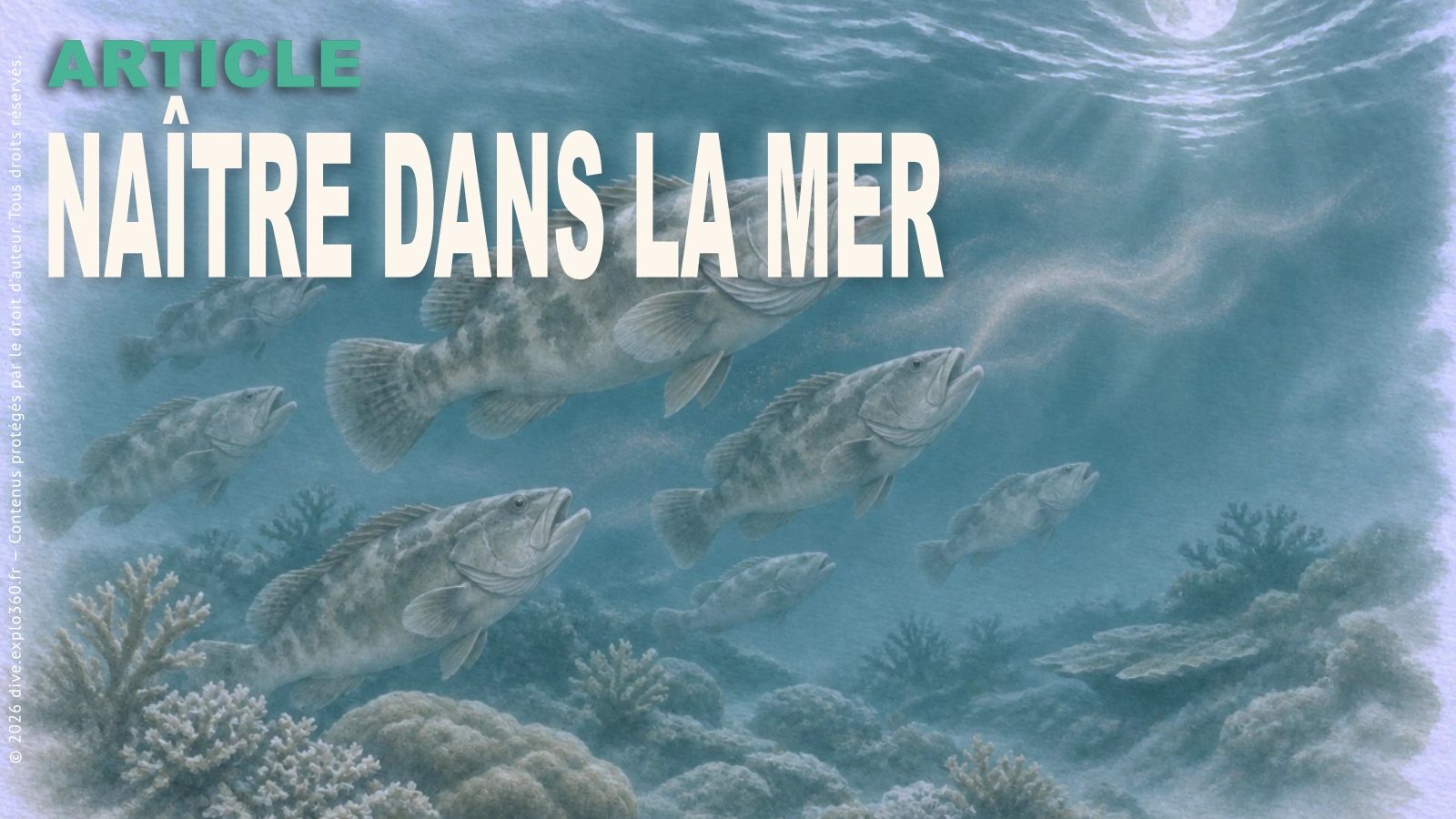
ArticleWHAT IF IT ALL HAPPENED UNDERWATER?Read the article →ArticleSCHOOLS OF FISHRead the article →ArticleThe lateral line, a fish’s sixth senseRead the article →ArticleBorn in the Sea: The Perils of Early LifeRead the article →ArticleHow fish sense the world around themRead the article →ArticleWHAT IF IT ALL HAPPENED UNDERWATER?Read the article →