Partners and information

Contact us

Verification code

Red tubeworm

Distribution : Mediterranean

In 2015, volunteer divers explored Loch Ailort on Scotland’s west coast. They discovered small underwater structures built by organ-pipe worms. Such delicate formations had been recorded from only a few stretches of the Scottish coastline. Their discovery added another location to a story that had begun more than a century earlier, when similar structures were described in Loch Creran.

Images being acquired · Your video or photos here

Habitat of Red tubeworm Habitat
Rocky habitat, Coralligenous habitat
Depth range of Red tubeworm Depth
0-1800 m
Biological group of Red tubeworm Group
Ecological role of Red tubeworm Role
Filter feeder

Size

Body often 7 cm; tube may approach 10 cm

WHAT DOES IT LOOK LIKE?

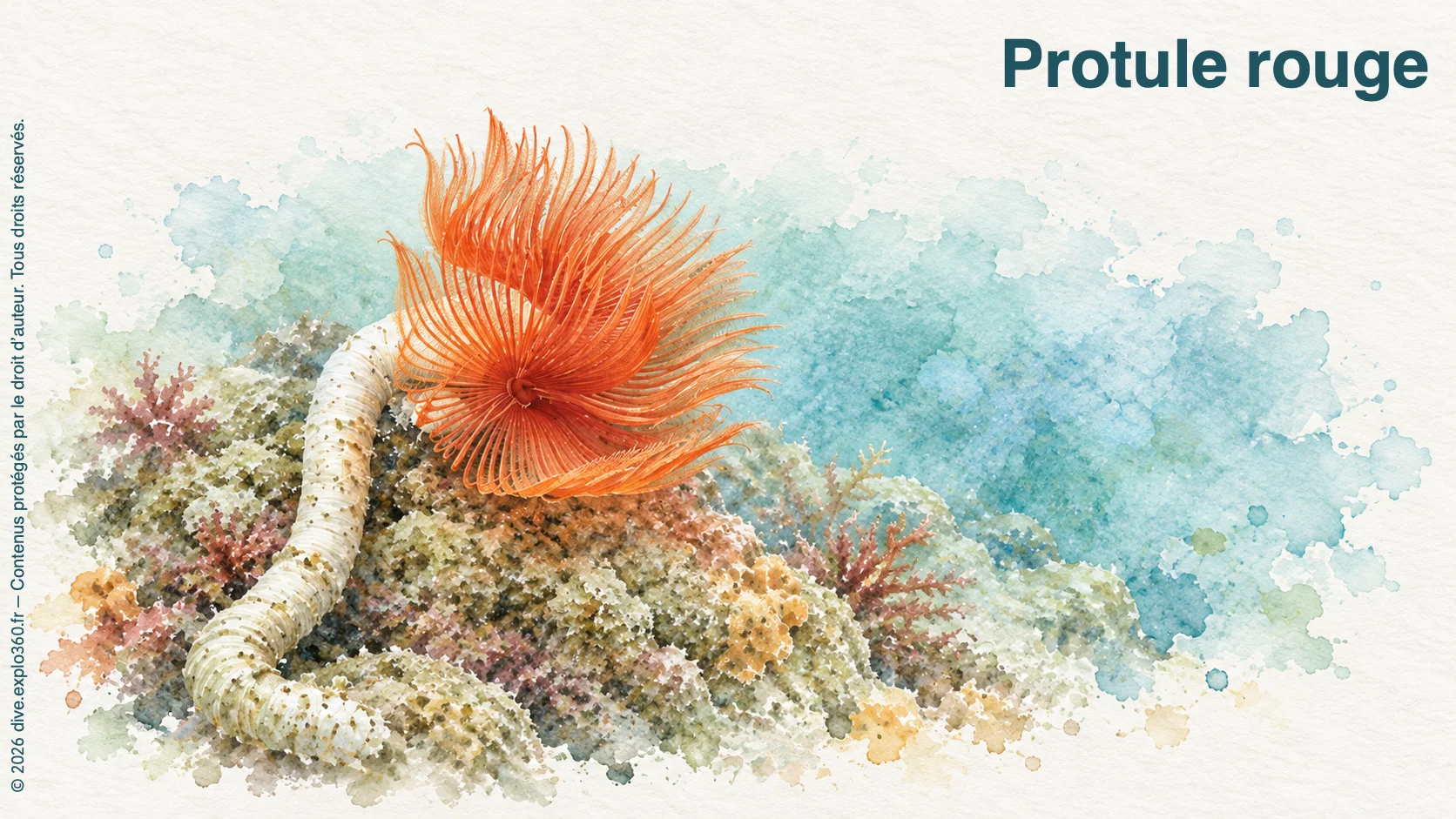
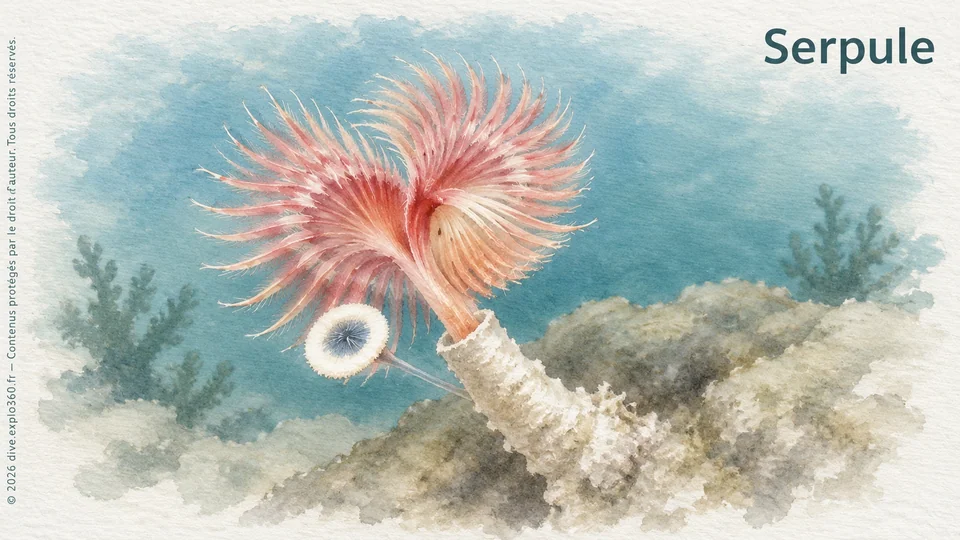
The red tube worm (Serpula vermicularis) mainly reveals its two-lobed crown. Red, pink or marked with pale areas, it emerges from a white to pinkish limestone tube that conceals the body. A filament carries the operculum, the little plug beside the crown.

GO FURTHER WITH AMIGANSEAU

Unlock the full profile

Deepen your knowledge with the exclusive chapters and interactive resources included in an AMIGANSEAU licence.

Choose my licence
  • WHERE DOES IT LIVE?
  • WHAT DOES IT EAT?
  • HOW DOES IT REPRODUCE?
  • ARTICLE

Also included in the full profile

  • Advanced navigation between description, ecological context, observations and behaviour
  • Interactive food chain to explore the species’ feeding relationships
An active licence gives access to enriched profiles and AMIGANSEAU exploration tools.
Red tubeworm

Understand the species

What is this species’ ecological role?

AMIGANSEAU Explorer Premium

Access enriched species profiles with advanced content (audio, infographics and detailed articles).

Explore all species easily through a single interface.

Enjoy a smooth, fast learning experience suited to every level.

🔒 The full profile is available with a paid subscription only.

Discover licences

POURSUIVRE L’EXPLORATION

Explore further

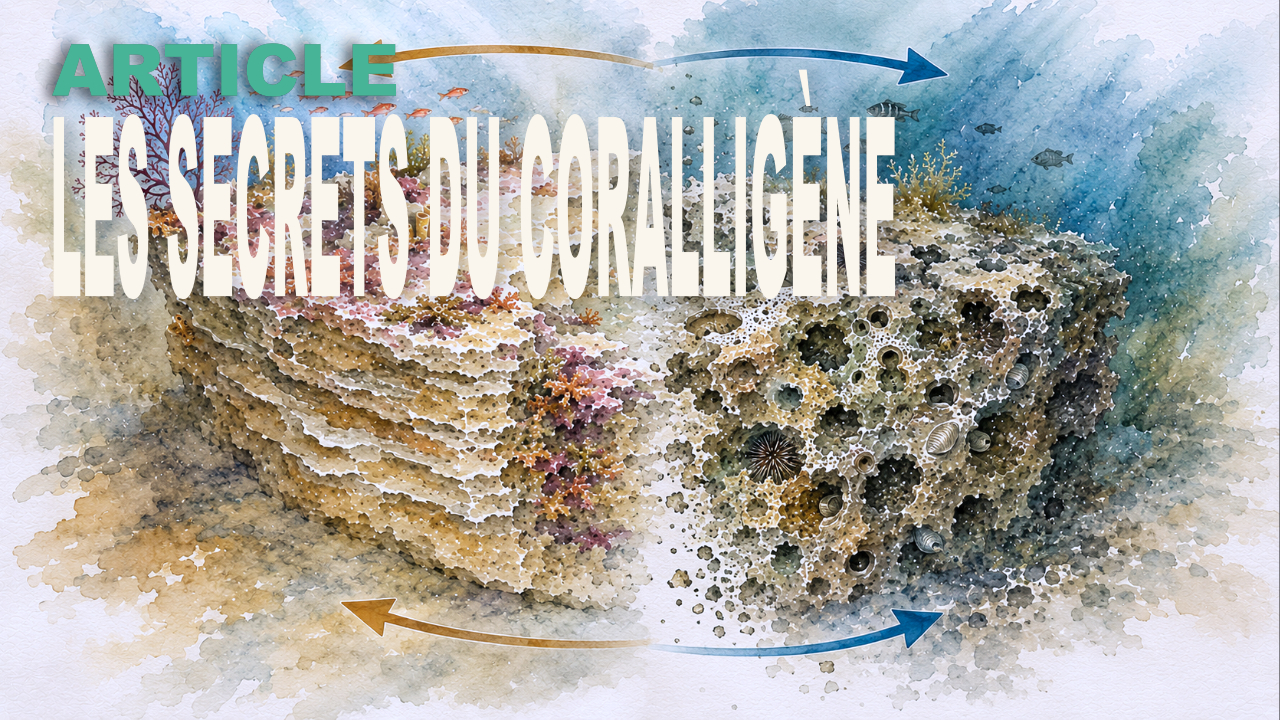
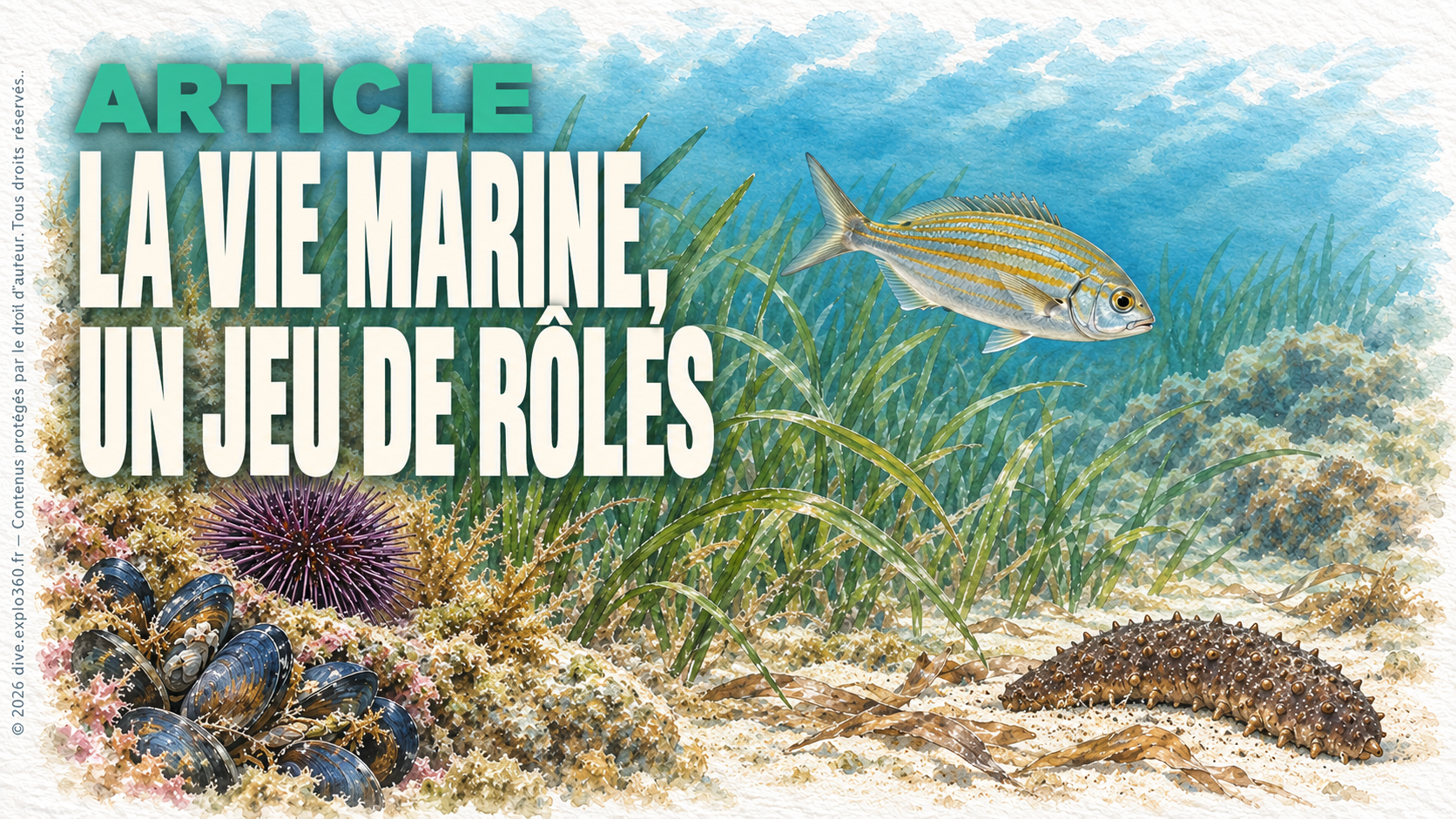
ArticleTHE SECRETS OF CORALLIGENOUS HABITATSRead the article →ArticleWhat marine animals do and why it mattersRead the article →ArticlePHYLA WITHOUT THE FUSSRead the article →